Bowel Cancer Diagnosis: Tests From Screening to Staging
Bowel cancer diagnosis usually begins with screening or assessment of symptoms, followed by tests such as stool testing, colonoscopy, biopsy and imaging scans. These tests help clinicians confirm whether cancer is present, identify its location and determine whether it has spread.
Overview: How Bowel Cancer Is Diagnosed
Bowel cancer diagnosis involves a sequence of tests that look for cancer in the colon or rectum, confirm it with a tissue biopsy and assess how far it may have spread. Testing may begin after an abnormal screening result or because a person has symptoms that need investigation.
Bowel cancer, also called colorectal cancer, can develop slowly from small growths called polyps. Many polyps are harmless, but some can become cancerous over time. Finding and removing certain polyps during testing can help prevent cancer as well as support early diagnosis.
No single test is suitable for every person. The most appropriate approach depends on age, symptoms, family history, previous polyps, medical conditions and local screening recommendations. A healthcare professional can explain which tests are relevant and what preparation is needed.
Screening Before Symptoms Develop
Screening is offered to people who do not have symptoms but may be at average or increased risk of bowel cancer. Its purpose is to find hidden blood in stool, detect pre-cancerous polyps or identify early cancers, when treatment is often less complex.
A commonly used screening method is the faecal immunochemical test, often called FIT. This home stool test checks for tiny amounts of blood that may not be visible. A positive result does not mean a person has cancer; bleeding can also occur for other reasons. However, it usually means further assessment, often a colonoscopy, is important.
Some screening programmes use colonoscopy directly, while others use it after an abnormal stool test. People with a close relative who has had bowel cancer, a known inherited cancer syndrome, long-standing inflammatory bowel disease or a personal history of polyps may need earlier or more frequent surveillance. Individual recommendations should be discussed with a doctor.
- Screening intervals vary by country, age and personal risk.
- Screening is not a substitute for medical assessment if symptoms occur.
- A normal screening result is reassuring, but persistent symptoms still require review.
Symptoms and When to Seek Medical Care
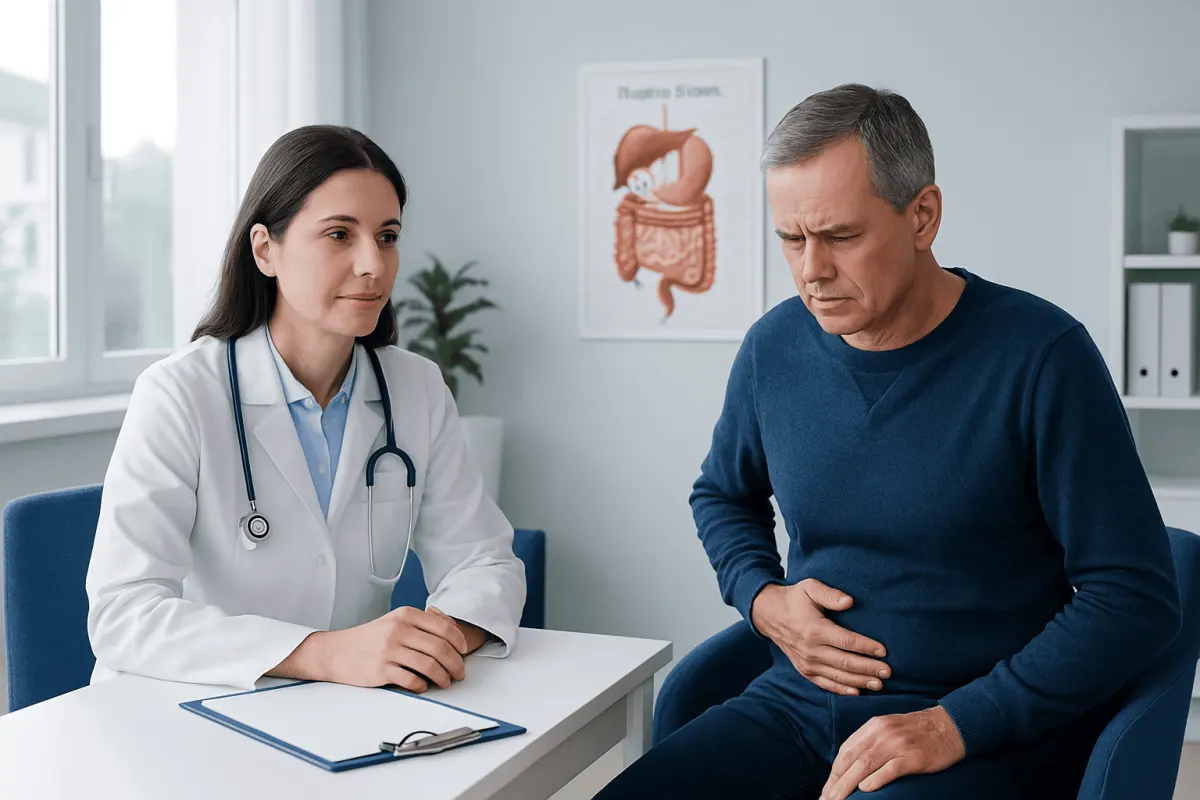
Bowel cancer can cause no symptoms in its earliest stages. When symptoms occur, they may overlap with common conditions such as haemorrhoids, infections, irritable bowel syndrome or dietary changes. Testing is the only way to establish the cause.
Symptoms that warrant a medical appointment include a lasting change in bowel habit, blood in or on stool, rectal bleeding, abdominal discomfort, unexplained iron-deficiency anaemia, ongoing tiredness, unintended weight loss or a feeling that the bowel has not emptied completely. Symptoms should be assessed even in younger adults, particularly when they persist or are worsening.
Prompt medical care is advisable for substantial rectal bleeding, black or tar-like stool, severe abdominal pain, vomiting, marked weakness or symptoms of bowel obstruction such as increasing bloating and inability to pass stool or gas. These symptoms can have several causes, but they need urgent evaluation.
Initial Assessment and Diagnostic Tests
The diagnostic process usually starts with a medical history and physical examination. The clinician may ask about bowel habits, bleeding, diet, medicines, previous polyps, inflammatory bowel disease and cancer in close relatives. They may also examine the abdomen and perform a digital rectal examination to assess the lower rectum.
Blood tests cannot diagnose bowel cancer on their own, but they can identify anaemia or assess liver and kidney function before further tests. In some cases, a stool test may be used to check for hidden blood. Results are interpreted alongside symptoms and other clinical information.
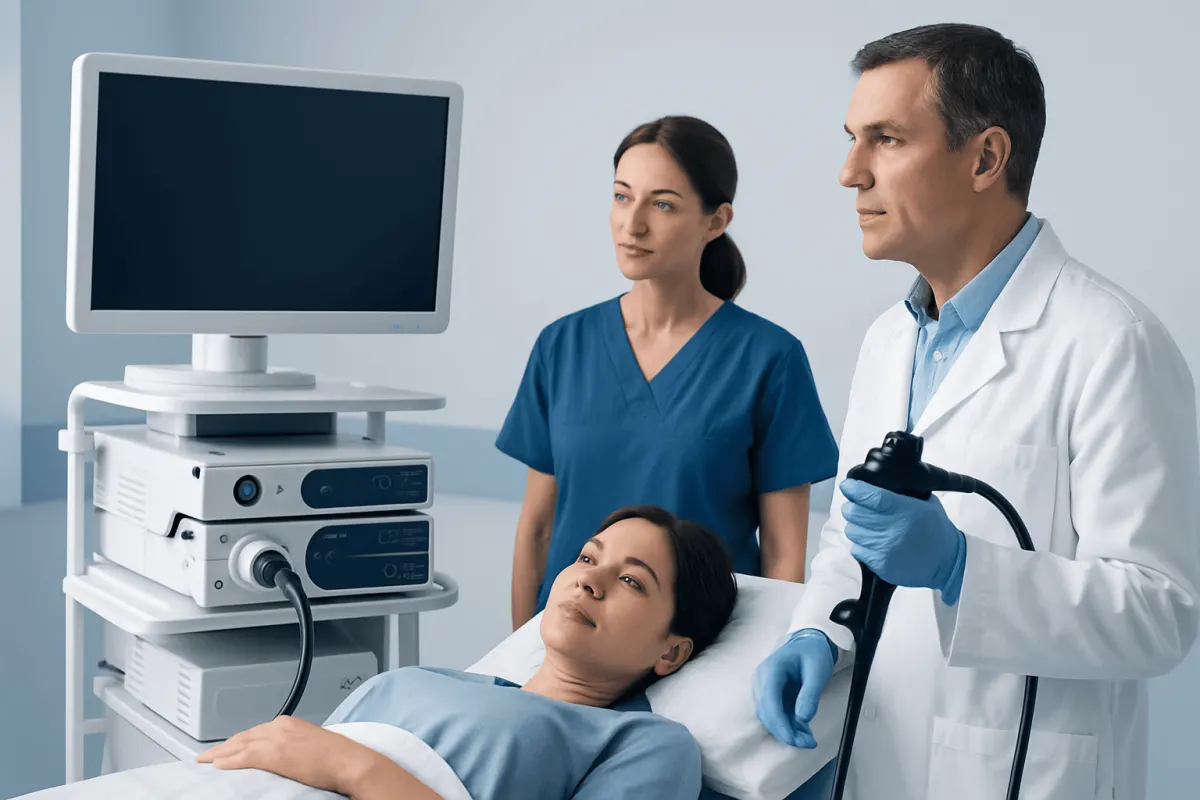
Colonoscopy is the main test used to examine the inside of the entire colon and rectum. A flexible tube with a camera is passed gently through the rectum while the patient is sedated or given pain relief as appropriate. It allows the clinician to inspect the bowel lining, remove many polyps and take biopsies from abnormal-looking areas.
When a full colonoscopy is not possible or suitable, alternatives may include CT colonography, sometimes called a virtual colonoscopy, or flexible sigmoidoscopy, which examines the rectum and lower part of the colon. These methods can identify abnormalities, but a conventional colonoscopy may still be needed to remove a polyp or obtain a biopsy.
Colonoscopy: Who It Is For, What Happens and Recovery
Colonoscopy may be recommended after a positive screening test, unexplained bleeding, anaemia, persistent bowel changes, suspicious imaging findings or as surveillance for people at increased risk. Before the procedure, the care team reviews medical history, allergies and medicines. Blood-thinning medicines and diabetes treatment may require individual instructions, so they should not be changed without medical advice.
Good bowel preparation is essential because the lining must be visible. Patients usually follow a temporary low-fibre or clear-liquid diet and take a prescribed bowel-cleansing medicine the day before or on the day of the examination. The exact instructions vary, and following them carefully reduces the chance that the test will need to be repeated.
During the procedure, a camera-equipped colonoscope is advanced through the bowel while air or carbon dioxide is used to open the bowel gently for viewing. Sedation can help people feel relaxed or sleepy. If polyps are found, they can often be removed immediately. If an area appears abnormal, small tissue samples are taken; this is usually painless.
Most people go home the same day after a short period of observation. Mild bloating, wind or brief cramping can occur for several hours. If sedation was used, a responsible adult may need to accompany the patient home, and driving, alcohol and important decisions should be avoided until the effects have fully worn off. For more information about diagnostic assessment and care pathways, see bowel cancer treatment and evaluation.
Biopsy, Scans and Staging After a Cancer Diagnosis
A biopsy is the definitive way to confirm bowel cancer. A pathologist examines the tissue under a microscope to identify whether cancer cells are present and, if so, to describe features that help guide treatment. Biopsy results can take several days, depending on the tests required.
If cancer is confirmed, further tests are used for staging. Staging describes the size and local extent of the tumour, whether nearby lymph nodes are involved and whether cancer has spread to other organs. This information supports an individual treatment plan.
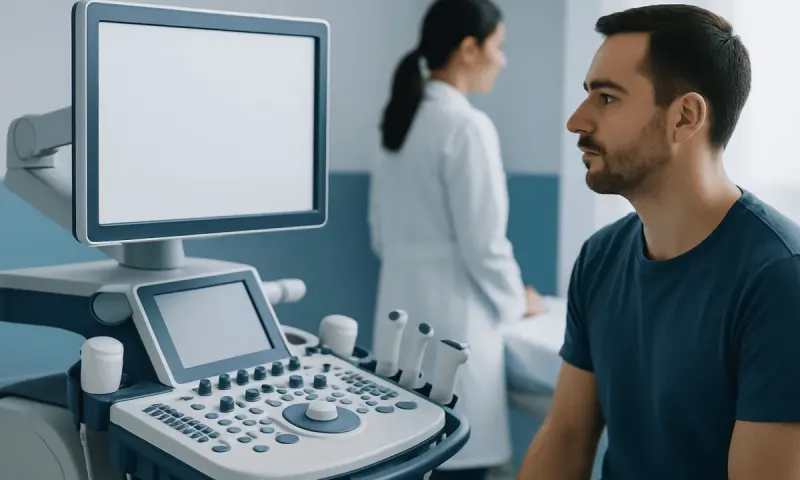
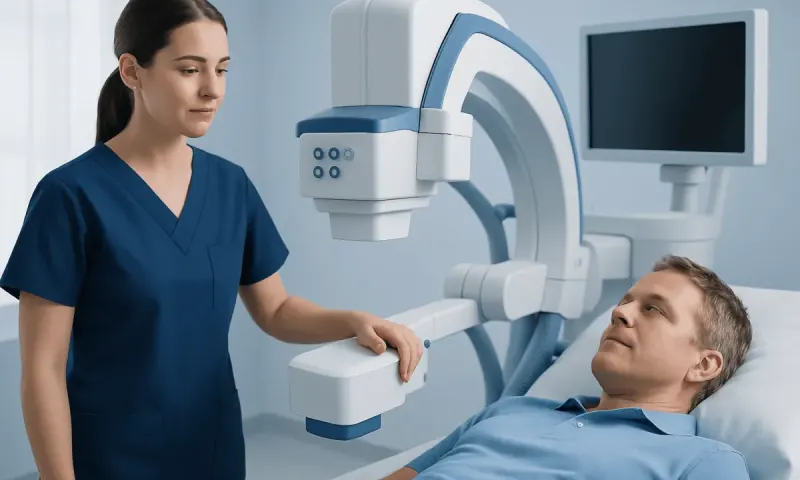
CT scans of the chest, abdomen and pelvis are often used to look for spread outside the bowel. For rectal cancer, MRI of the pelvis is particularly important because it provides detailed images of the rectum and nearby tissues. Ultrasound, PET-CT or additional tests may be used in selected situations when more information is needed.
The tumour may also be tested for molecular or genetic features. These tests do not usually determine whether cancer is present, but they can help specialists select treatments and identify people who may benefit from genetic counselling. Results are considered by a multidisciplinary team that may include gastroenterologists, colorectal surgeons, medical oncologists, radiation oncologists, radiologists and pathologists.
Benefits, Limits and Possible Risks of Testing
The main benefit of bowel cancer screening and diagnostic testing is earlier detection. Removing suitable polyps can reduce the likelihood that they will later become cancerous, while finding cancer at an earlier stage can broaden treatment options. Diagnostic tests also provide detailed information needed to avoid unnecessary treatment and plan appropriate care.
Every test has limitations. Stool tests may miss some polyps or cancers, and a positive result can be caused by bleeding unrelated to cancer. CT colonography can identify larger abnormalities but does not allow removal of polyps or biopsy during the same test. A normal test result should therefore be interpreted in context, especially if symptoms continue.
Colonoscopy is generally safe, but uncommon complications include bleeding after polyp removal, reactions to sedation and a tear in the bowel wall. The risk can vary with the person’s health, the complexity of polyp removal and the procedure performed. The clinical team explains relevant risks beforehand and provides guidance on symptoms that require urgent contact after the test.
After colonoscopy, urgent advice is needed for severe or worsening abdominal pain, fever, persistent vomiting, heavy rectal bleeding, fainting or significant weakness. Most people do not experience these problems, but timely assessment is important if they occur.
Next Steps After Results
Results may show no concerning findings, benign polyps, inflammation, another bowel condition or cancer. If polyps are removed, the pathology result and the number, size and type of polyps help determine whether future surveillance colonoscopy is recommended.
If bowel cancer is diagnosed, treatment is tailored to the site and stage of the cancer, tumour biology and the person’s overall health and preferences. Care may involve surgery, chemotherapy, radiotherapy, targeted medicines, immunotherapy or a combination of approaches. The treatment team should explain the purpose, likely benefits and potential effects of each option.
Receiving results can feel uncertain, and patients are encouraged to bring questions to appointments, take notes or involve a trusted relative or friend. Acıbadem Health Point’s multidisciplinary specialists and JCI-accredited hospitals diagnose and treat bowel cancer for international patients, with care plans developed after appropriate testing and team review.
Regular screening, attention to new symptoms and follow-up after polyp removal are practical ways to support bowel health. A qualified clinician can advise on a personalised screening and surveillance schedule.
Frequently asked questions
01What is the first test for bowel cancer diagnosis?
The first test depends on why assessment is needed. People without symptoms may start with a stool-based screening test, while people with concerning symptoms may be referred directly for colonoscopy or other investigations. A doctor selects tests based on symptoms and individual risk.
02Can a stool test diagnose bowel cancer?
A stool test can identify hidden blood and help estimate whether further investigation is needed, but it cannot confirm cancer. A positive stool test is commonly followed by colonoscopy. A negative result does not rule out cancer if symptoms persist.
03Does a colonoscopy confirm bowel cancer?
A colonoscopy can show suspicious areas and allows doctors to remove polyps or take tissue samples. Cancer is confirmed when a pathologist examines a biopsy under a microscope. Colonoscopy is therefore an important part of diagnosis, but biopsy provides confirmation.
04How long does it take to get bowel cancer biopsy results?
Biopsy results often take several days, although timing differs between hospitals and depends on any additional laboratory tests needed. The clinical team will explain when and how results will be communicated. Further imaging may also be arranged if cancer is confirmed.
05Is colonoscopy painful?
Most people receive sedation, pain relief or both to improve comfort during colonoscopy. Some pressure, bloating or cramping can occur because the bowel is gently expanded for viewing. The team can discuss comfort options and any concerns before the procedure.
06At what age should bowel cancer screening begin?
Screening ages and intervals differ between countries and programmes. People at average risk are generally invited from a defined age range, while those with a family history, inherited risk syndrome, previous polyps or inflammatory bowel disease may need earlier assessment. A doctor can advise on the most appropriate schedule.
This article is for general information only and is not a substitute for professional medical advice. Please consult a qualified doctor about your individual situation.
Persistent digestive symptoms? Get evaluated in Turkey
JCI-accredited · board-certified surgeons · reply within 24h
Add us as a Preferred Source to see more of our trusted health content across Google Search, AI Overviews and Discover.