Cheapest Country for Stem Cell Treatment?
There is no single safest or “cheapest” country for stem cell treatment because the appropriate treatment, regulation, cell source, medical supervision and follow-up needs differ widely. Patients should compare complete care pathways—not advertised package prices—and seek therapies supported by evidence for their specific condition.
Overview: Is There a Cheapest Country for Stem Cell Treatment?
The cheapest country for stem cell treatment cannot be named responsibly from price advertisements alone. Costs vary according to the medical condition, whether the therapy is established or experimental, the type and source of cells used, hospital standards, laboratory processing, travel and the amount of follow-up required.
For conditions where stem cell transplantation is an accepted treatment, the priority should be receiving care at a properly equipped, regulated transplant center. For many advertised uses—such as anti-aging, chronic pain, autism, neurologic disorders or general wellness—evidence may be limited, and a low-cost overseas package may not provide proven care or adequate safety oversight.
Patients considering international care should ask for a written, itemized plan that explains the diagnosis, treatment rationale, cell source, expected benefits, known risks, alternatives and arrangements for complications. Comparing the full clinical pathway is more useful than comparing a single advertised price.
How Stem Cell Treatment Works
Stem cells are cells with the ability to develop into certain specialized cells and, in some circumstances, help restore blood and immune system function. The best-established use is hematopoietic stem cell transplantation, also called a blood or bone marrow stem cell transplant. It may be used for selected leukemias, lymphomas, multiple myeloma, bone marrow failure syndromes and some inherited blood or immune disorders.
In this setting, stem cells are collected from the patient or a compatible donor, then infused into the bloodstream after preparatory treatment. The cells travel to the bone marrow and may rebuild blood-forming and immune cells. Depending on the diagnosis, this can be an autologous transplant using a patient’s own cells or an allogeneic transplant using donor cells.
Other cell-based procedures are being studied in clinical trials. Research is active, but a treatment being offered commercially is not necessarily established, approved or appropriate. Patients should distinguish carefully between a registered clinical trial and a clinic’s marketing description of an investigational service.
Candidacy and Assessment Before Treatment

Candidacy depends on the person’s diagnosis, disease stage, previous treatments, overall health, organ function, infection status and treatment goals. For donor transplants, donor compatibility and availability are also important. A specialist team usually reviews laboratory tests, imaging when needed, pathology findings and medical history before recommending a transplant.
People may not be suitable for intensive transplant procedures if the risks from heart, lung, liver, kidney or uncontrolled infectious disease are too high. However, eligibility is individual; age alone does not determine whether someone can receive treatment. A comprehensive assessment helps the team balance possible benefit against short- and long-term risks.
Before traveling, patients should obtain an independent opinion from a qualified specialist familiar with the condition. They should also ask whether the proposed treatment follows recognized professional guidelines and whether the facility has experience managing complications.
What Happens During Stem Cell Treatment?
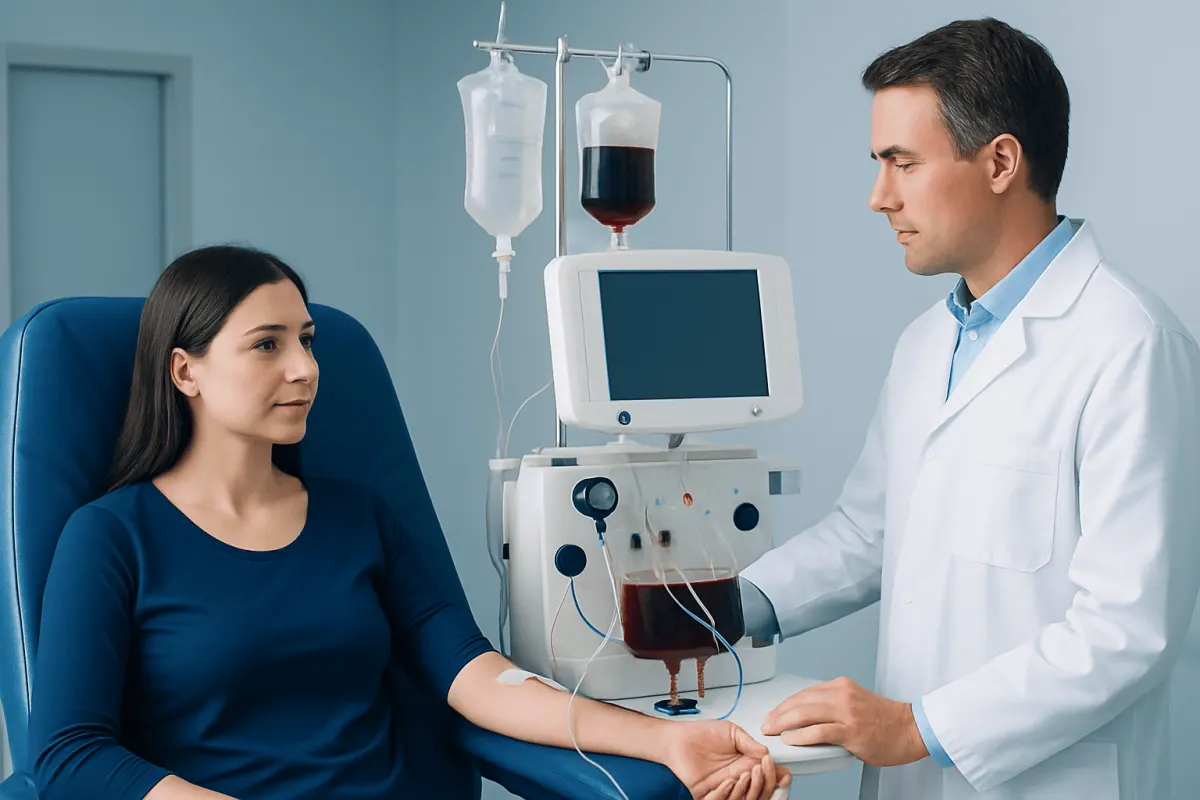
The exact procedure varies, but established blood stem cell transplantation usually follows several stages. First, the clinical team confirms the indication and performs baseline testing. Stem cells are then collected from the patient’s blood or bone marrow, or from a compatible donor, processed in an appropriate laboratory and stored until needed.
Before infusion, some patients receive chemotherapy, radiation therapy or other medicines to treat the underlying disease and prepare the bone marrow. The stem cells are infused through a vein, much like a blood transfusion. The infusion itself is usually only one part of a much longer treatment process.
Afterward, patients are monitored while the new cells settle in the marrow and begin producing blood cells, a process called engraftment. This period can require close observation, protective measures against infection, blood tests, transfusions and supportive treatments. Bone marrow transplantation should be planned with a specialized multidisciplinary team rather than purchased as a standardized package.
Recovery Timeline, Potential Benefits and Risks
Recovery differs substantially by transplant type, diagnosis and conditioning treatment. The initial hospital phase may involve frequent monitoring while blood counts are low. After discharge, regular follow-up remains essential for months, and sometimes longer, to monitor blood counts, infections, medication effects, relapse risk and overall recovery.
For eligible patients with certain serious blood and immune conditions, stem cell transplantation can be an important treatment option and may offer durable disease control or cure. Individual outcomes cannot be predicted from country of treatment or clinic advertising. They depend on the condition, disease status, donor factors, treatment intensity and the patient’s health.
Risks can include serious infections, bleeding, anemia, organ effects, treatment-related infertility and complications from chemotherapy or radiation. With donor transplants, graft-versus-host disease can occur when donor immune cells attack the recipient’s tissues. Clinics offering stem cell injections for unproven indications should also explain risks such as infection, immune reactions, blood clots, contamination and treatment delays.
Which Country Is the Most Affordable for Stem Cell Therapy?
No country can be identified as the most affordable for stem cell therapy in a medically meaningful way. A price comparison is incomplete unless it includes the exact diagnosis, transplant type, donor search or cell collection, laboratory work, hospital stay, medicines, complication management, follow-up care, travel and accommodation.
Lower prices may reflect lower operating costs, but they can also reflect that essential elements of care are excluded or that a clinic is offering a procedure with limited evidence. Patients should be cautious of guarantees, claims that one treatment helps many unrelated diseases, vague descriptions of the cells being used, or pressure to pay quickly.
A safer comparison starts with clinical appropriateness. Patients should ask for the treating physician’s qualifications, facility accreditation, cell-processing standards, the treatment protocol, realistic outcomes for their diagnosis and a plan for urgent care after returning home.
Where Did Joe Rogan Get His Stem Cell Treatment?
Public comments by celebrities may describe where they sought treatment, but these accounts are not a substitute for medical evidence or a recommendation of a clinic. Details reported publicly can be incomplete, may change over time and may not explain the exact procedure, diagnosis, cell product, safety checks or follow-up involved.
Joe Rogan has discussed receiving stem cell-related treatment in Panama in public media. That information does not establish that the treatment is proven, regulated for a particular condition or appropriate for another person. A patient’s medical needs, risks and treatment alternatives should be assessed by qualified clinicians rather than based on celebrity experience.
Where Did Kim Kardashian Get Stem Cells?
Kim Kardashian has publicly discussed stem cell-related procedures in connection with beauty and wellness content. Public reports do not provide enough clinical information to determine the exact cell product, medical indication, expected benefit or whether a similar procedure would be appropriate for someone else.
Cosmetic and wellness claims involving stem cells deserve the same careful questions as any medical treatment. Patients should request clear information about what is being injected or applied, whether the product is regulated for the intended use, the qualifications of the clinician and the evidence supporting the proposed result.
How Much Does It Cost to Go to Panama for Stem Cell Therapy?
There is no single reliable cost for traveling to Panama for stem cell therapy. The total can vary greatly according to the clinic, condition, number of treatment sessions, type of cell product, medical testing, travel arrangements, length of stay and whether care for complications or follow-up is included.
Patients should not rely on a quoted treatment package alone. They should request an itemized estimate in writing, ask what happens if additional care is needed, confirm cancellation and refund policies, and budget for travel, accommodation, local transport, companion expenses and post-treatment medical care at home.
Most importantly, cost should not be considered before establishing whether the proposed therapy has credible evidence and is suitable for the person’s diagnosis. A lower price does not compensate for avoidable medical risk, delayed standard treatment or lack of continuity of care.
When to Seek Medical Care
Anyone with a serious blood disorder, cancer, immune condition or progressive symptoms should seek evaluation from a qualified doctor promptly. Urgent medical attention is needed for symptoms such as fever during cancer treatment, severe shortness of breath, chest pain, uncontrolled bleeding, confusion, sudden weakness or signs of a severe allergic reaction.
Patients who have already received a cell-based treatment and develop fever, increasing pain, redness or swelling at an injection site, worsening neurologic symptoms, severe headache, breathing difficulty or new weakness should contact urgent medical services. They should tell the care team exactly what procedure was received, where it was performed and what substances were used.
Acıbadem Health Point’s multidisciplinary specialists and JCI-accredited hospitals evaluate and treat eligible international patients, including those who may need assessment for complex hematology and transplant care. A consultation can help clarify evidence-based options and whether a proposed treatment is appropriate.
Frequently asked questions
01Is stem cell treatment safe abroad?
Safety depends on the specific treatment, the condition being treated, clinical oversight, laboratory standards and the facility’s ability to manage complications. Established stem cell transplantation can be performed safely in experienced centers, but many commercially marketed stem cell interventions have limited evidence. Patients should seek an independent specialist opinion before traveling.
02Are all stem cell treatments experimental?
No. Hematopoietic stem cell transplantation is an established treatment for selected blood cancers, blood disorders and immune conditions. However, many stem cell treatments advertised for orthopedic, neurologic, cosmetic, anti-aging or wellness purposes remain investigational or are not supported by strong evidence.
03What should a patient ask a stem cell clinic before booking?
Patients should ask what diagnosis is being treated, which cells will be used, how the cells are sourced and processed, and what evidence supports the treatment for their condition. They should also request an itemized cost estimate, information on risks and alternatives, clinician qualifications and a written plan for follow-up and complications.
04Does insurance cover stem cell treatment overseas?
Coverage varies by insurer, policy, diagnosis and whether the treatment is considered medically necessary and established. Experimental or wellness-oriented procedures are often not covered. Patients should contact their insurer before making travel or treatment arrangements and ask specifically about overseas care and complication coverage.
05Can a patient travel home soon after stem cell therapy?
The timing depends on the procedure and the patient’s health. Intensive transplantation requires close monitoring and may involve a prolonged recovery period, while even less intensive procedures can have delayed complications. The treating team and a local doctor should agree on a safe travel and follow-up plan.
06Why are stem cell clinic prices so different?
Prices differ because treatments vary in cell source, testing, laboratory processing, clinician expertise, facility standards, hospital stay, supportive medicines and aftercare. Some quoted prices also exclude important elements such as diagnostic work-up, complication care, travel and follow-up. A lower price does not necessarily represent comparable medical care.
This article is for general information only and is not a substitute for professional medical advice. Please consult a qualified doctor about your individual situation.
Explore treatments in Turkey — costs, top hospitals & a free quote
JCI-accredited · board-certified surgeons · reply within 24h
Add us as a Preferred Source to see more of our trusted health content across Google Search, AI Overviews and Discover.