Anti-Aging Stem Cells: What Evidence Supports

There are currently no stem cell products proven or broadly approved to reverse normal aging, restore youthfulness, or reliably extend lifespan. The safest choice is to avoid clinics making dramatic anti-aging promises and seek advice from qualified specialists when considering a specific, evidence-based medical use of stem cells.
Overview: What Are the Best Anti-aging Stem Cells?
The phrase “best anti-aging stem cells” can be misleading. For normal aging, there is no type of stem cell therapy that has been shown to safely and consistently reverse the body’s biological aging process. Stem cells are important in medical research and have well-established roles in selected treatments, but these uses are very different from commercial claims about rejuvenation, energy, appearance or longevity.
Stem cells are cells that can renew themselves and, in some circumstances, develop into specialized cell types. In established care, blood-forming stem cell transplantation may be used for particular blood cancers, bone marrow disorders and immune conditions. Researchers are also studying regenerative approaches for many diseases, but most anti-aging applications remain investigational.
A safe decision begins with the medical reason for treatment rather than a marketing label. A clinician should explain whether a proposed treatment is standard care, part of a formally supervised clinical trial, or unproven. “Autologous,” meaning cells obtained from a person’s own body, does not automatically mean a procedure is effective or risk-free.
How Stem Cell Treatment Works—and What It Cannot Yet Do
In legitimate clinical settings, stem cell treatment is designed to address a defined medical problem. For example, hematopoietic stem cell transplantation replaces damaged or diseased blood-forming cells after intensive treatment or when the bone marrow cannot function normally. In other fields, scientists are investigating whether cells or cell-derived products may support tissue repair, reduce inflammation or replace damaged cells.
For anti-aging claims, the proposed mechanisms often include replacing worn-out cells, lowering inflammation, improving collagen, or “resetting” the immune system. These ideas may sound plausible, but a biological theory is not the same as proven benefit in people. Aging is a complex process involving genes, metabolism, immune function, environmental exposures and many body systems; no injectable cell product has been established as a general treatment for it.
Some clinics offer intravenous infusions, injections into joints or the face, or products described as exosomes. The route of administration does not confirm that a product will reach the intended tissue, persist safely or produce a meaningful outcome. A responsible provider should be able to describe the scientific rationale, realistic goals and uncertainties in plain language.
Candidacy and a Safe Evaluation Process
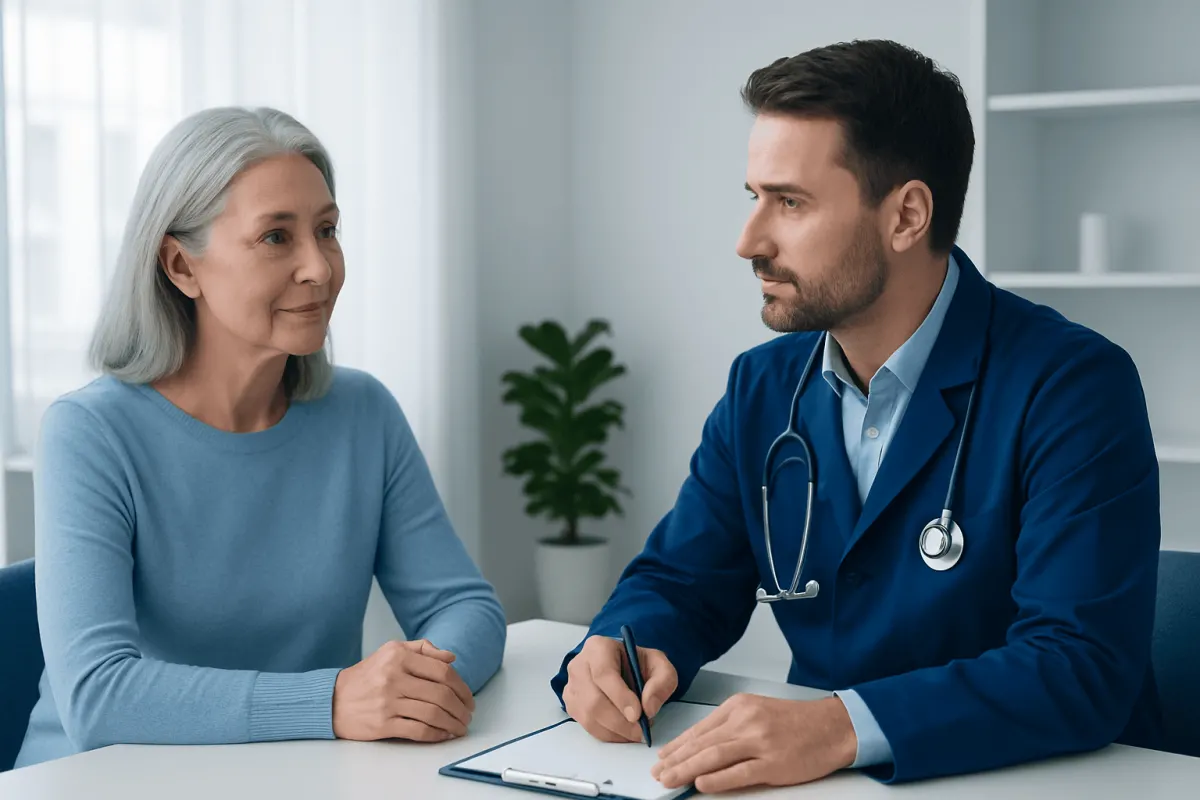
People seeking anti-aging treatment are often healthy adults concerned about skin changes, fatigue, fitness, recovery or age-related health risks. These concerns deserve respectful medical attention, but they do not by themselves establish candidacy for stem cell therapy. A thorough assessment may instead identify treatable contributors such as sleep problems, nutritional deficiencies, hormone disorders, medication effects, depression, Life Expectancy and Chronic Disease: How Conditions Change the Outlook" class="ahp-ilk">chronic disease or skin conditions.
For a stem cell procedure with an established indication, eligibility depends on the diagnosis, disease severity, previous treatments, overall health and likely benefits versus risks. The evaluation may include medical history, examination, blood tests, imaging, organ-function testing and consultations with relevant specialists. For blood-related conditions, clinicians may discuss bone marrow transplantation when it is medically appropriate.
People should be especially cautious if they are pregnant, have an active infection, a bleeding disorder, uncontrolled chronic illness, a history of certain cancers, or take medicines that affect immunity or blood clotting. These factors do not create a universal rule, but they require individualized assessment by a qualified doctor.
- Ask what condition is being treated and what outcome is realistically expected.
- Ask whether the intervention is approved, guideline-supported or offered only in a registered research study.
- Ask where cells come from, how they are processed and how sterility and quality are checked.
- Ask who will manage complications and what follow-up is included.
What a Legitimate Stem Cell Procedure May Involve
The exact procedure differs greatly according to the condition and type of cells used. In an established transplant program, care starts with diagnostic confirmation and detailed planning. The clinical team identifies a suitable cell source, which may be the patient, a related donor, an unrelated donor or stored umbilical cord blood, depending on the indication.
Before transplant, some patients receive conditioning treatment to make room for new blood-forming cells or reduce abnormal immune activity. Stem cells are then given through a vein, similarly to a blood transfusion. They travel to the bone marrow, where they may begin producing new blood cells over time. This is a complex hospital-based treatment with close monitoring, not a wellness infusion.
In contrast, a clinic offering an anti-aging injection should not be assumed to provide equivalent standards of care. A trustworthy program gives written consent information, explains alternatives, documents the product and its handling, screens for contraindications and has a clear emergency plan. It does not pressure a person into same-day treatment or present uncertain results as guaranteed.
Recovery Timeline, Benefits and Risks
Recovery depends on the procedure. A medically indicated blood stem cell transplant may involve a hospital stay, frequent testing and months of follow-up because immune recovery takes time. Short-term effects can include fatigue, nausea, infection risk, bleeding or low blood counts. Some people require rehabilitation, nutrition support and protective measures while the immune system recovers.
Risks from donor-cell transplantation can include graft-versus-host disease, in which donor immune cells react against the recipient’s tissues. Other potential complications include infection, organ effects, infertility and relapse of the underlying condition. The potential benefit can be substantial for the right diagnosis, which is why treatment decisions are made by specialist teams.
For unproven anti-aging injections or infusions, reliable benefits are unknown. Reported risks include contamination and infection, allergic or immune reactions, blood clots, inflammation, worsening of symptoms, abnormal tissue growth and delays in receiving appropriate medical care. “Stem cell anti aging before and after” photographs cannot show whether changes were caused by treatment, how long they lasted, whether other procedures were used, or whether complications occurred.
Skin Products, Activators and Evidence-Based Aging Care
A product marketed as the “best stem cell anti aging cream” is usually a cosmetic product containing plant extracts, conditioned media or ingredients marketed with stem-cell language. It does not contain living human stem cells that integrate into the skin. Some ingredients may moisturize the skin or temporarily improve its appearance, but they should not be presented as a substitute for evidence-based dermatologic care.
Likewise, “best stem cell activators” is a marketing phrase rather than a recognized medical treatment category. Healthy habits can support overall health and skin function, including sun protection, adequate sleep, physical activity, a balanced diet, not smoking and appropriate management of chronic conditions. These measures do not activate a hidden supply of stem cells to reverse aging, but they have stronger support for promoting long-term health.
For skin aging concerns, a dermatologist can discuss options based on the person’s goals, skin type and medical history. Regular broad-spectrum sun protection, gentle skin care and clinically appropriate topical or procedural treatments may be considered. Claims that a product can regenerate all tissues, replace conventional care or produce permanent rejuvenation should be treated with caution.
Celebrity Claims, Countries and Companies: How to Assess Them
Who does Joe Rogan recommend for stem cell therapy? Public comments by celebrities or podcast hosts should not be used as a medical referral. Recommendations can change, may reflect personal experiences rather than clinical evidence, and may not disclose the full diagnosis, treatment details, financial relationships or outcomes. A person considering care should seek independent advice from a licensed specialist and review the regulatory status of any proposed treatment.
Where did Kim Kardashian get stem cells? News reports and social media posts may describe cosmetic or wellness procedures, but these accounts do not establish medical effectiveness, safety, product quality or suitability for another person. It is safer to focus on the exact procedure, its scientific evidence and the qualifications of the treating team than on where a public figure received care.
Which country is the best for stem cell therapy? No country is universally “best.” The safer choice is a regulated healthcare system and an accredited hospital or research center offering a therapy for a recognized medical indication, with transparent oversight, informed consent and follow-up. International patients should also consider travel safety, continuity of care at home, language support, medical records and how complications will be managed after returning.
Which stem cell company is best? A company name alone is not a marker of quality. Patients should look for transparent product information, independent regulatory oversight, published evidence relevant to the exact condition and a clinical team qualified to manage both treatment and complications. Acıbadem Health Point’s multidisciplinary specialists and JCI-accredited hospitals assess and treat eligible international patients for evidence-based stem cell transplant indications.
When to Seek Medical Care
Medical advice is important before considering any stem cell product, especially if there are persistent symptoms such as unexplained fatigue, weight loss, recurrent infections, unusual bruising, joint swelling, neurological symptoms or a new skin lesion. These symptoms may have causes that need timely evaluation and should not be self-treated with wellness injections or supplements.
Urgent medical care is needed after any injection or infusion if a person develops trouble breathing, chest pain, facial swelling, fainting, severe headache, fever, confusion, sudden weakness, severe pain or signs of infection at an injection site. People who have already received an unregulated product should tell their healthcare professional what was administered, where it was given and when symptoms began.
For healthy aging, a primary care doctor can help create an individualized prevention plan that includes screening, vaccination, cardiovascular risk management, sleep, activity, nutrition and mental well-being. A referral to a dermatologist, hematologist, transplant specialist or other clinician may be appropriate when there is a specific medical concern.
Frequently asked questions
01Are there any approved stem cell treatments for anti-aging?
There is no broadly approved stem cell treatment that reverses normal aging or is proven to make healthy people younger. Stem cell therapies are used for selected medical conditions, particularly some blood and immune disorders, under specialist supervision.
02What are the best stem cells for anti aging?
No stem cell type has been established as the best option for anti-aging in healthy people. The appropriate cell type in medicine depends on a specific diagnosis, the evidence for treatment and regulatory approval, not on general wellness claims.
03Are stem cell anti-aging before-and-after photos reliable?
Before-and-after photos are not reliable proof of safety or effectiveness. Lighting, filters, weight change, skin care, cosmetic procedures and selective reporting can all affect what is seen in an image.
04Is a stem cell anti-aging cream effective?
Cosmetic creams marketed with stem-cell terms may moisturize or support the skin barrier, depending on their ingredients. They do not deliver living stem cells into the body or reverse biological aging, and their claims should be evaluated carefully.
05How can a person identify an unsafe stem cell clinic?
Warning signs include promises to treat many unrelated diseases, guaranteed results, celebrity-based promotion, limited discussion of risks, pressure to pay quickly and no clear plan for follow-up. A clinic should be able to explain the product, evidence, regulation and medical oversight in writing.
06Can stem cell therapy be used safely abroad?
Traveling abroad does not automatically make treatment unsafe, but standards and regulation vary. Patients should verify the hospital’s accreditation, clinician qualifications, treatment indication, product oversight and arrangements for follow-up or complications after travel.
This article is for general information only and is not a substitute for professional medical advice. Please consult a qualified doctor about your individual situation.
Explore treatments in Turkey — costs, top hospitals & a free quote
JCI-accredited · board-certified surgeons · reply within 24h
Add us as a Preferred Source to see more of our trusted health content across Google Search, AI Overviews and Discover.