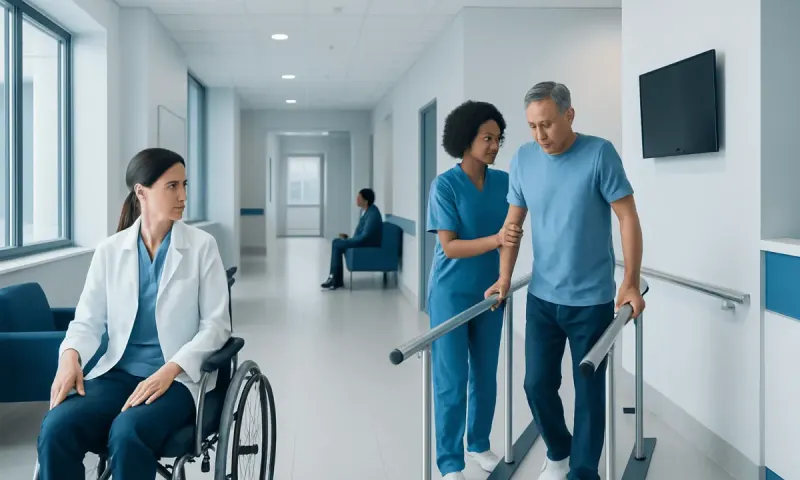
Cerebral Palsy Care Combines Therapy, Devices and Surgery
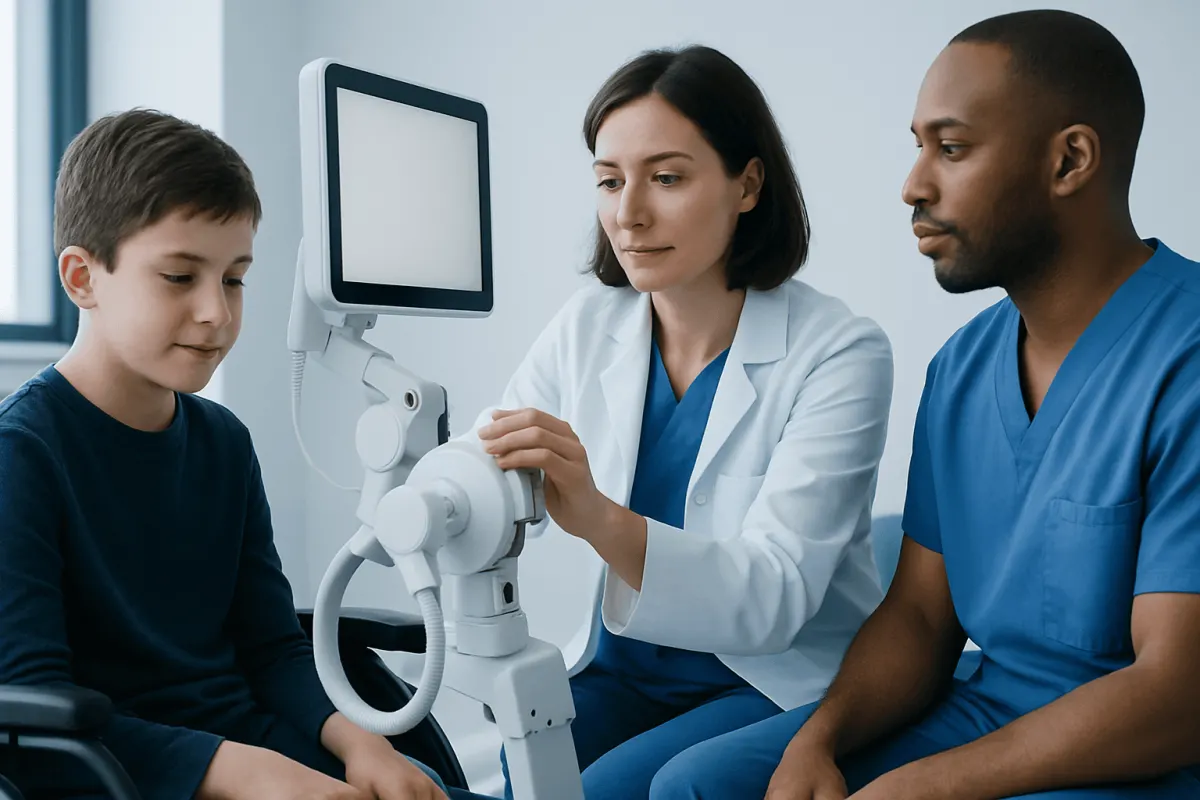
Maybe your child is finding it hard to sit safely, or walking has started to take more effort than it used to. These are the everyday moments that shape what cerebral palsy care looks like for your family.
Treatment is individualized. It usually combines rehabilitation, assistive technology, management of symptoms such as spasticity or pain, and sometimes surgery. Cerebral palsy itself cannot be reversed. But timely, coordinated care can support mobility, communication, comfort, daily function and quality of life throughout life.
Cerebral palsy treatment: how it works
Cerebral palsy treatment works by addressing the effects of an early brain injury on movement, muscle control, posture, communication and everyday activities. It does not repair the original brain injury or remove the diagnosis. Instead, care aims to help the person use their abilities as effectively and comfortably as possible, prevent avoidable complications and support participation at home, school, work and in the community.
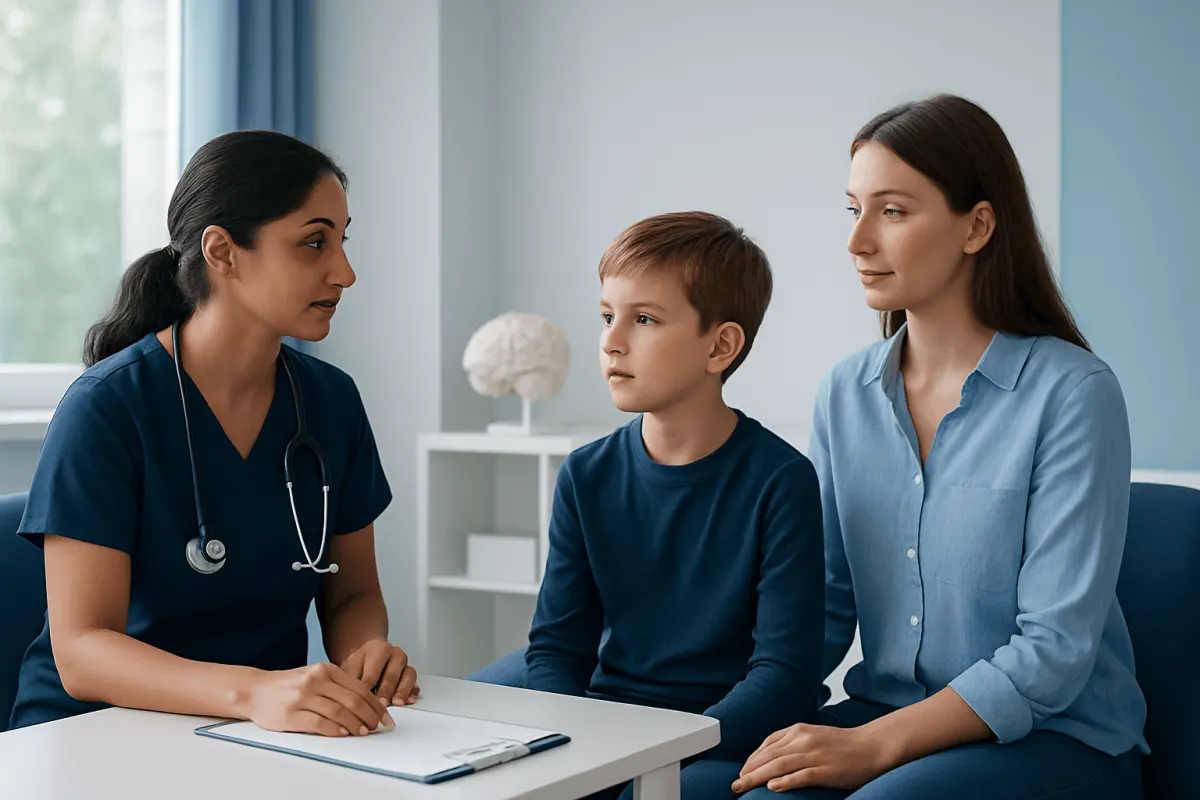
A treatment plan is usually developed by a multidisciplinary team. Depending on the person’s needs, this may include pediatricians or neurologists, rehabilitation physicians, physiotherapists, occupational therapists, speech-language therapists, orthopedic surgeons, neurosurgeons, dietitians, psychologists, nurses and social workers. Parents, caregivers and the person with cerebral palsy are essential members of the team because their priorities guide care.
Goals differ widely. For one child, the priority may be sitting safely, feeding more comfortably or communicating needs. For another, it may be walking with less effort, managing pain, protecting hip health or gaining independence with dressing and school activities. Treatment is reviewed over time because growth, development, changing activities and health needs can alter what is most helpful.
Candidacy and assessment for treatment
Almost everyone with cerebral palsy benefits from some form of support. Still, no single treatment is right for every person. Clinicians first identify the type and distribution of movement difficulty, such as spasticity, dyskinesia, ataxia or mixed patterns. They also consider strength, joint range of motion, balance, pain, vision, hearing, feeding, communication, cognition, sleep and emotional wellbeing.
Assessment commonly includes a detailed developmental and medical history, physical and neurological examination, observation of walking or functional tasks, and discussion of personal goals. Imaging, such as MRI, may have been used during diagnosis. X-rays or other tests may be recommended when clinicians need to assess hip alignment, spinal curvature, swallowing concerns or other complications.
For a procedure, candidacy depends on a clear match between the treatment and the problem being addressed. For example, botulinum toxin injections may be considered for focal muscle overactivity, while orthopedic surgery may be considered when fixed muscle shortening, bone alignment changes, pain or walking difficulties do not respond sufficiently to non-surgical approaches. A specialist should explain expected benefits, alternatives and limitations before any intervention.
Core non-surgical cerebral palsy treatment options
Rehabilitation is the foundation of cerebral palsy treatment. Physiotherapy can help develop movement skills, balance, strength, endurance and safe mobility. It may include task-focused practice, stretching when appropriate, positioning and guidance for walking, transfers or use of mobility equipment. Therapy is most useful when it is connected to meaningful daily activities and continued through routines at home, school or work.
Occupational therapy focuses on independence in activities such as feeding, dressing, bathing, handwriting, play and use of adaptive equipment. Speech-language therapy can support speech clarity, language, alternative and augmentative communication, and swallowing safety. Feeding specialists and dietitians may help when eating is tiring, growth is affected or swallowing difficulties increase the risk of food or liquid entering the airway.
Orthoses, such as ankle-foot braces, seating systems, standing frames, walkers, wheelchairs and communication devices can improve positioning, safety, access and participation. None of these tools mean treatment has failed. Chosen and fitted well, they may conserve energy and increase independence. Family education, psychological support and coordinated school or workplace planning can be equally important parts of comprehensive care.
- Daily stretching or positioning plans may help maintain comfort and range of motion for selected individuals.
- Medication may be used to manage spasticity, dystonia, seizures, reflux, constipation, pain or sleep problems when clinically appropriate.
- Regular monitoring can identify hip displacement, scoliosis, contractures, bone health concerns and nutritional needs early.
Cerebral palsy surgery: step by step, recovery and results
Not everyone with cerebral palsy needs surgery. When recommended, it is typically intended to improve a specific physical problem, such as painful hip displacement, fixed contractures, bone rotation that affects walking, or severe spasticity. Common approaches may include orthopedic procedures to lengthen or reposition muscles and bones, hip reconstruction, spinal surgery for selected cases, and neurosurgical procedures such as selective dorsal rhizotomy or intrathecal baclofen pump placement for carefully evaluated patients.
The process usually begins with multidisciplinary assessment and goal-setting. The team may use gait analysis, physical examination, imaging and therapy reports to determine whether surgery is likely to help. Before the procedure, families receive instructions about anesthesia, medicines, nutrition, mobility arrangements and planned rehabilitation. The operation is performed under anesthesia, with the technique determined by the individual diagnosis and surgical plan.
Recovery varies greatly by procedure and baseline mobility. After surgery, pain control, wound care, safe positioning and early rehabilitation are important. Some people need temporary casts, braces, mobility aids or inpatient rehabilitation. Therapy often becomes more intensive after orthopedic or neurosurgical treatment because the person needs time and practice to adapt to changes in muscle tone, alignment or movement patterns.
Potential benefits include less pain, easier hygiene and positioning, better joint alignment, improved walking efficiency or easier caregiving. Risks depend on the procedure but can include anesthesia reactions, infection, bleeding, wound problems, nerve injury, blood clots, overcorrection or undercorrection, recurrence of deformity, and a recovery that is longer or more demanding than expected. Surgical decisions should be made after a balanced discussion with experienced specialists and should include a clear rehabilitation plan.
What is the best age for CP surgery?
There is no one right age for cerebral palsy surgery. The appropriate timing depends on the type of surgery, the child’s growth and development, the severity and progression of muscle or joint changes, functional goals and overall health. Surgery is generally considered when there is a well-defined problem that is unlikely to improve sufficiently with therapy, braces, medicines or other non-surgical care.
Some procedures are more often considered in childhood, when a child is growing and treatment may help preserve joint alignment or improve mobility. However, clinicians also avoid operating too early when a child’s movement pattern is still changing or when the expected benefit is uncertain. Procedures such as selective dorsal rhizotomy have particularly specific selection criteria, and the decision requires specialized assessment.
For orthopedic surgery, teams often plan around growth, gait development and the presence of fixed contractures or bone changes. In some cases, multiple corrections can be planned together to reduce repeated periods of recovery. Adults with cerebral palsy may also benefit from surgery when pain, joint degeneration, deformity or functional decline affects daily life.
Can a child recover from cerebral palsy? Is cerebral palsy a permanent disability?
A child does not recover from cerebral palsy in the sense of the original brain injury disappearing. Cerebral palsy results from injury or altered development of the immature brain, and this underlying injury is non-progressive. However, a child’s skills, comfort, confidence and independence can improve substantially with development, therapy, supportive technology and appropriate medical care.
Cerebral palsy is usually considered a lifelong disability because its effects on movement and posture may persist. The degree of disability varies widely: some people walk independently and need limited support, while others need ongoing help with mobility, communication, feeding or personal care. A diagnosis says nothing about a person’s intelligence, personality, relationships or potential.
Physical challenges may change over time even though the brain injury does not worsen. Growth can make spasticity, contractures or hip concerns more noticeable in childhood, while adults may experience fatigue, pain, reduced endurance or joint strain. Continuing care can help people adapt to these changes and maintain health and participation.
At what age does cerebral palsy start?
Cerebral palsy begins when the developing brain is injured or develops differently before birth, around the time of birth, or during early infancy. The event causing it may occur before a baby is born, during delivery in a smaller number of cases, or after birth because of conditions such as severe infection, stroke, head injury or lack of oxygen. The movement effects may not be obvious immediately.
Signs are often recognized during infancy or the toddler years as movement skills emerge. These may include unusual stiffness or floppiness, persistent early reflexes, difficulty controlling the head or trunk, favoring one hand unusually early, delayed motor milestones, or problems with feeding and coordination. Some children, especially those with milder symptoms, are diagnosed later.
Early developmental assessment is valuable when caregivers have concerns. Asking for an early evaluation does not mean a diagnosis is certain. It simply helps show whether your child needs monitoring, supportive therapy or additional testing. Early intervention can begin before every diagnostic question is fully resolved when developmental needs are clear.
When to seek medical care
Parents and caregivers should arrange a medical review if a baby or child has delayed motor development, unusual muscle stiffness or floppiness, difficulty using both sides of the body equally, persistent feeding problems, frequent choking, loss of previously acquired skills, or concerns about vision, hearing or communication. A clinician can assess development and refer to appropriate specialists when needed.
People already diagnosed with cerebral palsy should seek medical advice for new or increasing pain, loss of mobility, changes in walking, skin breakdown from pressure, persistent constipation, feeding or swallowing difficulties, worsening sleep, changes in seizure pattern, or concerns about hip or spine alignment. Sudden symptoms, such as a new seizure, severe breathing difficulty, a serious injury or sudden weakness, require urgent medical assessment.
Acıbadem Health Point’s multidisciplinary specialists and JCI-accredited hospitals provide assessment, rehabilitation planning and surgical care for international patients with cerebral palsy. A qualified team can help families understand options, set practical goals and coordinate follow-up across the stages of care.
Frequently asked questions
01What treatments are available for cerebral palsy?
Treatment may include physiotherapy, occupational therapy, speech-language therapy, assistive devices, medicines, injections and selected surgical procedures. The most suitable combination depends on movement difficulties, age, health needs and individual goals. Care plans are reviewed regularly as needs change.
02Can cerebral palsy get worse with age?
The brain injury that causes cerebral palsy does not progressively worsen. However, its physical effects may change with growth, activity demands, pain, fatigue, joint strain or reduced mobility. Ongoing monitoring and support can help manage these changes.
03Is surgery always needed for spastic cerebral palsy?
No. Many people manage spasticity with therapy, positioning, braces, medicines or focal injections. Surgery may be considered only when a specific problem, such as fixed contractures, painful joint changes or severe spasticity, is affecting function or comfort and other options are not enough.
04How long does recovery take after cerebral palsy surgery?
Recovery depends on the procedure, the person's health and their baseline mobility. Initial healing may take weeks, while rehabilitation and adjustment to new movement patterns can continue for months. The surgical team should provide a personalized recovery and therapy plan.
05Can adults with cerebral palsy benefit from treatment?
Yes. Adults may benefit from rehabilitation, pain management, mobility assessment, assistive technology, treatment for spasticity and, in selected situations, surgery. Adult care often focuses on maintaining independence, managing fatigue and pain, and protecting joint and bone health.
06What is the role of parents and caregivers in treatment?
Parents and caregivers help identify meaningful goals, support therapy strategies in daily routines and monitor changes in comfort or function. They also provide important information about how treatments affect life at home, school and in the community. Care plans are usually most effective when they are practical for the family.
This article is for general information only and is not a substitute for professional medical advice. Please consult a qualified doctor about your individual situation.
Joint and spine care in Turkey — expert assessment & treatment
JCI-accredited · board-certified surgeons · reply within 24h
Add us as a Preferred Source to see more of our trusted health content across Google Search, AI Overviews and Discover.