Capgras Syndrome: Symptoms, Causes and Treatment

Key Takeaways
- Capgras syndrome is not a stand-alone diagnosis in most cases; it is usually a symptom of another medical or psychiatric condition.
- A person with Capgras syndrome may recognize faces visually but still feel that a loved one has been replaced by an impostor.
- Diagnosis depends on medical, neurological, and mental health assessment, often with imaging or lab tests to look for underlying causes.
- Treatment generally combines care for the underlying condition, supportive communication, and sometimes medication.
- A calm, non-confrontational approach can help reduce distress for both the person affected and family members.
Capgras syndrome is a rare delusional misidentification condition in which a person believes a familiar individual has been replaced by an identical-looking impostor. It is usually linked to an underlying neurological or psychiatric disorder, so evaluation focuses on finding and treating the root cause.
Overview
Capgras syndrome is a rare and striking belief in which someone becomes convinced that a familiar person, most often a spouse, parent, child, or close caregiver, has been replaced by an identical impostor. The face may look correct, yet it no longer feels emotionally familiar. That disconnect can be deeply unsettling for everyone involved.
Clinically, Capgras syndrome is described as a delusional misidentification syndrome. In other words, the person’s brain is misinterpreting recognition in a very specific way. It is usually associated with another condition rather than appearing on its own, which is why doctors look carefully for neurological, psychiatric, or medical explanations.
For international patients, the experience can be especially confusing because symptoms may emerge during travel, after a stroke or infection, or in the setting of an established mental health condition. Understanding that this belief is a symptom — not a character flaw or a sign of deliberate rejection — helps families seek the right assessment sooner and respond with less conflict.
Symptoms
The hallmark sign is the fixed belief that a familiar person has been replaced by an identical double. The person may say the loved one looks right but does not feel right, or that a “copy” is living in the home. This belief is usually persistent and can be difficult to reassure away with logic alone.
Other features may appear alongside the delusion, especially when the syndrome is linked to dementia, delirium, psychosis, or a brain injury. These can include anxiety, irritability, suspicion, agitation, withdrawal, sleep changes, confusion about time or place, and broader memory or thinking problems.
- Belief that a close relative or caregiver is an impostor
- Reduced emotional recognition despite visual recognition
- Distress, fear, or mistrust toward the “impostor”
- Possible coexisting hallucinations, memory loss, or confusion
Symptoms can fluctuate. Some people show the belief only during periods of stress, illness, or worsening cognitive problems, while others experience it more consistently. Because the presentation may overlap with other conditions, a full assessment is important.
Causes & Risk Factors

Capgras syndrome is thought to arise when the brain’s systems for face recognition and emotional familiarity do not work together as expected. A person may identify a face correctly but fail to generate the usual sense of emotional recognition, creating a disturbing sense that something is “off.” The mind may then explain the mismatch by constructing the impostor belief.
This pattern can occur in several settings. It is seen in some psychiatric illnesses, but it is also associated with neurological conditions that affect brain structure or function. Examples include dementia, Parkinson’s disease, stroke, After the Initial Recovery" class="ahp-ilk">traumatic brain injury, epilepsy, and other disorders that alter perception, memory, or judgment.
Risk may be higher when there is a history of psychosis, cognitive decline, brain disease, or acute confusion from infection, dehydration, medication effects, or metabolic problems. In older adults, a sudden change in behavior should always prompt a medical review, since delirium or a new neurological issue may be the underlying trigger.
Diagnosis
Diagnosis begins with a careful conversation about what the person is experiencing, when the belief started, and whether there are other changes in memory, mood, behavior, or physical health. Doctors usually speak with both the patient and family members or caregivers, because the belief itself may make it hard for the person to describe events clearly.
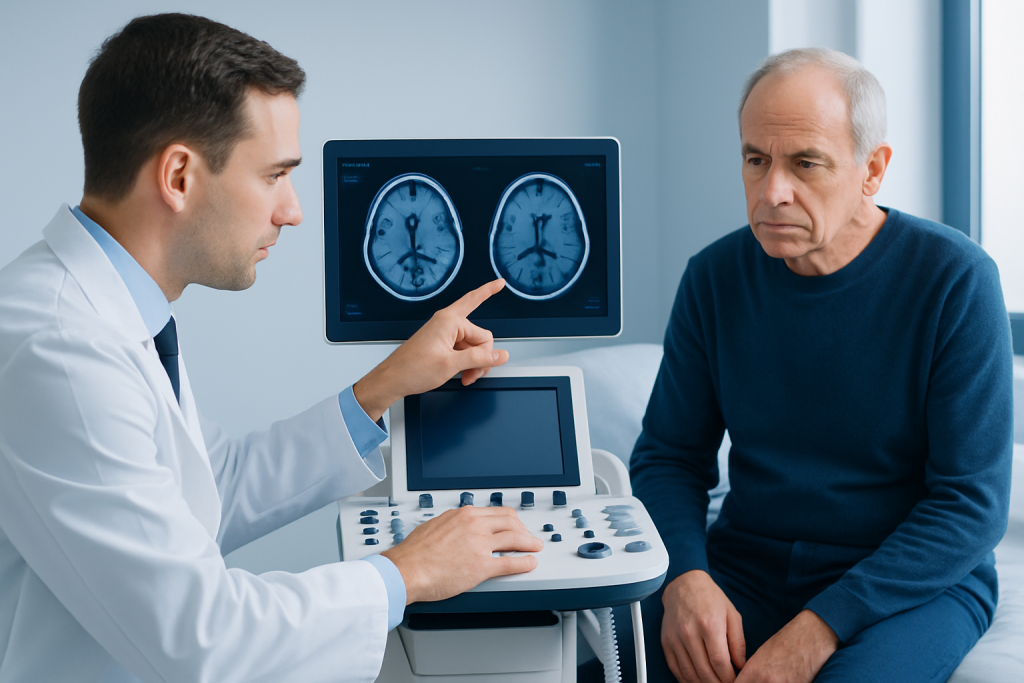
There is no single test that confirms Capgras syndrome. Instead, clinicians work to identify the underlying condition. This may involve a neurological examination, mental status assessment, blood tests, review of medications, and brain imaging such as CT or MRI when appropriate. In some cases, additional testing is needed to look for dementia, seizure activity, infection, or other medical causes.
The diagnostic process is often practical and stepwise: first determine whether the symptom reflects delirium, psychosis, dementia, or a focal brain problem, then tailor treatment to the cause. For families seeking care across borders, bringing a written timeline, medication list, and any prior scans or discharge summaries can make the evaluation more efficient.
Treatment Options
Treatment focuses on the cause rather than on the delusion alone. If the symptom is linked to delirium, infection, medication side effects, or a metabolic imbalance, addressing that problem may lessen or resolve the belief. If it occurs in dementia or another chronic neurological disorder, management usually aims to reduce distress, improve safety, and treat associated symptoms.
Medication may be used in some cases, especially when psychosis, severe agitation, or another psychiatric condition is present. The choice of medicine depends on the full clinical picture, age, other illnesses, and potential side effects. Because Capgras syndrome can appear in vulnerable patients, treatment should always be individualized and supervised by a qualified clinician.
Supportive strategies are equally important. A calm tone, simple language, and avoiding direct argument about the impostor belief can help. Caregivers are often coached to focus on reassurance and safety rather than trying to “win” the discussion. In more complex cases, care from neurology, psychiatry, and rehabilitation teams may be useful, especially if the person is recovering after a stroke, brain injury, or hospitalization.
- Treat the underlying medical or neurological condition
- Review medications and possible side effects
- Use psychiatric treatment when indicated
- Support caregivers with practical communication strategies
Prevention & Self-care
There is no guaranteed way to prevent Capgras syndrome, because it usually reflects an underlying brain or mental health condition. Still, the risk of worsening confusion may be reduced by managing chronic illnesses well, taking medications as prescribed, and seeking prompt care for infection, dehydration, head injury, or sudden changes in thinking.
For families and caregivers, self-care is part of treatment. Living with a loved one who is convinced you are an impostor can be emotionally draining, so it helps to set up support early. Rest, respite, and guidance from the care team can make it easier to respond consistently and calmly.
Practical habits often help at home and during travel or recovery abroad:
- Keep routines predictable when possible
- Reduce noise, clutter, and overstimulation
- Use familiar objects, photos, and voices when appropriate
- Keep medications, glasses, hearing aids, and sleep schedules organized
- Seek help early if confusion suddenly worsens
When a patient is traveling internationally for treatment, a clear follow-up plan matters. Families should know who to contact after discharge, how medications will be monitored, and what symptoms should prompt urgent reassessment once they return home.
When to See a Doctor
Medical evaluation is important whenever a person develops a sudden fixed belief that a loved one is an impostor, especially if the change is new, worsening, or accompanied by confusion. This is particularly true in older adults, after head injury, after a stroke, or when there are signs of delirium such as fluctuating attention and disorientation.
Urgent assessment is also advisable if there is aggression, refusal to eat or drink, inability to care for oneself, hallucinations, fever, or a rapid change in behavior. These features may suggest an acute medical problem that needs prompt treatment.
Families do not need to decide the cause before seeking help. A doctor can sort through neurological, psychiatric, and medical possibilities and recommend the next steps. For international patients, multidisciplinary specialists and JCI-accredited hospitals such as Acibadem Health Point can help diagnose and treat this condition in a coordinated way.
Living With Capgras Syndrome
Living with Capgras syndrome often means managing two challenges at once: the person’s distress and the family’s need for steady, practical support. Progress is usually measured by reduced fear, fewer crises, and better day-to-day functioning rather than by an immediate disappearance of the belief.
Communication tends to work best when it stays respectful and brief. Arguing about whether the person is “right” often increases distress, while acknowledging feelings without endorsing the delusion can keep the interaction safer. Care plans should also include guidance for visiting relatives, since unfamiliar faces and disrupted routines can intensify suspicion.
Because the condition frequently sits within a broader neurological or psychiatric picture, ongoing follow-up is often necessary. That follow-up may include medication monitoring, cognitive assessment, therapy, caregiver coaching, and review of any new symptoms that could signal a change in the underlying disease.
Frequently asked questions
01Is Capgras syndrome a mental illness on its own?
Capgras syndrome is usually considered a symptom or syndrome rather than a stand-alone illness. It is often linked to an underlying neurological, psychiatric, or medical condition that needs to be identified and treated.
02Can the person with Capgras syndrome recognize a face normally?
Yes, in many cases the person can visually recognize the face but no longer feels the usual emotional sense of familiarity. That mismatch is part of what makes the impostor belief so convincing to them.
03Does Capgras syndrome happen only in older adults?
No, although it is often discussed in connection with dementia and other conditions more common in older age. It can also appear with psychosis, brain injury, epilepsy, or other neurological problems in younger people.
04How should family members respond during an episode?
It is usually best to stay calm, avoid arguing, and focus on reassurance and safety. Short, simple statements and a predictable environment are often more helpful than trying to force agreement.
05Can Capgras syndrome get better?
It may improve if the underlying cause is treated, such as delirium, infection, medication effects, or another reversible problem. In chronic conditions, symptoms may lessen with appropriate medical and psychiatric support even if they do not disappear completely.
06What tests might a doctor order?
A doctor may use a neurological exam, mental status assessment, blood tests, medication review, and brain imaging such as CT or MRI. Additional tests may be recommended depending on whether dementia, seizure activity, or another condition is suspected.
This article is for general information only and is not a substitute for professional medical advice. Please consult a qualified doctor about your individual situation.
Explore treatments in Turkey — costs, top hospitals & a free quote
JCI-accredited · board-certified surgeons · reply within 24h
Add us as a Preferred Source to see more of our trusted health content across Google Search, AI Overviews and Discover.