Parkinsonian Syndrome: Symptoms, Diagnosis, and Care
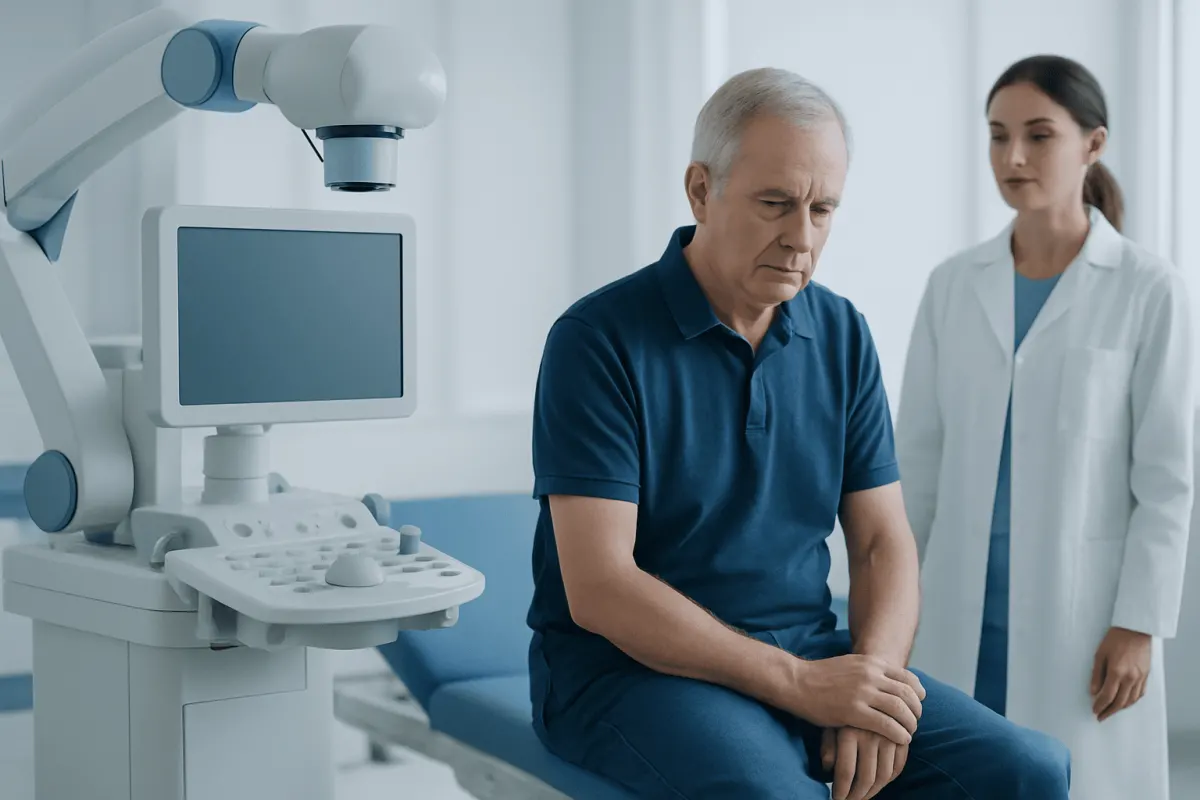
Parkinsonian syndrome is a clinical term for a pattern of movement symptoms, especially slowness of movement, often accompanied by tremor, muscle stiffness, or impaired balance. It has several possible causes, so a careful neurological assessment is important to clarify the diagnosis, guide treatment, and plan supportive care.
Parkinsonian syndrome: what it means
Parkinsonian syndrome, also called parkinsonism, describes a recognizable group of movement symptoms rather than one specific disease. The core feature is bradykinesia, meaning movements become slower and may be smaller or more difficult to start. It may occur alongside resting tremor, muscle stiffness, reduced facial expression, softer speech, shuffling steps, or difficulties with posture and balance.
Parkinson’s disease is the best-known and most common cause of parkinsonism. However, not everyone with parkinsonian symptoms has Parkinson’s disease. Similar symptoms may result from certain medicines, small-vessel changes in the brain, head injury, or less common neurodegenerative conditions sometimes called atypical parkinsonism.
Because causes, progression, and responses to treatment differ, identifying the most likely cause matters. A neurologist, particularly one with experience in movement disorders, can assess the pattern of symptoms over time and develop an individualized care plan.
Symptoms and daily-life changes
Symptoms commonly develop gradually. Slowness may be noticed when fastening buttons, writing, using cutlery, rising from a chair, or beginning to walk. Handwriting may become smaller, arm swing may reduce on one side, and turning can take several small steps. A tremor that occurs when a hand is relaxed is common, but some people with parkinsonism do not have tremor.
Stiffness can cause discomfort and limit movement in the neck, shoulders, hips, or limbs. As symptoms progress, some people experience freezing of gait, when the feet feel briefly stuck to the floor, particularly while turning, walking through narrow spaces, or feeling rushed. Changes in balance can increase the risk of falls.
Non-movement symptoms can also affect wellbeing. These may include constipation, sleep disturbance, fatigue, low mood, anxiety, urinary urgency, reduced sense of smell, or problems with thinking and attention. Such symptoms are not specific to parkinsonism, but discussing them helps the clinical team provide more complete care.
- Symptoms affecting one side more than the other are often seen early in Parkinson’s disease.
- Early, frequent falls, marked blood-pressure changes on standing, eye-movement difficulties, or rapid worsening may suggest another cause and deserve specialist review.
- Symptoms can fluctuate during the day and may be influenced by stress, tiredness, infection, or medication timing.
Causes and risk factors

Parkinson’s disease is a progressive neurological condition in which brain cells involved in dopamine signaling are gradually affected. Dopamine helps coordinate smooth, purposeful movement. The cause is usually multifactorial, involving age, genetic susceptibility, and environmental influences that are still being researched. Most cases are not directly inherited.
Drug-induced parkinsonism can occur with medicines that block dopamine signaling, including some antipsychotic medicines and medications used for nausea. It can resemble Parkinson’s disease but often affects both sides of the body more similarly. Symptoms may improve after a prescribing clinician safely adjusts treatment, although improvement can take time. Medicines should never be stopped without medical advice.
Other causes include vascular parkinsonism, associated with small strokes or reduced blood flow in the brain, and atypical neurodegenerative disorders such as multiple system atrophy, progressive supranuclear palsy, and corticobasal syndrome. These conditions can have additional features and may respond differently to standard Parkinson’s medicines. Previous brain injury, certain metabolic disorders, and rarely structural brain conditions may also be considered.
How clinicians diagnose parkinsonism
There is no single blood test that confirms Parkinson’s disease or all forms of parkinsonian syndrome. Diagnosis begins with a detailed history: when symptoms started, how they have changed, which body areas are involved, current and previous medicines, family history, falls, sleep concerns, and non-movement symptoms. Input from a family member or caregiver can be helpful, as subtle changes may be easier for them to observe.
During the neurological examination, the clinician assesses speed and size of movements, muscle tone, tremor, walking, balance, coordination, eye movements, reflexes, and cognition where appropriate. Follow-up appointments are often valuable because the pattern of symptoms and response to treatment may become clearer over time.
Tests may be used to rule out other explanations or to support the clinical assessment. Depending on the situation, these can include blood tests, magnetic resonance imaging (MRI), or other specialized imaging. Dopamine transporter imaging may help distinguish degeneration of dopamine-producing nerve pathways from some mimicking conditions, but it does not by itself identify every cause of parkinsonism.
A precise diagnosis can sometimes take time, particularly early in the condition. This uncertainty can be difficult, but regular monitoring allows the care team to revise the working diagnosis and treatment plan as new information becomes available.
Modern treatment approaches and rehabilitation
Treatment is based on the underlying cause, symptoms, overall health, work and home needs, and personal goals. For Parkinson’s disease, medicines that improve dopamine signaling can reduce slowness, stiffness, and tremor for many people. The choice and timing of medication are individualized, and clinicians monitor benefits and possible effects such as nausea, sleepiness, involuntary movements, or changes in blood pressure.
For medication-induced parkinsonism, the central approach is a careful medication review with the clinician who prescribed the medicine. For vascular parkinsonism, management may include reducing stroke and cardiovascular risk factors alongside rehabilitation. In atypical parkinsonism, treatment often focuses on maintaining mobility, communication, swallowing safety, sleep, mood, and independence, even when response to dopamine-based medicines is limited.
Rehabilitation is an important part of care at every stage. Physiotherapy can address walking, posture, strength, balance, and fall prevention. Occupational therapy can suggest practical adaptations for dressing, cooking, writing, work, and home safety. Speech and language therapy may help with quiet speech, communication strategies, swallowing, and saliva control. Physical therapy and rehabilitation can be tailored to the person’s changing abilities and goals.
For selected people with Parkinson’s disease whose symptoms are no longer consistently controlled with medication, advanced therapies may be considered through a specialist movement-disorders team. These can include infusion-based therapies or deep brain stimulation, which uses implanted electrodes to regulate specific brain circuits. These options are not suitable for every type of parkinsonism and require thorough assessment.
Living well: self-care, safety, and support
Regular physical activity is one of the most helpful self-management measures for many people with parkinsonism. Depending on individual ability and safety, walking, cycling, stretching, strength work, tai chi, dance, and balance exercises may support mobility, confidence, sleep, and mood. A physiotherapist can recommend an appropriate program, especially for people with falls, freezing, pain, or significant balance problems.
Practical strategies can make everyday activities easier. Allowing extra time, breaking a movement into steps, using visual or rhythm cues for freezing, wearing supportive footwear, and keeping pathways clear may reduce stress and fall risk. Home modifications, such as grab rails, improved lighting, and a shower chair, can be useful when needed.
A balanced diet with adequate fluids and fiber may help constipation, unless a clinician has advised fluid or dietary restrictions. Sleep, mood, and social connection also deserve attention. Support from family, caregiver education, patient organizations, counseling, and community rehabilitation can help people adapt while maintaining independence.
It is useful to keep a record of symptoms, falls, medication timing, and any side effects. This can help identify patterns and support informed conversations during appointments. Changes to prescribed medication should always be discussed with a qualified healthcare professional.
When to seek medical care
A person should arrange a medical assessment for new tremor, increasing stiffness, slowed movement, shuffling gait, reduced arm swing, or unexplained changes in balance. Early evaluation can identify potentially reversible causes, including medication effects, and provide timely access to supportive therapies.
More urgent medical attention is appropriate for sudden weakness, facial drooping, speech difficulty, sudden severe confusion, a sudden major change in walking, or a severe headache, as these can be signs of a stroke or another urgent neurological problem. Emergency care is also appropriate after a serious fall, head injury, choking episode, or loss of consciousness.
Contact a healthcare professional promptly if falls become frequent, swallowing becomes difficult, weight loss develops, hallucinations appear, blood pressure symptoms cause fainting, or daily activities are becoming unsafe. A multidisciplinary assessment can address these concerns with practical treatment and support.
Acıbadem Health Point’s multidisciplinary specialists and JCI-accredited hospitals assess and treat parkinsonian syndromes for international patients, coordinating neurological evaluation, rehabilitation, and ongoing symptom management when appropriate.
Frequently asked questions
01Is parkinsonian syndrome the same as Parkinson's disease?
No. Parkinsonian syndrome refers to a set of movement symptoms, including slow movement, stiffness, tremor, and balance changes. Parkinson's disease is the most common cause, but medicines, vascular changes, and several other neurological conditions can also cause parkinsonism.
02Can parkinsonian syndrome be cured?
Whether symptoms can improve depends on the cause. Medication-induced parkinsonism may improve after a clinician safely changes the responsible medicine, while progressive neurological causes generally require long-term symptom management. Treatment, rehabilitation, exercise, and supportive care can often improve daily function and quality of life.
03How is parkinsonian syndrome diagnosed?
Diagnosis is primarily based on a medical history and detailed neurological examination. A clinician may also request blood tests or brain imaging to rule out other causes and may use specialized imaging in selected cases. Follow-up over time is often important because symptom patterns can evolve.
04Does everyone with parkinsonism have a tremor?
No. Tremor is common but not essential for a diagnosis of parkinsonism. Some people mainly experience slowness, stiffness, changes in walking, reduced facial expression, or balance difficulties.
05Can exercise help parkinsonian symptoms?
Regular, appropriately chosen exercise can support mobility, strength, balance, sleep, and mood. The safest type and intensity depend on symptoms, falls risk, and other health conditions, so guidance from a clinician or physiotherapist can be valuable.
06What symptoms need urgent assessment?
Sudden weakness, facial drooping, difficulty speaking, abrupt confusion, or a sudden major change in walking require urgent assessment because they may indicate stroke or another emergency. Serious falls, head injury, choking, fainting, or rapidly worsening swallowing problems should also be assessed promptly.
This article is for general information only and is not a substitute for professional medical advice. Please consult a qualified doctor about your individual situation.
Joint and spine care in Turkey — expert assessment & treatment
JCI-accredited · board-certified surgeons · reply within 24h
Add us as a Preferred Source to see more of our trusted health content across Google Search, AI Overviews and Discover.