Brain Bleed Symptoms: Causes and Treatment

Key Takeaways
- Brain bleed symptoms often begin suddenly and may include a severe headache, vomiting, weakness, confusion, or trouble speaking.
- Not all brain bleeds feel the same; the symptoms depend on where the bleeding is and how fast it develops.
- High blood pressure, head injury, blood-thinning medicines, and certain brain vessel problems can raise the risk.
- Diagnosis usually relies on urgent brain imaging, especially CT or MRI, along with a neurological examination.
- Treatment may involve close monitoring, medicines, reversal of blood thinners, or surgery depending on the cause and size of the bleed.
- Anyone with suspected brain bleed symptoms should seek emergency medical care without delay.
A brain bleed is a medical emergency that can develop quickly and change the way a person speaks, moves, sees, or thinks. Recognizing the symptoms early and getting urgent care can help protect the brain and guide treatment.
Overview
Brain bleed symptoms can appear with little warning, and the first changes are often the ones people notice in daily life: a Neurology May Be Urgently Needed" class="ahp-ilk">sudden severe headache, confusion, weakness on one side, or speech that does not sound normal. A brain bleed, also called intracranial hemorrhage, means bleeding occurs inside or around the brain and can pressure delicate tissue.
Because the brain controls movement, language, memory, and alertness, even a small amount of bleeding can cause noticeable problems. Some bleeds begin after an injury, while others happen spontaneously, including in people who did not know they were at risk.
For international patients deciding whether to travel for care, the most important first step is not the destination but the timing. Suspected brain bleed symptoms should be treated as an emergency wherever the person is, and local emergency services should be contacted immediately before considering any transfer.
Symptoms
The symptom pattern depends on where the bleeding occurs, how quickly it spreads, and whether it raises pressure inside the skull. In many cases, symptoms begin abruptly and worsen over minutes to hours, although slower bleeds can also happen.
Common warning signs include:
- A sudden, very severe headache, sometimes described as unusual or different from past headaches
- Nausea or vomiting without another clear cause
- Weakness, numbness, or clumsiness on one side of the body
- Difficulty speaking, understanding speech, or finding words
- Blurred vision, double vision, or loss of part of the visual field
- Dizziness, trouble walking, or poor balance
- Confusion, drowsiness, or behavior changes
- Seizures in some cases
If the bleed follows head trauma, symptoms may also include a period of feeling well followed by worsening headache, sleepiness, or vomiting. In older adults, family members may notice subtle changes first, such as unusual forgetfulness, slower responses, or an unsteady walk.
Any combination of these symptoms, especially when sudden, deserves emergency evaluation. It is safer to assume the problem is serious until a doctor has ruled out bleeding or another urgent brain condition.
Causes & Risk Factors

Brain bleeding can happen for several reasons. A After the Initial Recovery" class="ahp-ilk">traumatic brain injury from a fall, car accident, or blow to the head is one of the most familiar causes, but spontaneous bleeding can also occur when a blood vessel breaks without a clear injury.
Common causes and risk factors include:
- High blood pressure, especially when long-standing or poorly controlled
- Head injury, even if the impact seemed minor at first
- Use of blood thinners or certain antiplatelet medicines
- Brain aneurysms or abnormal blood vessels
- Blood clotting disorders
- Heavy alcohol use
- Older age, which can increase vulnerability of blood vessels
- Prior stroke or previous brain bleeding
Some people also have a higher risk because of medical conditions that weaken blood vessels, such as amyloid angiopathy in older adults. Others may be at increased risk during travel because they delay care, are far from familiar doctors, or try to self-treat a sudden headache that does not improve.
Risk factors do not guarantee a brain bleed will happen, but they help doctors decide how urgently to evaluate symptoms and what kind of imaging or testing is needed.
Diagnosis
When a brain bleed is suspected, doctors usually move quickly. A neurological examination can show whether the person is alert, how well they move, and whether speech, vision, or balance are affected.
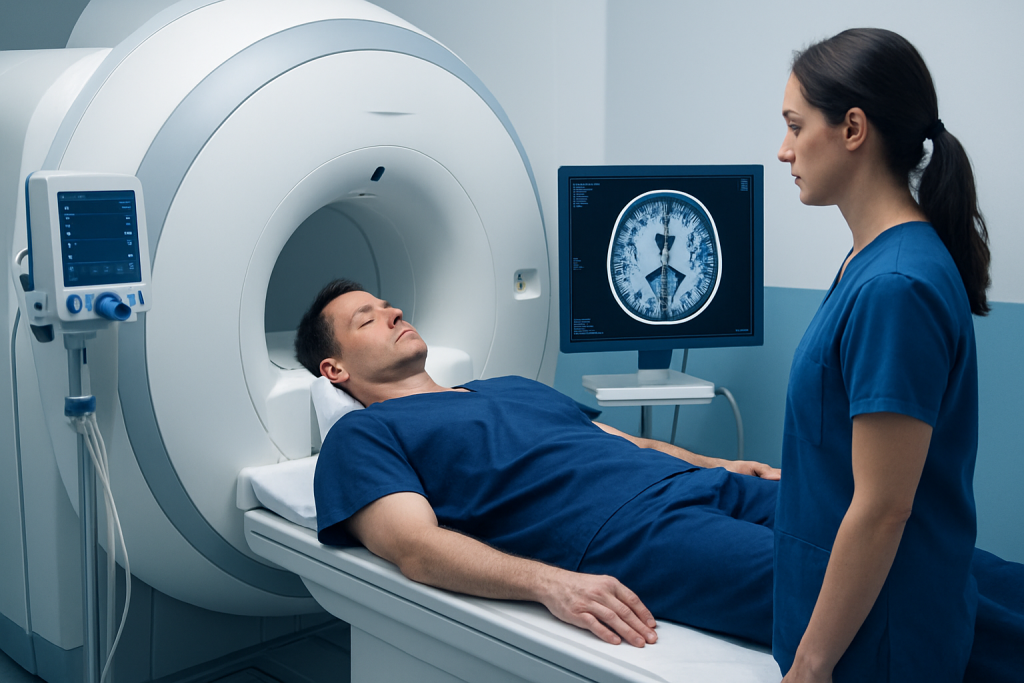
Imaging is the key step. A non-contrast CT scan is often the first test because it is fast and can detect many kinds of bleeding promptly. MRI may be used for more detail, or later in the evaluation, depending on the situation.
Doctors may also order blood tests to check clotting, platelet levels, kidney function, or medication effects, especially if the person uses blood thinners. In selected cases, they may perform angiography or other vascular studies to look for aneurysms or abnormal vessels.
For patients arriving from another country, carrying a medication list, prior brain scans, or a short medical summary can help the team move faster. If there is no time to gather documents, emergency care should still begin immediately.
Treatment Options
Treatment depends on the type of bleed, its size, the location, and whether it is causing pressure or neurological decline. Some small bleeds can be managed in a hospital with close observation, repeated examinations, and follow-up imaging.
Common treatment approaches include:
- Careful monitoring in the emergency department, stroke unit, or intensive care setting
- Medicines to control blood pressure when appropriate
- Reversal of blood thinners, if they are contributing to the bleed
- Treatment for seizures if they occur
- Surgery or minimally invasive procedures in selected cases to relieve pressure, remove a clot, or treat the bleeding source
Supportive care is also important. This may include managing oxygen levels, fluid balance, fever, and swallowing safety. When brain swelling or increased pressure is a concern, doctors may use additional therapies to protect brain tissue.
Recovery often continues after the emergency phase. Some patients need rehabilitation for speech, strength, coordination, cognition, or daily activities. When care is received away from home, follow-up planning matters as much as the hospital treatment itself, because recovery can require repeat visits, medication adjustments, and therapy coordination after the trip.
Prevention & Self-care
Not every brain bleed can be prevented, but several habits lower risk and support brain health. The most useful step for many people is keeping blood pressure in a healthy range, since uncontrolled hypertension is a major contributor to spontaneous bleeding.
Practical prevention measures include:
- Taking prescribed medicines as directed and not stopping blood thinners without medical advice
- Attending follow-up visits for blood pressure, heart rhythm, and clotting issues
- Using seat belts, helmets, and fall-prevention strategies to reduce head injury risk
- Limiting alcohol use if advised by a doctor
- Seeking medical review for repeated headaches, fainting, or balance problems
After a brain bleed, self-care usually means following the discharge plan closely, resting as advised, avoiding risky activities until cleared, and watching for new symptoms. It can also mean arranging practical support at home or during travel, such as help with medications, mobility, and communication if speech or memory has been affected.
Patients returning to another country should leave with clear instructions on warning signs, medication changes, and the timing of follow-up imaging or specialist review. A well-organized handoff can make recovery safer and less stressful.
When to See a Doctor
Brain bleed symptoms should never be watched at home to see if they improve. Emergency evaluation is warranted for any sudden severe headache, new weakness, speech difficulty, confusion, seizure, collapse, or symptoms after a head injury.
Immediate care is especially important if the person is taking anticoagulants, has very high blood pressure, is older, or has a known aneurysm or prior stroke. Even if symptoms ease temporarily, the underlying problem can still be serious and may worsen again.
If the person is already in a hospital or traveling, alert the nearest emergency team right away and share any available medication names, recent falls, and prior neurological history. Acibadem Health Point’s multidisciplinary specialists and JCI-accredited hospitals diagnose and treat brain bleed cases for international patients, with coordinated care that supports urgent treatment and follow-up.
After the emergency is handled, ongoing review with a neurologist or neurosurgeon helps determine the cause and reduce the risk of another bleed.
Living After a Brain Bleed
Recovery after a brain bleed can be gradual. Some people return to most of their routines, while others need longer-term therapy or support with speech, memory, or movement. The exact path depends on how much bleeding occurred and which part of the brain was involved.
Families often find that the first weeks are about small, practical steps: safe walking, regular medication use, rest, and predictable follow-up. Doctors may recommend rehabilitation, repeat imaging, and lifestyle changes that lower the chance of another event.
When recovery spans borders, it helps to think in terms of continuity rather than one appointment. A clear plan for rehabilitation, follow-up, and emergency warning signs can make care smoother once the patient is back home.
Frequently asked questions
01What are the most common brain bleed symptoms?
The most common symptoms include a sudden severe headache, weakness or numbness on one side, confusion, vomiting, vision changes, and trouble speaking. Some people also develop drowsiness, balance problems, or a seizure. The exact pattern depends on where the bleeding is located.
02Can a brain bleed happen without head injury?
Yes. Brain bleeding can occur spontaneously, especially in people with high blood pressure, blood vessel abnormalities, clotting disorders, or those taking blood thinners. A sudden neurological symptom pattern should still be treated urgently even if there was no trauma.
03How is a brain bleed different from a stroke?
A brain bleed is one type of stroke, called a hemorrhagic stroke. Another type is an ischemic stroke, which happens when blood flow is blocked rather than bleeding. Both are emergencies, but the treatment approach differs.
04Is a headache always a sign of brain bleeding?
No, most headaches are not caused by brain bleeding. However, a very sudden, severe, or unusual headache, especially when paired with vomiting, weakness, or confusion, should be checked right away. It is the combination and severity of symptoms that matters most.
05What should a family member do first if brain bleed symptoms start?
Call emergency services immediately and do not drive the person yourself unless local guidance clearly supports it. Keep track of the time symptoms started, the medicines the person takes, and any recent injury. If the person becomes drowsy or stops responding, tell the dispatcher right away.
06Can people recover after a brain bleed?
Many people do recover, but the outlook depends on the cause, size, and location of the bleed, as well as how quickly treatment begins. Rehabilitation, medication management, and follow-up care often play an important role in recovery. A doctor can give the most accurate guidance based on the individual case.
This article is for general information only and is not a substitute for professional medical advice. Please consult a qualified doctor about your individual situation.
Persistent digestive symptoms? Get evaluated in Turkey
JCI-accredited · board-certified surgeons · reply within 24h
Add us as a Preferred Source to see more of our trusted health content across Google Search, AI Overviews and Discover.