Cancer Lumps on the Shoulder: Signs to Assess

Cancer lumps on shoulder are uncommon, and most lumps in this area are caused by noncancerous conditions such as lipomas, cysts, inflammation, or muscle and joint changes. However, a lump that is new, enlarging, firm, deep, painful, or persistent should be assessed by a qualified clinician to identify its cause safely.
Overview: can a shoulder lump be cancer?
Cancer lumps on shoulder are possible, but they are not the most common explanation for a lump in this location. Many shoulder lumps are harmless, including fatty growths called lipomas, skin cysts, swollen tissue after an injury, or bony prominence related to the joint. A clinical assessment is the only reliable way to distinguish these from less common serious causes.
A lump may develop in the skin, fatty tissue, muscle, connective tissue, bone, or nearby lymph nodes. Cancer can begin in one of these tissues, although this is uncommon. In some cases, a lump near the shoulder can also represent cancer that has spread from another part of the body. Its appearance alone cannot confirm or exclude cancer.
It is understandable to feel concerned after noticing a new lump. Rather than trying to diagnose it at home, it is helpful to note when it first appeared, whether it is changing, and whether there are related symptoms. A doctor can decide whether observation, imaging, or further testing is appropriate.
What cancer-related shoulder lumps may feel or look like
Cancerous lumps do not always have one specific appearance. They may be painless at first and can grow gradually, which is why changes over time are important. Some masses feel firm, fixed to deeper tissues, or located beneath muscle rather than directly under the skin, but benign lumps can sometimes have similar features.
A mass that grows noticeably, returns after being removed, or becomes increasingly painful needs medical review. Pain may occur if a lump presses on nerves, muscles, or nearby structures, but the presence or absence of pain does not determine whether a lump is cancerous.
Features that merit timely assessment include:
- a new lump that continues to enlarge over weeks or months;
- a lump that feels deep, firm, or less mobile beneath the skin;
- unexplained persistent shoulder, upper-arm, or collarbone pain;
- skin breakdown, bleeding, color change, or an ulcer over a lump;
- new weakness, numbness, tingling, or reduced shoulder movement; and
- general symptoms such as unexplained weight loss, ongoing fatigue, fever, or night sweats.
These signs do not necessarily mean cancer. They do indicate that the lump should not be ignored and should be examined in person.
Possible causes: benign conditions and cancers

The most likely cause of a soft, slow-growing, movable lump under the skin is often a benign condition. Lipomas are common fatty lumps that are usually painless and noncancerous. Epidermoid cysts, inflamed hair follicles, abscesses, insect bites, and scar tissue can also cause localized swelling. Shoulder injuries may lead to bruising, fluid collection, or changes in muscle and tendon tissue.
Some lumps are related to the shoulder joint or bone. Arthritis, bony spurs, an old fracture, or changes around the acromioclavicular joint may create a hard prominence. Enlarged lymph nodes above the collarbone or around the neck can sometimes be felt near the shoulder and have many possible causes, including infection and inflammatory conditions.
Less commonly, cancer may start in soft tissues. Soft tissue sarcoma is a group of rare cancers that can develop in fat, muscle, nerves, blood vessels, or connective tissue. A cancer that begins in bone, certain skin cancers, lymphoma, or metastatic cancer can also present as a shoulder-area mass.
Risk factors vary by diagnosis. Previous radiation treatment, some inherited cancer syndromes, and certain long-standing tissue changes can raise the risk of specific sarcomas, but most people with a shoulder lump do not have these risk factors. A doctor considers the complete clinical picture rather than relying on risk factors alone.
How doctors assess a lump on the shoulder
Assessment starts with a medical history and physical examination. The clinician may ask when the lump appeared, whether it has grown, whether there was a recent injury or infection, and whether there is a personal or family history of cancer. They will examine the size, depth, firmness, mobility, tenderness, skin changes, and relationship to the shoulder joint and nearby lymph nodes.
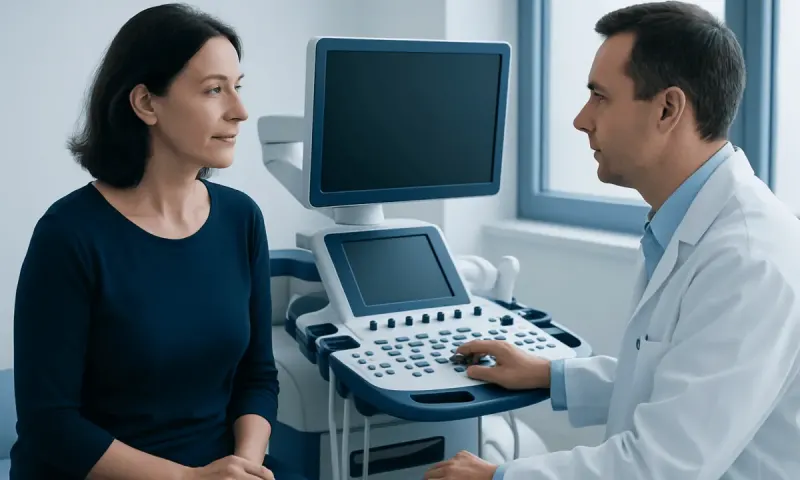
Imaging is often used when a lump is unexplained, deep, enlarging, or concerning on examination. Ultrasound can help determine whether a superficial lump is solid or fluid-filled. X-rays may be useful when bone involvement is suspected. MRI provides detailed views of soft tissues, while CT scans may be used in selected circumstances.
If imaging suggests that a mass needs further investigation, a biopsy may be recommended. During a biopsy, a specialist removes a small tissue sample for laboratory examination. When sarcoma is a possibility, biopsy planning should be coordinated by an experienced multidisciplinary team, as the approach and location can affect later treatment options.
Blood tests may be used to investigate associated symptoms or general health, but they do not diagnose most lumps on their own. A diagnosis is based on the combined findings from examination, imaging, and, when needed, pathology.
Treatment depends on the diagnosis
Treatment is tailored to the cause of the shoulder lump. A harmless lipoma or stable cyst may only need monitoring if it is not painful, growing, or affecting movement. Some benign lumps can be removed when they cause discomfort, restrict function, become infected, or create diagnostic uncertainty.
If infection is responsible, treatment may include drainage or medication depending on the type and severity of infection. Joint, tendon, or injury-related swelling may be managed with activity modification, rehabilitation, anti-inflammatory approaches when clinically suitable, or treatment directed at the underlying orthopedic condition.
When cancer is diagnosed, care is planned according to the cancer type, size, grade, location, and whether it has spread. Surgery is often important for localized soft-tissue or bone tumors. Radiation therapy, chemotherapy, targeted therapy, immunotherapy, or a combination of treatments may be considered for particular cancers. Cancer treatment planning is individualized and may involve surgical oncology, medical oncology, radiation oncology, radiology, pathology, and rehabilitation specialists.
For international patients, Acıbadem Health Point’s multidisciplinary specialists and JCI-accredited hospitals can evaluate and treat cancer-related conditions, with care coordinated around the individual diagnosis and needs.
What to do while waiting for an appointment
It is reasonable to arrange a routine medical appointment for a lump that persists beyond a few weeks, even if it is painless. Before the visit, a person can record when the lump was first noticed, whether it has changed in size, and whether there are associated symptoms. A photograph or simple measurement can be useful if it is easy to do without repeatedly handling the area.
It is best not to squeeze, puncture, massage aggressively, or try to remove an unexplained lump at home. These actions can cause infection, bruising, or irritation and may make assessment more difficult. Avoid using unproven creams or supplements as a substitute for medical evaluation.
Gentle normal activity is usually appropriate if it does not worsen pain. However, a person should avoid strenuous activity or direct pressure over a painful shoulder mass until they have been assessed. Simple comfort measures, such as rest or a cool compress after a minor injury, may help in some situations, but they should not delay evaluation of a lump that is growing or unexplained.
When to seek medical care
A non-urgent medical appointment is advisable for any new lump that lasts more than a few weeks, increases in size, or has no clear explanation. Earlier assessment is appropriate if the lump is firm, deep, fixed, larger than expected, or associated with persistent shoulder pain, reduced movement, numbness, or weakness.
Urgent medical advice is needed if there is rapidly worsening swelling, severe pain, redness and warmth with fever, drainage of pus, or new neurological symptoms in the arm. Emergency care may be appropriate for severe symptoms, such as sudden arm weakness, major swelling after trauma, or difficulty breathing.
People with a past history of cancer should report a new shoulder lump to their treating clinician promptly. This does not mean the lump has returned or spread, but timely assessment helps ensure the right explanation and care plan are found.
Frequently asked questions
01Are cancer lumps on the shoulder usually painful?
Not necessarily. Some cancerous masses are painless in their early stages, while benign lumps can be painful if they are inflamed or press on nearby tissue. Pain alone cannot determine the cause, so persistent or changing lumps should be assessed.
02How can a person tell whether a shoulder lump is a lipoma or cancer?
A lipoma is often soft, movable, slow-growing, and located just beneath the skin, but these features are not enough to make a diagnosis. A clinician may use an examination and imaging, and occasionally a biopsy, to identify the lump accurately.
03Can a swollen lymph node near the shoulder be cancer?
Lymph nodes can swell because of infection, inflammation, or immune activity and often settle after the underlying cause improves. A lymph node that is persistent, enlarging, hard, or accompanied by unexplained symptoms should be evaluated by a doctor.
04What tests are used for a lump on the shoulder?
Tests may include ultrasound, X-ray, MRI, or CT, depending on where the lump is and what the examination suggests. If a mass appears suspicious or remains unexplained, a biopsy may be needed to examine its cells under a microscope.
05Should a shoulder lump be removed before testing?
Not always. Small, typical benign lumps may sometimes be removed directly, but a deep or potentially cancerous mass should be evaluated and imaged first. This helps the specialist plan any biopsy or surgery in a way that supports the best next steps.
06When should a person worry about a shoulder lump?
Concern is appropriate when a lump is new and growing, firm, deep, fixed, painful, or still present after several weeks. It is also important to seek assessment if there are skin changes, fever, unexplained weight loss, night sweats, weakness, numbness, or a previous history of cancer.
This article is for general information only and is not a substitute for professional medical advice. Please consult a qualified doctor about your individual situation.
Joint and spine care in Turkey — expert assessment & treatment
JCI-accredited · board-certified surgeons · reply within 24h
Add us as a Preferred Source to see more of our trusted health content across Google Search, AI Overviews and Discover.