Sarcoma Cancer Symptoms, Diagnosis, and Treatment
Sarcoma cancer symptoms often begin with a new or enlarging lump, swelling, or persistent pain, although early sarcomas may cause no noticeable symptoms. Sarcomas are uncommon cancers that arise in bone or soft tissues, and timely specialist assessment helps guide accurate diagnosis and treatment.
Sarcoma symptoms: what may be noticed first
Sarcoma cancer symptoms vary because these tumors can develop in many parts of the body. Sarcomas arise from connective tissues, including muscle, fat, nerves, blood vessels, fibrous tissue, cartilage, and bone. A soft tissue sarcoma most often appears in an arm, leg, trunk, abdomen, or the space behind the abdomen called the retroperitoneum.
The most common early sign is a new lump or one that gradually becomes larger. It may be painless at first. Depending on its location, a sarcoma can also cause deep aching pain, swelling, reduced movement of a nearby joint, tingling or numbness from pressure on a nerve, or symptoms related to an organ being compressed.
Bone sarcomas may cause persistent bone pain that is worse at night or with activity, swelling near a bone or joint, or an unexplained fracture after a minor injury. These symptoms are much more commonly caused by noncancerous conditions, but a persistent or changing symptom deserves medical assessment.
- A growing lump, particularly one that feels deep or firm
- Persistent localized pain or swelling without a clear explanation
- Reduced movement, weakness, numbness, or tingling near a mass
- Abdominal fullness, pain, early fullness after meals, or a change in bowel habits when a tumor develops in the abdomen
Are all sarcomas cancerous?
No. The term sarcoma is generally used for a malignant, or cancerous, tumor that begins in connective tissue. However, many lumps in soft tissue and bone are benign, meaning they are not cancer and do not spread to distant organs. Examples include lipomas, which are common benign fatty lumps, and several benign bone tumors.
Some tumors have uncertain or intermediate behavior: they may grow locally and sometimes recur, but their likelihood of spreading differs from that of a typical sarcoma. Only laboratory examination by an experienced pathologist can establish the exact diagnosis. This is why it is not possible to tell whether a lump is benign or malignant simply by touch or by symptoms alone.
Sarcomas themselves are diverse. They include soft tissue sarcomas, such as liposarcoma and leiomyosarcoma, as well as primary bone sarcomas, such as osteosarcoma and chondrosarcoma. The precise subtype, grade, size, location, and whether it has spread all influence treatment planning and outlook.
How sarcoma is diagnosed and staged

Evaluation usually begins with a medical history and physical examination. Doctors may ask when a lump was first noticed, whether it is changing, and whether there is pain, injury, personal cancer history, previous radiotherapy, or a family history of certain inherited cancer syndromes.
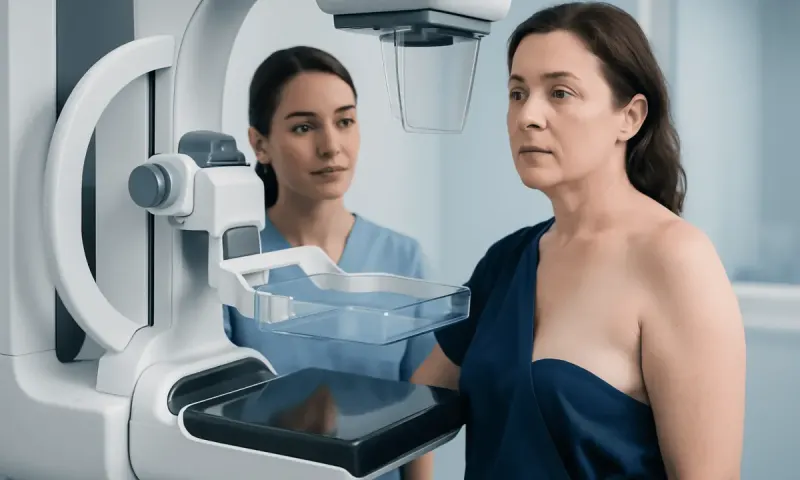
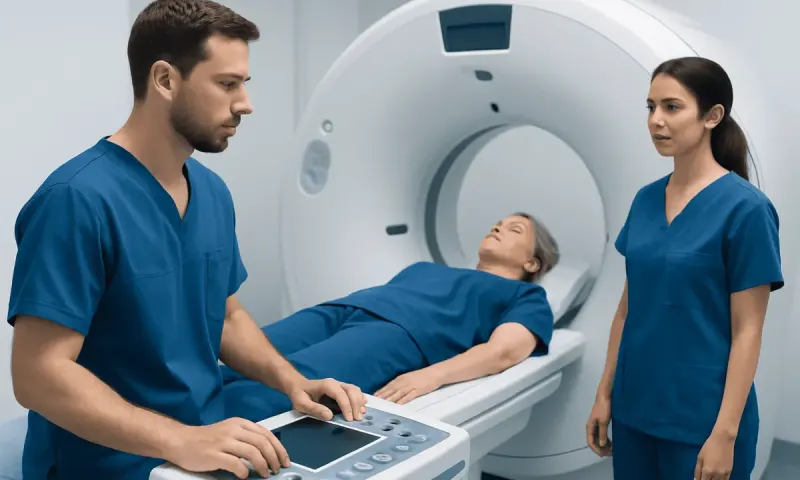
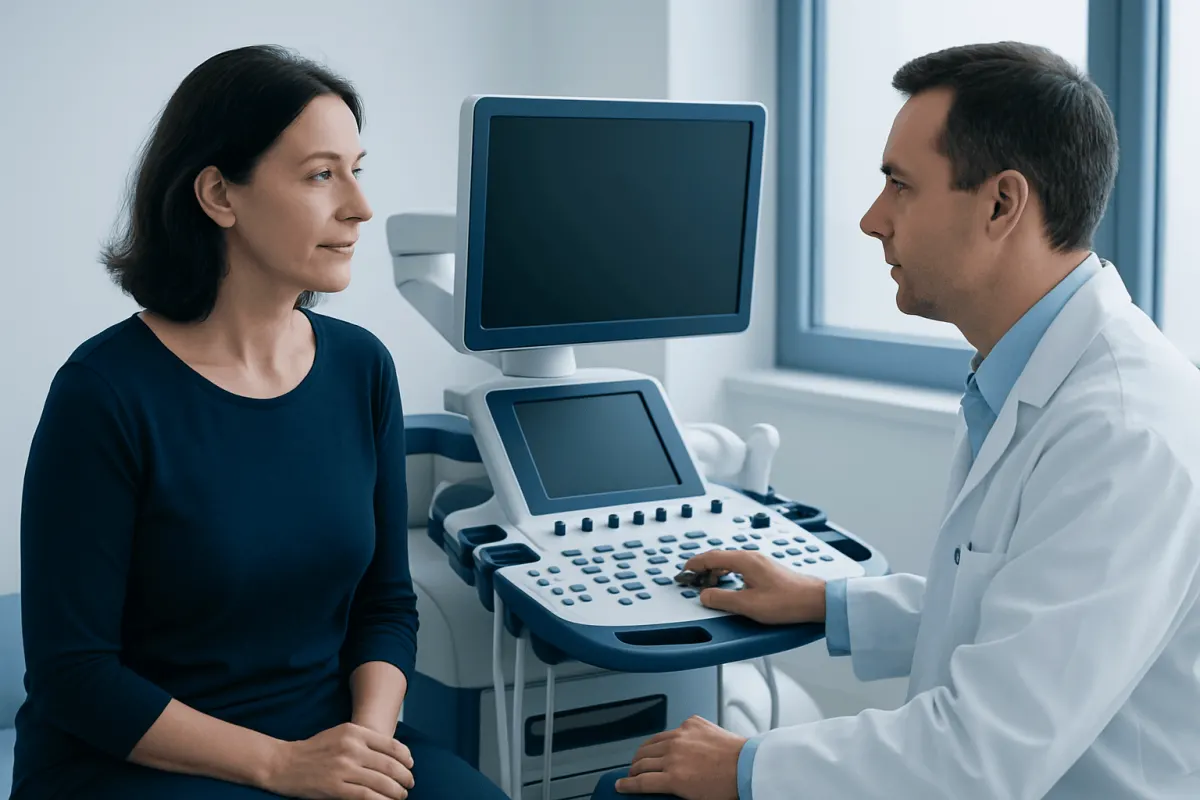
Imaging helps define the size, depth, and relationship of a suspected tumor to muscles, bones, nerves, and blood vessels. Ultrasound can be useful for an initial assessment of a superficial lump. Magnetic resonance imaging (MRI) is commonly used for a limb or trunk mass, while CT scanning is often used for tumors in the chest or abdomen and for checking the lungs. X-rays and other scans may be used when a bone tumor is suspected.
A biopsy is needed to confirm sarcoma and identify its subtype. The biopsy route should be planned carefully, since it may affect later surgery. A core-needle biopsy is often preferred, although the best method depends on the tumor location. Tissue is examined with microscopy and, when appropriate, specialized tests that look for molecular changes.
After diagnosis, staging assesses whether the sarcoma is localized or has spread. The team considers tumor size, grade, site, subtype, lymph node involvement, and distant spread. Review by a multidisciplinary sarcoma team can help coordinate pathology, imaging, surgery, radiation oncology, and medical oncology decisions.
Where does sarcoma first spread?
When sarcoma spreads beyond its original site, the lungs are the most common first distant site for many soft tissue and bone sarcomas. This is why chest imaging, often a CT scan, is frequently part of staging and follow-up. However, spread patterns differ substantially among sarcoma subtypes.
Some sarcomas are more likely to spread to the liver, bones, abdomen, lymph nodes, or other soft tissues. For example, tumors arising in the abdomen may recur or spread within the abdominal cavity, while selected subtypes have a greater tendency to involve lymph nodes than most sarcomas do.
Spread is not inevitable. A sarcoma that is localized at diagnosis may be treated with the aim of removing or controlling it completely. Follow-up schedules are individualized according to the sarcoma type, grade, treatment received, and risk of recurrence. New symptoms between scheduled visits should be discussed with the treating team rather than waiting for the next appointment.
What are the treatment options for sarcoma?
Treatment options for sarcoma are tailored to the tumor’s subtype, grade, size, site, stage, and the person’s overall health. Care is ideally planned by a specialist multidisciplinary team because surgery and biopsy decisions can have long-term effects on function and local control.
Surgery is often the main treatment for localized sarcoma. The aim is to remove the tumor with an appropriate margin of surrounding tissue while preserving function whenever possible. Limb-sparing surgery is feasible for many tumors of the arms and legs, though reconstructive procedures or rehabilitation may be needed. In selected situations, surgery may also be considered for limited recurrent or metastatic disease.
Radiotherapy may be given before or after surgery to reduce the risk of local recurrence in some soft tissue sarcomas. It may also help relieve symptoms when a tumor cannot be fully removed or has spread. Radiotherapy planning is individualized to protect nearby healthy tissues as much as possible.
Drug treatments include chemotherapy, targeted therapies, and, for certain sarcoma types, other systemic medicines. They may be used before surgery, after surgery in selected higher-risk situations, or for advanced disease. Not every sarcoma responds to the same medicines, so pathology results and molecular testing can be important. Chemotherapy may be part of care for particular bone sarcomas and soft tissue sarcoma subtypes.
Is soft tissue sarcoma curable?
Many people with localized soft tissue sarcoma can be treated with curative intent, most commonly with surgery and, when indicated, radiotherapy or systemic treatment. Whether cure is possible depends on factors such as the exact subtype, tumor grade, size, depth, location, whether it can be completely removed, and whether it has spread at diagnosis.
A low-grade, small, localized tumor generally behaves differently from a high-grade or metastatic tumor. Even after successful initial treatment, some sarcomas can recur locally or at distant sites, which is why follow-up is important. If recurrence occurs, further treatment may still be possible, depending on where it is and the individual circumstances.
It is understandable to want a single prediction, but prognosis is best discussed with the sarcoma team after the pathology and staging information are available. They can explain the goals of treatment, likely benefits and side effects, and the monitoring plan in a way that reflects the individual diagnosis rather than averages from broad groups.
Acıbadem Health Point’s multidisciplinary specialists at JCI-accredited hospitals evaluate and treat sarcoma for international patients, with treatment planning based on tumor type and individual clinical needs.
When to seek medical care
A person should arrange a medical assessment for a lump that is getting bigger, is larger than approximately 5 cm, is deep beneath the skin, feels fixed or firm, or is painful. A lump does not need to be painful to need evaluation. Persistent bone pain, unexplained swelling near a bone, or pain that regularly interrupts sleep should also be checked.
More urgent assessment is appropriate for rapidly increasing swelling, severe or escalating pain, new weakness or numbness, difficulty walking or using a limb, or symptoms suggesting pressure on an organ, such as ongoing vomiting, marked abdominal swelling, or breathing difficulty. These symptoms have many possible causes, but prompt evaluation is sensible.
People already treated for sarcoma should contact their clinical team if they notice a new lump, a change around the surgical area, persistent unexplained cough or breathlessness, new persistent pain, or any symptom that concerns them. Regular follow-up complements, but does not replace, reporting new changes between appointments.
Frequently asked questions
01What are the earliest sarcoma cancer symptoms?
An enlarging lump is one of the most common early signs of soft tissue sarcoma, and it may not hurt initially. Bone sarcoma may cause persistent localized bone pain, swelling, or reduced movement near a joint. Most lumps and aches are not sarcoma, but a growing or unexplained symptom should be evaluated.
02What are the treatment options for sarcoma?
Treatment may include surgery, radiotherapy, chemotherapy, targeted medicines, or a combination of these approaches. The plan depends on the sarcoma subtype, location, grade, size, and stage. A specialist multidisciplinary team can help ensure the biopsy, surgery, and any additional treatment are coordinated.
03Where does sarcoma first spread?
For many sarcomas, the lungs are the most common first site of distant spread. However, some subtypes can spread to the liver, bones, lymph nodes, abdomen, or other areas. Imaging and follow-up are selected according to the individual tumor’s known behavior.
04Are all sarcomas cancerous?
Sarcoma usually refers to a malignant cancer of bone or soft connective tissue. However, many soft tissue and bone lumps are benign, and some tumors have intermediate behavior. Imaging and a properly planned biopsy are needed to identify the tumor accurately.
05Is soft tissue sarcoma curable?
Localized soft tissue sarcoma can often be treated with curative intent, especially when it can be completely removed and treated appropriately. Outcomes vary by subtype, grade, size, location, and whether the cancer has spread. Ongoing follow-up is important because recurrence can occur in some cases.
06Can a blood test diagnose sarcoma?
There is no routine blood test that can diagnose most sarcomas. Blood tests may be used to assess general health or organ function before treatment, but diagnosis requires imaging and examination of a tissue sample. Specialized laboratory testing on the biopsy may help classify the sarcoma subtype.
This article is for general information only and is not a substitute for professional medical advice. Please consult a qualified doctor about your individual situation.
Persistent digestive symptoms? Get evaluated in Turkey
JCI-accredited · board-certified surgeons · reply within 24h
Add us as a Preferred Source to see more of our trusted health content across Google Search, AI Overviews and Discover.