Can You Ejaculate Without a Prostate?
Yes. A person can usually still have an orgasm without a prostate, but after complete prostate removal, visible semen ejaculation is generally no longer possible because the prostate and seminal vesicles produce much of the ejaculatory fluid. Changes in ejaculation are often expected after treatment, but new symptoms, pain, blood, fever, or urinary difficulties should be assessed by a clinician.
Can You Ejaculate Without a Prostate?
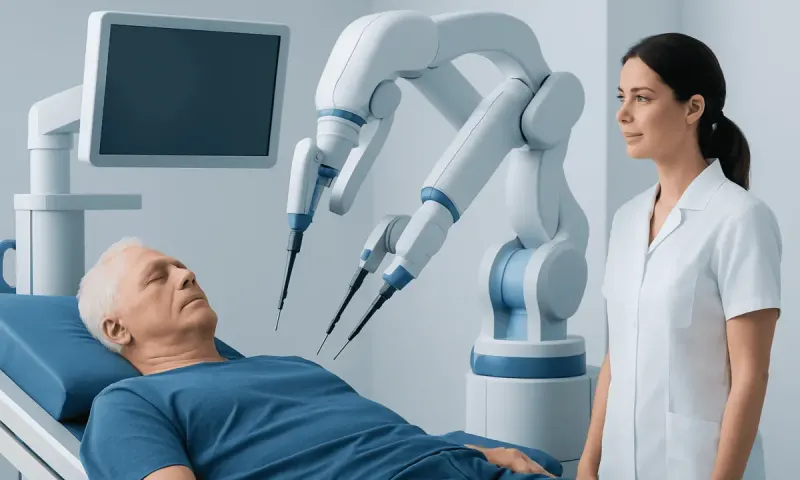
Yes, a person can still experience sexual climax without a prostate, but ejaculation usually changes significantly. After complete removal of the prostate, called radical prostatectomy, there is generally no visible semen release. This is often described as a dry orgasm. It is an expected physical result of surgery rather than a sign that something has gone wrong.
The prostate produces part of the fluid in semen, and radical prostatectomy also removes the seminal vesicles, which make much of the remaining fluid. During the procedure, the pathways that normally carry sperm and seminal fluid into the urethra are divided. As a result, even when erections and orgasm return, semen does not usually leave the penis.
Many people remain able to enjoy intimacy after prostate treatment, although recovery differs from person to person. Erection quality, orgasm intensity, urinary control, emotional wellbeing, relationship factors and other health conditions can all affect sexual recovery. A urologist can help set realistic expectations and discuss support options.
What Ejaculation and Orgasm Involve
Ejaculation and orgasm are related but different processes. Orgasm is the pleasurable climax sensation shaped by signals from the brain, nerves, pelvic-floor muscles and genital tissues. Ejaculation is the release of semen through the urethra. Because these processes are not identical, orgasm can occur with little or no fluid release.
Before ejaculation, sperm travels from the testes through the reproductive ducts. Fluid from the seminal vesicles, prostate and other glands mixes with sperm to form semen. Muscles in the pelvis then contract to push semen outward. The prostate also helps close the bladder neck during normal ejaculation, helping direct semen out through the penis rather than back into the bladder.
Removing the prostate changes the anatomy needed to produce and transport semen, but it does not automatically remove the ability to feel sexual pleasure. Some people report orgasms that feel similar to those before surgery, while others notice reduced intensity, altered sensation, mild discomfort, or leakage of urine at orgasm. These changes are important to discuss openly with the care team because treatment and rehabilitation may help.
What to Expect After Prostate Removal
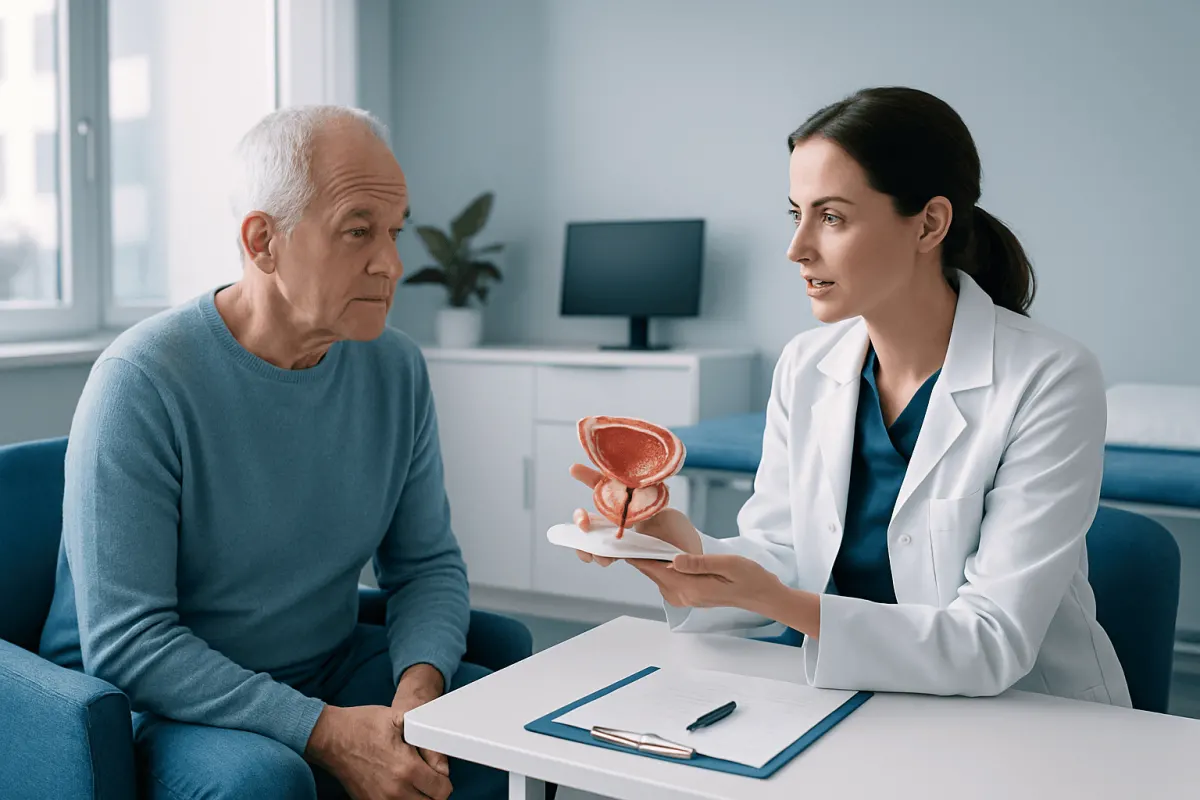
After radical prostatectomy, dry orgasm is the usual long-term outcome. The absence of semen does not mean the person cannot become aroused, have an erection, or reach orgasm. However, erectile function may be temporarily or persistently affected because nerves and blood vessels involved in erections are close to the prostate.
Recovery of erections can take time, particularly after treatment for prostate cancer. Age, erectile function before surgery, other conditions such as diabetes or vascular disease, the extent of surgery, and whether nerve-sparing surgery is possible all influence recovery. Clinicians may recommend a personalized sexual rehabilitation plan, which can include lifestyle support, counseling, medications, vacuum devices, injections, or other approaches when appropriate.
It is also important to understand the effect on fertility. Following radical prostatectomy, natural conception through intercourse is not possible because sperm is no longer ejaculated. People who may want biological children in the future can ask about sperm banking before treatment. Prostate surgery may be part of care for prostate cancer, and fertility or sexual-function concerns should be discussed before a treatment decision is made.
In some cases, a small amount of fluid may be noticed after orgasm. This may be secretion from glands that remain in place or fluid already present in the urethra. It is not the same as normal semen production after the prostate and seminal vesicles have been removed.
Other Reasons for Little or No Semen
Not every dry orgasm means that the prostate has been removed. A common alternative explanation is retrograde ejaculation. In this condition, semen enters the bladder during orgasm instead of exiting through the penis. It is usually not dangerous, and semen later leaves the body with urine, often without being noticeable.
Retrograde ejaculation may occur after some bladder-neck or prostate procedures, with certain medicines, or as a result of nerve damage. Diabetes, spinal cord conditions, multiple sclerosis and prior pelvic surgery can affect the nerves and muscles that coordinate ejaculation. A clinician may review medications and medical history to identify likely contributors.
Very low semen volume may also reflect dehydration, frequent ejaculation over a short period, hormonal factors, blockage of reproductive ducts, or changes associated with aging. If there is a concern about fertility, a semen analysis and specialist assessment can help clarify whether sperm are present and whether assisted reproductive options may be appropriate.
- Dry orgasm after radical prostatectomy: typically expected and permanent because semen-producing structures have been removed.
- Retrograde ejaculation: semen travels into the bladder rather than outward.
- Reduced-volume ejaculation: less fluid is released, but some semen may still be present.
How Doctors Assess Ejaculatory Changes
A medical assessment begins with a sensitive, confidential conversation. A doctor may ask when the change started, whether it followed surgery or a new medicine, and whether orgasm, erections, urination or libido have changed as well. Medical conditions, previous pelvic procedures, cancer treatment and plans for future fertility are also relevant.
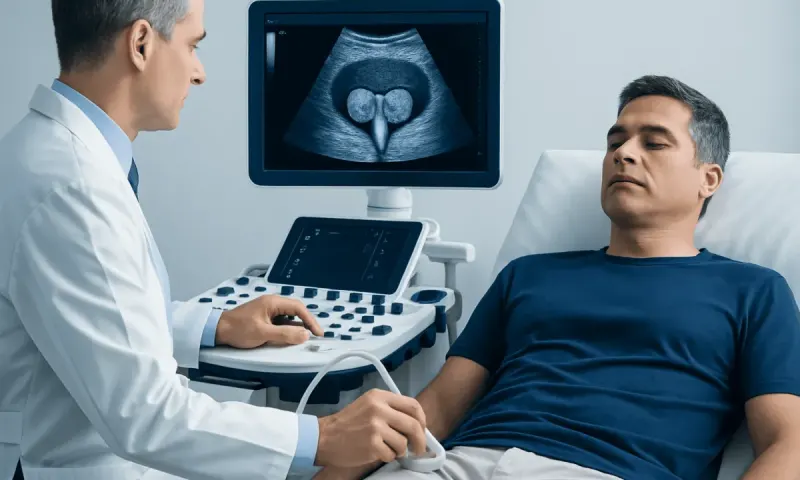
Depending on the symptoms, the clinician may perform a physical examination and request urine tests, blood tests, or hormone testing. When retrograde ejaculation is suspected, a urine sample collected after orgasm may be examined for sperm. Semen analysis can help assess semen volume, sperm and other reproductive factors when fertility is a concern.
Further testing is not always needed after known prostate removal because dry ejaculation is anticipated. However, imaging or referral to a urologist, fertility specialist, pelvic-floor physiotherapist or sexual-health counselor may be useful when symptoms are new, distressing, painful, or unclear. The goal is to identify reversible causes where possible and support quality of life.
Treatment, Adaptation and Sexual Wellbeing
There is no treatment that restores normal semen ejaculation after complete radical prostatectomy, because the organs that create most seminal fluid have been removed. Care therefore focuses on sexual satisfaction, erections, urinary symptoms, intimacy and emotional adjustment. Many people find that pleasure and closeness remain possible even with a dry orgasm.
For erectile difficulties, a clinician may discuss evidence-based options suited to the person’s health and recovery stage. These may include medicines, mechanical devices, penile injections or, in selected circumstances, surgery. Pelvic-floor exercises supervised by a qualified professional may help some people improve urinary control and reduce urine leakage associated with orgasm.
If retrograde ejaculation is caused by a medication or an underlying condition, managing the cause may sometimes improve ejaculation. Treatment decisions should be individualized, particularly for people with heart disease, high blood pressure, urinary conditions or complex medication needs. Counseling for an individual or couple can also be valuable when sexual changes affect confidence, mood or a relationship.
Acıbadem Health Point’s multidisciplinary specialists and JCI-accredited hospitals can assess urinary, sexual and fertility concerns after prostate treatment for international patients.
When to Seek Medical Care
A dry orgasm after planned prostate removal is usually expected and does not require urgent care. Nonetheless, it is worth mentioning at follow-up appointments, especially if the change is upsetting, if there are erection concerns, or if fertility is important. A urologist can explain what is expected after a specific operation and help address recovery goals.
Medical review should be arranged for new or unexplained absence of semen, particularly when it occurs without prior prostate or pelvic surgery. The same applies to persistent painful orgasm, new pelvic or testicular pain, problems passing urine, or sexual changes that begin after a new medication or worsening chronic illness.
Urgent assessment is appropriate for fever with urinary or pelvic symptoms, inability to urinate, severe pain, heavy bleeding, or blood in urine that does not settle. Blood in semen is often benign, but it should be evaluated when it recurs, occurs with pain or urinary symptoms, or develops in an older adult. Prompt care can identify infection, obstruction, inflammation or other conditions needing treatment.
Frequently asked questions
01Can a man have an orgasm after the prostate is removed?
Yes. Many people can still have an orgasm after radical prostatectomy because orgasm involves the brain, nerves, pelvic muscles and genital sensation, not only the prostate. The feeling may be different during recovery, and erection changes can affect sexual experience.
02Will there be semen after radical prostatectomy?
Usually no. Radical prostatectomy removes the prostate and seminal vesicles, which produce most of the fluid in semen, and it interrupts the usual route for sperm to enter the urethra. This leads to dry orgasms.
03Can someone father a child after prostate removal?
Natural conception through intercourse is generally not possible after radical prostatectomy because semen is no longer ejaculated. Before treatment, people who may wish to have biological children can ask about sperm freezing. A fertility specialist can explain possible assisted reproduction options.
04Is a dry orgasm harmful?
A dry orgasm is commonly expected after complete prostate removal and is not harmful by itself. However, a newly developed dry orgasm without an obvious reason should be discussed with a doctor, particularly if fertility is a concern or there are urinary, pain or medication-related symptoms.
05What is the difference between dry orgasm and retrograde ejaculation?
A dry orgasm after prostate removal occurs because little or no semen can be made or delivered through the normal pathway. In retrograde ejaculation, semen is made but flows backward into the bladder during orgasm rather than out through the penis. A clinician can distinguish these situations using medical history and, if needed, testing.
06Can erectile dysfunction after prostate surgery improve?
It can improve over time for some people, especially when erectile function was good before surgery and nerve-sparing surgery was possible. Recovery varies and may take many months or longer. A urologist can discuss rehabilitation and treatment options based on the individual’s overall health and surgical history.
This article is for general information only and is not a substitute for professional medical advice. Please consult a qualified doctor about your individual situation.
Explore treatments in Turkey — costs, top hospitals & a free quote
JCI-accredited · board-certified surgeons · reply within 24h
Add us as a Preferred Source to see more of our trusted health content across Google Search, AI Overviews and Discover.