Can the Birth Control Implant Cause Weight Gain?

Key Takeaways
- The birth control implant can be associated with weight changes, but most studies do not show major weight gain in everyone who uses it.
- Early appetite changes, fluid retention, or normal weight fluctuation may be mistaken for true fat gain.
- If weight changes start after implantation, a clinician can review timing, other symptoms, and alternative causes.
- Healthy routines such as balanced eating, sleep, and activity can help manage changes while using the implant.
- Persistent or rapid weight gain, swelling, or other new symptoms should be medically reviewed.
Can the birth control implant cause weight gain? Some people notice weight changes after getting the implant, but research does not show a large, consistent weight-gain effect for most users. Because weight can shift for many reasons, a careful conversation with a clinician helps determine whether the implant, lifestyle factors, or another medical issue is more likely.
Overview
The short answer to can the birth control implant cause weight gain is that it may be linked to weight changes in some people, but it is not proven to cause significant weight gain for most users. The implant is a long-acting, progestin-only contraceptive placed under the skin of the upper arm, and it works primarily by preventing ovulation and thickening cervical mucus.
People often notice body changes after starting any hormonal method, especially in the first months. That timing can make the implant seem like the cause even when sleep patterns, stress, eating habits, activity levels, or other health conditions are also influencing weight. A thoughtful review of the pattern and timing is usually more helpful than assuming one single explanation.
For many patients, the more practical question is not only whether weight gain can happen, but whether it is enough to affect daily comfort, confidence, or long-term health. That is an individual decision, and it is best made with balanced information rather than fear or guesswork.
Symptoms and what people actually notice
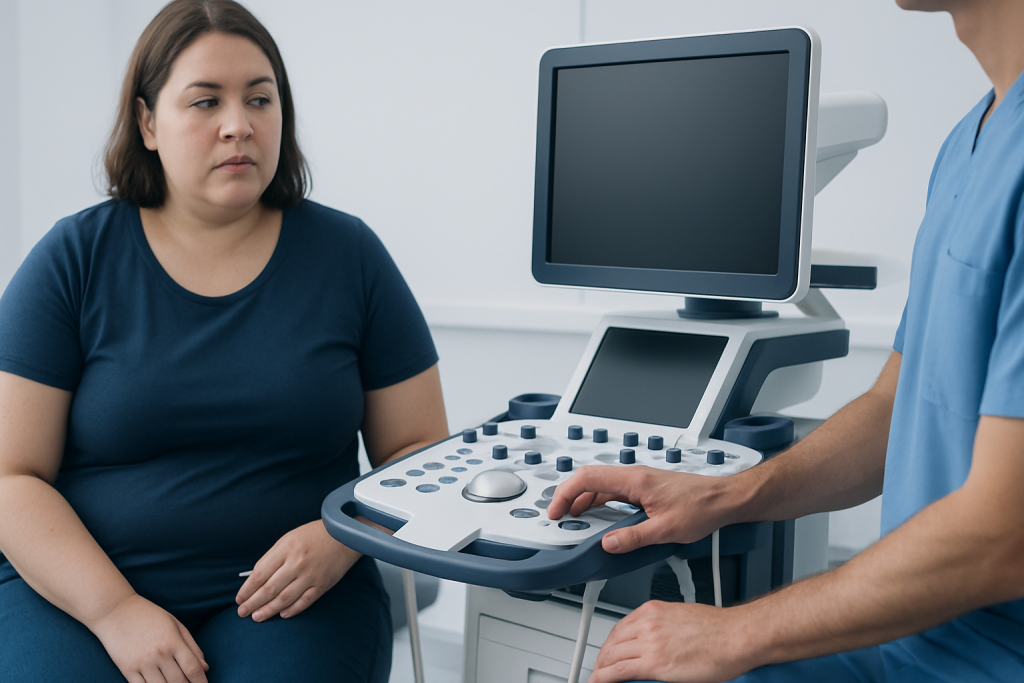
When people talk about weight gain with the implant, they may mean different things. Some notice a number on the scale slowly rising. Others feel bloated, retain more fluid, or see changes around the waist even if their overall body weight has not changed much.
Other common concerns can include increased appetite, breast tenderness, acne, headaches, or irregular bleeding. These symptoms do not automatically mean the implant is causing fat gain, but they may influence how a person feels in their body. Tracking symptoms over time can make the pattern clearer.
- Gradual change over several months
- Temporary bloating or water retention
- Appetite changes or snacking more often
- Less obvious changes in body shape or clothing fit
If weight change is accompanied by fatigue, hair thinning, swelling in the legs, mood changes, or menstrual changes that seem unusual, another medical issue may also need to be considered.
Causes and risk factors

Hormonal contraception does not affect everyone in the same way. The birth control implant contains a progestin hormone, and hormone sensitivity varies from one person to another. Some users may be more likely to notice appetite changes, fluid shifts, or changes in how their body stores energy.
Age, baseline weight, activity level, diet, stress, and sleep can all affect weight during the same period that the implant is used. Starting college, changing jobs, traveling, recovering from pregnancy, or living through a stressful season can easily overlap with contraceptive use and make cause-and-effect harder to sort out.
Certain health conditions can also contribute to weight gain and may be unrelated to contraception. Thyroid disorders, polycystic ovary syndrome, depression, some medications, and reduced physical activity are common examples. This is why a full medical history matters.
People may be more likely to worry about weight changes after hearing stories from friends or online forums. Personal experiences are valid, but they do not always reflect what happens across larger groups of users.
Diagnosis and how doctors evaluate the change
There is no single test that proves the implant is causing weight gain. Instead, clinicians usually look at timing, symptom pattern, current medications, diet, activity level, and any other new health concerns. A careful history often provides the most useful clues.
During an evaluation, a doctor may ask when the implant was inserted, how much weight has changed, whether the change was gradual or rapid, and whether there are signs of fluid retention or endocrine disease. They may also review the menstrual pattern, because bleeding changes can help confirm that the implant is active.
If needed, blood tests may be used to check for common alternative explanations such as thyroid problems, blood sugar issues, or other hormonal conditions. The goal is not to dismiss the implant as a possible factor, but to avoid missing a separate condition that deserves treatment.
For people living in another country, it can help to bring prior medical records, the implant insertion date, and a timeline of symptoms to the appointment. That makes follow-up discussions much easier and more accurate.
Treatment options and when removal is considered
If the implant seems to be linked with uncomfortable weight changes, management depends on how severe the issue is and how important the method is for contraception. Some people choose to continue using the implant while adjusting lifestyle habits and monitoring symptoms for a few months.
Others decide that the weight concern is affecting their well-being enough to consider removal and another contraceptive option. This is a personal choice, not a failure of the method. A clinician can discuss alternatives such as a copper IUD, another hormonal IUD, pills, patches, rings, or non-hormonal methods, depending on medical history and preferences.
It is usually best to avoid making abrupt changes based only on a single scale reading. A more useful approach is to review the trend, compare clothing fit and measurements over time, and discuss whether the benefit of reliable contraception still outweighs the concern.
When weight gain is clearly linked to another condition, treatment should focus on that underlying issue. In some cases, addressing sleep, mood, or endocrine health improves the body changes far more than changing contraception alone.
Prevention and self-care
There is no guaranteed way to prevent every body change after starting the implant, but steady routines can reduce confusion and make early changes easier to interpret. A simple record of weight, appetite, activity, and bleeding pattern can help separate normal fluctuations from persistent trends.
Balanced meals, regular movement, and adequate sleep are still the most reliable supports for healthy weight maintenance. These habits are not about blaming the patient; they are about giving the body a stable baseline while it adjusts to a new contraceptive method.
- Weigh at consistent times, not several times a day
- Notice whether bloating is temporary or persistent
- Keep a symptom diary for the first few months
- Prioritize protein, fiber, hydration, and routine activity
- Review any new medicines that might affect weight
For international patients, practical planning matters too. If travel, diet changes, jet lag, or a temporary shift in routine are likely, it may help to discuss timing of insertion and follow-up before the trip so that weight changes are interpreted in context.
When to see a doctor
A doctor should be consulted if weight gain is rapid, ongoing, or upsetting, especially if it begins soon after implant placement. Medical review is also wise if the change is paired with swelling, shortness of breath, severe fatigue, mood changes, or other symptoms that do not feel typical.
It is also important to seek advice if there is uncertainty about whether the implant is still in place, if bleeding patterns change dramatically, or if another cause of weight gain seems possible. The right next step may be reassurance, testing, or a discussion about switching methods.
People who are considering removal should not have to navigate the decision alone. A clinician can explain what to expect, how quickly hormones leave the body, and which contraceptive options fit future plans, including pregnancy timing.
At Acibadem Health Point, multidisciplinary specialists and JCI-accredited hospitals help international patients evaluate contraceptive concerns, including possible weight changes, with coordinated and individualized care.
Living with the implant: a practical perspective
Many people use the birth control implant successfully without meaningful weight change. For those who do notice a difference, the experience is often manageable once the cause is clarified and expectations are realistic. The key is to focus on the overall pattern rather than a single measurement.
It can be helpful to think of the implant as one possible contributor among several. That approach keeps the conversation grounded and prevents either overreacting to normal fluctuation or overlooking a real side effect.
When concerns are addressed early, patients are usually able to choose a contraceptive plan that fits both their health needs and their day-to-day life. That is often the most reassuring outcome: reliable birth control with a clear plan for monitoring, follow-up, and change if needed.
Frequently asked questions
01Can the birth control implant cause weight gain in everyone?
No. Some users notice weight changes, but research does not show that the implant causes major weight gain in everyone. Individual response varies, so the pattern and timing matter more than any single experience.
02How soon after getting the implant might weight changes appear?
If a change is related, it is often noticed in the first several months. That said, weight can also change for unrelated reasons during the same time, so clinicians usually look at the full picture before drawing conclusions.
03Is it more likely to be bloating than true fat gain?
Sometimes, yes. Early changes may reflect fluid retention, appetite shifts, or ordinary fluctuation rather than a lasting increase in body fat. A symptom diary can help distinguish these patterns.
04Should the implant be removed if weight goes up?
Not necessarily. The decision depends on how significant the change is, whether other causes have been found, and how important the method is for contraception. A doctor can help compare options before any change is made.
05What tests might be done if weight gain seems unusual?
A clinician may review medications, lifestyle factors, and medical history, and sometimes order blood tests for thyroid, blood sugar, or other hormonal concerns. The aim is to rule out common alternative causes.
06Can lifestyle changes help while keeping the implant?
Yes. Regular sleep, balanced meals, hydration, and activity can help stabilize weight and make it easier to tell whether the implant is truly contributing. These habits are supportive, not punitive, and they work best when matched to the person’s routine.
This article is for general information only and is not a substitute for professional medical advice. Please consult a qualified doctor about your individual situation.
Medical weight-loss options in Turkey — costs & eligibility
JCI-accredited · board-certified surgeons · reply within 24h
Add us as a Preferred Source to see more of our trusted health content across Google Search, AI Overviews and Discover.