Hand Foot and Mouth Pregnancy: What You Need to Know

Key Takeaways
- Hand, foot and mouth disease in pregnancy is usually self-limited, but fever and dehydration should be taken seriously.
- The illness spreads easily through close contact, saliva, respiratory droplets, and contaminated surfaces.
- There is no specific cure; care focuses on rest, fluids, fever control, and symptom relief approved by a clinician.
- Most pregnancies are not affected, but a doctor should be contacted if symptoms are severe, prolonged, or occur near delivery.
- Good hand hygiene and avoiding contact with infected people help lower the chance of catching the virus.
Hand, foot and mouth disease during pregnancy is usually a mild viral illness, but it can still cause concern because of fever, dehydration, and the uncertainty around infection timing. Most pregnant people recover without complications, yet medical advice is important for symptom relief, confirmation, and monitoring.
Overview
Hand foot and mouth pregnancy is a question that often comes up when a pregnant person has been exposed to a child with a rash, mouth sores, or fever. The reassuring news is that hand, foot and mouth disease is usually a mild viral infection, and most pregnant people recover without lasting problems.
The illness is caused most commonly by coxsackieviruses, which belong to the enterovirus family. It is not the same as foot-and-mouth disease in animals. In pregnancy, the main concerns are usually the mother’s comfort, hydration, and fever control, rather than severe illness in the baby.
Even so, pregnancy changes how the body handles infections, so it is sensible to speak with a clinician if exposure occurs or symptoms appear. A doctor can help confirm whether the rash and mouth sores fit hand, foot and mouth disease, and can check whether another infection needs to be ruled out.
Symptoms During Pregnancy
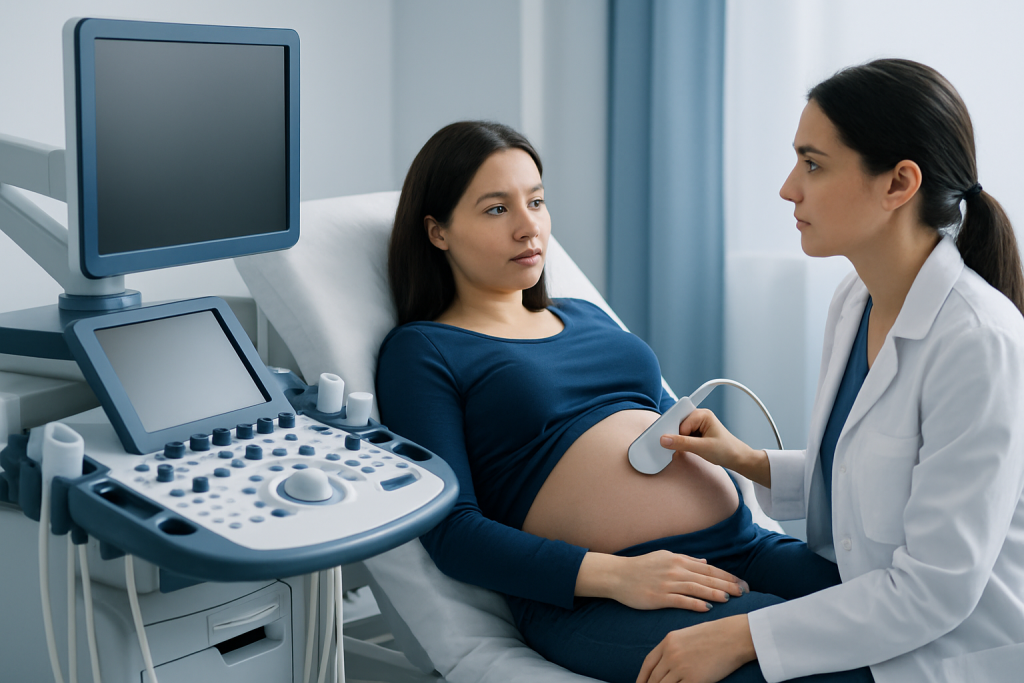
Symptoms often begin with a low-grade fever, sore throat, tiredness, or a general feeling of being unwell. A few days later, painful mouth sores may appear along with a rash on the hands, feet, and sometimes the buttocks or legs.
The mouth sores can make eating and drinking uncomfortable, which matters in pregnancy because dehydration can happen more quickly when fluids are reduced. Some people also notice reduced appetite, headache, or muscle aches. Not everyone develops every symptom, and some adults have only mild or unusual signs.
Because rashes in pregnancy can have many causes, it is helpful not to assume the diagnosis without medical review. A clinician may consider other viral illnesses, allergic rashes, chickenpox, or other conditions that need different management.
Causes and Risk Factors
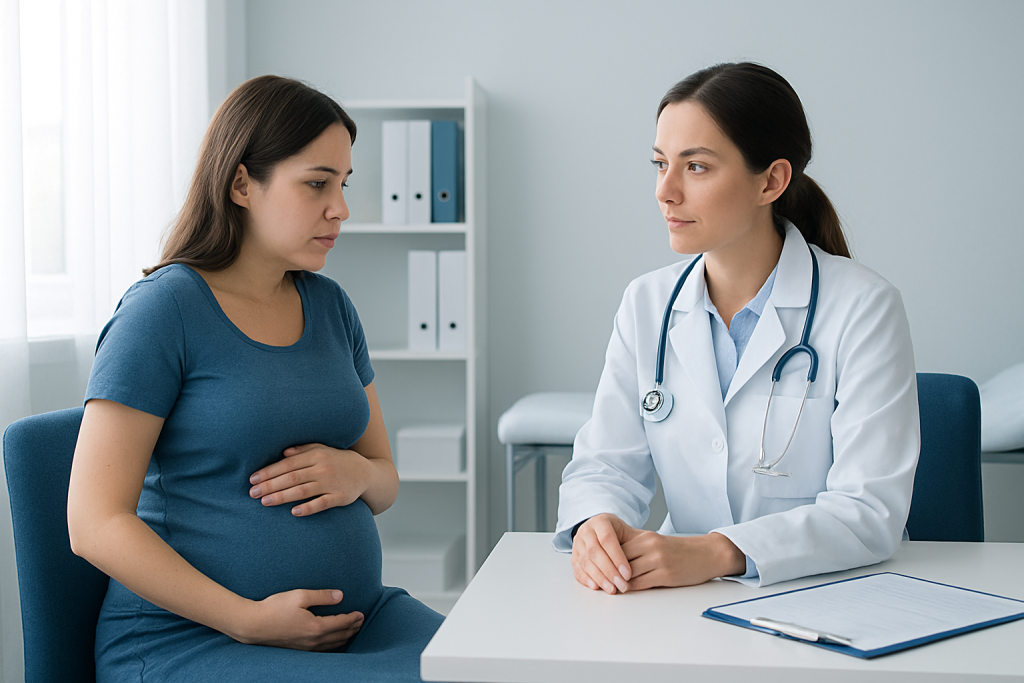
Hand, foot and mouth disease spreads from person to person through respiratory droplets, saliva, blister fluid, stool, and contaminated hands or surfaces. It is most often seen in children, which is why pregnant people are sometimes exposed at home, in childcare settings, or through close family contact.
The risk of catching the virus is higher after close, prolonged contact with an infected person, especially when hand hygiene is poor or shared items are frequently touched. Crowded indoor spaces and direct contact with a sick child’s saliva or nasal secretions can also increase exposure.
Pregnancy itself does not appear to make someone especially prone to hand, foot and mouth disease, but it can make the practical side of illness harder, especially if nausea, fatigue, or reduced fluid intake are already present. For many families, the concern is less about the diagnosis itself and more about how to care for it safely while pregnant and possibly caring for children at home.
Diagnosis
Diagnosis is usually based on symptoms and physical examination. A clinician may look at the pattern of fever, mouth sores, and rash, as well as any recent exposure to someone with hand, foot and mouth disease.
Testing is not always needed, but it may be considered if the diagnosis is unclear, if symptoms are severe, or if there is concern about another infection. In pregnancy, that judgment matters because certain conditions can cause similar rashes or oral lesions and may require different follow-up.
If the person is pregnant and nearing delivery, the timing of the illness may be discussed more carefully. A healthcare professional can explain whether any extra observation is sensible and can advise on signs that should prompt re-evaluation.
Treatment Options
There is no specific antiviral treatment for routine hand, foot and mouth disease. Care is mainly supportive: rest, adequate fluids, and symptom relief while the body clears the infection on its own.
Because mouth sores can make swallowing uncomfortable, cool drinks, soups, or soft foods may be easier to tolerate. A clinician may suggest pregnancy-appropriate ways to manage fever or pain, but medication choices should always be confirmed with a doctor or pharmacist who knows the pregnancy status.
Hospital care is uncommon, but it may be needed if dehydration becomes significant or if symptoms are unusually severe. In most cases, treatment focuses on comfort, monitoring, and making sure the pregnant person can keep fluids down and maintain nutrition as best as possible.
Prevention and Self-care
Prevention starts with hand hygiene. Frequent handwashing with soap and water, especially after diaper changes, wiping noses, using the bathroom, or preparing food, can reduce the chance of spread.
It also helps to avoid close contact with anyone who has a fever, mouth sores, or a new rash. Shared cups, utensils, towels, and pacifiers should not be exchanged, and high-touch surfaces such as toys, doorknobs, and countertops should be cleaned regularly.
For self-care at home, pregnant people should focus on steady hydration and rest. If the appetite is low, small frequent meals may be easier than large ones. When caring for children, staying alert to signs of dehydration or increasing fatigue can help determine whether medical review is needed sooner rather than later.
- Wash hands thoroughly and often.
- Disinfect commonly touched surfaces.
- Avoid sharing food, drinks, and personal items.
- Keep distance from people with active symptoms when possible.
- Contact a clinician if fever, poor intake, or weakness increases.
When to See a Doctor
A pregnant person should contact a doctor if they think they have hand, foot and mouth disease, even when symptoms seem mild. The purpose is not to create alarm; it is to make sure the diagnosis is correct and that pregnancy-safe symptom care is chosen appropriately.
Medical review is especially important if fever is high or persistent, if drinking is difficult, if there are signs of dehydration, or if the rash is worsening quickly. New contractions, reduced fetal movements, bleeding, or severe abdominal pain should always be assessed promptly in pregnancy, regardless of the infection.
If symptoms begin close to the due date, the clinician may want to monitor more closely. After childbirth, new parents should also protect newborns from exposure, because very young babies can become unwell from viral infections more easily than older children or adults.
For Myomectomy Recovery: Healing Time, Activity Limits, and Fertility Planning" class="ahp-ilk">Myomectomy Recovery for International Patients: The Usual Travel Timeline" class="ahp-ilk">international patients who need coordinated evaluation, Acibadem Health Point’s multidisciplinary specialists and JCI-accredited hospitals can diagnose and treat this condition in a structured setting, with attention to pregnancy and follow-up needs.
Living With the Diagnosis and Planning Next Steps
Most pregnant people with hand, foot and mouth disease recover at home and return to normal activities gradually. The practical challenge is often balancing rest with work, childcare, and travel plans, especially when the illness happens while far from home or before an upcoming flight.
If a pregnancy patient is traveling, it is wise to keep medical documents accessible, know where to seek care at the destination, and avoid travel if fever or poor intake is significant. A local clinician can also advise whether follow-up is needed before returning home, especially if symptoms are not improving as expected.
Clear communication with a prenatal care team helps reduce uncertainty. Even when the illness is mild, it can be reassuring to know what symptoms to watch for, how to support recovery, and when a second opinion is appropriate.
Frequently asked questions
01Can hand, foot and mouth disease harm the baby during pregnancy?
In most cases, hand, foot and mouth disease is mild and does not cause major problems in pregnancy. The main concerns are usually the mother’s symptoms, especially fever and dehydration, rather than direct harm to the baby. A clinician should still be informed so the situation can be assessed in context.
02Is hand foot and mouth pregnancy the same as foot-and-mouth disease in animals?
No. Hand, foot and mouth disease is a human viral illness, usually caused by coxsackievirus or related enteroviruses. It is unrelated to the animal disease with a similar name.
03How long is someone contagious with hand, foot and mouth disease?
People can spread the virus while they are sick and sometimes for a period after symptoms improve, because the virus may still be present in stool. Good hand hygiene and avoiding close contact during illness are important. A clinician can give practical guidance if a pregnant person lives with children or others who are infected.
04What can a pregnant person do for mouth sores and fever?
Supportive care is the main approach: fluids, rest, and pregnancy-appropriate symptom relief. Because not all medicines are suitable in pregnancy, it is important to ask a doctor or pharmacist before taking anything for fever or pain.
05Should a pregnant person avoid being around children with hand, foot and mouth disease?
Yes, if possible, close contact should be limited until the child is well and the risk of spread has decreased. This is especially important if the pregnant person has not yet been exposed, or if there are other infections in the home. Careful handwashing and cleaning shared surfaces help lower risk.
06When is urgent medical care needed?
Urgent care is warranted if there are signs of dehydration, trouble breathing, severe weakness, persistent high fever, or pregnancy warning signs such as bleeding, contractions, or decreased fetal movement. These symptoms deserve prompt assessment regardless of the suspected viral illness.
This article is for general information only and is not a substitute for professional medical advice. Please consult a qualified doctor about your individual situation.
Explore treatments in Turkey — costs, top hospitals & a free quote
JCI-accredited · board-certified surgeons · reply within 24h
Add us as a Preferred Source to see more of our trusted health content across Google Search, AI Overviews and Discover.