Can Right Arm Pain Be a Symptom of Cancer?
Right arm pain is far more commonly linked to muscle strain, joint conditions, nerve compression, or circulation problems than to cancer. Rarely, cancer can cause arm pain by affecting bone, nerves, nearby tissues, or by spreading to the arm or shoulder area, so persistent or unexplained symptoms should be assessed by a clinician.
What is right arm pain a symptom of cancer?
Right arm pain is usually not a symptom of cancer. More common causes include overuse, muscle or tendon injury, arthritis, neck-related nerve irritation, shoulder conditions, and trapped nerves such as carpal tunnel syndrome. Pain can also follow an injury that may not initially seem significant.
In uncommon situations, cancer may cause right arm pain when a tumor affects a bone, muscle, nerve, or blood vessel, or when cancer from another part of the body spreads to bone. The pain may also be referred from the chest, shoulder, neck, or upper back. A medical assessment is appropriate when pain is new, persistent, worsening, unexplained, or accompanied by other symptoms.
Arm pain alone cannot diagnose cancer. Clinicians consider the full picture, including the location and pattern of pain, medical history, examination findings, and any associated warning signs before deciding whether tests are needed.
What kind of cancer makes your arm hurt?
Several cancers can occasionally be linked with arm pain, although this remains much less common than non-cancer causes. Bone tumors or cancer that has spread to bone can cause deep, increasingly persistent pain and may make the bone more fragile. Soft-tissue sarcomas may cause a growing lump, pressure, discomfort, or nerve symptoms in an arm or shoulder.
Cancers in nearby areas can also affect nerves that travel to the arm. For example, a tumor in the upper part of a lung may rarely involve the network of nerves between the neck and arm, called the brachial plexus. This can lead to shoulder pain that travels down the arm, tingling, numbness, or hand weakness. Breast cancer or its treatment can sometimes be associated with shoulder and arm symptoms, particularly when lymph nodes, nerves, or tissues near the armpit are affected.
Some blood cancers, such as multiple myeloma, can weaken bones and cause bone pain. However, these conditions typically produce additional findings, and a doctor should interpret symptoms and test results rather than relying on pain alone. Information about multiple myeloma may be useful for people who have been referred for further evaluation.
What does arm cancer pain feel like?

There is no single sensation that proves arm pain is cancer-related. When cancer is involved, pain may be described as deep, aching, gnawing, burning, or severe. It may become more constant over time, occur at rest or at night, or be less clearly related to movement than a typical strain. Nerve involvement can cause shooting pain, tingling, numbness, sensitivity to touch, or weakness.
These features are not specific to cancer. Arthritis, a pinched nerve in the neck, rotator cuff problems, shingles, and many other conditions can create similar symptoms. Pain that changes with posture or specific movement often has a musculoskeletal explanation, but this is not enough to confirm a diagnosis.
Symptoms that merit timely review include an enlarging lump, unexplained swelling, reduced range of motion, a fracture after minimal force, continuing pain that does not improve, fever, drenching night sweats, marked fatigue, or unintentional weight loss. The presence of one of these symptoms does not necessarily mean cancer, but it helps a clinician decide on the right investigations.
How doctors evaluate persistent arm pain
A clinician will begin by asking when the pain started, whether there was an injury, what makes it better or worse, and whether there are symptoms such as weakness, numbness, swelling, chest symptoms, or weight change. They will examine the neck, shoulder, arm, hand, lymph nodes, and circulation, and may test strength, sensation, reflexes, and movement.
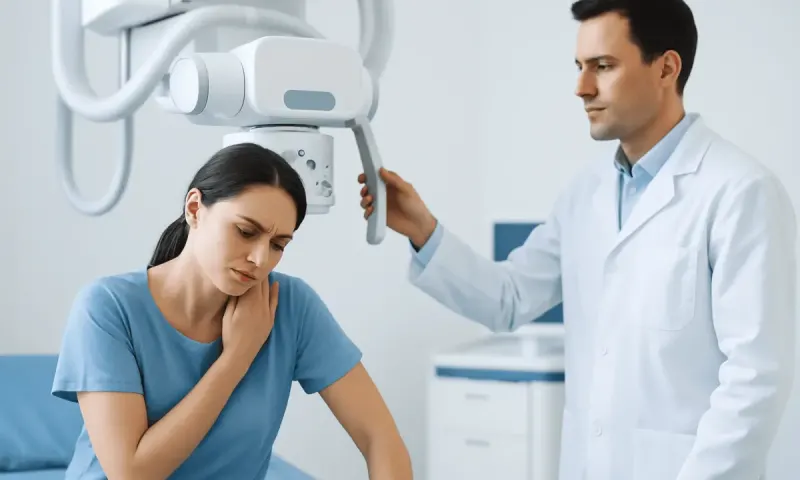
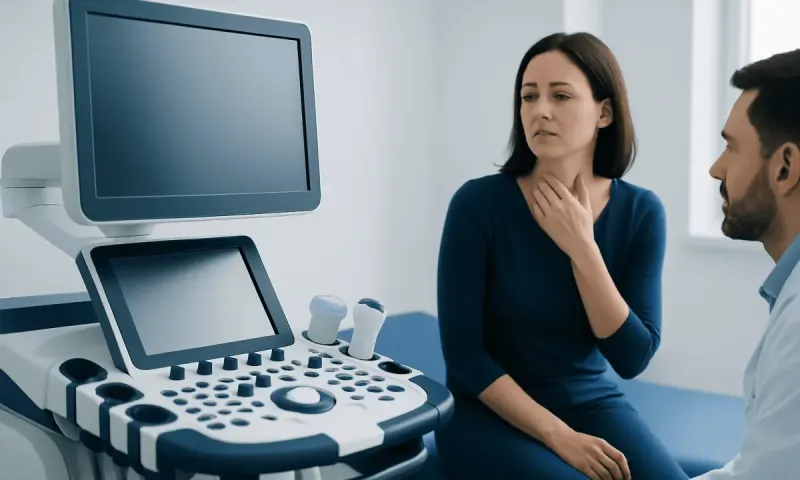
Many people need no cancer-specific testing because the examination suggests a common cause. If symptoms are concerning or remain unexplained, imaging such as an X-ray, ultrasound, MRI, CT scan, or bone scan may be considered. Blood tests can help identify inflammation, anemia, or other medical conditions, but they cannot diagnose most cancers by themselves.
If imaging identifies an abnormal area, a biopsy may be needed to determine whether it is cancer and, if so, the exact type. A biopsy is the definitive way to diagnose many tumors. The diagnostic pathway is individualized, and doctors aim to investigate significant symptoms while avoiding unnecessary tests.
How long from stage 1 to stage 4 cancer?
There is no standard timeline from stage 1 to stage 4 cancer. Cancer stage describes how large a cancer is and whether it has spread at the time it is assessed; it is not a clock that predicts when progression will occur. Some cancers can remain localized for years, while others can grow or spread more quickly.
Progression depends on the cancer type, its biology, grade, molecular features, the person’s general health, and whether effective treatment is started. Some cancers are found at an advanced stage because they caused few or no symptoms earlier, rather than because a known stage 1 cancer inevitably progressed within a predictable period.
For people diagnosed with cancer, the treating oncology team is best placed to discuss the individual outlook and how treatment is monitored. Modern care may include surgery, radiotherapy, systemic treatments such as chemotherapy, targeted therapy, immunotherapy, hormone therapy, or a combination. Medical oncology care helps tailor systemic treatment to the cancer type and the person’s needs.
What are the signs that someone with cancer is nearing the end of their life?
People experience advanced cancer differently, and symptoms alone cannot accurately predict how long someone has left to live. In the last weeks or days of life, some people may become increasingly sleepy, spend less time awake, eat and drink less, become weaker, need more help with daily activities, or communicate less. Breathing patterns and skin circulation can also change.
These changes should be discussed with the person’s oncology or palliative care team. Some symptoms, including pain, breathlessness, anxiety, nausea, constipation, or confusion, may be treatable and deserve prompt attention. Supportive and palliative care focuses on comfort, symptom relief, practical needs, and emotional support for both the person and those close to them.
It is important not to assume that fatigue, reduced appetite, or pain means that a person is near the end of life. These symptoms can occur at many stages of illness and may have reversible causes, such as infection, medication effects, dehydration, anemia, or treatment side effects.
Treatment options when cancer contributes to arm pain
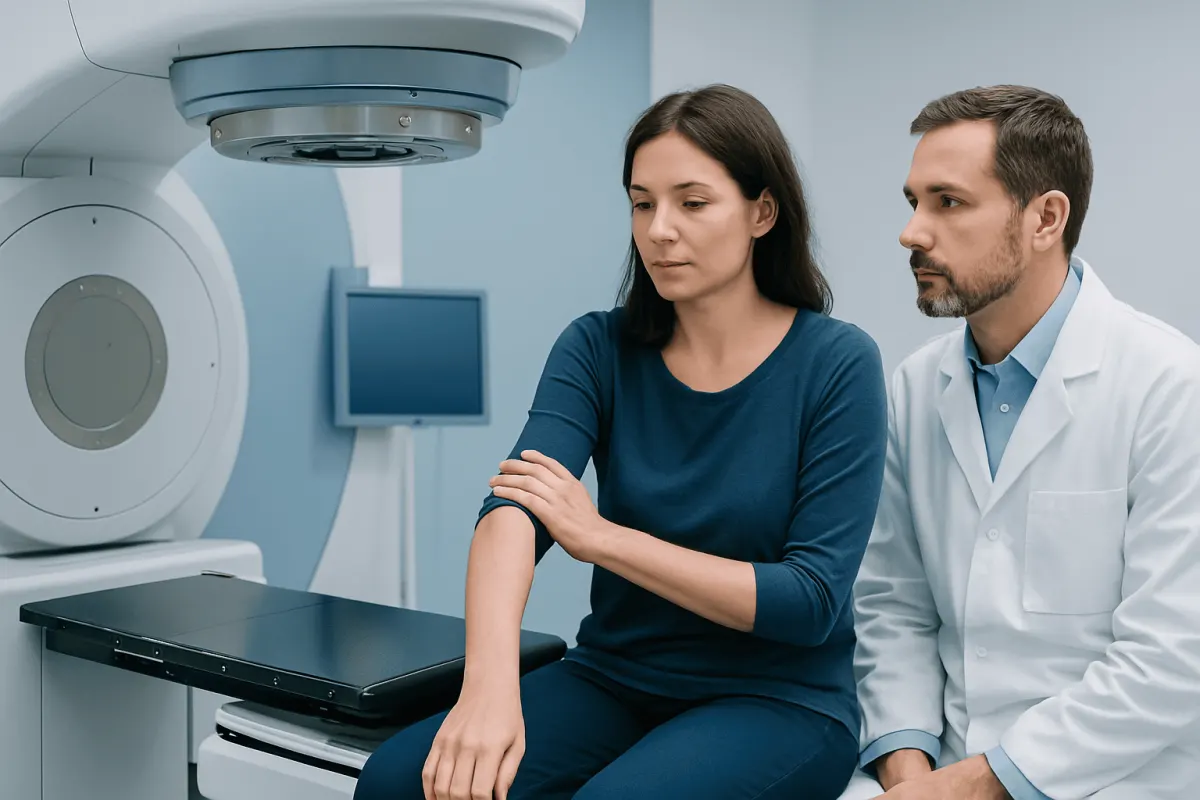
Treatment depends on the cause of the pain and the type, location, and stage of any confirmed cancer. For a tumor affecting the arm, bone, or nearby nerves, care may involve surgery, radiotherapy, drug treatment, pain-relieving medicines, rehabilitation, or several approaches together. Radiotherapy can sometimes reduce pain from cancer in bone or other tissues, while surgery may be considered for selected tumors, fractures, or areas at risk of fracture.
Pain management should be part of cancer care from the beginning. A care plan may include non-drug measures, physical or occupational therapy, medicines, treatment for nerve pain, and specialist palliative care when needed. The goal is to preserve comfort, function, sleep, and independence as much as possible.
Acıbadem Health Point’s multidisciplinary specialists and JCI-accredited hospitals assess and treat cancer-related symptoms for international patients, coordinating imaging, oncology, surgery, rehabilitation, and supportive care when appropriate. A person with a new or suspected Prostate Cancer Diagnosis: Tests and Next Steps" class="ahp-ilk">cancer diagnosis may also discuss radiotherapy options and symptom support with their treating team.
When to seek medical care
Arrange a medical appointment if right arm pain lasts more than a few weeks, repeatedly returns, interferes with sleep or usual activities, becomes steadily worse, or has no clear explanation. Earlier review is especially important if there is a new lump, persistent swelling, numbness, weakness, loss of function, unexplained weight loss, night sweats, or a personal history of cancer.
Seek urgent medical care for sudden arm pain with chest pressure or pain, shortness of breath, nausea, sweating, fainting, or pain spreading to the jaw, back, or shoulder. Emergency assessment is also needed for sudden weakness or numbness on one side of the body, facial drooping, difficulty speaking, a cold or pale arm, severe swelling, or pain after a major injury.
While waiting for a routine appointment, it can be helpful to note when pain occurs, its severity, what activities affect it, and any associated symptoms. Avoid pushing through severe pain or starting supplements or medicines specifically marketed for cancer without speaking with a qualified healthcare professional.
Frequently asked questions
01Can right arm pain be the first sign of cancer?
It is possible but uncommon. Right arm pain is much more often caused by injuries, joint conditions, or nerve irritation. Persistent pain without a clear cause, especially with a lump, weakness, weight loss, or night pain, should be assessed by a doctor.
02Does cancer arm pain always get worse at night?
No. Some bone or nerve-related cancer pain can be more noticeable at rest or at night, but night pain also occurs with many non-cancer conditions. The overall symptom pattern, examination, and tests are more informative than timing alone.
03Can a pinched nerve feel like cancer pain in the arm?
Yes. A pinched nerve in the neck, shoulder region, or arm can cause burning, shooting pain, tingling, numbness, or weakness that may be concerning. A clinician can assess nerve function and determine whether imaging or other tests are appropriate.
04Is arm pain a sign that cancer has spread?
Arm pain can occur if cancer spreads to bone or affects nearby nerves, but pain alone does not show that cancer has spread. Many people with arm pain do not have cancer. Anyone with a cancer history and new persistent bone or nerve-like pain should contact their oncology team.
05What tests can rule out cancer as a cause of arm pain?
There is no single test that rules out every cancer. Depending on the symptoms and examination, a clinician may use imaging, blood tests, and, if an abnormality is found, a biopsy. The choice of tests should be guided by the individual clinical situation.
06Should someone with arm pain and a family history of cancer worry?
A family history can be important, but it does not mean arm pain is caused by cancer. Sharing the family history with a doctor can help guide appropriate screening and assessment. New, persistent, or worsening pain should be evaluated on its own features and associated symptoms.
This article is for general information only and is not a substitute for professional medical advice. Please consult a qualified doctor about your individual situation.
Joint and spine care in Turkey — expert assessment & treatment
JCI-accredited · board-certified surgeons · reply within 24h
Add us as a Preferred Source to see more of our trusted health content across Google Search, AI Overviews and Discover.