Can Glaucoma Be Cured? Treatment and Vision Protection
Glaucoma is not usually curable, and vision already lost from glaucoma generally cannot be restored. However, many people protect their remaining vision for years with early diagnosis, regular monitoring, and treatment that lowers eye pressure or addresses the underlying cause.
Can glaucoma be cured? The evidence-based answer
The phrase “how I cured my glaucoma” often appears in personal stories, advertisements, and online discussions. The evidence-based answer is that glaucoma usually cannot be cured, and vision loss caused by damage to the optic nerve cannot currently be reversed. The reassuring part is that glaucoma can frequently be managed effectively, especially when it is found early and followed consistently.
Glaucoma is a group of conditions that damage the optic nerve, the nerve that carries visual information from the eye to the brain. In many cases, this damage is related to pressure inside the eye that is higher than the optic nerve can safely tolerate. Some people develop glaucoma even when measured eye pressure is within the usual range.
When people say their glaucoma was “cured,” they may mean that their eye pressure improved after drops, laser treatment, or surgery and their test results remained stable. This is an encouraging outcome, but it is more accurately called control or remission under monitoring, rather than a permanent cure. Ongoing eye care remains important because pressure and optic nerve changes can recur or progress over time.
Why glaucoma can be quiet, and when symptoms matter
The most common type, primary open-angle glaucoma, often develops gradually and without pain, redness, or obvious changes in central vision. This can feel harmless because a person may see well in daily life. However, peripheral vision can be affected slowly, and the brain may compensate for small missing areas until damage is more advanced.
Not every episode of blurred vision, eye discomfort, or headache is glaucoma. Dry eyes, refractive changes, migraine, infections, and other common conditions can cause similar symptoms. Still, new or persistent visual symptoms deserve professional assessment, particularly for people with glaucoma risk factors.
A less common but urgent form, acute angle-closure glaucoma, may cause sudden severe eye pain, a red eye, blurred or misty vision, halos around lights, headache, nausea, or vomiting. These symptoms need same-day emergency medical evaluation. Prompt treatment can lower eye pressure and help protect vision.
- Gradual glaucoma may have no noticeable symptoms at first.
- Loss of side vision may occur later in the disease.
- Sudden painful red eye with visual change is an emergency, not a symptom to watch at home.
What causes glaucoma and who is at higher risk?

Inside the eye, clear fluid called aqueous humor is continuously produced and drained. If drainage is reduced, pressure may rise and contribute to optic nerve injury. In open-angle glaucoma, the drainage angle is physically open but does not work efficiently. In angle-closure glaucoma, the drainage angle becomes narrowed or blocked.
Glaucoma can also occur secondary to another eye or health condition. Examples include eye injury, inflammation within the eye, long-term use of corticosteroid medicines, certain eye surgeries, and conditions affecting blood vessels. Congenital and childhood forms are less common but require specialist care.
Risk increases with older age, a family history of glaucoma, certain ancestry backgrounds, thin corneas, significant nearsightedness or farsightedness in some glaucoma types, diabetes, and prolonged steroid use. Having a risk factor does not mean a person will develop glaucoma, but it supports having regular comprehensive eye examinations.
Healthy habits such as not smoking, staying physically active when medically appropriate, and managing general health conditions support overall wellbeing. They do not replace eye-pressure treatment or monitoring. No vitamin, herbal product, eye exercise, or home remedy has been proven to cure glaucoma or regenerate an injured optic nerve.
How a doctor checks for glaucoma
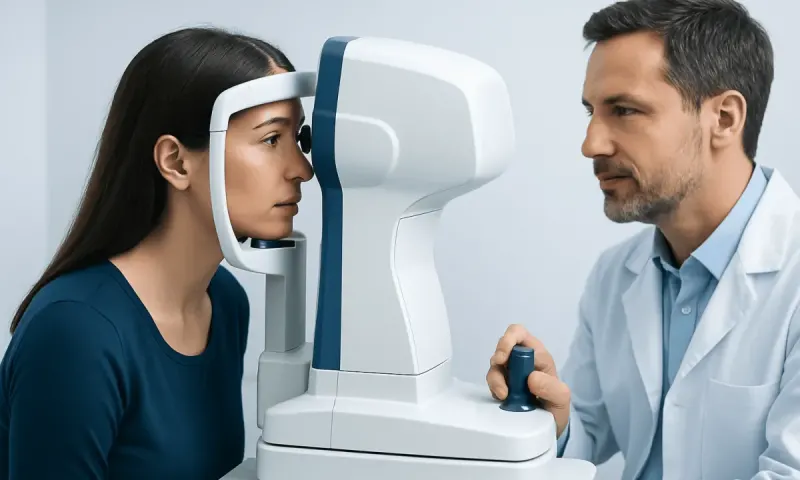
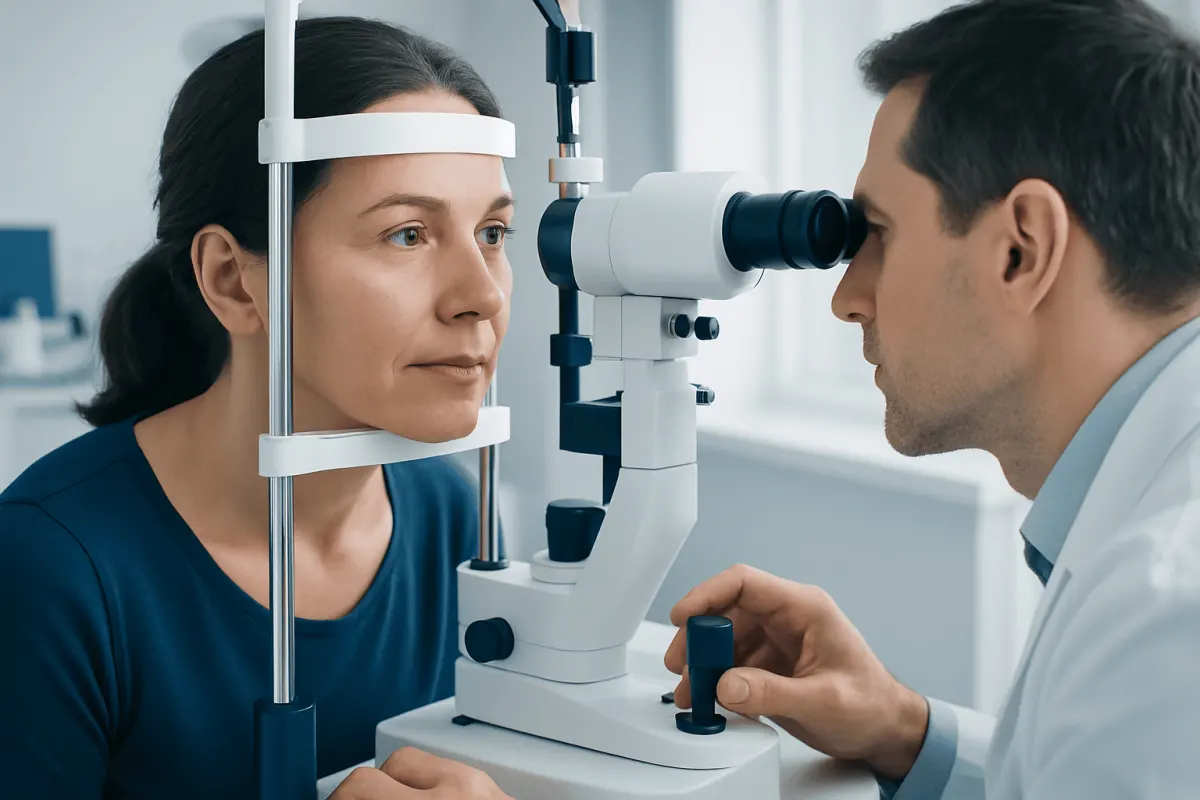
A glaucoma assessment is more detailed than a standard vision check. An ophthalmologist or suitably trained eye-care professional will ask about symptoms, family history, medications, past eye injuries, and health conditions. They will also examine the eyes, often after using drops to widen the pupils.
Eye pressure is measured with tonometry, but a single pressure measurement cannot diagnose or exclude glaucoma by itself. The clinician also examines the optic nerve at the back of the eye and may measure corneal thickness, as this can affect how pressure readings are interpreted.
Other tests commonly include visual field testing to identify changes in side vision, optical coherence tomography (OCT) to measure the nerve fiber layer, and gonioscopy to inspect the drainage angle. These tests create a baseline and help identify whether there is active damage or a meaningful change over time.
Regular follow-up matters because glaucoma diagnosis often depends on patterns, not one isolated result. A clinician will consider the whole picture: pressure levels, optic nerve appearance, scan results, visual fields, angle anatomy, and individual risk factors. This approach helps avoid both missed glaucoma and unnecessary treatment.
Treatment aims to preserve vision, not promise a cure
The central goal of glaucoma treatment is to lower eye pressure to a level that is safer for the individual optic nerve. The target pressure differs from person to person and may be adjusted over time based on test results and disease severity. Even when pressure begins in the normal range, lowering it can slow progression in normal-tension glaucoma.
Prescription eye drops are often the first treatment. Different types work by reducing fluid production, improving drainage, or both. Correct technique and regular use are important; a clinician or pharmacist can demonstrate how to apply drops and discuss possible side effects, interactions, and practical ways to remember them.
Laser treatment may improve fluid drainage in some forms of glaucoma, while laser peripheral iridotomy can help prevent or treat angle closure in appropriately selected eyes. If drops and laser treatment do not achieve adequate control, surgery may create a new drainage pathway or use an implanted drainage device. The best choice depends on the glaucoma type, eye anatomy, prior treatment, and the person’s overall health.
It is important not to stop drops or miss follow-up appointments simply because vision seems unchanged. Glaucoma damage can progress silently. A treatment plan should be reviewed with the treating ophthalmologist rather than changed in response to online cure claims or unverified supplements.
Living well with glaucoma: practical self-care and monitoring
For many people, living with glaucoma means building a sustainable routine rather than making drastic changes. Taking prescribed treatment as directed, attending eye appointments, and telling the care team about all medicines and supplements are among the most useful steps. If drops cause irritation, blurred vision, breathing symptoms, dizziness, or other concerns, the person should contact their clinician rather than stopping treatment independently.
After putting in eye drops, gently closing the eyelids and pressing lightly at the inner corner of the eye for a short time may reduce drainage into the nose and throat. This may also reduce body-wide absorption of some medicines. The treating clinician can provide individualized instructions, especially for people using more than one drop.
People should ask their doctor before using steroid eye drops, steroid skin creams near the eyes, inhaled steroids, or oral steroid medicines for long periods, as these can raise eye pressure in susceptible individuals. They should also mention glaucoma before taking new medicines, particularly if they have narrow angles or a history of angle closure.
Protective eyewear during activities with a risk of eye injury is sensible, and a balanced lifestyle supports general health. However, self-care does not replace specialist treatment. At Acıbadem Health Point, multidisciplinary specialists at JCI-accredited hospitals assess and treat glaucoma for international patients, with care plans based on the individual’s eye findings and follow-up needs.
When to seek medical care
Anyone with a family history of glaucoma, previous high eye-pressure readings, long-term steroid use, diabetes, major nearsightedness, or an eye injury should arrange a comprehensive eye examination even if vision feels normal. Adults without known risk factors should also follow the eye examination schedule recommended by their eye-care professional.
Seek urgent medical care for sudden severe eye pain, a red eye, rapidly blurred vision, halos around lights, severe headache with eye symptoms, nausea, or vomiting. These may be signs of acute angle closure or another urgent eye problem. Treatment should not be delayed while waiting to see whether symptoms settle.
A prompt, non-emergency appointment is appropriate for gradual loss of side vision, new difficulty adapting to darkness, unexplained changes in vision, or concerns about glaucoma medication. People already diagnosed with glaucoma should contact their treating team if they cannot use their prescribed drops, have troublesome side effects, or miss several doses.
Most importantly, glaucoma is not a personal failure and it is not managed through willpower alone. Reliable testing, individualized treatment, and long-term follow-up give people the best opportunity to preserve useful vision and continue everyday activities with confidence.
Frequently asked questions
01Can glaucoma be cured naturally?
No natural remedy has been shown to cure glaucoma or reverse optic nerve damage. Healthy lifestyle choices may support general health, but they do not replace prescribed drops, laser treatment, surgery, or follow-up eye examinations. A person should discuss supplements or alternative treatments with an ophthalmologist before using them.
02Can lost vision from glaucoma come back?
Vision loss from glaucoma is generally considered permanent because damaged optic nerve fibers do not currently regenerate. Treatment is aimed at protecting the remaining vision and slowing or stopping further damage. This is why early detection and consistent treatment are so valuable.
03Can eye pressure return to normal after glaucoma treatment?
Yes, eye pressure can improve with drops, laser procedures, or surgery. A normal pressure reading does not necessarily mean glaucoma has been permanently cured, because the optic nerve may still need ongoing protection and monitoring. The appropriate target pressure is individualized by the treating clinician.
04How often should someone with glaucoma have eye checks?
The schedule depends on the type and severity of glaucoma, eye pressure, treatment, and whether tests are stable. Some people need checks more frequently during diagnosis or treatment changes, while stable cases may need less frequent review. The ophthalmologist will recommend a follow-up plan based on the individual situation.
05Should glaucoma drops be used even when vision is good?
Yes, if they have been prescribed, glaucoma drops should usually be used even when vision seems normal. Early glaucoma often has no noticeable symptoms, while pressure-related damage may still occur. Any difficulty using drops or concerns about side effects should be discussed with the prescribing clinician.
06Can stress cause glaucoma?
Stress is not considered a direct cause of the common forms of glaucoma. It may make it harder to maintain medication routines or attend appointments, which can affect long-term control. Support, reminders, and discussing practical barriers with the care team can help.
This article is for general information only and is not a substitute for professional medical advice. Please consult a qualified doctor about your individual situation.
Explore treatments in Turkey — costs, top hospitals & a free quote
JCI-accredited · board-certified surgeons · reply within 24h
Add us as a Preferred Source to see more of our trusted health content across Google Search, AI Overviews and Discover.