Can Dandruff Trigger Hair Loss? Causes and Treatment Options
Dandruff itself does not usually damage hair follicles or cause permanent baldness. However, persistent flaking, itchiness, inflammation, and scratching may contribute to temporary shedding or hair breakage, especially when an underlying scalp condition is present.
Overview: Can Dandruff Cause Hair Loss?
Dandruff is a common scalp condition that causes visible white or yellowish flakes, often with itching or mild irritation. It is not usually a direct cause of permanent hair loss. The hair follicle, which is the structure in the skin that produces each hair, is generally not permanently harmed by uncomplicated dandruff.
However, dandruff can be linked with increased hair shedding in indirect ways. An itchy scalp may lead a person to scratch, rub, or pick at the skin and hair. This can break hair shafts and irritate the scalp further. Inflammation associated with more severe dandruff or seborrheic dermatitis may also temporarily disrupt the normal hair-growth cycle.
When the scalp condition is brought under control, temporary shedding often improves over time. But dandruff-like flaking can also occur with other conditions that do need targeted treatment. It is therefore helpful to seek medical advice when hair loss is noticeable, prolonged, patchy, or accompanied by significant scalp symptoms.
What Dandruff Looks and Feels Like
Dandruff commonly appears as loose flakes on the scalp, hair, shoulders, or clothing. The scalp may feel itchy, dry, tight, or mildly sensitive. Some people have fine, dry-looking flakes, while others develop thicker, oily, yellowish scale with redness underneath.
Dandruff is often considered part of a spectrum with seborrheic dermatitis, an inflammatory skin condition that can affect areas rich in oil glands. In addition to the scalp, it may cause flaking around the eyebrows, sides of the nose, ears, beard area, or upper chest.
Not every flaky scalp is dandruff. Hair products can cause irritation or allergic reactions, and psoriasis can create more sharply defined, thicker scale. A fungal scalp infection may cause scaling with broken hairs or patches of hair loss. Identifying the cause matters because the most appropriate treatment can differ.
How Dandruff May Be Linked to Shedding
The most frequent connection between dandruff and apparent hair loss is mechanical damage. Repeated scratching can loosen hairs that are already near the end of their growth cycle and can snap fragile hair shafts. It may also create small breaks in the skin, increasing irritation and discomfort.
Inflammation may contribute to temporary shedding when dandruff is more severe or related to seborrheic dermatitis. This type of shedding is usually diffuse, meaning it is spread across the scalp rather than forming a clearly defined bald patch. Once inflammation is controlled, hair follicles can often return to their usual growth pattern.
It is also possible for dandruff and another cause of hair loss to occur at the same time. Pattern hair loss, recent illness, emotional or physical stress, nutritional deficiencies, thyroid disorders, medication effects, and autoimmune conditions can all contribute to shedding independently of dandruff. A clinician can help separate these possibilities.
Permanent hair loss is not expected from ordinary dandruff. Permanent loss is more concerning when there is scarring, persistent severe inflammation, infection, or a separate disorder that damages follicles. Early assessment is particularly important if the scalp is painful, swollen, crusted, or developing smooth bald areas.
Causes and Risk Factors for Dandruff
Dandruff is thought to involve several factors, including skin-cell turnover, scalp oil production, individual skin sensitivity, and the presence of Malassezia yeast. Malassezia normally lives on the scalp of many healthy people, but some scalps react to it with irritation and increased flaking.
Symptoms can become more noticeable during periods of stress, fatigue, cold or dry weather, and inconsistent hair washing. Oily scalp skin may encourage visible scale, while overly harsh cleansing or frequent use of irritating products can weaken the skin barrier and cause dryness or sensitivity.
Some medical conditions can increase the likelihood of seborrheic dermatitis or persistent flaking. These include certain neurological conditions and immune system changes. Skin conditions such as psoriasis and atopic dermatitis may also affect the scalp and can resemble dandruff.
Hair type, styling habits, and product use can influence symptoms, but dandruff is not a sign of poor hygiene. Gentle, regular washing is usually helpful, while aggressive scratching, very hot water, harsh chemical treatments, and strongly fragranced products may aggravate a sensitive scalp.
Diagnosis and Tests
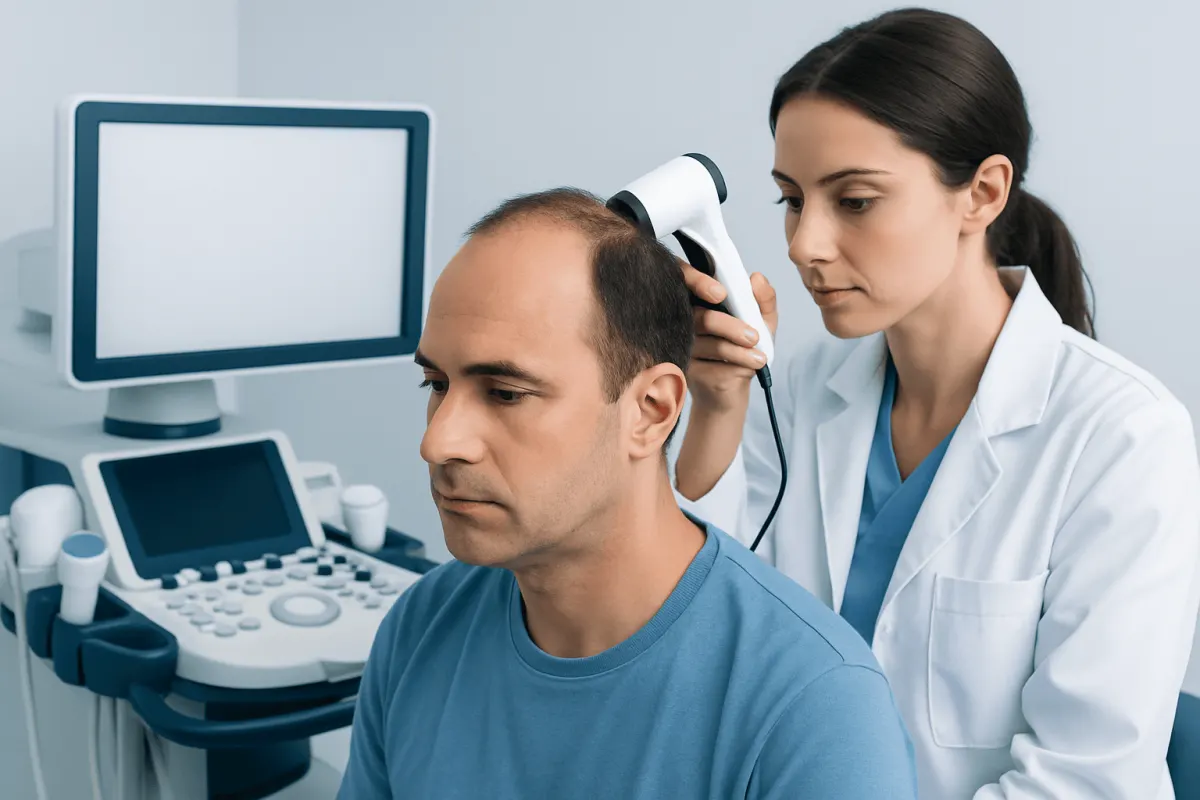
In many cases, a doctor or dermatologist can diagnose dandruff or seborrheic dermatitis by examining the scalp and asking about symptoms, hair-care habits, medical history, and the pattern of hair shedding. The clinician may look for redness, scale, broken hairs, signs of infection, and evidence of scarring.
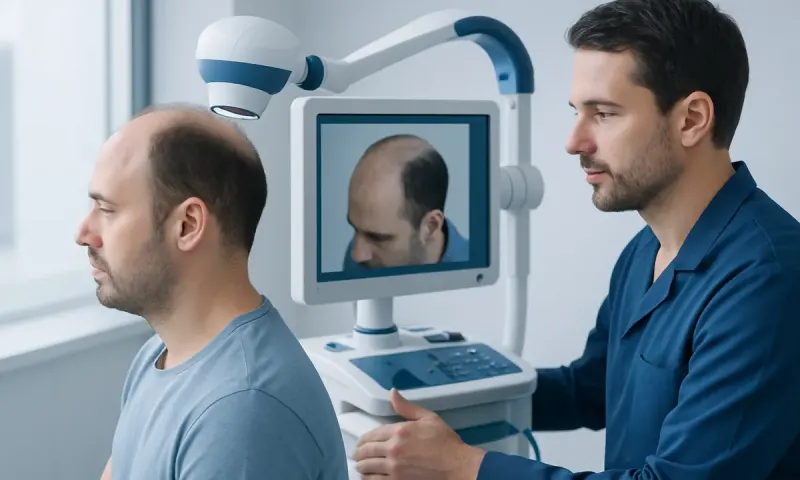
When hair loss is present, the assessment may include a hair-pull test or close examination of the scalp and hairs with a handheld magnifying device. These methods can help distinguish shedding from breakage and can identify features that suggest pattern hair loss, alopecia areata, or an inflammatory scalp disorder.
Additional tests are not always needed. If the diagnosis is unclear, a clinician may take a sample of scale or hair to check for fungal infection. Blood tests may be considered when diffuse shedding could be related to an underlying health issue, such as iron deficiency or thyroid dysfunction.
A scalp biopsy is reserved for selected cases, particularly when scarring hair loss or an uncommon inflammatory disease is suspected. This procedure involves taking a small skin sample under local anesthetic for laboratory examination.
Treatment Options for Dandruff and Related Shedding
For mild dandruff, regular use of an anti-dandruff shampoo is often the first step. Depending on the product, active ingredients may help reduce yeast, loosen scale, calm inflammation, or slow excess skin-cell turnover. A person should follow the product directions, including how long to leave the shampoo on the scalp before rinsing.
Common medicated shampoo ingredients include ketoconazole, selenium sulfide, zinc pyrithione, salicylic acid, coal tar, and ciclopirox. The most suitable option depends on scalp sensitivity, symptoms, hair type, and local availability. Alternating products may be useful for some people, but a doctor or pharmacist can advise on safe choices.
For more persistent inflammation, a dermatologist may recommend a prescription antifungal treatment, a short course of topical anti-inflammatory medication, or another treatment suited to the diagnosis. It is important not to use strong steroid scalp products for long periods without medical supervision. If a fungal infection is found, treatment differs from routine dandruff care and may require prescription medicine.
When a separate hair-loss condition is identified, treatment should focus on that cause as well as scalp health. For example, alopecia areata can cause sudden round or oval bald patches and requires medical evaluation. For suitable people with established pattern hair loss, clinicians may also discuss non-surgical hair restoration options after the scalp condition has been assessed and managed.
Scalp Care and Prevention
Consistent, gentle scalp care can reduce dandruff flare-ups and limit scratching-related hair breakage. Washing often enough to remove excess oil and scale is useful for many people, although the ideal schedule varies with hair texture, scalp oiliness, styling routines, and product use.
During washing, the shampoo should be applied to the scalp rather than only to the hair lengths. Fingertips, not nails, can be used to massage the scalp gently. Rinsing thoroughly helps prevent residue that may irritate sensitive skin. Conditioner can be placed mainly on the mid-lengths and ends if the scalp tends to become oily.
People with dandruff should try to avoid picking at scale and tight hairstyles that pull on fragile hair. It may also help to limit hot styling tools, chemical processing, and heavily fragranced products if these appear to worsen irritation. Maintaining a balanced diet, adequate sleep, and stress-management routines supports general skin and hair health, although these measures do not replace medical treatment when it is needed.
Hair transplantation is not a treatment for dandruff or active inflammatory scalp disease. If permanent hair loss is later diagnosed and the scalp is stable, an appropriate candidate may discuss procedures such as FUE hair transplant with a qualified hair-restoration specialist.
When to See a Doctor
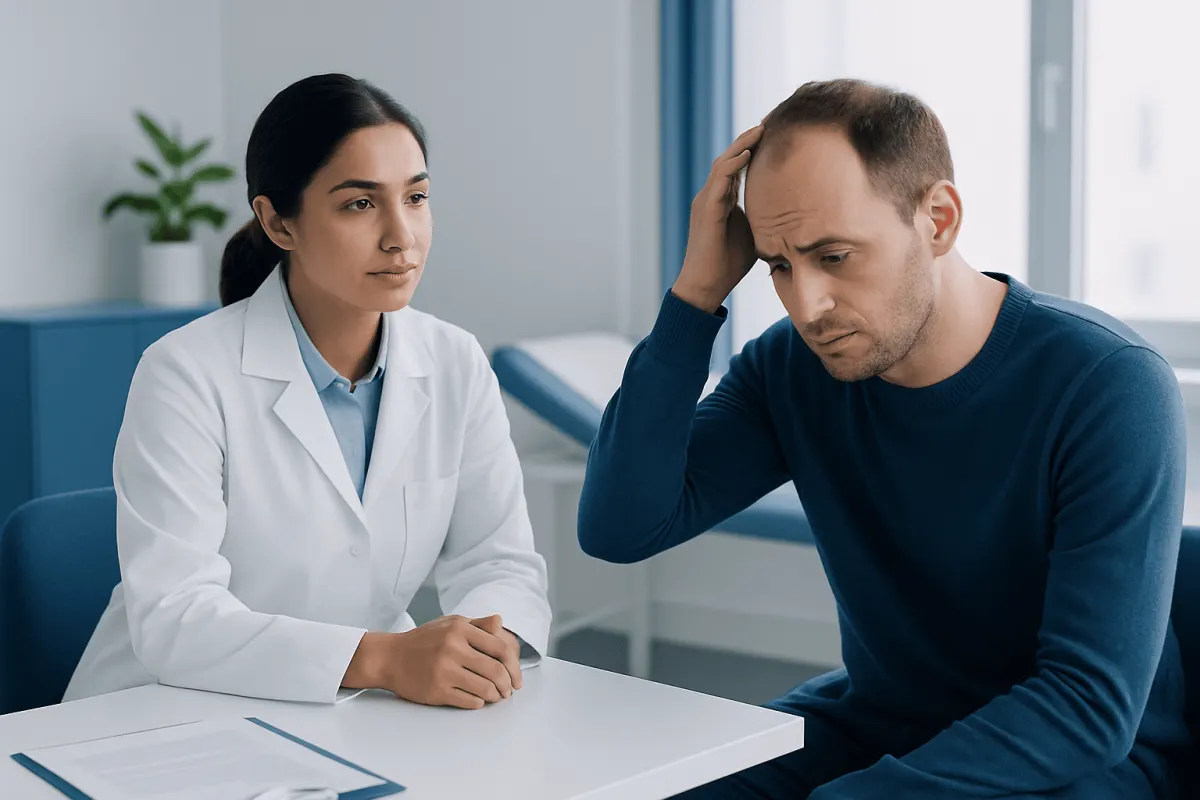
A doctor or dermatologist should be consulted when dandruff does not improve after several weeks of appropriate over-the-counter care, returns frequently, or causes significant itching, redness, discomfort, or embarrassment. Medical assessment is also sensible when a person is unsure whether the problem is dandruff or another skin condition.
Hair loss should be assessed promptly if it is sudden, patchy, associated with broken hairs, or accompanied by pain, swelling, pus, crusting, bleeding, or tender scalp areas. These features can indicate infection, inflammatory disease, or another condition that benefits from early treatment.
It is also useful to seek advice for widespread shedding that persists, a widening part line, receding hairline, or thinning that affects confidence and daily life. A clinician can review medical history, medications, recent illness, diet, stressors, and family history while examining the scalp.
Acıbadem Health Point’s multidisciplinary specialists and JCI-accredited hospitals diagnose and treat scalp and hair conditions for international patients. A dermatology assessment can help establish the cause of both flaking and hair shedding, then guide a tailored, evidence-based care plan.
Frequently asked questions
01Can dandruff cause permanent hair loss?
Ordinary dandruff does not usually cause permanent hair loss because it does not generally destroy hair follicles. Severe inflammation, persistent scratching, or another undiagnosed scalp condition may contribute to shedding or breakage. A dermatologist can assess any ongoing or significant hair loss.
02Will hair grow back after dandruff is treated?
If shedding is related to scalp irritation or scratching and the follicles remain healthy, hair commonly resumes its normal growth cycle after the scalp improves. Visible regrowth can take time because hair grows gradually. If thinning continues despite treatment, another cause should be investigated.
03How often should someone wash their hair if they have dandruff?
The best frequency varies between individuals, but regular washing is often helpful for controlling scale and oil. Medicated shampoos should be used according to their instructions, as some are intended for several uses per week and others for less frequent maintenance. A clinician can advise people with a very sensitive, dry, or tightly curled hair type.
04Can anti-dandruff shampoo make hair fall out?
Anti-dandruff shampoos are generally safe when used as directed. Some products can cause dryness, irritation, or hair texture changes in sensitive individuals, which may increase breakage. Stopping a product and seeking advice is sensible if burning, rash, worsening itch, or marked shedding occurs.
05What is the difference between dandruff and seborrheic dermatitis?
Dandruff usually refers to scalp flaking without marked inflammation. Seborrheic dermatitis is a related condition that can involve more redness, itchiness, oily scale, and flaking in other areas such as the eyebrows, ears, or sides of the nose. Both can often be managed, but more severe symptoms may need prescription treatment.
06When is hair loss with dandruff a warning sign?
Medical review is important for sudden bald patches, painful or swollen scalp skin, pus, crusting, bleeding, or hairs breaking close to the scalp. Persistent widespread shedding or progressive thinning also deserves assessment. These signs may point to a condition other than uncomplicated dandruff.
This article is for general information only and is not a substitute for professional medical advice. Please consult a qualified doctor about your individual situation.
Hair transplant in Turkey — costs, graft counts & a free assessment
JCI-accredited · board-certified surgeons · reply within 24h
Add us as a Preferred Source to see more of our trusted health content across Google Search, AI Overviews and Discover.