Can Contact Lens Solution Be Used as Eye Drops?

Contact lens solution should generally not be used as eye drops because it is designed to clean, disinfect, or store lenses rather than soothe the eye. A one-time accidental use is often not serious, but burning, persistent redness, pain, blurred vision, or light sensitivity needs prompt medical assessment.
Can Contact Lens Solution Be Used as Eye Drops?
No, contact lens solution should not routinely be used as eye drops. It is formulated to clean, rinse, disinfect, or store contact lenses, not to lubricate the surface of the eye. While a small, one-time amount of many multipurpose solutions in the eye is often harmless and may cause only short-lived stinging or redness, it is not an appropriate substitute for eye drops.
The safest response depends on the product. If an ordinary multipurpose lens solution was accidentally used, removing contact lenses and rinsing the eye with clean running water or sterile saline may help. If a hydrogen peroxide-based solution was used, the eye should be rinsed immediately and thoroughly, because these products can cause intense burning and surface irritation when they are not fully neutralized.
For dryness or minor irritation, preservative-free artificial tears or rewetting drops specifically labeled for contact lens wear are better options. Continued symptoms should not simply be attributed to dry eyes, as they can sometimes reflect allergy, infection, inflammation, or a problem with the contact lenses themselves.
Why Contact Lens Solutions and Eye Drops Are Different
Contact lens products have different purposes. Multipurpose solutions are intended to remove deposits, rinse lenses, disinfect them, and store them overnight. They may contain preservatives, surfactants, buffers, and antimicrobial ingredients that are useful for lens care but can sting or irritate the eye’s delicate surface when placed directly into it.
Eye drops are formulated for direct eye use. Artificial tears generally contain lubricating ingredients that support the tear film and reduce friction on the cornea, the clear front surface of the eye. Some drops are made for allergy symptoms, redness, infection, glaucoma, or inflammation; each has a distinct purpose and should be used according to a clinician’s advice or the product label.
Contact lens rewetting drops are a separate category. These may be used while lenses are being worn if the label specifically says so. They are not the same as multipurpose cleaning solution, and they should not be confused with saline used for rinsing lenses.
- Multipurpose solution: cleans, disinfects, rinses, and stores lenses.
- Hydrogen peroxide system: disinfects lenses but must be neutralized in its special case before lenses are worn.
- Saline: rinses lenses but does not disinfect them and is not necessarily lubricating.
- Artificial tears or rewetting drops: are designed to be placed in the eyes.
What May Happen After Accidental Use

A person may notice brief stinging, watering, redness, grittiness, or a mild burning sensation after multipurpose contact lens solution enters the eye. In many cases, symptoms improve after the product is rinsed away and the eyes are rested. Contact lenses should be removed if possible, especially if the eye feels uncomfortable or vision is blurry.
The level of irritation varies with the solution, the amount used, and the condition of the eye surface. Eyes that are already dry, inflamed, recently injured, or affected by allergy may be more sensitive. Repeated use can worsen dryness or irritation because the ingredients in lens solution are not designed for frequent direct exposure to eye tissues.
Hydrogen peroxide lens solution deserves particular caution. It is safe for cleaning lenses only when used exactly as directed with its supplied neutralizing case. Direct exposure can cause pronounced burning, redness, tearing, eyelid swelling, and temporary blurred vision. It should never be used as eye drops, and lenses that have not completed the required neutralization process should not be inserted.
What to Do if Lens Solution Gets in the Eye
For most accidental exposures, the first step is to remove contact lenses, if they can be removed comfortably. The eye can then be gently flushed with clean lukewarm running water or sterile saline. Blinking during rinsing can help clear the product from the eye surface. Hands should be washed before touching the eye or handling lenses.
After rinsing, the person should avoid putting the lenses back in until the eye feels completely normal. It is sensible to use a fresh, properly disinfected pair of lenses later or wear glasses for the rest of the day. Artificial tears may be used if needed, provided they are intended for eye use and are used according to their label.
It is not advisable to try to counteract the solution with other eye products, use redness-relieving drops to mask symptoms, or continue wearing uncomfortable lenses. The contact lens case and solution should also be checked to make sure the correct product was used. A hydrogen peroxide product should always be kept separate from ordinary multipurpose solution to reduce the risk of mix-ups.
Dry Eyes, Contact Lenses, and Safer Relief
Dryness is common among contact lens wearers and can feel like burning, scratchiness, tired eyes, fluctuating vision, or the sensation that a lens is sticking. Long periods of screen use, dry or air-conditioned environments, wind, smoke, dehydration, certain medicines, and reduced blinking can all contribute. Lens deposits, poor lens fit, and wearing lenses longer than recommended can also make symptoms worse.
For occasional dryness, lubricating eye drops labeled as artificial tears can provide relief. People who wear lenses should choose drops that are compatible with their lens type if they plan to use them while wearing lenses. Preservative-free products may be particularly helpful for people who need drops frequently or have sensitive eyes, although an eye-care professional can advise on the most suitable option.
Simple habits can also support comfort: taking regular screen breaks, blinking fully, limiting lens wear when eyes are irritated, replacing lenses as scheduled, and following cleaning instructions exactly. Persistent symptoms may need assessment for dry eye syndrome or related eyelid and tear-film concerns, rather than ongoing self-treatment alone.
How an Eye Doctor Evaluates Ongoing Irritation
If symptoms do not settle, an optometrist or ophthalmologist will usually ask about the exact product used, the timing of symptoms, contact lens type, wearing schedule, and cleaning routine. Bringing the solution bottle or taking a photograph of its label can help identify whether it contains hydrogen peroxide or other ingredients that may explain the reaction.
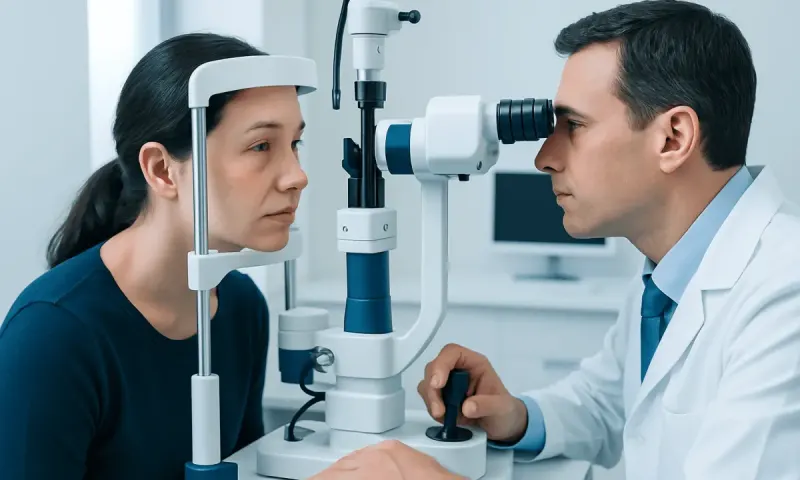
The examination may include checking vision, looking at the eyelids and front of the eye with a slit lamp, and assessing the cornea for dryness, scratches, inflammation, or infection. Special dyes may be used to show areas where the eye surface has been irritated. The clinician may also evaluate lens fit and look for deposits or damage on the lenses.
Treatment depends on the cause. It may involve temporarily stopping contact lens wear, using lubricating drops, replacing lenses or solution, addressing allergy or eyelid inflammation, or prescribing medicine when an infection or more significant inflammation is present. Avoid using leftover prescription eye drops without medical advice, as the wrong treatment can delay appropriate care.
When to Seek Medical Care
Medical care is advisable if discomfort continues after rinsing, particularly if there is ongoing pain, marked redness, light sensitivity, swelling, discharge, blurred vision, or a feeling that something remains in the eye. These symptoms may indicate more than temporary irritation and are especially important in people who wear contact lenses, as contact lens-related corneal infections can progress quickly.
Urgent same-day assessment is appropriate after direct exposure to hydrogen peroxide solution if burning, redness, or visual symptoms persist despite thorough rinsing. A person should also seek prompt advice after any chemical exposure when they are unsure which product entered the eye. Severe pain, sudden loss of vision, or significant eye injury requires emergency care.
Acıbadem Health Point’s multidisciplinary eye specialists and JCI-accredited hospitals can assess eye irritation, contact lens complications, and other eye-surface concerns for international patients. Early evaluation is reassuring in most cases and helps ensure that any corneal injury or infection receives the right care without delay.
Frequently asked questions
01Can saline contact lens solution be used as eye drops?
Sterile saline may be used to rinse the eye in some situations, but it is not the same as lubricating eye drops and may not relieve dryness effectively. Saline intended for contact lenses also does not disinfect lenses. It is best to use a product that is specifically labeled for direct use in the eyes.
02What should someone do if they accidentally use contact solution as eye drops?
They should remove contact lenses if possible and rinse the eye gently with clean water or sterile saline. Mild stinging often improves soon afterward. If symptoms persist, vision changes occur, or the product was hydrogen peroxide-based, they should contact an eye-care professional promptly.
03Can hydrogen peroxide contact lens solution damage the eyes?
Hydrogen peroxide solution can cause significant burning and irritation if it reaches the eye before it has been neutralized. Prompt, thorough rinsing is important. Persistent pain, redness, light sensitivity, or blurred vision should be evaluated urgently.
04Are rewetting drops the same as contact lens solution?
No. Rewetting drops are made to lubricate the eyes and contact lenses and may be used during lens wear when the label permits it. Multipurpose lens solution is designed mainly for cleaning, disinfecting, rinsing, and storing lenses.
05Why do contact lens solutions sting when they get in the eye?
Cleaning and disinfecting solutions can contain preservatives and antimicrobial ingredients that are not intended to remain on the eye surface. These ingredients may disturb the tear film or irritate sensitive tissues. Stinging should be brief after a small accidental exposure, but continuing symptoms need assessment.
06What eye drops are best for contact lens dryness?
Artificial tears or rewetting drops specifically labeled as compatible with contact lenses are generally appropriate for occasional dryness. Preservative-free tears may be useful when drops are needed often. Frequent dryness, pain, or worsening vision should be discussed with an eye-care professional rather than managed with repeated drops alone.
This article is for general information only and is not a substitute for professional medical advice. Please consult a qualified doctor about your individual situation.
Explore treatments in Turkey — costs, top hospitals & a free quote
JCI-accredited · board-certified surgeons · reply within 24h
Add us as a Preferred Source to see more of our trusted health content across Google Search, AI Overviews and Discover.