Can a Biopsy Cause Cancer to Spread?
Can biopsy cause cancer to spread? For most cancers, the answer is no: biopsies are essential diagnostic procedures, and cancer spread caused by a biopsy is considered very rare. Doctors select and perform biopsy methods carefully to obtain an accurate diagnosis while minimizing risks.
Can Biopsy Cause Cancer to Spread?
Can biopsy cause cancer to spread? In nearly all situations, no. A biopsy removes cells or a small piece of tissue so a pathologist can examine it and determine whether cancer is present. Modern biopsy techniques are planned carefully, and the chance that a biopsy causes cancer cells to travel and grow elsewhere is considered very low.
People may understandably worry that disturbing a tumor could make it spread faster. However, cancer can spread when cells enter lymphatic channels or blood vessels as part of the disease’s natural biology. A biopsy does not usually change this process. In contrast, a timely biopsy may be the key step that allows doctors to identify the condition and recommend appropriate treatment.
There are rare, cancer- and procedure-specific situations in which tumor cells may be found along the path of a needle or surgical incision. This is called tract seeding. Specialists account for this possibility when choosing the biopsy approach, particularly for certain tumors. The potential benefit of establishing an accurate diagnosis generally outweighs this uncommon risk.
Why a Biopsy Is Important in Cancer Care
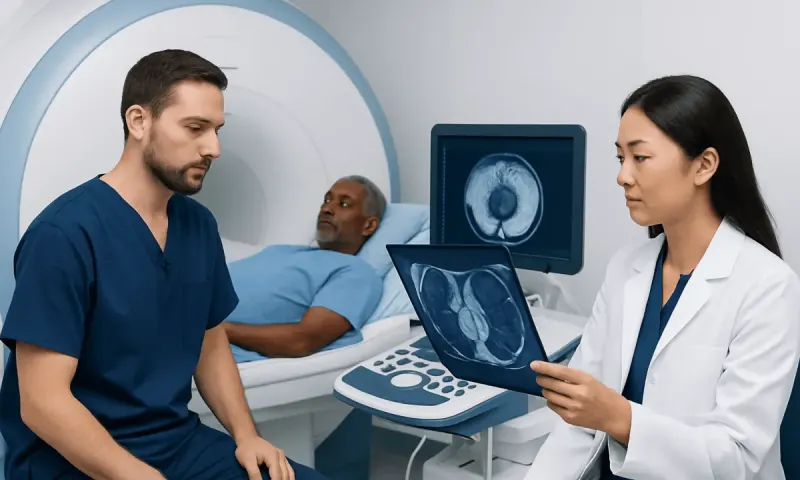
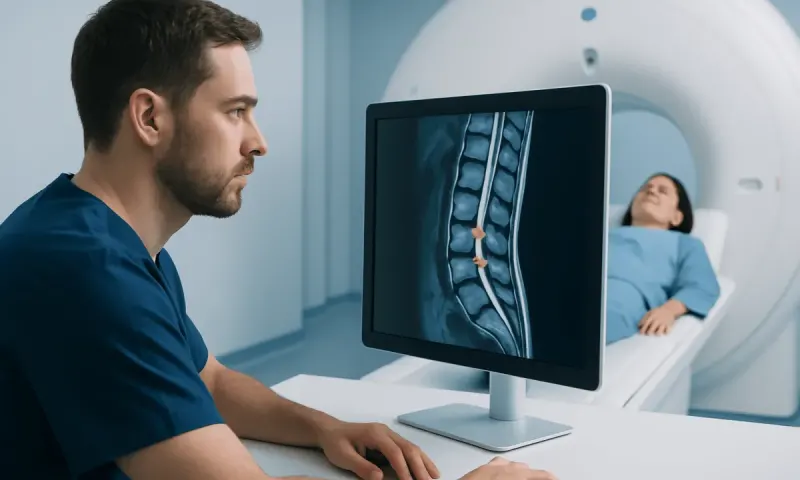
Imaging tests such as ultrasound, CT, MRI and PET scans can show an abnormal area, but they often cannot confirm whether it is cancer. A biopsy provides tissue that can be examined under a microscope. It may distinguish cancer from infection, inflammation, benign growths and other conditions that can look similar on a scan.
If cancer is found, pathology testing may identify the cancer type, grade and biological features. This information helps the clinical team determine whether surgery, systemic treatment, radiation therapy, monitoring or another approach is most suitable. In many cases, treating a suspected cancer without tissue confirmation could lead to unnecessary or poorly targeted care.
Biopsies may be performed with a fine needle, a larger core needle, an endoscope, a skin punch, or a minor surgical procedure. The method depends on the location and appearance of the abnormality, a person’s health, and what type of sample is needed. Some findings that need biopsy may later prove to be noncancerous.
What Are the Odds of Cancer Spreading After a Biopsy?
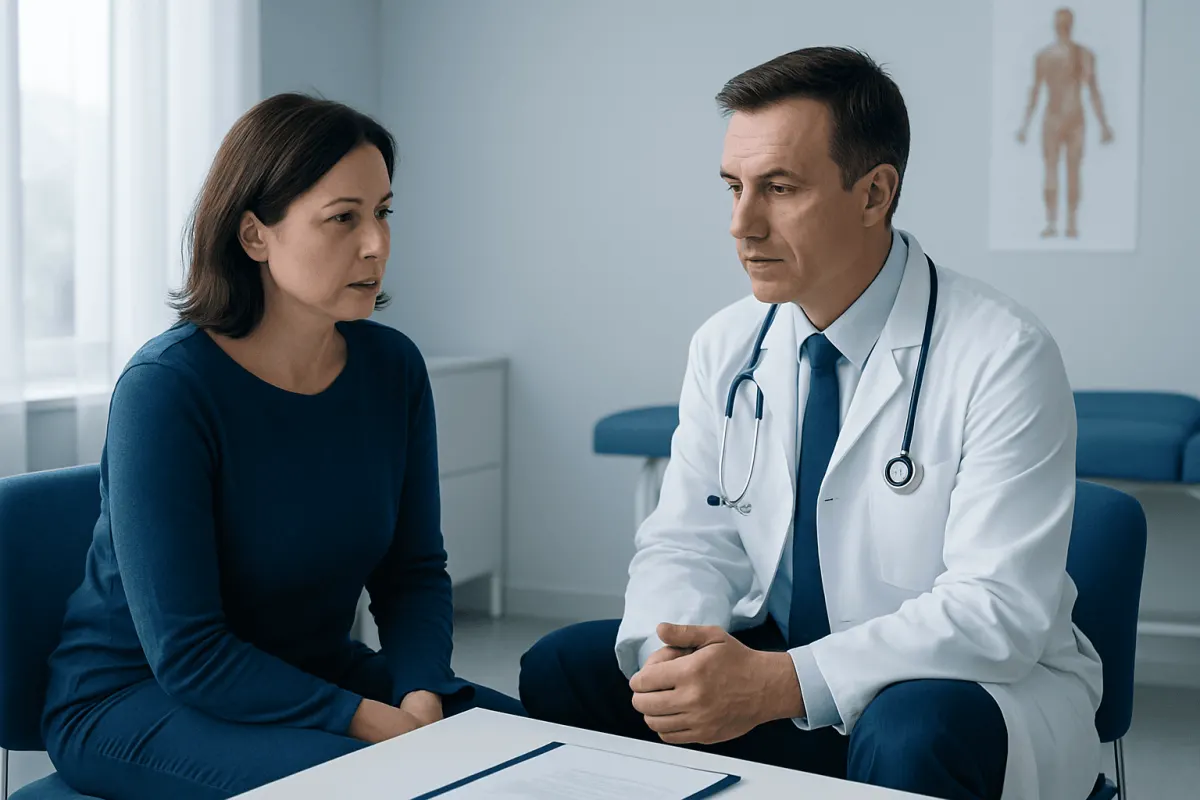
The odds of cancer spreading after a biopsy are very low, although no invasive procedure is entirely risk-free. Exact estimates are difficult because they vary by tumor type, biopsy technique, tumor location and how carefully cases are followed. Reported examples of tract seeding are uncommon, particularly with image-guided needle biopsies performed using current standards.
For most people, the risk from delaying or avoiding a needed biopsy is more significant than the rare possibility of biopsy-related cell displacement. Without a diagnosis, an aggressive cancer could continue to grow or spread naturally, while a benign condition may be mistaken for cancer. A clinician can explain the balance of risks and benefits for the individual situation.
Questions online such as “can biopsy cause cancer to spread Reddit” may bring up personal stories, but individual experiences cannot show that a biopsy caused spread. Cancers can progress despite appropriate testing, and cancer may already have microscopic spread before it is detected. Doctors assess timing, imaging and pathology findings rather than assuming a biopsy was the cause.
How Do Doctors Prevent Cancer Spread During Biopsy?
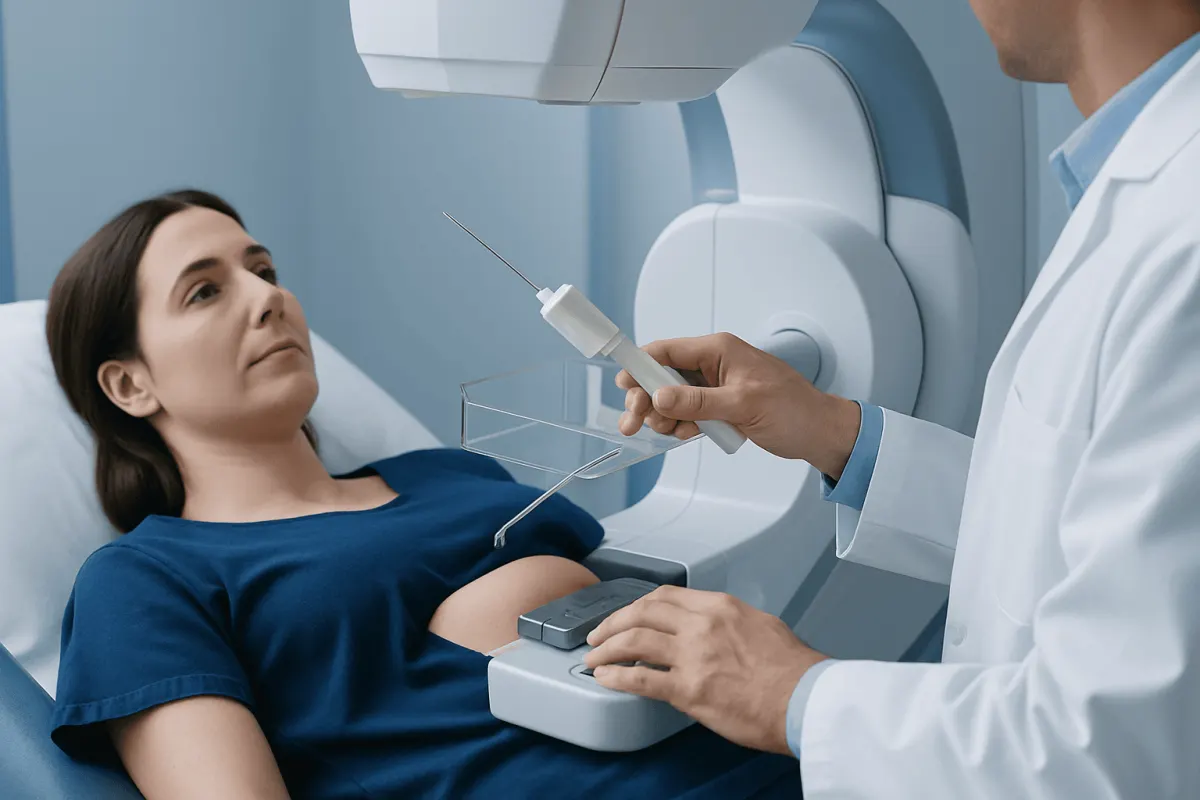
Doctors reduce risk by selecting the safest procedure that will provide an adequate sample. Many biopsies use ultrasound, CT, MRI or other imaging guidance to direct the needle precisely into the target. This reduces unnecessary passes through tissue and helps avoid blood vessels, organs and other sensitive structures.
For some tumors, the biopsy route is deliberately chosen so that the small needle path can be removed later during surgery if needed. Interventional radiologists, surgeons and oncologists may discuss the plan in advance for lesions where this detail is especially important. In selected procedures, a coaxial needle system may allow several samples to be taken through one outer access needle.
Sterile technique, appropriate needle selection and careful handling of tissue also support safety. If an operation is already planned and the lesion can be removed safely, a surgeon may sometimes recommend removing the whole abnormal area rather than taking a separate biopsy. The best approach is individualized; it should be discussed with the clinician performing the procedure.
Can You Tell If Cancer Has Metastasized From a Biopsy?
A biopsy can sometimes confirm that a sampled lymph node, organ or bone lesion contains cancer cells. If the cells match a known cancer elsewhere in the body, this may show metastasis. However, a biopsy of the original tumor alone cannot usually determine whether cancer has spread to other locations.
Staging commonly combines pathology results with imaging tests, physical examination and laboratory tests. Depending on the cancer type, doctors may use CT, MRI, PET-CT, bone scans, ultrasound or endoscopic assessments. Some patients also need biopsies of suspicious areas away from the original tumor to clarify whether they are metastatic.
Finding cancer cells in a biopsy does not show when those cells arrived or whether a prior procedure contributed. Doctors interpret the full clinical picture to determine stage and to make treatment recommendations. A confirmed diagnosis provides important information for this process.
Can Prostate, Thyroid or Needle Biopsy Cause Cancer to Spread?
Can needle biopsy cause cancer to spread? Needle biopsies are widely used and are generally considered safe when recommended by an experienced team. Fine-needle aspiration and core needle biopsy allow tissue or cells to be obtained with a small puncture, often with local anesthetic and imaging guidance.
Can prostate biopsy cause cancer to spread? Prostate cancer spreading because of a prostate biopsy is considered exceptionally uncommon. A prostate biopsy may be recommended when PSA results, examination findings or MRI show an area that needs evaluation. The findings can help distinguish cancer from benign prostate enlargement, inflammation and other causes of an abnormal result.
Can thyroid biopsy cause cancer to spread? Fine-needle aspiration is a standard way to assess thyroid nodules and is associated with a very low risk of tumor seeding. Most thyroid nodules are not cancerous, and cytology from a needle sample can help determine whether monitoring, further testing or treatment is appropriate. In each setting, the care team weighs the value of the result against the specific procedural risks.
What Are the Risks of Biopsy?
The risks of biopsy depend on where the sample is taken and how it is collected. Common short-term effects include mild pain or tenderness, bruising and a small amount of bleeding. These often improve over a few days. A local anesthetic may be used for many needle and skin biopsies.
Less common risks include infection, significant bleeding, injury to a nearby structure, an allergic reaction to medication or contrast material, and complications related to sedation. Biopsies of the lung, liver, kidney, bone marrow or deep abdominal areas have their own considerations, which the clinician should explain before consent. The care team may review medicines that affect bleeding and may request blood tests when appropriate.
Needle-track seeding is a rare possible risk for some cancers, but it is not a common explanation for cancer progression. The clinical team will discuss meaningful risks before the procedure and provide aftercare instructions. Patients should ask what type of biopsy is planned, what information it is expected to provide, and what symptoms to report afterward.
- Persistent or worsening bleeding
- Increasing redness, warmth, swelling or drainage at the biopsy site
- Fever, chills or feeling unwell after the procedure
- Severe or worsening pain, shortness of breath, dizziness or fainting
When to Seek Medical Care
People should seek medical care promptly if they have been advised to have a biopsy for a suspicious lump, unexplained bleeding, persistent change in bowel or bladder habits, a changing skin lesion, unexplained weight loss, or an abnormal imaging result. These symptoms can have many causes, and they do not always indicate cancer, but timely evaluation helps establish the cause.
After a biopsy, the person should contact the procedure team or seek urgent care for severe pain, heavy bleeding, fever, breathing difficulty, fainting, rapidly increasing swelling, or any symptom included in their discharge instructions. It is also appropriate to contact the team for concerns about wound care, medications or expected recovery.
A person who is concerned that a biopsy will cause cancer to spread should discuss this directly with their doctor before deciding. The doctor can explain why the biopsy is recommended, alternatives if any exist, and the safety measures used. Acıbadem Health Point’s multidisciplinary specialists and JCI-accredited hospitals diagnose and treat cancer-related conditions for international patients, with biopsy planning tailored to the clinical situation.
Frequently asked questions
01Can biopsy cause cancer to spread faster?
A biopsy does not usually cause cancer to spread faster. Cancer growth and spread are primarily determined by the tumor’s biology and stage. In rare circumstances, cells may be displaced along a biopsy tract, but modern techniques are designed to make this risk very low.
02Does biopsy cause cancer to spread?
For the vast majority of biopsies, there is no evidence that the procedure causes cancer to spread in a clinically meaningful way. Biopsy is often necessary to confirm the diagnosis and guide treatment. A doctor can explain whether any special considerations apply to a particular tumor or biopsy location.
03Will biopsy cause cancer to spread if the tumor is touched?
No, simply sampling or touching a tumor during a properly performed biopsy does not generally cause it to spread. Cancer can spread through biological pathways before diagnosis, which may make progression appear connected to an earlier procedure. Careful biopsy planning helps minimize avoidable risk.
04How long does it take to get biopsy results?
Timing varies by the sample type and tests required. Some routine pathology results may be available within several days, while specialized staining, genetic or molecular tests can take longer. The care team can provide the expected timeline and explain how results will be communicated.
05Is a biopsy always needed to diagnose cancer?
Many suspected cancers require a biopsy for confirmation, but there are exceptions. In some situations, imaging, blood tests or the need for urgent treatment may allow doctors to make decisions without a conventional biopsy. The choice depends on the suspected condition, location and overall clinical picture.
06What should a person ask before a biopsy?
Helpful questions include why the biopsy is needed, which technique will be used, what risks apply, how to prepare, and when results are expected. The person may also ask whether blood-thinning medicines or other medications need adjustment. Medication changes should only be made with guidance from the prescribing clinician or procedure team.
This article is for general information only and is not a substitute for professional medical advice. Please consult a qualified doctor about your individual situation.
Oncology care in Turkey — second opinion and treatment plan
JCI-accredited · board-certified surgeons · reply within 24h
Add us as a Preferred Source to see more of our trusted health content across Google Search, AI Overviews and Discover.