What Is Radiofrequency Skin Tightening? A Complete Medical Guide

Key Takeaways
- Radiofrequency skin tightening uses heat energy to stimulate collagen remodeling in the skin.
- It may help improve mild to moderate skin laxity on the face and body, but it is not a substitute for surgery in advanced sagging.
- Results usually develop gradually and often require a series of sessions rather than one treatment.
- Most people experience little downtime, though temporary redness, swelling, or tenderness can occur.
- A proper consultation is important to check skin concerns, medical history, and the most suitable device or treatment plan.
Radiofrequency skin tightening is a non-surgical treatment that uses controlled energy to warm deeper skin layers, encouraging firmer-looking skin over time. It is often considered by people who want to address mild to moderate laxity without surgery, with care plans tailored to skin type, age, and goals.
Overview
Radiofrequency skin tightening is a medical-aesthetic treatment designed to make skin look firmer by delivering controlled radiofrequency energy into the deeper layers of the skin. The heat created by this energy helps trigger collagen remodeling, which may gradually improve the appearance of laxity, fine lines, and some contour changes.
For many people, the appeal is straightforward: it is a non-surgical option with limited recovery time. That makes it relevant for someone planning treatment around work, travel, or a short stay abroad, where a patient may want to return home soon after a procedure and continue care with clear follow-up instructions.
It is important to set expectations well. Radiofrequency skin tightening can be helpful for mild to moderate skin looseness, but it does not lift significant sagging in the same way surgery can. A qualified clinician usually assesses whether the concern is early skin laxity, volume loss, or another issue that would need a different approach.
How It Works
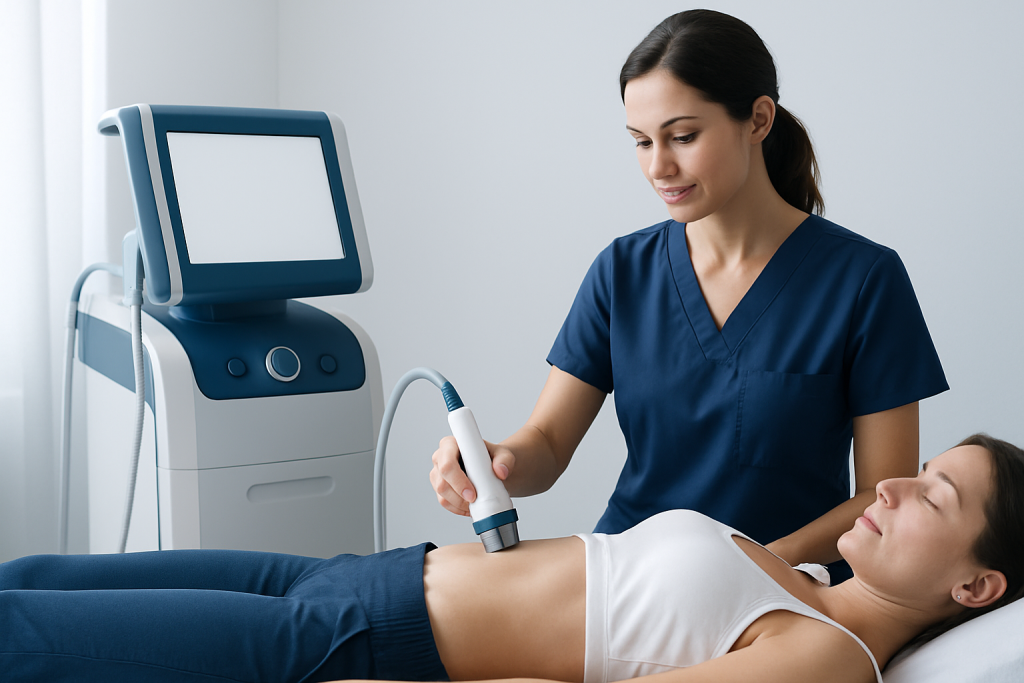
Radiofrequency devices send energy through the outer skin and into the deeper dermal tissue. That energy is converted into heat, and the tissue response can encourage existing collagen fibers to contract and new collagen to form over time. Since collagen supports skin structure, this remodeling process may create a smoother and firmer appearance gradually rather than instantly.
Different systems work in slightly different ways. Some target the skin surface and upper dermis, while others use microneedles or apply energy more deeply. The right option depends on the treatment area, the degree of laxity, skin texture concerns, and how much downtime a person can realistically manage.
Because the effects are biological rather than mechanical, results usually appear in stages. Some people notice a subtle change soon after treatment, but the more meaningful improvement often develops over several weeks or months as the skin rebuilds and reorganizes collagen.
What It Can Help Improve

Radiofrequency skin tightening is often used for concerns that are early, localized, or moderate in degree. Common treatment areas include the face, jawline, neck, abdomen, arms, and thighs. In facial care, it may be chosen for mild jowling, looseness around the cheeks, or softer skin texture.
It may also be part of a broader treatment plan when skin aging is linked to more than one factor. For example, someone may have both laxity and fine lines, or mild crepiness along with volume loss. In those cases, radiofrequency can be combined with other doctor-recommended procedures, but only after a careful assessment of what is actually driving the change.
- Mild to moderate skin laxity
- Fine lines and early wrinkles
- Crepey skin texture
- Some contour softening on the face or body
It is less effective when skin is severely stretched or when deep tissue descent is the main issue. A direct consultation helps determine whether radiofrequency is likely to meet the person’s goals or whether another treatment would be more appropriate.
Who May Be a Good Candidate
The best candidates are typically adults who want a non-surgical improvement in skin firmness and understand that results are gradual. People with realistic expectations often do best, especially when they are looking for subtle refinement rather than dramatic change.
Medical history matters. A clinician will usually ask about pregnancy, implanted electronic devices, active skin infections, autoimmune conditions, recent procedures, and any history of keloids or poor wound healing. Skin type and sensitivity also influence device selection and treatment planning.
International patients often appreciate that these questions can be reviewed before travel, so a clinic can confirm whether the person is a suitable candidate and estimate how many sessions might be needed. That kind of planning can make follow-up easier after returning home.
The Treatment Experience
During treatment, the skin is cleaned and the device is applied to the target area. Patients usually feel warmth, tingling, or a brief sensation of heat, depending on the technology used and the area being treated. Most sessions are performed in an outpatient setting.
The appointment length varies by area and device, but many treatments are relatively efficient. A clinician may adjust settings gradually to balance comfort and effectiveness, and cooling methods may be used to protect the skin surface.
After the session, the skin may look pink or feel warm, similar to a mild sun exposure response. This usually settles fairly quickly. People are often able to resume normal daily activities soon afterward, although the clinician may advise avoiding intense heat, vigorous exercise, or irritating skincare for a short period.
Risks, Side Effects, and Limitations
Radiofrequency skin tightening is generally well tolerated when performed by trained professionals, but side effects can happen. Temporary redness, swelling, tenderness, and mild dryness are among the most common short-term effects. Less commonly, there may be temporary changes in skin sensation or uneven results.
There are also limitations to keep in mind. Too much expectation can lead to disappointment if a person is hoping for a surgical-level lift from a non-surgical procedure. The result depends on the quality of the device, the operator’s experience, the person’s skin condition, and how closely aftercare is followed.
For that reason, safe treatment depends on good medical judgment, not just the device itself. A careful consultation should include a discussion of benefits, risks, and what degree of improvement is realistic for that specific patient.
Preparation, Aftercare, and Prevention of Further Laxity
Preparation usually starts with a thorough skin assessment and a discussion of current products, recent sun exposure, and any procedures done in the same area. Patients are often advised to arrive with clean skin and to mention all medications and supplements, especially if they have skin sensitivity or a history of prolonged redness after treatments.
Aftercare is usually simple. Gentle cleansing, sunscreen, hydration, and avoiding aggressive exfoliation for a short period are common recommendations. Since daily habits affect skin quality, ongoing care can help support the results of treatment over time.
- Use broad-spectrum sunscreen regularly
- Keep skin moisturized
- Avoid smoking, which can affect collagen health
- Follow a clinician-approved skincare routine
- Protect the skin from excessive heat and sun exposure after treatment
These steps do not replace treatment, but they can help maintain the skin environment in which collagen remodeling occurs. For patients traveling for care, a written aftercare plan is especially useful so the same routine can be continued safely at home.
When to See a Doctor
A medical consultation is worthwhile if skin laxity is increasing, if a person is unsure whether radiofrequency is the right option, or if there are concerns about scars, texture changes, or facial asymmetry. A doctor can help distinguish age-related laxity from other causes such as weight change or underlying skin conditions.
It is also important to seek medical advice before treatment if there is a pacemaker or other implanted electronic device, active inflammation in the treatment area, a history of poor healing, or recent use of procedures that may make the skin more reactive. These details help reduce unnecessary risk and improve planning.
For international patients, a pre-travel review can clarify candidacy, timing, and follow-up needs. At Acibadem Health Point, multidisciplinary specialists and JCI-accredited hospitals diagnose and treat this condition for international patients as part of coordinated, medically supervised care.
Frequently asked questions
01What is radiofrequency skin tightening in simple terms?
It is a non-surgical treatment that uses controlled radiofrequency energy to warm the deeper layers of the skin. That heat can stimulate collagen remodeling, which may make the skin appear firmer over time.
02How soon do results appear after radiofrequency skin tightening?
Some people notice a small early change, but the main improvement often develops gradually over several weeks to months. The timeline depends on the device used, the treatment area, and how the skin responds.
03Is radiofrequency skin tightening painful?
Most people describe the sensation as warm or briefly uncomfortable rather than painful. Clinicians usually adjust the device and may use cooling or other comfort measures to keep the session tolerable.
04How many sessions are usually needed?
Many treatment plans involve a series of sessions rather than a single appointment. The number depends on the goal, the area being treated, and the amount of laxity present.
05Can radiofrequency skin tightening replace a facelift?
No, it is not a substitute for surgery when sagging is advanced. It is generally better suited to mild to moderate laxity and people who want a subtler, non-surgical option.
06Who should not have radiofrequency skin tightening?
It may not be suitable for people with certain implanted devices, active skin infection, or specific medical conditions that affect healing or skin sensitivity. A clinician should review the medical history before treatment.
This article is for general information only and is not a substitute for professional medical advice. Please consult a qualified doctor about your individual situation.
Explore treatments in Turkey — costs, top hospitals & a free quote
JCI-accredited · board-certified surgeons · reply within 24h
Add us as a Preferred Source to see more of our trusted health content across Google Search, AI Overviews and Discover.