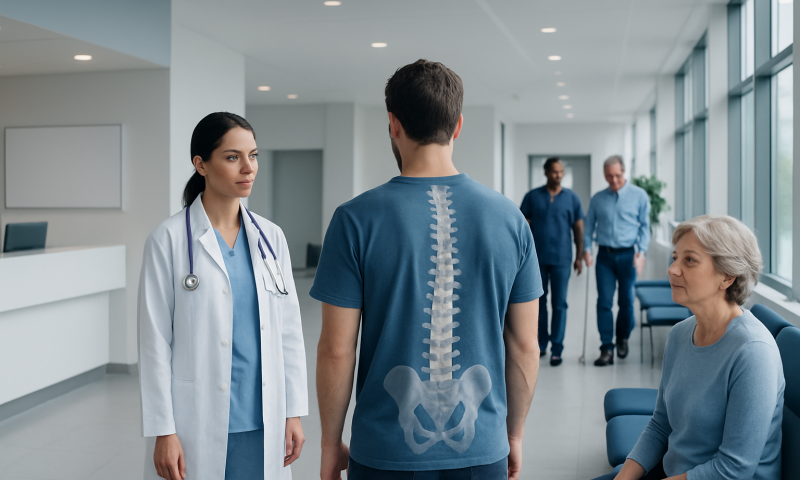
Bulging Disc: Symptoms, Causes and Treatment

Key Takeaways
- A bulging disc is a disc that has shifted outward without fully rupturing.
- Symptoms can range from mild back pain to arm or leg pain, numbness, or weakness if a nerve is affected.
- Diagnosis usually starts with a physical exam and may include imaging when symptoms suggest nerve involvement or do not improve.
- Treatment often begins with activity modification, physical therapy, and other non-surgical measures.
- Urgent medical review is important if there is loss of bladder or bowel control, worsening weakness, or severe unrelenting pain.
A bulging disc happens when one of the spine’s cushioning discs extends beyond its usual boundary, sometimes irritating nearby nerves. Many cases improve with conservative care, but the right diagnosis helps guide safe movement, pain relief, and recovery.
Overview
The spine is built to move, bend, and carry weight, and its discs act as small shock absorbers between the bones. A bulging disc develops when the soft disc pushes outward beyond its normal edge, usually because of wear, strain, or age-related changes.
Not every bulging disc causes symptoms. In some people, it is simply a finding on an MRI or CT scan. In others, the bulge can press on nearby nerves and lead to pain, tingling, numbness, or weakness. The location matters: a bulging disc in the neck may affect the arms, while one in the lower back may affect the legs.
For people deciding about care, especially those traveling from another country, understanding whether the problem is muscle-related, joint-related, or truly nerve-related is important. That distinction helps a specialist choose the least disruptive and most effective plan.
Symptoms
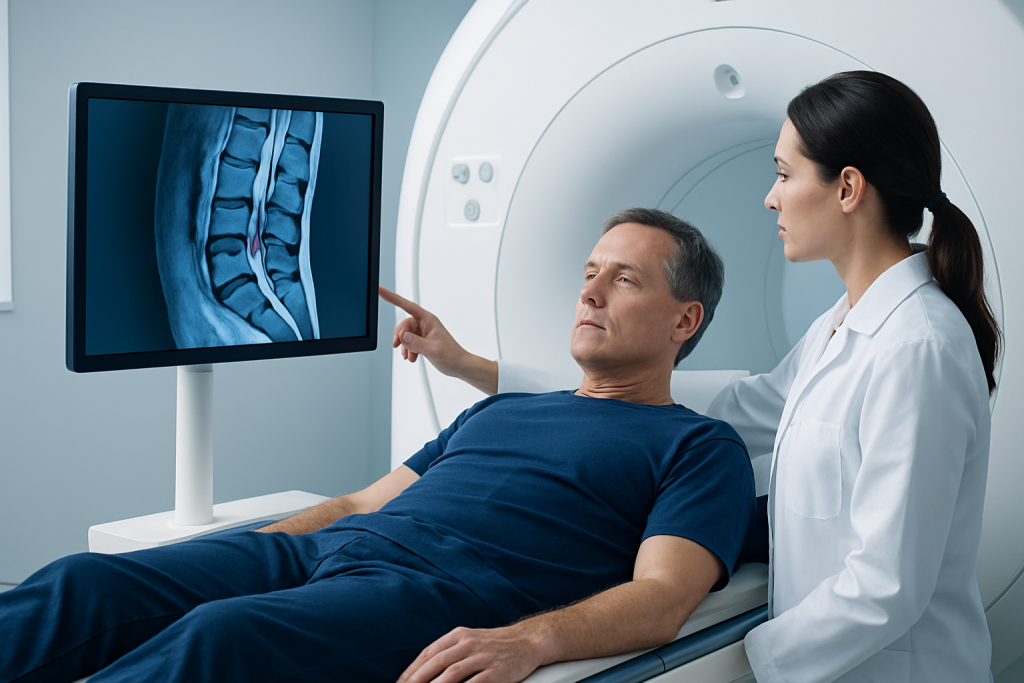
Symptoms vary widely depending on where the disc is bulging and whether a nerve is irritated. Some people notice a deep ache that worsens with sitting, lifting, bending, or twisting. Others feel sharp, shooting pain that follows the path of a nerve.
Common symptoms may include:
- Local back or neck pain
- Pain that travels into the shoulder, arm, buttock, or leg
- Numbness or tingling
- Muscle weakness or heaviness
- Pain that increases with coughing, sneezing, or prolonged sitting
Symptoms can come and go, and they do not always match the size of the disc bulge on imaging. A small bulge in a sensitive location can feel significant, while a larger one may cause little trouble.
Causes & Risk Factors

Bulging discs often develop gradually. With time, the discs lose some water content and flexibility, which makes them less able to absorb daily stress. Repeated bending, lifting, vibration, or awkward posture can add strain, especially when the spine is already vulnerable.
Risk factors may include aging, jobs that involve frequent lifting or prolonged sitting, a previous back or neck injury, smoking, excess body weight, and limited core strength. Genetics can also play a role in how quickly the discs and surrounding structures age.
A bulging disc is not always caused by a single dramatic event. Many patients remember a turning point, but the underlying changes often build quietly over months or years. That is one reason a careful history is more useful than focusing only on the moment pain began.
Diagnosis
Diagnosis starts with a medical history and a physical examination. A clinician will ask where the pain is, what makes it better or worse, and whether there is numbness, tingling, or weakness. Reflexes, muscle strength, walking pattern, and flexibility may all be checked.
Imaging is not needed for every case. It is usually considered when symptoms are severe, persistent, unusual, or suggest nerve compression. MRI is often the most helpful test for soft tissue and nerve detail, while X-rays may be used to look at the bones and alignment of the spine.
The goal is not just to “find a disc.” It is to understand whether the disc finding matches the symptoms. This is especially valuable for international patients who may arrive with prior scans and need a second opinion that puts the images and the exam together.
Treatment Options
Most bulging discs improve without surgery. Early treatment often focuses on calming pain, protecting the area from further strain, and restoring normal movement gradually. Short periods of rest may help, but prolonged inactivity can slow recovery.
Common non-surgical treatments include:
- Activity modification and posture guidance
- Physical therapy and guided exercise
- Heat or cold therapy
- Anti-inflammatory or pain-relieving medicines, when appropriate
- Targeted injections in selected cases
Surgery is considered less often and usually only when there is persistent nerve compression, significant weakness, or pain that does not improve with conservative care. The exact plan depends on the disc location, symptom severity, and the patient’s overall health and goals. For people traveling for treatment, recovery planning and follow-up timing should be discussed before returning home.
Prevention & Self-care
Not every bulging disc can be prevented, but everyday habits can reduce strain on the spine. The most helpful steps are usually simple and consistent rather than extreme.
Practical self-care measures may include:
- Keeping the spine mobile with regular walking and gentle exercise
- Strengthening the core and hip muscles under professional guidance
- Using safe lifting mechanics and avoiding sudden twisting
- Adjusting desk and travel seating to support a neutral posture
- Maintaining a healthy body weight and avoiding smoking
During recovery, patients are usually encouraged to stay active within comfortable limits. A physical therapist can help decide which movements are useful and which should be paused temporarily, especially after a long flight or a period of immobility.
When to See a Doctor
Medical evaluation is appropriate if back or neck pain lasts more than a few days, keeps returning, or begins to limit work, sleep, or daily movement. It is also wise to seek care if pain spreads into an arm or leg, or if numbness and tingling appear.
Urgent assessment is important if there is marked weakness, difficulty walking, loss of bladder or bowel control, numbness in the groin area, fever with severe spinal pain, or pain after a major injury. These symptoms need prompt attention.
For patients who are considering Herniated Disc Treatment Abroad: Injection, Rehab, or Surgery?" class="ahp-ilk">treatment abroad, a specialist visit can help clarify whether the disc problem truly explains the symptoms and whether conservative care, injections, or surgery is the most suitable next step. Acibadem Health Point’s multidisciplinary specialists and JCI-accredited hospitals diagnose and treat bulging disc cases for international patients with coordinated care and follow-up planning.
Living With Recovery in Mind
Recovery from a bulging disc is often a process of steady adjustment rather than a single turning point. Patients may improve in stages, with discomfort easing first and strength or confidence returning later. Setting realistic expectations helps prevent overdoing activity on a “good day.”
People who travel for care often benefit from a written plan that covers medicines, mobility, therapy exercises, warning signs, and the timing of follow-up appointments. This makes it easier to continue recovery safely after returning home. If symptoms change or new weakness appears, the plan should be reviewed promptly by a qualified clinician.
Frequently asked questions
01What is the difference between a bulging disc and a herniated disc?
A bulging disc means the disc extends outward beyond its normal edge, while a herniated disc usually means the inner material has broken through a weaker area of the disc wall. Both can irritate nerves, but the exact pattern and severity vary. A clinician uses symptoms and imaging together to tell the difference.
02Can a bulging disc heal on its own?
Many people improve with time, activity changes, and physical therapy. The disc may not return perfectly to its original shape, but symptoms often lessen as inflammation settles and the surrounding muscles become stronger. A doctor can help monitor recovery and make sure the symptoms are not coming from something else.
03Do all bulging discs cause pain?
No. Some disc bulges are found incidentally on scans and never cause symptoms. Pain is more likely when the bulge irritates a nearby nerve or when the spine is under repeated strain.
04Is surgery always needed for a bulging disc?
No, surgery is usually reserved for selected cases. Most people start with non-surgical care such as physical therapy, posture changes, and pain control. Surgery may be discussed if there is significant weakness, ongoing nerve compression, or symptoms that do not improve.
05What movements should be avoided with a bulging disc?
It is usually sensible to avoid sudden twisting, heavy lifting, and positions that clearly worsen pain. That said, complete rest is rarely helpful for long periods. A physical therapist or spine specialist can suggest safer movements based on the disc’s location and the person’s symptoms.
06When should someone get urgent help?
Urgent care is needed if there is new or worsening leg or arm weakness, loss of bladder or bowel control, numbness in the groin area, or severe pain after injury. These symptoms may suggest important nerve involvement and should be assessed without delay.
This article is for general information only and is not a substitute for professional medical advice. Please consult a qualified doctor about your individual situation.
Joint and spine care in Turkey — expert assessment & treatment
JCI-accredited · board-certified surgeons · reply within 24h
Add us as a Preferred Source to see more of our trusted health content across Google Search, AI Overviews and Discover.