Bubble on Cartilage Piercing: Causes and Care
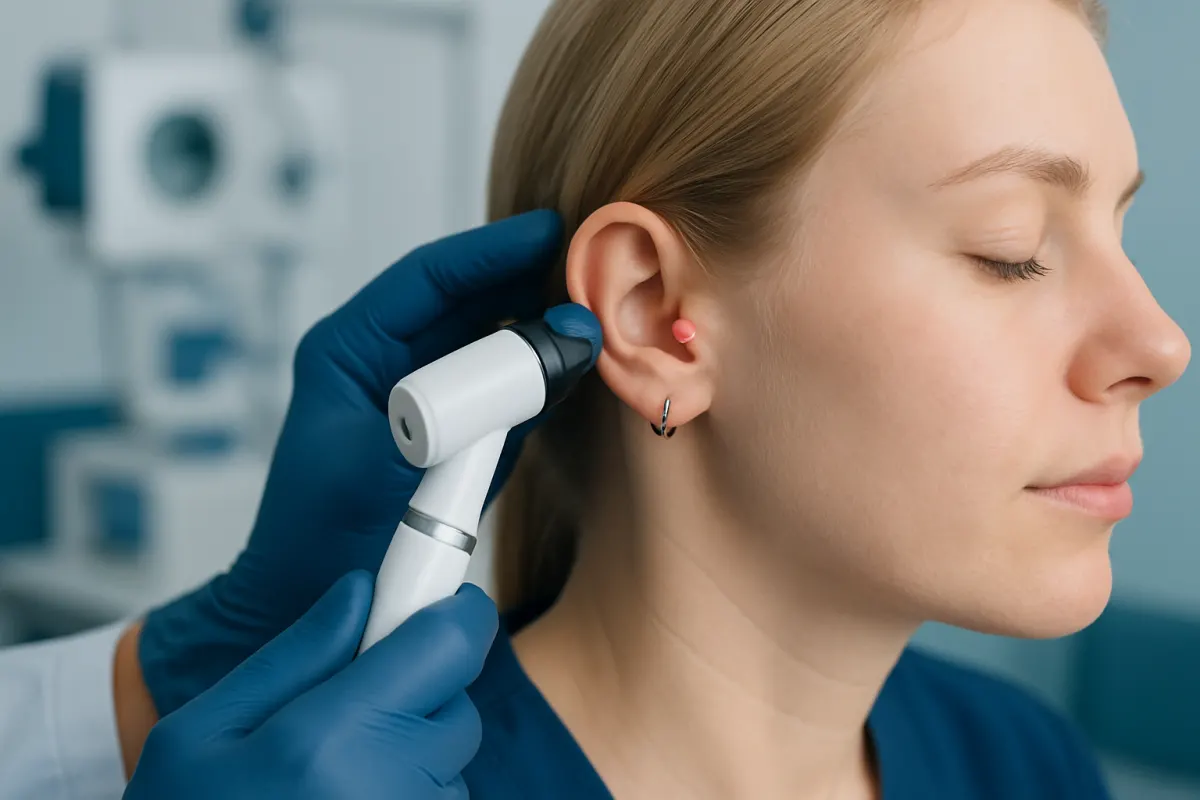
A bubble on cartilage piercing is commonly caused by local irritation, pressure, delayed healing, or scar tissue. Most small bumps improve with appropriate aftercare, but increasing pain, spreading redness, pus, or ear shape changes need prompt medical assessment.
What does a bubble on a cartilage piercing mean?
A bubble on cartilage piercing is a small raised area that develops beside, around, or directly at the piercing channel. In many cases, it is an irritation bump: a localized response to friction, pressure, movement of the jewelry, or slow healing. Cartilage has a more limited blood supply than the soft earlobe, so it generally takes longer to settle after piercing.
Not every bump has the same cause. It may represent swelling during normal healing, trapped fluid, a small pustule, excess scar tissue, or an infection. The appearance, symptoms, and timing matter more than the word “bubble” alone. A clinician can assess the ear if there is uncertainty, particularly because infections involving ear cartilage may need early treatment.
A calm, consistent approach is usually safest. Avoid changing the jewelry repeatedly, using harsh home remedies, or trying to pop the bump. These actions can injure the tissue and make inflammation or infection more likely.
How to tell common piercing bumps apart
An irritation bump is often small, pink or skin-colored, and located close to one opening of the piercing. It may feel tender after sleeping on the ear, catching the jewelry, wearing headphones, or touching the area frequently. It does not necessarily produce pus, spread rapidly, or cause severe pain.
A fluid-filled bump or small pustule may look like a white or yellow-topped spot. This can occur with minor irritation, but it can also be associated with infection. Drainage that is thick, foul-smelling, greenish, or accompanied by worsening redness and heat deserves medical attention.
A keloid is a raised scar that grows beyond the original piercing site. It can be smooth, firm, and progressively larger over time. Some people have a higher tendency to form keloids, especially if they or close relatives have developed them after skin injuries. Another type of raised scar, called a hypertrophic scar, remains within the original wound area and may gradually improve.
Because these conditions can look similar at first, self-diagnosis is not always reliable. A dermatologist, ear specialist, or other qualified healthcare professional can distinguish between inflammation, infection, and abnormal scarring.
Why cartilage piercing bumps develop

Healing cartilage can be easily irritated. Common triggers include jewelry that is too tight, too short for initial swelling, too heavy, or made from a material that does not suit the wearer. High-quality, body-safe jewelry selected by an experienced piercer may reduce the chance of contact irritation, although it cannot prevent every complication.
Repeated pressure is another frequent factor. Sleeping on the pierced ear, wearing helmets, earbuds, headphones, glasses, hats, or face-mask loops that rub the site can delay healing. Accidental snagging on hair, clothing, towels, or phone use can also create small injuries around the channel.
Over-cleaning can be as disruptive as inadequate hygiene. Alcohol, hydrogen peroxide, strong antiseptics, essential oils, and ointments not recommended by a clinician may dry or damage healing skin. Twisting or rotating jewelry is also usually unnecessary and can introduce bacteria or cause friction.
Less commonly, bacteria enter the piercing tract and cause infection. Cartilage infections are important to recognize because inflammation can affect the supporting ear tissue. Risk may be higher when a piercing is done with non-sterile equipment, poor aftercare, unwashed hands, or exposure to potentially contaminated water before healing is complete.
Safe care for an irritated cartilage piercing
For a mild bump without concerning symptoms, gentle care is generally appropriate. Hands should be washed before touching the ear. The area can be rinsed with sterile saline or cleaned according to advice from the piercing professional or healthcare clinician. Afterward, it should be patted dry with a clean disposable product rather than rubbed with a towel.
Reducing pressure is often one of the most helpful steps. The person may avoid sleeping on that side, use a travel-style pillow that keeps the ear suspended, and limit items that press or rub against the jewelry. They should also avoid swimming in pools, hot tubs, lakes, or the sea until the piercing is healing well or until a clinician advises otherwise.
Jewelry should not be removed without professional advice if infection is suspected. Removing it too early may allow the surface opening to close while inflammation or infection remains deeper in the tissue. However, jewelry that is embedded, too tight, or causing obvious pressure should be assessed urgently by a healthcare professional or an experienced piercer working alongside medical advice.
It is best not to squeeze, pierce, drain, or apply toothpaste, tea tree oil, aspirin paste, or other unproven remedies to a bump. These can cause burns, allergic reactions, additional trauma, or delayed healing. If the bump does not improve after reducing irritation, medical evaluation is sensible.
How doctors assess and treat a piercing complication
A clinician will usually ask when the piercing was performed, how the bump has changed, what jewelry is in place, and whether there has been pain, drainage, fever, trauma, or exposure to water. They will examine the ear for redness, warmth, swelling, tenderness, discharge, scar formation, and changes in the normal contour of the cartilage.
Treatment depends on the cause. An uncomplicated irritation bump may improve with changes to aftercare and removal of sources of pressure. A clinician may recommend an appropriate jewelry review, particularly if there is concern about metal sensitivity, length, or fit. Suspected infection may require prescription treatment; the choice depends on the severity and the suspected organism.
For persistent scar-related bumps, a dermatologist may discuss options such as corticosteroid treatment, pressure-based approaches, silicone products, or other scar-management methods. Keloids can recur after treatment, so care is individualized. Keloid scars may need specialist assessment rather than home treatment.
If infection affects the outer ear cartilage, timely care is important to reduce the risk of lasting damage. Specialists at Acıbadem Health Point’s multidisciplinary teams and JCI-accredited hospitals can assess ear and skin concerns for international patients when needed.
When to seek medical care
Medical review is recommended if the bump is enlarging, persists despite gentle aftercare and reduced pressure, repeatedly bleeds, or appears firm and extends beyond the piercing site. A clinician can also help when there is uncertainty about whether the jewelry should remain in place or be changed.
Prompt, same-day assessment is advisable for increasing pain, significant warmth, spreading redness, marked swelling, thick or foul-smelling discharge, fever, chills, or red streaking from the ear. These symptoms may indicate an infection that needs prescription treatment. Skin infections should be assessed by a healthcare professional rather than managed by trying to drain the area at home.
Urgent care is particularly important if the ear becomes markedly swollen, the cartilage shape appears distorted, or the person feels unwell. People with diabetes, immune suppression, or a history of difficult wound healing should seek professional advice earlier if a piercing becomes inflamed.
Preventing future bumps and supporting healing
Choosing a reputable piercing service that uses sterile technique and appropriate jewelry is an important preventive step. Before a new piercing, the person may ask about jewelry material, implant-grade options, aftercare instructions, and whether the selected placement is likely to rub against glasses, headphones, or protective equipment.
During healing, the ear should be handled as little as possible. Clean hands, gentle saline-based care when advised, and protection from snags are practical measures. Avoiding unnecessary jewelry changes gives the channel time to stabilize. Cartilage healing can take many months, and temporary fluctuations in tenderness or swelling may occur.
Anyone who has formed keloids or substantial scars after prior piercings, surgery, acne, or injuries should discuss this risk with a dermatologist before another piercing. Preventive planning is especially valuable because scar tissue can be difficult to treat once established.
If a piercing is no longer wanted or has ongoing complications, it is safer to discuss removal with a qualified clinician or experienced piercing professional. The best approach depends on whether infection, embedded jewelry, or a scar-related lesion is present.
Frequently asked questions
01Is a bubble on cartilage piercing normal?
A small bump can occur during cartilage-piercing healing, especially after pressure, friction, or jewelry movement. However, it should not be assumed to be normal if it is worsening, very painful, hot, draining pus, or associated with spreading redness. A healthcare professional can evaluate concerning symptoms.
02Should a cartilage piercing bump be popped?
No. Popping or squeezing a bump can damage tissue, push bacteria deeper into the skin, and increase inflammation or scarring. Gentle care and professional assessment are safer if the bump contains fluid or does not improve.
03How long does a cartilage piercing bump last?
The duration varies with the cause and whether the piercing continues to be irritated. A mild irritation bump may gradually improve after pressure and friction are reduced, while infection or scar tissue may persist without appropriate treatment. Cartilage itself often heals more slowly than soft earlobe tissue.
04Can I take out jewelry if my cartilage piercing looks infected?
It is best to seek medical advice before removing jewelry when infection is suspected. In some cases, removing it can allow the surface to close and may complicate drainage from the piercing channel. Embedded or overly tight jewelry needs prompt professional assessment.
05What does an infected cartilage piercing look like?
Possible signs include worsening redness, warmth, swelling, throbbing pain, tenderness, and thick or foul-smelling discharge. Fever, feeling unwell, rapid symptom progression, or changes in ear shape require prompt medical care. Not all redness is infection, but cartilage infections should be assessed early.
06Is a piercing bump the same as a keloid?
No. Many piercing bumps are irritation-related and remain small near the piercing opening. A keloid is a type of excessive scar that can grow beyond the original wound and may continue enlarging over time. A dermatologist can confirm the diagnosis and discuss suitable treatment options.
This article is for general information only and is not a substitute for professional medical advice. Please consult a qualified doctor about your individual situation.
Explore treatments in Turkey — costs, top hospitals & a free quote
JCI-accredited · board-certified surgeons · reply within 24h
Add us as a Preferred Source to see more of our trusted health content across Google Search, AI Overviews and Discover.