Foot Nail Injury: Care Steps and When to Seek Help
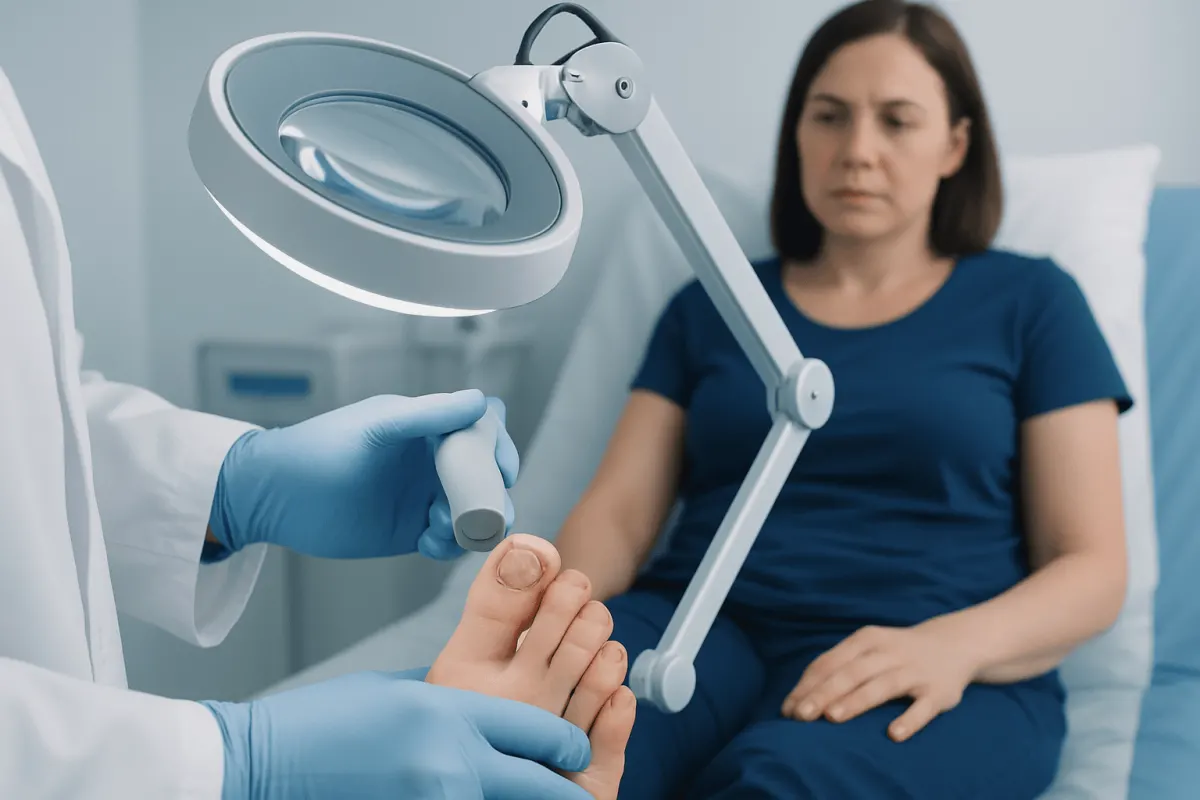
A foot nail injury can range from a bruised, painful toenail to a partial or complete nail tear. Most minor injuries improve with protection and basic care, but severe pain, infection signs, diabetes, or a detached nail require timely medical assessment.
Overview: What Is a Foot Nail Injury?
A foot nail injury is damage to the toenail, the skin beneath it (the nail bed), or the surrounding skin. It may happen after stubbing the toe, dropping an object on the foot, catching the nail, or repeatedly pressing the toe against the front of a shoe. The injury can cause pain, swelling, bleeding, nail discoloration, or loosening of the nail.
Many mild injuries can be managed by gently cleaning and protecting the toe. However, a badly crushed toe, a deep cut, severe pressure beneath the nail, or a nail that is largely detached may need medical care. Assessment is also important if there may be a toe fracture or if the injury occurred through a dirty or contaminated object.
Toenails grow slowly. Therefore, an injured nail may remain discolored, uneven, or partly separated while a new nail grows from its base. Complete regrowth often takes many months, and the new nail may temporarily look different from the original one.
How Foot Nail Injuries Can Look and Feel
Symptoms depend on the type and severity of injury. A simple bruise may cause tenderness and a dark patch under the nail. A more significant impact can lead to a collection of blood beneath the nail, called a subungual hematoma. This may create intense, pulsating pressure and turn part or all of the nail dark red, purple, brown, or black.
The nail may crack, split, lift from the nail bed, or become completely detached. Cuts around the nail, bleeding, swelling, and difficulty walking can occur. If the nail bed itself is injured, the nail may grow back with ridges, splitting, thickening, or a changed shape.
- Pain that is worse when footwear presses on the toe
- Bruising or discoloration beneath the nail
- Bleeding from the nail edge or surrounding skin
- Swelling, warmth, or tenderness around the toe
- A loose, broken, lifted, or missing toenail
Not every dark toenail is caused by injury. Persistent dark pigment without a clear injury, especially if it changes or extends onto nearby skin, should be checked by a clinician to rule out other causes.
Common Causes and Factors That Increase Risk

Direct trauma is a frequent cause of a foot nail injury. Examples include stubbing a toe on furniture, being stepped on, dropping a heavy object, or hitting the foot during work, exercise, or sports. Sudden force can bruise the nail bed, split the nail, or injure the bone beneath the nail.
Repetitive friction and pressure can also damage toenails. Runners, hikers, dancers, and people who spend long periods standing may develop bruised or thickened nails when footwear is too short, narrow, or loose enough to let the foot slide forward. Downhill walking and running can place extra pressure on the front of the toes.
Some people need extra caution because minor skin breaks can develop into more serious foot problems. These include people with diabetes, poor circulation, peripheral neuropathy, immune suppression, or a history of foot ulcers. Thick, brittle, or distorted nails due to fungal infection can also catch more easily and may be more vulnerable to injury.
First Aid and Safe Care at Home
For a mild injury, remove pressure from the toe, rest the foot, and use a cold pack wrapped in a cloth for short periods during the first day or two. Elevating the foot may help reduce swelling. If there is a small cut, rinse it gently with clean running water, pat it dry, and cover it with a clean non-stick dressing.
Do not pierce, drill, or burn through a nail at home to release blood. These methods can introduce infection, injure the nail bed, and delay appropriate treatment. A clinician can safely relieve painful pressure beneath a nail when this is indicated.
If the nail is partly detached, do not pull it off. Keep any attached portion in place, trim only a clearly loose sharp edge if it can be done without pain or bleeding, and protect the toe with a dressing. Choose roomy, protective footwear or open-toed footwear where appropriate and safe, avoiding further pressure on the area.
Over-the-counter pain relief may be suitable for some people when used according to the package directions. A pharmacist or doctor can advise on safe choices for anyone who is pregnant, takes blood-thinning medicine, has kidney, liver, stomach, or bleeding conditions, or is treating a child.
Medical Assessment and Treatment Options
A healthcare professional will ask how the injury occurred and examine the nail, toe, circulation, sensation, and surrounding skin. An X-ray may be recommended if there is marked tenderness, deformity, a crush injury, inability to bear weight, or concern about a fracture. Injuries involving the nail bed can sometimes occur together with a break in the tip of the toe.
Treatment may include cleaning the wound, applying a protective dressing, addressing tetanus vaccination needs, and providing pain management advice. When a painful collection of blood is trapped beneath an otherwise intact nail, a clinician may make a small opening to drain it. This can relieve pressure and reduce pain.
A significantly torn nail or deep nail-bed cut may need repair, sometimes after the area is numbed. The nail or a protective substitute may be positioned over the nail bed while healing occurs. If infection develops, treatment is based on the examination and may include wound care and, when clinically appropriate, medication.
People with a suspected fracture, significant tissue injury, or ongoing nail deformity may benefit from assessment by an orthopedic or foot specialist. Care should be individualized, particularly for people with diabetes or circulation concerns.
Healing, Nail Regrowth and Prevention
Soft-tissue soreness often improves over days to a few weeks, but nail changes take longer to resolve. A bruised area generally moves outward as the nail grows. If the nail falls off, the exposed nail bed should be kept clean, dry, and protected until the skin has healed. Avoid tight shoes and activities that repeatedly strike the toe until comfortable.
Toenails grow more slowly than fingernails, so complete replacement may take approximately 9 to 18 months. A regrown nail may be thicker, ridged, or slightly misshapen after a substantial injury. If the nail becomes increasingly painful, thickened, crumbly, or discolored rather than steadily growing out, a clinician can assess for fungal infection or another nail condition.
Prevention focuses on reducing toe impact and pressure. Wear shoes with enough length and width at the toe box, secure laces to limit sliding, and select activity-appropriate footwear. Protective work shoes may be important in settings with a risk of falling objects. Keeping nails trimmed straight across and not excessively short can reduce snagging and pressure at the nail edge.
When to Seek Medical Care
Medical care is recommended promptly for severe or increasing pain, a large painful dark area under the nail, a nail that is mostly or completely torn away, uncontrolled bleeding, a deep cut, visible deformity, numbness, or inability to walk normally. These features may indicate a nail-bed injury, fracture, or wound requiring professional treatment.
Urgent assessment is also appropriate when there are signs of infection, such as spreading redness, worsening warmth or swelling, pus, fever, or red streaks extending from the toe. Anyone with diabetes, impaired circulation, loss of sensation in the feet, or a weakened immune system should contact a healthcare professional early after any foot nail injury, even if it initially appears minor.
A dark nail that does not have a clear traumatic explanation, does not move outward as the nail grows, or develops a changing irregular pigment pattern should be evaluated. Acıbadem Health Point’s multidisciplinary specialists and JCI-accredited hospitals assess foot and nail injuries for international patients when specialist evaluation is needed.
Frequently asked questions
01Should a black toenail after an injury be treated?
A black toenail is often caused by bruising or blood beneath the nail after trauma. If it is mildly painful and the toe is otherwise normal, it may grow out over time. Severe throbbing pain, a large dark area, a loose nail, or concern for a fracture should be assessed by a clinician.
02Can a damaged toenail grow back normally?
Many toenails grow back, but recovery is slow because toenails grow gradually. After a more severe nail-bed injury, the new nail may have ridges, thickening, splitting, or a different shape. A clinician can assess persistent changes or difficulty with regrowth.
03Is it safe to remove a loose toenail at home?
A partly attached toenail should generally not be pulled off at home, as this can worsen bleeding and damage the nail bed. It is safer to protect the nail and seek advice if it is significantly loose, painful, or caught on clothing or footwear. A clinician can remove or trim it safely if necessary.
04How can someone tell if a toe is broken after a nail injury?
A fracture may cause marked pain, swelling, bruising, deformity, difficulty bearing weight, or tenderness directly over the bone. Nail injuries from crush trauma can occur alongside fractures. An examination and sometimes an X-ray are needed to confirm the diagnosis.
05What are signs of infection after a foot nail injury?
Possible signs include increasing redness, warmth, swelling, pain, pus or cloudy drainage, fever, or red streaking from the toe. These symptoms should be assessed promptly, particularly in people with diabetes, poor circulation, or reduced immune function. Keeping wounds clean and protected can help lower infection risk.
06How can runners prevent toenail injuries?
Runners can reduce risk by choosing shoes with adequate toe room, securing laces to prevent forward foot movement, and gradually increasing training intensity. Keeping toenails trimmed straight across and wearing suitable socks may also reduce friction. Persistent nail pain or repeated bruising may indicate a footwear or gait issue worth discussing with a healthcare professional.
This article is for general information only and is not a substitute for professional medical advice. Please consult a qualified doctor about your individual situation.
Joint and spine care in Turkey — expert assessment & treatment
JCI-accredited · board-certified surgeons · reply within 24h
Add us as a Preferred Source to see more of our trusted health content across Google Search, AI Overviews and Discover.