Burn on the Palate of the Mouth: Healing and Care
A burn on the palate of the mouth is commonly caused by hot food or drinks and often improves on its own as the mouth heals quickly. Cooling the area, avoiding further irritation and watching for warning signs can support comfortable recovery.
Overview: What Is a Burn on the Palate of the Mouth?
A burn on palate of mouth is an injury to the tissue on the roof of the mouth, also called the palate. It most often happens after eating food that is hotter than expected, such as melted cheese, pizza, soup or microwaved dishes. Hot drinks can also cause a burn, especially when taken quickly.
The hard palate, located toward the front of the mouth, is covered by firm tissue that can feel particularly sensitive when injured. A minor burn may cause immediate stinging followed by soreness, redness, a rough feeling, peeling tissue or a small shallow ulcer. Although this can be uncomfortable, the lining of the mouth generally repairs itself efficiently.
Symptoms should gradually become less intense rather than worsen. Healing time depends on the depth of the injury and whether the area continues to be irritated by heat, rough foods, tobacco or poor-fitting dental appliances. Many mild injuries improve noticeably over several days and resolve within one to two weeks.
How a Palate Burn May Feel and Look
The first sensation is often sharp pain or burning immediately after contact with hot food or liquid. The roof of the mouth may then remain tender when eating, drinking or swallowing. The person may notice a red patch, a pale or whitish area, loose surface tissue, or a small blister-like area.
As a superficial burn heals, the damaged surface layer may peel. This can leave a tender raw-looking spot underneath, but it does not necessarily mean the injury is becoming worse. The area should slowly become more comfortable as new surface tissue forms.
More significant injuries may cause greater pain, swelling, blisters or difficulty eating normally. Burns caused by chemicals, electricity, very hot liquids, or prolonged contact with hot food require particular attention because they can affect deeper tissue.
- Typical mild features: localized soreness, redness, mild swelling and sensitivity to hot or acidic foods.
- Features needing assessment: severe pain, extensive blistering, increasing swelling, pus, fever, numbness, or difficulty swallowing.
Common Causes and Other Conditions That Can Resemble a Burn

Thermal injury is the usual cause of a burned roof of mouth. Foods with a hot filling or melted topping may retain heat even when the outside seems safe to eat. Microwave heating can create uneven temperatures, leaving very hot spots in sauces, fillings and leftovers. Hot coffee, tea, soups and steam can also injure oral tissue.
Less commonly, oral burns result from contact with irritating chemicals, including incorrectly used whitening products, strong mouth rinses, or substances used in occupational settings. Smoking and vaping may irritate healing tissue and increase discomfort. Some people may also develop injury after placing a tablet, alcohol-containing product or other non-food substance against the palate.
Not every painful spot on the roof of the mouth is a burn. Canker sores, viral infections, trauma from sharp foods, allergic reactions, fungal infections, dental appliance irritation and inflammatory conditions can cause similar symptoms. A recurring sore, a lesion with no clear heat-related trigger, or a patch that persists should be checked by a dentist or doctor rather than assumed to be a simple burn.
Safe Home Care During Healing
The first practical step after a minor heat burn is to cool the mouth gently with cool water. Sipping cool water or allowing small pieces of ice to melt in the mouth may ease pain shortly after the injury. Ice should not be pressed firmly against the tissue for a prolonged time, as extreme cold can also irritate sensitive oral tissue.
For the next few days, soft and cool or lukewarm foods may be more comfortable. Examples include yogurt, smoothies that are not acidic, soft cooked grains, eggs and cooled soups. It is helpful to avoid very hot foods and drinks, spicy meals, citrus, tomatoes, alcohol, crunchy snacks and sharp-edged foods until tenderness has settled.
Good oral hygiene remains important. Brushing should continue gently with a soft toothbrush, while trying not to scrape the painful area. A mild salt-water rinse can be soothing for some people; it should be spat out rather than swallowed. Over-the-counter pain relief or oral protective products may be suitable for some adults, but a pharmacist or clinician can advise on the safest choice for an individual’s health history.
It is best not to pick at peeling tissue, puncture a blister, or apply aspirin directly to the roof of the mouth. These actions can cause additional chemical or mechanical injury. Tobacco products should be avoided, as they can delay healing and may irritate oral tissues.
How Clinicians Assess and Treat a Mouth Burn
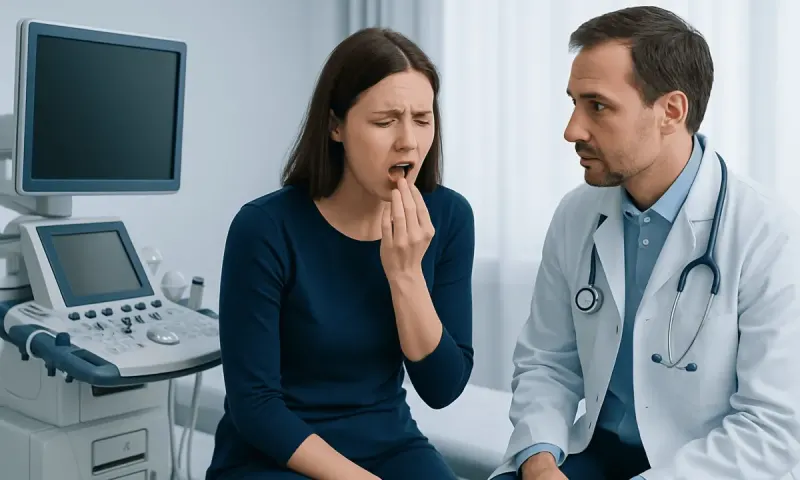
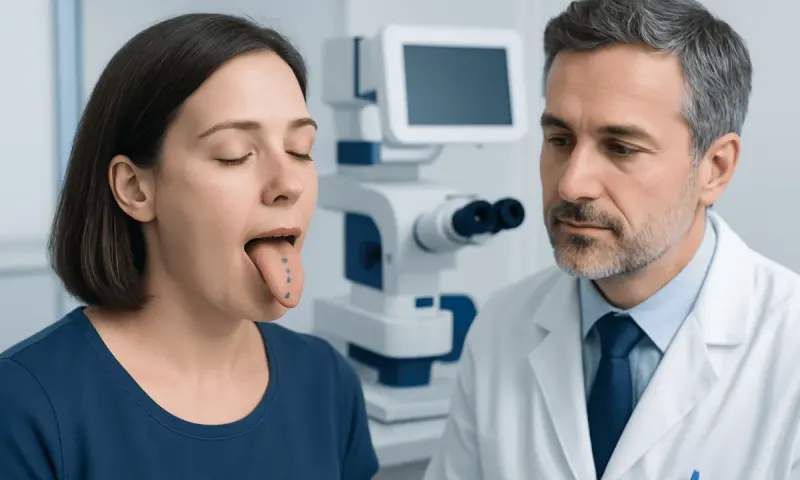
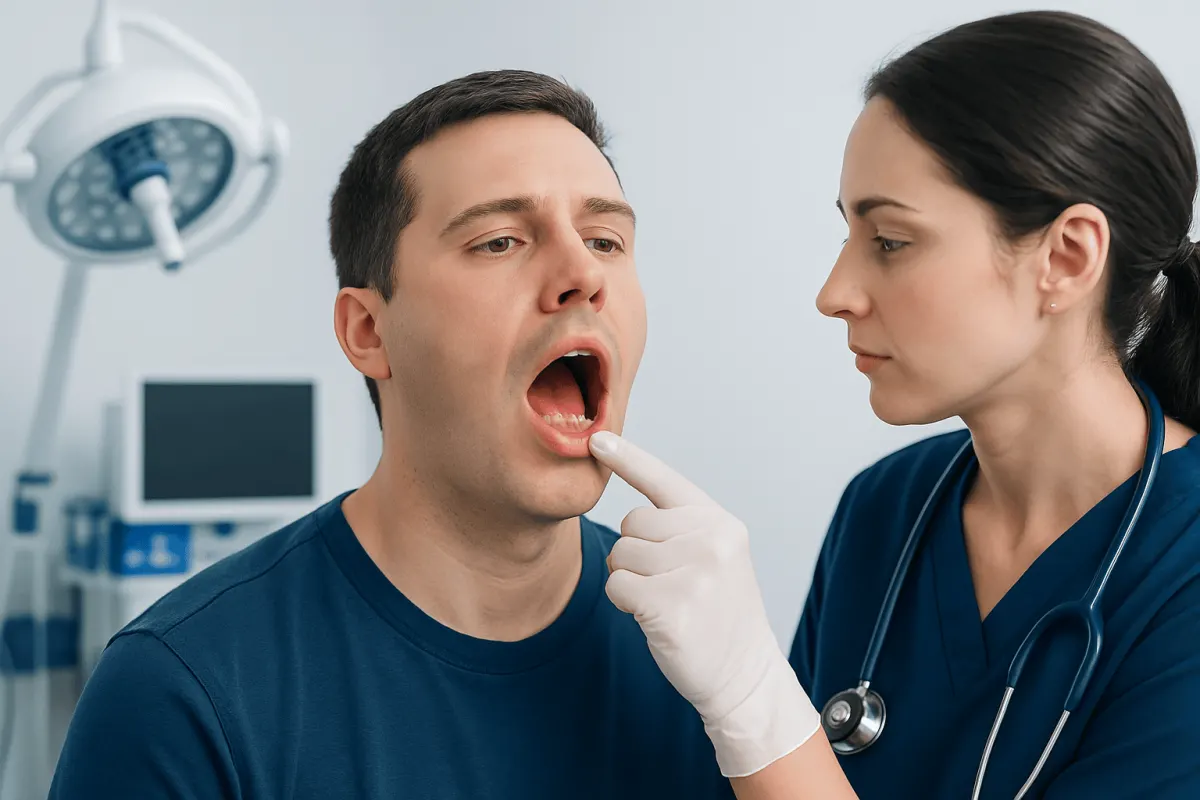
A healthcare professional can often assess a suspected palate burn by asking how it happened, when symptoms began and whether they are improving. They will inspect the mouth for the location, size and appearance of the lesion, as well as signs of swelling, infection or another possible cause. A dental examination may be useful if teeth, dentures or a dental appliance could be contributing to repeated irritation.
Most uncomplicated burns do not need special testing or procedures. Care is focused on comfort, protecting the area and avoiding further injury while the mouth heals. If pain is substantial, a clinician may recommend an appropriate topical product or pain-relief approach. The choice depends on age, other medicines, allergies, pregnancy status and medical conditions.
If the sore does not heal as expected, the clinician may consider other explanations such as infection, trauma, immune-related disease or an abnormal oral lesion. In selected cases, referral to a dentist, oral medicine specialist, ear, nose and throat specialist, or oral and maxillofacial surgeon may be appropriate. Evaluation is especially important when a lesion is persistent rather than clearly improving.
Reducing the Chance of Another Palate Burn
Preventing a roof of mouth burn mainly involves checking food temperature before taking a full bite or sip. This is particularly useful with pizza, pastries, cheese-filled foods, soups, sauces and leftovers warmed in a microwave. Stirring food and allowing it to stand briefly after heating can help distribute heat more evenly.
Young children, older adults and people with reduced mouth sensation may be less able to judge temperature quickly. Caregivers can test food before serving and allow hot foods and beverages to cool to a comfortable temperature. Using caution with travel mugs and covered containers is also sensible because they can keep liquids hotter for longer than expected.
For anyone who experiences frequent oral soreness, it is worth considering possible ongoing irritants. These can include smoking, alcohol, poorly fitting dentures, sharp teeth, aggressive brushing, or harsh oral-care products. Addressing the underlying source may help prevent repeated injury and supports overall oral health.
When to Seek Medical Care
A minor burn that is steadily improving can usually be managed with gentle self-care. However, medical or dental advice should be sought promptly if there is difficulty breathing, difficulty swallowing saliva, rapidly increasing swelling, severe pain, uncontrolled bleeding or a suspected chemical or electrical burn. These symptoms may indicate a more serious injury that needs urgent evaluation.
It is also advisable to arrange an appointment if fever develops, pain becomes worse after initially improving, there is discharge or a bad taste suggesting infection, or eating and drinking are difficult enough to risk dehydration. Children, older adults and people with weakened immune systems may need earlier assessment because complications can be harder to recognize or tolerate.
Any mouth sore, white or red patch, lump, or ulcer that lasts longer than about two weeks should be examined by a qualified clinician, even if it first seemed related to a burn. Acıbadem Health Point’s multidisciplinary specialists and JCI-accredited hospitals can assess persistent oral symptoms and provide appropriate care for international patients.
Frequently asked questions
01How long does a burn on the palate of the mouth take to heal?
A mild burn on the roof of the mouth commonly improves over several days and heals within one to two weeks. Healing may take longer if the burn was deeper or if the area is repeatedly irritated by hot, spicy or rough foods. A sore that is not clearly improving should be assessed by a dentist or doctor.
02Can a burned roof of mouth turn white?
Yes. A pale or whitish appearance may occur when the superficial injured layer of tissue is healing or peeling away. However, a white patch that persists, grows, recurs, or is not clearly linked to a heat injury should be examined by a healthcare professional.
03What should be avoided after burning the roof of the mouth?
It is best to avoid very hot food and drinks, spicy foods, acidic foods, alcohol, tobacco and crunchy or sharp foods while the area is tender. People should also avoid picking at peeling tissue or placing aspirin directly on the mouth, as this can worsen tissue injury.
04Is salt water good for a burn on the palate?
A gentle salt-water rinse may soothe the mouth and help keep it clean for some people. It should be mild, used briefly and spat out. If rinsing causes more stinging or irritation, it can be stopped in favor of plain cool water.
05When is a mouth burn an emergency?
Emergency care is needed for trouble breathing, inability to swallow saliva, severe or rapidly worsening swelling, major bleeding, or burns caused by chemicals or electricity. Urgent assessment is also appropriate when pain is severe enough to prevent adequate drinking, particularly in children or older adults.
06Could a painful spot on the palate be something other than a burn?
Yes. Mouth ulcers, infections, irritation from dental appliances, trauma and other oral conditions can resemble a burn. If there was no clear hot-food or hot-drink exposure, or if the spot keeps returning or lasts more than two weeks, a dental or medical examination is important.
This article is for general information only and is not a substitute for professional medical advice. Please consult a qualified doctor about your individual situation.
Persistent digestive symptoms? Get evaluated in Turkey
JCI-accredited · board-certified surgeons · reply within 24h
Add us as a Preferred Source to see more of our trusted health content across Google Search, AI Overviews and Discover.