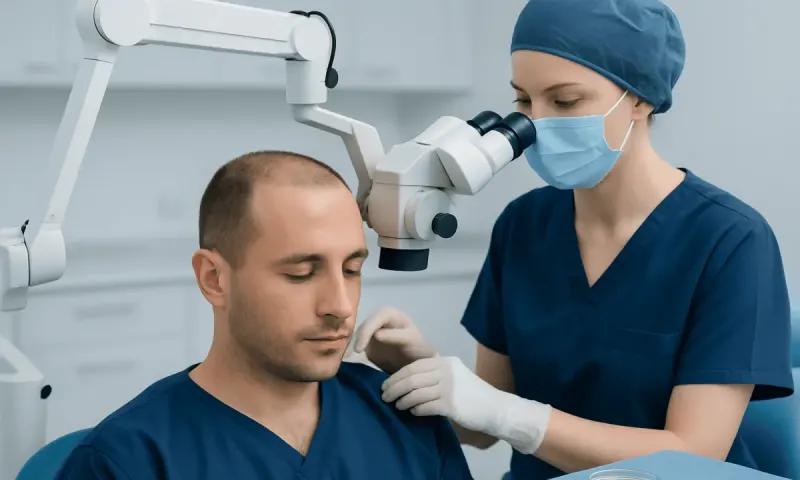
Brow Lift Scars: Where Incisions Are Placed and How They Usually Heal

Brow lift scars are usually designed to be as discreet as possible, often hidden in the hairline, scalp, or natural skin lines. Their appearance depends on the surgical technique, skin type, healing response, and how closely aftercare instructions are followed.
Overview: Do Brow Lift Scars Usually Show?
A brow lift is a procedure that raises or reshapes the brow area to create a more open, refreshed look. Because this surgery requires incisions, some scarring is expected. However, surgeons typically place brow lift incisions where they are less visible, such as behind the hairline, within the scalp, or along natural skin creases.
In many people, brow lift scars heal into fine lines that soften and fade over time. The final appearance depends on the surgical approach, the person’s skin and hair characteristics, age, general health, and natural healing pattern. A scar that looks pink or firm in the early weeks does not represent the final result.
Different brow lift methods leave scars in different locations. Endoscopic brow lifts often use several small scalp incisions, while a hairline or coronal technique uses a longer incision. In selected cases, a limited incision may be placed within a forehead crease. A surgeon recommending brow lift surgery usually chooses the incision pattern that best balances cosmetic goals, anatomy, and scar concealment.
Where Brow Lift Incisions Are Commonly Placed
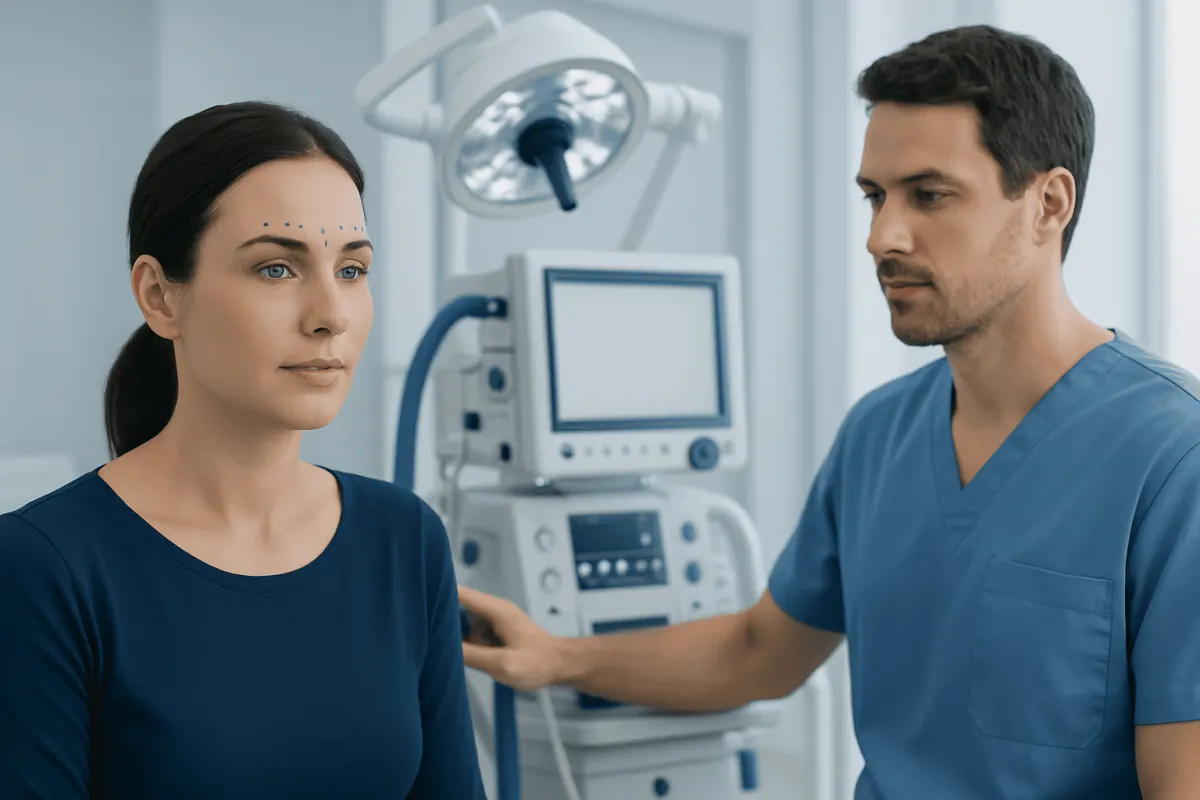
Incision placement depends on the type of brow lift. In an endoscopic brow lift, several small incisions are commonly made just behind the hairline. These are often hidden by the hair and may be less noticeable once healed. This approach is often used when only modest lifting is needed and the hairline position is suitable.
In a hairline brow lift, the incision is typically placed at or very near the front edge of the hairline. This may be useful in people with a high forehead because it can lift the brow without moving the hairline farther back. The scar lies where hair and forehead skin meet, so careful planning is important.
A coronal brow lift uses a longer incision running across the scalp, generally behind the hairline from ear to ear. While this can hide the scar well in thicker hair, it may not be ideal for everyone, especially those with thinning hair. In some cases, a direct or mid-forehead brow lift uses an incision within a natural forehead crease or just above the brow, usually when a very targeted correction is needed.
Because the brow area is closely related to the eyelids and upper face, surgeons may also consider adjacent facial anatomy when planning treatment. In some patients, evaluation by teams experienced in oculoplastic procedures or reconstructive ophthalmology can help when brow position affects the eyelids or visual field.
How Brow Lift Scars Usually Heal
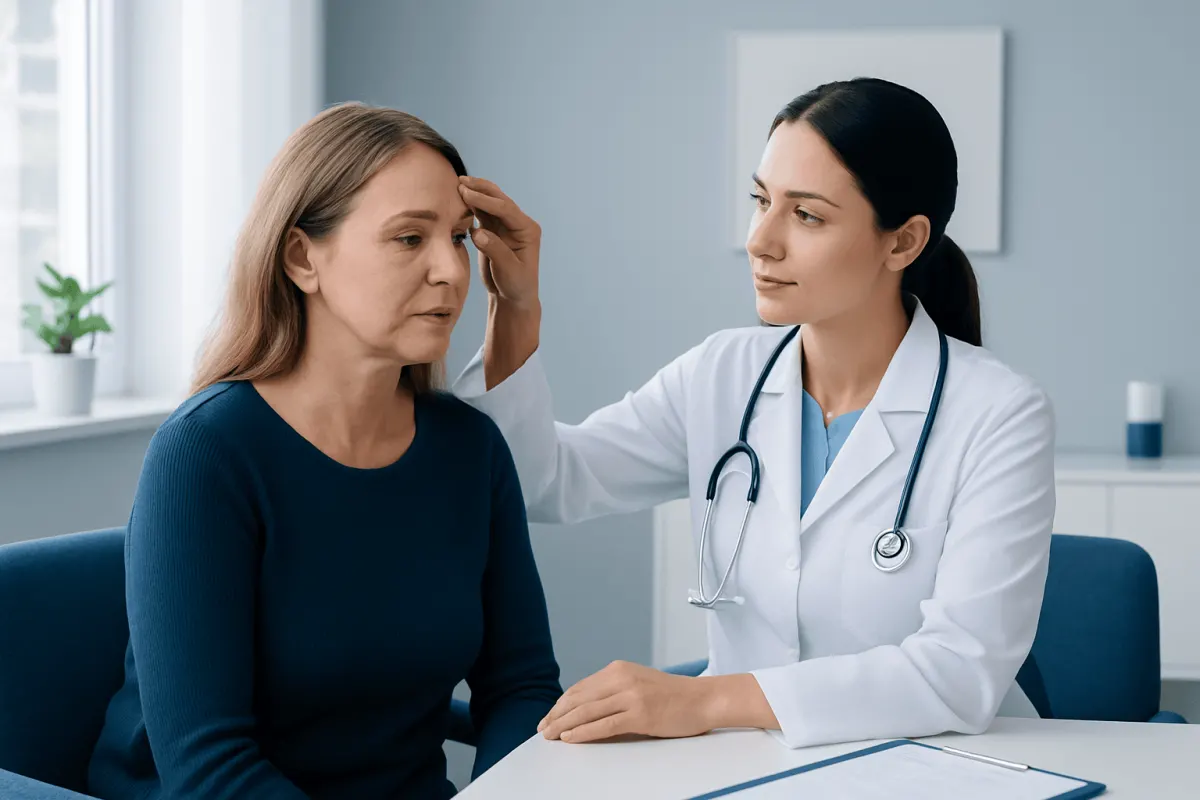
Scar healing happens in stages. During the first days and weeks, the incision line may look red, pink, slightly raised, or firm. Mild swelling, tenderness, and numbness around the incision can also occur. These early changes are common and usually improve gradually.
Over the next several weeks to months, the scar often becomes flatter and lighter. For many people, the line continues maturing for up to a year or longer. The pace of healing varies from person to person, and scars in the scalp may be harder to see sooner because hair helps camouflage them.
It is also common for scars to look more noticeable before they look better. A scar may seem darker, firmer, or uneven during the remodeling phase, but this does not necessarily mean something is wrong. Final scar quality is shaped by incision tension, blood supply, genetics, and how well the wound is protected while it heals.
Patients who are prone to thicker scars should mention this before surgery. A history of keloid scars or other raised scars may affect planning and aftercare, especially if incisions are expected near visible skin rather than fully hidden in the scalp.
What Affects Scar Visibility and Quality?
Several factors influence whether brow lift scars are barely visible or more noticeable. Surgical technique matters: precise incision design, gentle tissue handling, and tension-free closure often support better healing. The location of the incision also matters, since scars tend to be less obvious when they are hidden in hair-bearing scalp or aligned with natural skin lines.
Individual skin characteristics also play a role. Skin thickness, pigmentation, age, and collagen response can affect how a scar matures. Some people heal with very fine scars, while others develop wider, darker, or raised lines despite proper care. Hair density can help conceal scalp scars, whereas thinning hair may make them easier to see.
Lifestyle and health factors are important as well. Smoking and nicotine use can reduce blood flow and increase healing problems. Poor nutrition, uncontrolled diabetes, and excessive sun exposure may also worsen scar appearance. Following instructions about activity limits, sleeping position, and wound care can help reduce tension on the healing incision.
Scars may also be more difficult to predict in people who have had previous surgery, injury, or inflammation in the area. For example, patients with past facial trauma may have altered skin movement or preexisting scar tissue that affects incision planning and healing.
Scar Care After a Brow Lift
Good aftercare supports healing and may improve the final look of a brow lift scar. Patients are usually advised to keep the incision clean, avoid picking at crusts, and use only surgeon-approved products on the wound. It is also important to attend follow-up visits so the surgical team can monitor healing and address concerns early.
Once the incision has closed adequately, a surgeon may recommend measures such as silicone gel or silicone sheets, gentle scar massage, or moisturizing products. These steps are not appropriate for every patient at the same stage, so timing should be individualized. Using them too early or without guidance may irritate the area.
Sun protection is especially important. Fresh scars can darken more easily with ultraviolet exposure, making them stand out for longer. Wearing hats, avoiding direct sun, and using sunscreen on healed skin around the area can help protect the scar as it matures.
Patients should also avoid smoking and follow advice about exercise and lifting. Anything that increases swelling or places tension on the forehead and scalp too soon may interfere with smooth healing. For people considering broader facial rejuvenation, the surgeon may also discuss related options within cosmetic aesthetic surgery when it is appropriate.
When a Brow Lift Scar Needs Medical Review
Most brow lift scars heal without major problems, but some signs deserve medical review. Increasing redness, warmth, drainage, worsening pain, or a fever can suggest infection or delayed healing. A wound that opens, bleeds persistently, or develops significant swelling should also be assessed promptly.
Sometimes the main issue is not infection but scar quality. A scar that becomes increasingly raised, thick, itchy, wide, or darker over time may benefit from early treatment. Depending on the situation, doctors may suggest silicone therapy, pressure strategies, steroid injections, laser treatment, or scar revision after enough healing time has passed.
Hair loss along the incision line, called scar alopecia, can also occur in some patients, particularly with scalp incisions under tension. This does not always improve on its own and may require discussion of corrective options. Changes in brow symmetry, persistent numbness, or concerns about eyelid function also justify follow-up.
Patients should remember that early scar changes are common and often improve. Still, if something feels unusual or healing seems off course, it is safest to contact the surgeon rather than wait. Timely advice can often prevent a small concern from becoming a bigger one.
Can Brow Lift Scars Be Minimized or Revised?
While no surgery can be completely scar-free, brow lift scars can often be minimized through careful planning and proper healing support. Before surgery, the surgeon evaluates hairline position, forehead height, skin quality, and any history of unusual scarring. Choosing the right technique for the patient is one of the most important steps in scar reduction.
If a scar remains visible after full healing, several treatments may help depending on the problem. A red or pigmented scar may respond to light-based treatments, while a raised scar may improve with injections or silicone therapy. A widened or poorly positioned scar may sometimes be revised surgically once the tissue has matured.
Revision decisions are usually not made too early, because scars often continue to soften for many months. Patience is often part of the process. The goal is not only to improve the scar itself, but also to preserve natural brow position and facial harmony.
For international patients seeking evaluation, Acıbadem Health Point’s multidisciplinary specialists in JCI-accredited hospitals diagnose and treat brow lift concerns, including scar assessment and follow-up planning, when a personalized review is needed.
Frequently asked questions
01Are brow lift scars permanent?
All surgical incisions heal by forming a scar, so brow lift scars are permanent in that sense. However, most scars fade and soften significantly over time, and many become difficult to notice because they are placed in the scalp, hairline, or natural skin lines.
02How long does it take for brow lift scars to fade?
Early healing happens in the first few weeks, but scar maturation usually takes several months. Many scars continue to improve for 6 to 12 months or sometimes longer, depending on the individual healing response.
03Which brow lift technique leaves the least visible scar?
There is no single best technique for everyone. Endoscopic brow lifts often use smaller incisions hidden in the scalp, but the right approach depends on hairline position, forehead shape, amount of lift needed, and the patient’s anatomy.
04Can hair grow through a brow lift scar?
Hair usually does not grow directly through scar tissue itself. However, when the incision is placed in the scalp or along the hairline, surrounding hair often helps conceal the scar very effectively.
05What can make a brow lift scar more noticeable?
Smoking, sun exposure, wound tension, infection, and a personal tendency toward thick or raised scars can all affect scar appearance. Thinning hair may also make scalp scars easier to see than they would be in someone with denser hair.
06When should someone contact a doctor about a brow lift scar?
A doctor should be contacted if there is increasing redness, drainage, warmth, fever, worsening pain, or the incision opens. It is also reasonable to ask for review if the scar becomes very raised, wide, dark, itchy, or otherwise concerning during healing.
This article is for general information only and is not a substitute for professional medical advice. Please consult a qualified doctor about your individual situation.
Hair transplant in Turkey — costs, graft counts & a free assessment
JCI-accredited · board-certified surgeons · reply within 24h
Add us as a Preferred Source to see more of our trusted health content across Google Search, AI Overviews and Discover.