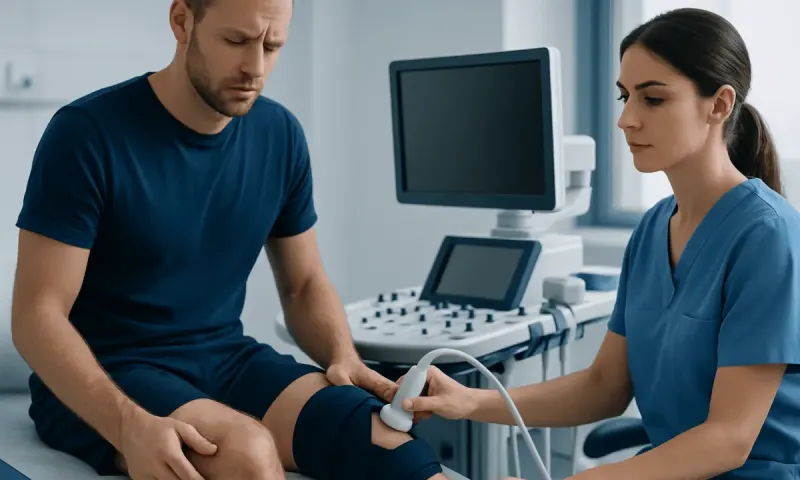
Broken Toe: Symptoms, Causes and Treatment

Key Takeaways
- A broken toe can look similar to a sprain or bruise, so medical assessment is often helpful if pain, swelling, or deformity is noticeable.
- Simple toe fractures are commonly treated without surgery, using protection, rest, and supportive footwear or taping when appropriate.
- X-rays are often used to confirm the injury, especially when the toe looks crooked, pain is severe, or weight-bearing is difficult.
- Good home care includes limiting pressure on the toe, elevating the foot, and watching for changes in color, sensation, or alignment.
- Healing time varies depending on the toe involved and the type of fracture, and return to full activity should be gradual.
- Medical review is important if the injured person cannot walk, has an open wound, or the toe becomes numb, pale, or increasingly painful.
A broken toe can range from a small crack in the bone to a more complex fracture that affects walking, balance, and daily comfort. Most toe fractures heal well with the right protection, pain control, and follow-up care.
Overview
A broken toe is a fracture in one of the small bones of the foot. It may happen after stubbing the toe, dropping something heavy on it, twisting the foot, or during sports and other fast-moving activities. Even though toe fractures are common, they are not all the same; a tiny crack, a displaced break, and an injury that affects the joint can each require different care.
For many people, the first question is whether the toe is merely bruised or truly broken. The answer is not always obvious at home. Swelling, tenderness, and walking discomfort can occur in both situations, which is why a careful assessment is useful when the pain is strong or the toe looks different from usual.
Most broken toes heal well, especially when the bones remain aligned and the person avoids repeated pressure on the injury. The main goal is to protect the toe while it heals so that normal walking, balance, and shoe wear can return without lasting problems.
Symptoms
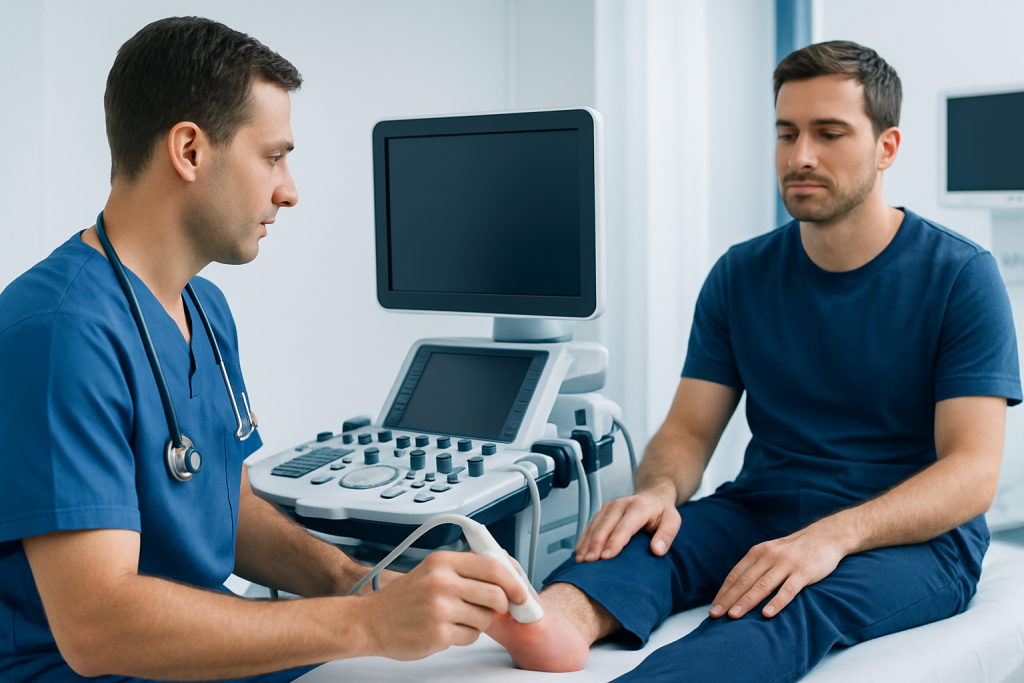
A broken toe often causes immediate pain at the site of the injury, followed by swelling and tenderness. The toe may be difficult to bend or straighten, and walking may feel awkward because even small amounts of pressure can worsen the pain. Bruising can appear quickly and may spread into the foot over the next day or two.
Some people notice that the toe looks bent, shortened, rotated, or otherwise out of line. A deformity does not always mean the fracture is severe, but it does raise concern that the bone may be displaced. Pain that continues to increase rather than gradually settle can also be a clue that the injury needs medical attention.
Less obvious warning signs can matter as well. Numbness, a cold toe, pale or blue coloring, an open cut near the injury, or inability to bear weight comfortably should not be ignored. These features can suggest a more complicated injury or a problem with circulation or nerve function.
Causes & Risk Factors
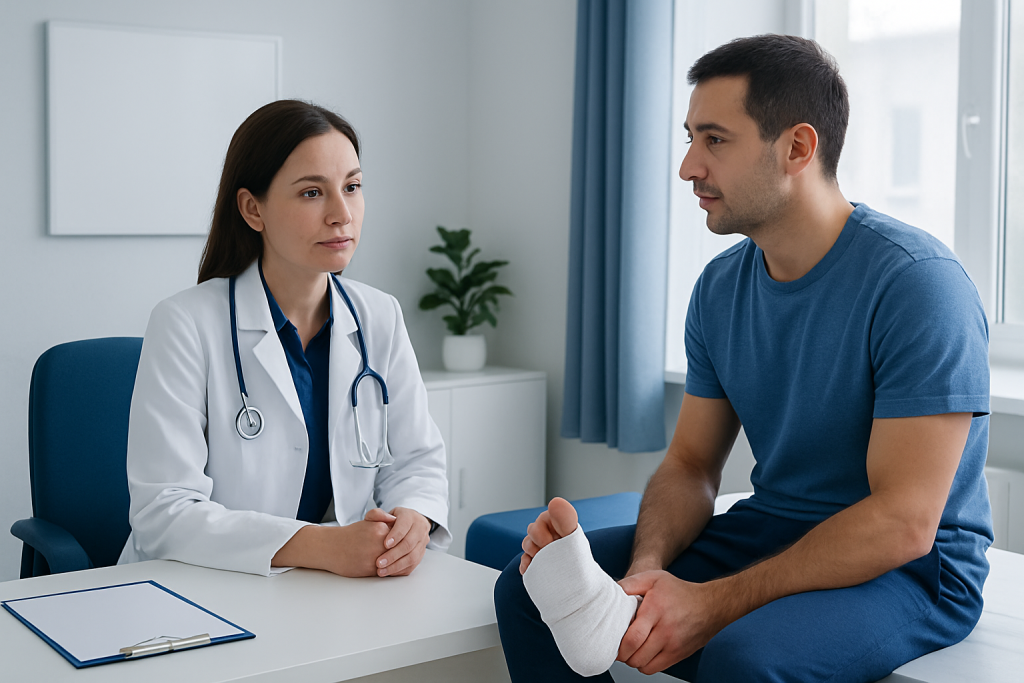
The most common cause is direct trauma. A toe may be hit against furniture, struck by a heavy object, caught while running, or compressed in a fall. Orthopedist" class="ahp-ilk">Sports injuries, especially in activities that involve sudden stops, pivoting, or contact, can also lead to fractures.
Certain factors make a broken toe more likely or more troublesome. Wearing shoes with little protection, walking barefoot in busy spaces, and having reduced sensation in the feet can increase the chance of injury. Conditions that affect bone strength or balance may also influence how easily a fracture occurs and how well it is noticed early.
- Stubbing the toe on hard surfaces
- Dropping objects on the foot
- Sports or dance injuries
- Repetitive stress from overuse
- Reduced bone density or poor balance
In international patients, travel itself can add practical challenges after a toe injury, especially if walking is needed for airports, transfers, or sightseeing. Planning ahead for mobility support and follow-up care can make recovery more comfortable and safer.
Diagnosis
Diagnosis begins with a medical history and physical examination. A doctor will usually ask how the injury happened, where it hurts, whether the person can walk, and whether there are changes in shape, color, or sensation. The toe and the rest of the foot are then examined for swelling, tenderness, alignment, and skin injury.
X-rays are commonly used when a fracture is suspected, particularly if the toe is deformed, the pain is substantial, or the person has trouble bearing weight. Imaging helps show whether the bone is broken, whether the pieces are aligned, and whether a joint is involved. In some cases, a repeat examination or additional imaging may be needed if symptoms do not match the first X-ray result.
Because toe injuries can overlap with sprains, ligament injuries, and dislocations, a precise diagnosis is important. Identifying the exact type of injury helps guide the right level of support and reduces the chance of healing in a poor position.
Treatment Options
Treatment depends on which toe is broken, whether the bone has shifted, and whether the joint is involved. Many smaller toe fractures heal without surgery. In these cases, the injured toe may be taped to a neighboring toe for support if the skin is intact and alignment is acceptable, and the person may be advised to wear a stiff-soled shoe or protective footwear to limit bending.
Pain relief and protection are central during the early stage. Resting the foot, elevating it when possible, and limiting activities that increase pain can reduce swelling and make walking safer. A doctor may recommend a walking aid or temporary activity changes if weight-bearing is uncomfortable.
Some fractures need closer orthopedic care. Surgery may be considered if the bone is significantly displaced, if the fracture extends into a joint, if the toe is unstable, or if the skin is broken and the injury is more complex. Open fractures and injuries with circulation or nerve concerns require prompt evaluation.
Recovery usually involves a stepwise return to normal footwear and activity. Follow-up visits help confirm that the toe is healing in good alignment and that pain is improving as expected.
Prevention & Self-care
Simple day-to-day habits can lower the risk of toe injuries. Wearing shoes that fit well and protect the front of the foot is one of the most practical steps, especially in crowded or unfamiliar environments. Keeping walkways clear at home and paying attention to floors, steps, and luggage can also help prevent accidental stubs and drops.
After a toe fracture, self-care focuses on protecting the healing bone. The injured person should avoid repeated pressure, use supportive footwear as directed, and elevate the foot when swelling is bothersome. If taping is recommended, it should be done carefully and checked regularly so that circulation is not restricted.
- Choose roomy, protective footwear during recovery
- Use ice only if advised by a clinician and keep skin protected
- Watch for worsening swelling, pain, or color changes
- Return to sports or long walks gradually
For travelers, it is sensible to keep follow-up instructions accessible and allow extra time for walking through airports or unfamiliar streets. If a long trip is planned, discussing timing with a doctor before departure can help avoid setbacks during healing.
When to See a Doctor
Medical evaluation is recommended if the toe is visibly crooked, the pain is severe, or walking is very difficult. It is also wise to seek care when there is an open wound, heavy bruising, a nail injury, or concern that the toe may have been dislocated rather than fractured.
Prompt care is important if the toe becomes numb, cold, pale, or blue, or if swelling and pain worsen instead of gradually improving. These changes can indicate a circulation or nerve issue that should be checked without delay.
People with diabetes, poor circulation, nerve problems, or weakened immunity should be especially cautious with foot injuries, even when symptoms seem modest at first. A small toe fracture can be more complicated in these settings, so early assessment is a sensible precaution.
Acibadem Health Point’s multidisciplinary specialists and JCI-accredited hospitals can diagnose and treat broken toe injuries for international patients who need coordinated orthopedic care while traveling or living abroad.
Recovery and Outlook
Most uncomplicated toe fractures improve gradually over several weeks, though the exact timeline depends on the bone involved and the extent of the break. Pain typically decreases before the toe feels completely normal, and some stiffness or tenderness can remain during the later stages of healing. This is one reason patients are usually encouraged to increase activity slowly rather than rushing back to usual routines.
Healing is generally smoother when the toe is protected from repeated impact. Wearing roomy shoes, avoiding high-impact exercise too soon, and following the doctor’s instructions for taping or support can reduce the chance of lingering discomfort. If the toe heals in a poor position, it may cause ongoing pain, shoe-fitting trouble, or altered walking mechanics.
Follow-up is especially helpful when the fracture is displaced, involves a joint, or affects the big toe, which plays a larger role in balance and push-off. A structured plan makes it easier to confirm that function is returning as expected.
Living Well During Healing
Day-to-day recovery often comes down to practical adjustments. Choosing shoes that are wide enough to avoid pressure on the forefoot, limiting unnecessary walking, and taking breaks to elevate the foot can make a noticeable difference in comfort. Many people find that planning transport and errands carefully reduces accidental re-injury during the first days after the fracture.
Emotional reassurance matters too. Toe fractures are usually temporary, and the discomfort can feel more disruptive than the injury sounds. Understanding the care plan, knowing which symptoms are expected, and having a clear follow-up schedule can make the recovery period feel more manageable.
If pain is not improving, if walking remains difficult, or if travel plans complicate home care, the person should check back with a clinician. A straightforward reassessment can help confirm whether healing is on track or whether the treatment plan needs to be adjusted.
Frequently asked questions
01How can someone tell if a toe is broken or just bruised?
A broken toe and a bruised toe can look similar at first because both may cause swelling, tenderness, and difficulty walking. A fracture is more likely if the toe is crooked, pain is intense, or pressure on the toe is very difficult. An exam and sometimes an X-ray are the best ways to tell the difference.
02Does every broken toe need an X-ray?
Not every toe injury requires imaging, but X-rays are commonly used when a fracture is suspected or when the toe looks deformed. They help show whether the bone is broken and whether it is aligned correctly. A doctor decides based on the symptoms and the physical examination.
03Can a broken toe heal without surgery?
Yes, many broken toes heal without surgery, especially if the bones stay in good position. Treatment may involve taping, a stiff-soled shoe, rest, and careful follow-up. Surgery is reserved for more complex injuries, such as displaced fractures or fractures involving the joint.
04How long does it take for a broken toe to heal?
Healing time varies depending on the toe and the type of fracture. Pain usually improves gradually before the toe feels completely normal. A doctor can give a more specific expectation after examining the injury and reviewing any imaging.
05Should someone keep walking on a broken toe?
Walking may be possible in some simple fractures, but it should not be pushed through if it causes significant pain or worsens swelling. Supportive footwear and activity changes are often recommended to protect the toe while it heals. If weight-bearing is very painful, medical review is important.
06When is a broken toe urgent?
Urgent care is recommended if the toe is open, badly deformed, numb, cold, pale, or blue, or if the person cannot bear weight at all. Rapidly increasing pain or swelling also deserves prompt attention. These signs can indicate a more serious injury than a simple fracture.
This article is for general information only and is not a substitute for professional medical advice. Please consult a qualified doctor about your individual situation.
Joint and spine care in Turkey — expert assessment & treatment
JCI-accredited · board-certified surgeons · reply within 24h
Add us as a Preferred Source to see more of our trusted health content across Google Search, AI Overviews and Discover.