

Broken Blood Vessel in the Eye: Causes and Treatment
- 8 min read
- Published November 29, 2026
Key Takeaways
- A broken blood vessel in the eye is usually a subconjunctival hemorrhage and is often harmless.
- It may follow coughing, sneezing, eye rubbing, minor trauma, or blood-pressure changes.
- Most cases do not affect vision and improve without treatment over one to two weeks.
- Pain, vision changes, injury, repeated episodes, or other bleeding should prompt medical evaluation.
- Lubricating drops, rest, and avoiding eye rubbing can help the eye feel more comfortable while it heals.
A broken blood vessel in the eye often looks dramatic, but it is usually a subconjunctival hemorrhage and clears on its own. Understanding the common causes, warning signs, and when to seek medical review helps people respond calmly and safely.
Overview
A broken blood vessel in the eye can appear suddenly as a bright red patch on the white part of the eye. In most cases, this is called a subconjunctival hemorrhage, which means a tiny vessel beneath the clear surface of the eye has leaked a small amount of blood. The appearance can be striking, but the condition is commonly harmless and often clears without treatment.
For many people, the first question is whether something serious has happened. Usually, the answer is no: the bleeding stays on the surface of the eye and does not affect the cornea, the lens, or the retina. Vision is typically unchanged, and the eye may feel normal or only mildly irritated.
In an international-patient setting, this kind of eye redness may happen while traveling, after a long flight, a bout of coughing from a cold, or from rubbing tired eyes. Knowing what is expected and what is not can help a person decide whether simple self-care is enough or whether an eye doctor should examine the eye soon.
Symptoms

The most common sign is a clearly defined red or dark-red area on the white of the eye. It may look alarming in the mirror, but it is usually flat and does not spread across the colored part of the eye. The blood is trapped under the surface, so the eye often looks brighter red at first and then slowly fades to pink, yellow, or brown before disappearing.
Many people have no pain at all. Some notice a scratchy, dry, or slightly full sensation, especially if the eye was rubbed, strained, or mildly irritated beforehand. The eyelid and the area around the eye are usually not swollen, and tearing is not usually prominent.
Symptoms that are less typical for a simple subconjunctival hemorrhage include blurred vision, light sensitivity, discharge, a deep ache, a visible injury, or a feeling that something is stuck in the eye. Those features suggest a different eye problem and should be assessed by a clinician.
Causes & Risk Factors

In many cases, a broken blood vessel in the eye happens after a small rise in pressure in the veins around the eye. That pressure can occur during coughing, sneezing, vomiting, heavy lifting, straining during bowel movements, or even a strong bout of laughter. A minor bump to the eye or simple eye rubbing can also trigger it.
Some people are more likely to notice it because of underlying health factors. High blood pressure, diabetes, blood-clotting disorders, and medications that affect bleeding risk can play a role. Contact lens irritation, dry eye, or recent eye surgery may also make the surface of the eye more vulnerable.
Age can be a factor as well, since the small vessels of the eye can become more fragile over time. Recurrent episodes deserve attention, especially if they happen without an obvious trigger or if they involve both eyes, because the cause may need a broader medical review rather than just eye-specific care.
Diagnosis
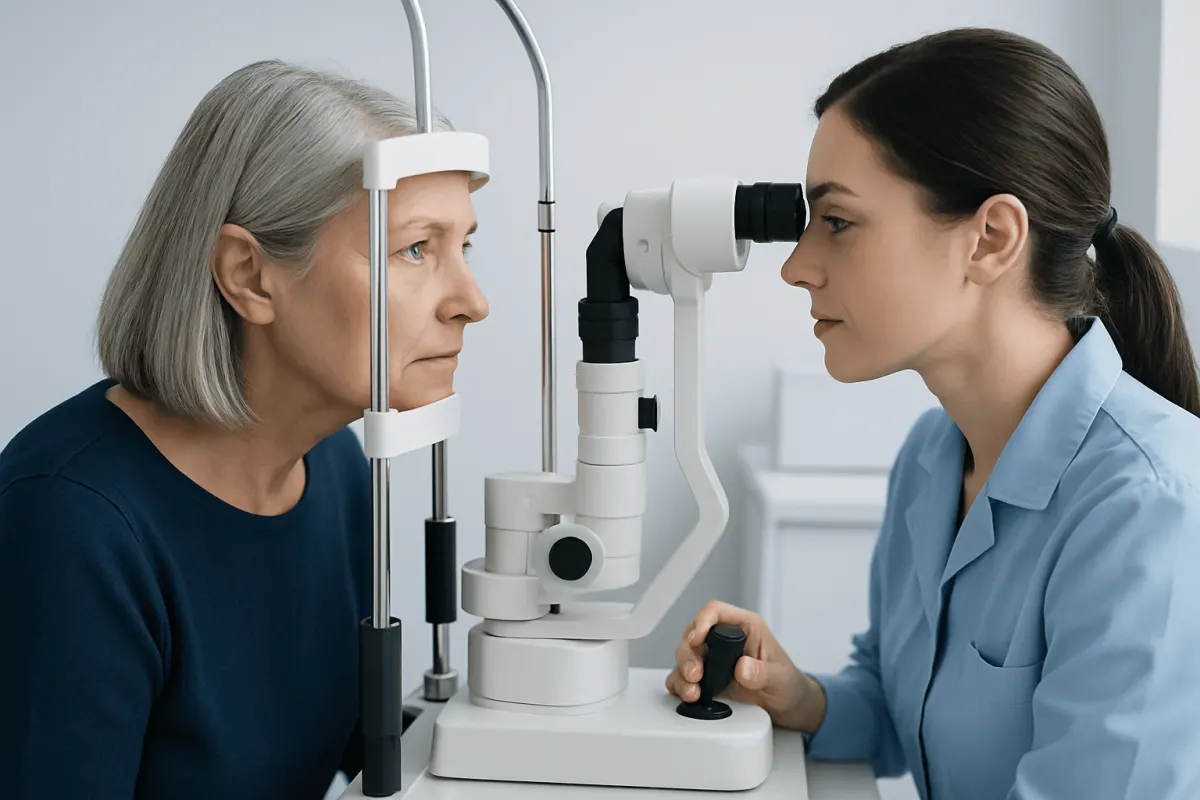
Diagnosis is usually straightforward. An eye doctor can often identify a subconjunctival hemorrhage with a simple examination and a conversation about what happened before the redness appeared. Because the condition is visible on the surface, advanced tests are not always needed.
The clinician may ask about recent coughing, exercise, trauma, contact lens use, medications, blood pressure, and any history of easy bruising or other bleeding. If the person has repeated episodes, is taking blood thinners, or has symptoms that do not fit a simple surface bleed, further evaluation may be recommended to look for an underlying cause.
When care is sought while traveling, bringing a medication list and any recent health information can make the visit more efficient. If prior eye surgery or trauma occurred elsewhere, sharing those details helps the doctor judge whether the redness is routine healing or something that needs closer monitoring.
Treatment Options
Most broken blood vessels in the eye do not require a procedure. The body gradually reabsorbs the small amount of blood on its own, and the red patch fades over time. For many people, reassurance and observation are the main parts of treatment.
If the eye feels dry or irritated, a clinician may suggest lubricating eye drops to improve comfort. A cool compress can be soothing for some people, although it does not speed healing in a dramatic way. If the person wears contact lenses, it may be best to pause them temporarily until the eye feels settled and an eye professional confirms it is safe to resume.
When another condition is present, treatment is directed at that cause. For example, blood pressure may need review, eye infection would be treated differently, and trauma-related bleeding may require more careful examination. The key point is that the red patch itself is often only the visible sign; the management depends on why it happened.
Prevention & Self-care
Not every episode can be prevented, but a few practical habits can lower the chance of recurrence. Avoiding forceful eye rubbing is important, especially during allergy season, after long screen use, or when the eyes feel dry. Using lubricating drops when recommended and managing dry eye can reduce irritation that leads to rubbing.
People with high blood pressure or bleeding concerns may benefit from regular medical follow-up, because overall vascular health matters to the eye as well. If a person coughs, sneezes, or strains frequently, addressing the cause can reduce pressure spikes that may trigger another episode. Safe lifting technique and gradual return to exercise can also be helpful after illness or surgery.
Simple self-care while the eye heals can include:
- Protecting the eye from further rubbing or minor bumps
- Using artificial tears if a clinician recommends them
- Removing contact lenses if the eye is irritated
- Monitoring for changes in vision, pain, or discharge
- Keeping follow-up appointments if episodes repeat
When to See a Doctor
Medical review is important if the redness follows a clear injury, if vision changes occur, or if the eye is painful, sensitive to light, or producing discharge. Those features are not typical for a simple surface bleed and may signal a different eye condition that needs timely care.
It is also wise to seek evaluation if the red patch keeps coming back, if there are bruises or bleeding elsewhere on the body, or if the person takes anticoagulant or antiplatelet medicine. A clinician may want to check blood pressure, review medications, or order tests if the pattern suggests a broader issue.
For travelers, it is reasonable to arrange an eye visit sooner rather than later if the eye was injured during the trip or if returning home will delay care. Acibadem Health Point can support international patients with multidisciplinary specialists and JCI-accredited hospitals that diagnose and treat eye conditions in a coordinated way. A prompt review can help confirm that the problem is truly a benign broken blood vessel and not something more serious.
Frequently asked questions
01Is a broken blood vessel in the eye dangerous?
Most of the time, no. A subconjunctival hemorrhage is usually a surface bleed that looks dramatic but does not damage the eye itself. It often clears on its own without lasting problems.
02How long does it take to go away?
Many cases improve over one to two weeks, though some may take a little longer depending on the size of the bleed and the person's overall health. The color often changes gradually as the blood is reabsorbed.
03Can it affect vision?
A simple broken blood vessel on the white of the eye usually does not affect vision. If vision becomes blurry, dim, or distorted, the person should be examined because that suggests a different issue.
04Should the eye be treated with drops or medicine?
Most cases do not need prescription treatment. Lubricating drops may help with dryness or irritation, but the blood itself usually clears naturally.
05Can contact lenses be worn with a broken blood vessel in the eye?
If the eye feels irritated, it is often better to pause contact lens use until the eye is comfortable and a clinician confirms it is safe. Contacts can add irritation if the surface of the eye is already sensitive.
06Why does it keep happening?
Repeated episodes may be linked to blood pressure, rubbing, coughing, medications that affect bleeding, or an underlying bleeding tendency. Recurrent redness should be assessed by a doctor rather than assumed to be the same harmless event each time.
This article is for general information only and is not a substitute for professional medical advice. Please consult a qualified doctor about your individual situation.
Explore treatments in Turkey — costs, top hospitals & a free quote
JCI-accredited · board-certified surgeons · reply within 24h
Add us as a Preferred Source to see more of our trusted health content across Google Search, AI Overviews and Discover.


How can we help you today?
Meet an Acibadem specialist by secure video, before you travel.
Book a video visit