Bridge Implant Cost: What Shapes the Total Price?
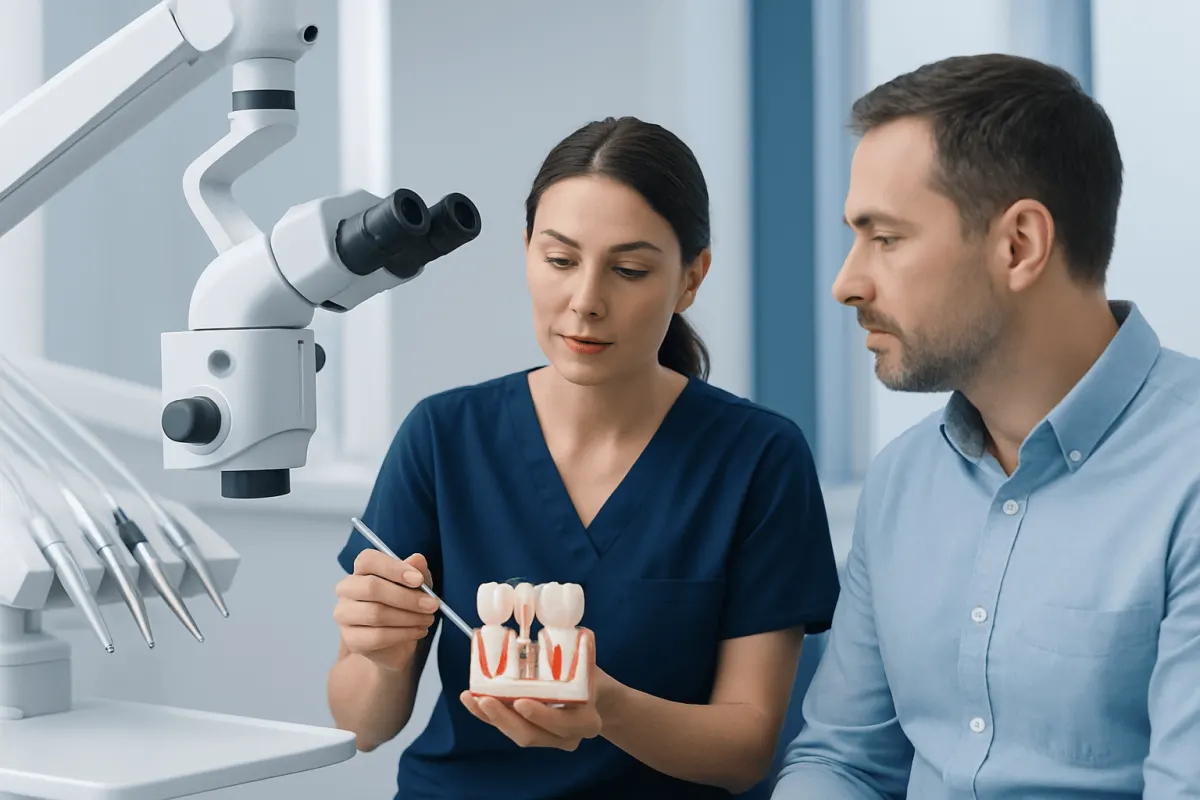
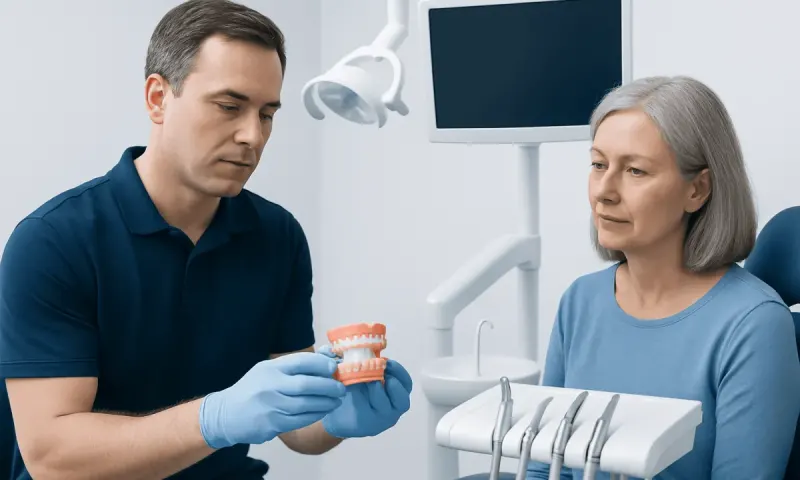
The cost of a bridge implant cannot be determined from one figure because a dental bridge and a dental implant are different restorations with different clinical steps, materials and long-term maintenance needs. A dental examination, imaging and a written treatment plan help patients understand what is included and which option best protects their oral health.
Cost of a Bridge Implant: What Does It Include?
The cost of a bridge implant is best understood as the cost of a treatment plan rather than a single item. People sometimes use the phrase “bridge implant” to describe any fixed replacement for a missing tooth, but a conventional dental bridge and a dental implant are different treatments. A bridge is attached to natural teeth or, in some cases, implants; an implant is a small artificial tooth root placed in the jawbone and usually restored with a crown.
Costs can vary according to the number of teeth being replaced, the tooth’s location, the chosen material, the complexity of the bite, the need for imaging or temporary restorations, laboratory fees and the clinician’s expertise. Some plans also require treatment for gum disease, tooth decay, infection, tooth extraction or bone loss before the final restoration can be fitted.
Patients should ask for an itemized written estimate that explains consultations, X-rays or 3D imaging, anesthesia or sedation if relevant, surgery, implant components, the final crown or bridge, temporary teeth, reviews and possible maintenance. Coverage differs widely between insurance policies. For cost of bridge vs implant with insurance, it is important to confirm annual limits, waiting periods, exclusions, preauthorization requirements and the amount paid for each stage of care.
How Dental Bridges and Implants Work
A conventional fixed bridge contains a replacement tooth, called a pontic, held in place by crowns fitted over the teeth on either side of the gap. These supporting teeth are called abutment teeth. A resin-bonded bridge, often considered for front teeth, uses a discreet wing bonded to the back of a neighboring tooth and usually requires less tooth preparation. Bridges may replace one or several missing teeth when the supporting teeth and gums are healthy enough.
A dental implant is placed into the jawbone, where it gradually bonds with bone through a process called osseointegration. Once healing is adequate, an abutment and custom crown can be attached. For more extensive tooth loss, implants can also support a bridge, reducing the need to place an implant for every missing tooth.
Both options aim to restore appearance, chewing and speech while helping prevent neighboring teeth from drifting into the empty space. The most suitable approach depends on the condition of nearby teeth, gum health, bone volume, bite forces, medical history, personal preferences and the ability to maintain careful oral hygiene. Dental implant treatment may be discussed when a patient wants a tooth-supported replacement that does not depend on adjacent teeth.
Candidacy and the Choice Between a Bridge and an Implant

A dentist assesses candidacy with an oral examination, dental X-rays and, when needed, 3D imaging. They evaluate the missing-tooth site, the roots and condition of neighboring teeth, bone level, gum health, bite alignment and signs of grinding. A bridge may be a practical option if neighboring teeth already have large fillings, damage or existing crowns that would benefit from coverage.
Implants may be considered when there is enough healthy jawbone or when bone can be rebuilt safely. Certain health conditions, medicines, smoking, untreated gum disease and poorly controlled blood sugar can affect healing and implant success. These factors do not automatically rule out treatment, but they need individualized assessment and, where appropriate, medical coordination.
The cost of a bridge versus an implant should be weighed alongside expected long-term care. A bridge may have a lower or simpler initial treatment pathway in some situations, while an implant can avoid preparing healthy adjacent teeth and may help limit bone loss in the missing-tooth area. Neither choice is universally better; the goal is a stable, cleanable restoration that fits the person’s dental and overall health circumstances.
Procedure Steps and Recovery Timeline
For a conventional bridge, the dentist prepares the supporting teeth, takes digital or traditional impressions and may fit a temporary bridge. A dental laboratory makes the final bridge, which is checked for fit, color and bite before being permanently cemented. The process commonly involves more than one visit. Mild short-term sensitivity in the prepared teeth or gums can occur, especially while adapting to the temporary restoration.
Implant treatment begins with planning. If a tooth must be removed, the implant may sometimes be placed at the same appointment, while in other situations the area is allowed to heal first. Bone grafting may be recommended if the jawbone is not strong or thick enough. After implant placement, healing and bone integration often take time before the final crown or implant-supported bridge is attached.
After bridge placement, patients usually return to normal routines quickly while being careful with very hard or sticky foods at first. After implant surgery, temporary swelling, tenderness or minor bruising can occur and generally improves over several days; following the clinician’s aftercare instructions is important. Long-term success for either restoration depends on twice-daily brushing, cleaning between teeth or under the bridge as instructed, regular professional reviews and avoiding tobacco.
Benefits, Risks and the Downside of a Dental Bridge
A bridge can provide a fixed, natural-looking replacement without the surgical placement required for an implant. It may be especially helpful when a person needs a timely restoration, has suitable supporting teeth or cannot undergo implant treatment. Replacing a missing tooth can improve chewing and speech and may reduce the tendency for surrounding teeth to move.
The main downside of a dental bridge is that conventional designs generally require irreversible reshaping of neighboring teeth, including teeth that may otherwise be healthy. Cleaning under a bridge requires specific tools and technique. If decay, gum disease or a problem develops around a supporting tooth, the bridge can be affected and may need repair or replacement.
Bridges do not replace the root within the jawbone, so they do not provide the same stimulation to bone as an implant. They can also fracture, loosen or wear over time, particularly with heavy biting or tooth grinding. A dentist can explain the likely benefits and limitations for a specific site, including whether a resin-bonded bridge, conventional bridge, implant crown or implant-supported bridge is appropriate.
Are Dental Bridges Worth the Money?
Dental bridges can be worth the money when they restore comfortable chewing, appearance and confidence while fitting the patient’s oral condition, budget and treatment preferences. Their value depends on more than the initial fee: the health of supporting teeth, quality of materials, expected maintenance, ability to clean the bridge and the likelihood of future dental work all matter.
A bridge can be a sensible long-term solution when the abutment teeth are strong and the restoration is well designed and maintained. However, a lower initial cost is not necessarily the lowest lifetime cost if supporting teeth later need extensive treatment. Conversely, an implant’s longer treatment process and surgical needs may not suit every patient.
Patients can make a more informed decision by asking what alternatives are clinically appropriate, what is included in the estimate, how the restoration will be cleaned, what maintenance is expected and what may happen if treatment is delayed. A second opinion may be helpful when choices are complex or involve several missing teeth.
Is It Worth Getting Dental Implants at 70 Years Old?
Age alone does not determine whether dental implants are worthwhile. Many people in their 70s and beyond may be candidates if their general health is stable, their mouth is free from uncontrolled infection and they have sufficient bone or are eligible for bone-building treatment. The decision should focus on health status, healing ability, goals, function and willingness to attend follow-up care rather than age alone.
A thorough assessment should include medical conditions, medications, smoking status, oral hygiene, gum health and the forces placed on the teeth. Some older adults may prefer a bridge because it can involve fewer surgical steps, while others may favor implants to avoid placing crowns on healthy neighboring teeth or to improve denture stability.
For patients who choose implants, careful planning helps reduce avoidable risks. Discussing expectations and practical issues, such as recovery support, dietary adjustments and future maintenance, can help determine whether the benefits are likely to justify the time and expense.
Is It Better to Get a Bridge or an Implant in a Front Tooth?
For a front tooth, the best option depends on appearance, gum shape, bone level, bite and the condition of neighboring teeth. An implant crown can replace the missing root and preserve adjacent teeth, but creating a natural-looking gum contour may require careful planning and, in some cases, grafting. Healing time and the use of a temporary tooth also need to be considered.
A resin-bonded bridge may be a conservative choice for selected front-tooth gaps because it usually requires little or no drilling of neighboring teeth. A conventional bridge may be suitable when nearby teeth already need crowns. The dentist will assess whether the bridge’s bonding surface, bite forces and appearance are likely to remain stable over time.
Front-tooth decisions are highly individualized because small differences in color, symmetry and gum contours can be noticeable. A clinician experienced in restorative and implant dentistry can use photographs, scans and diagnostic models to discuss realistic aesthetic and functional outcomes before treatment begins.
When to Seek Medical Care
A person should arrange a dental appointment after losing a tooth, developing persistent tooth pain, noticing a loose bridge or crown, or having difficulty chewing. Prompt assessment can help identify decay, gum disease, infection or bite problems before they affect neighboring teeth or the jawbone.
Urgent dental care is appropriate for facial swelling, fever with dental pain, pus or a bad taste associated with swelling, uncontrolled bleeding, significant trauma, or trouble swallowing or breathing. Difficulty breathing or swallowing requires emergency medical attention.
Before committing to treatment, patients should seek professional advice if they have diabetes, take medicines that affect bone healing or bleeding, smoke, have had head and neck radiotherapy, or have a history of gum disease. Acıbadem Health Point’s multidisciplinary specialists and JCI-accredited hospitals can assess and treat dental restoration needs for international patients.
Frequently asked questions
01What is the difference between a bridge and an implant?
A conventional bridge spans a gap by attaching a replacement tooth to crowns on neighboring teeth. An implant is placed in the jawbone and usually supports an individual crown. An implant-supported bridge combines both approaches by using implants to support several replacement teeth.
02Why does the cost of a bridge implant vary so much?
The total depends on the number of teeth involved, restoration material, tooth location, complexity of the bite and the condition of the gums and jawbone. Imaging, temporary restorations, extractions, bone grafting and laboratory work may also be needed. A personalized written plan is more useful than a general price estimate.
03Does insurance cover a bridge or dental implant?
Coverage depends on the individual insurance plan and may differ for bridges, implants, crowns, imaging and preparatory procedures. Some policies cover only part of a restoration or apply annual limits and waiting periods. Patients should request a pre-treatment estimate from their insurer and dental provider.
04How long do dental bridges and implants last?
Both can last for many years with appropriate design, careful cleaning and regular dental follow-up. Their longevity is affected by gum health, decay risk, tooth grinding, smoking and general maintenance. Crowns and bridges may eventually need repair or replacement even when an implant remains stable.
05Can a bridge be replaced with an implant later?
In many cases, yes, but suitability depends on the condition of the jawbone, gums and neighboring teeth at that time. Bone loss can occur after tooth loss, so additional procedures may sometimes be required before implant placement. A dentist can assess the site with examination and imaging.
06Is implant surgery painful?
Implant placement is typically performed with local anesthesia, and sedation may be available for selected patients. Discomfort, swelling and tenderness can occur afterward but are often manageable with the care plan recommended by the dental team. Patients should contact their clinician if symptoms worsen rather than improve or if they develop fever or significant swelling.
This article is for general information only and is not a substitute for professional medical advice. Please consult a qualified doctor about your individual situation.
Explore treatments in Turkey — costs, top hospitals & a free quote
JCI-accredited · board-certified surgeons · reply within 24h
Add us as a Preferred Source to see more of our trusted health content across Google Search, AI Overviews and Discover.