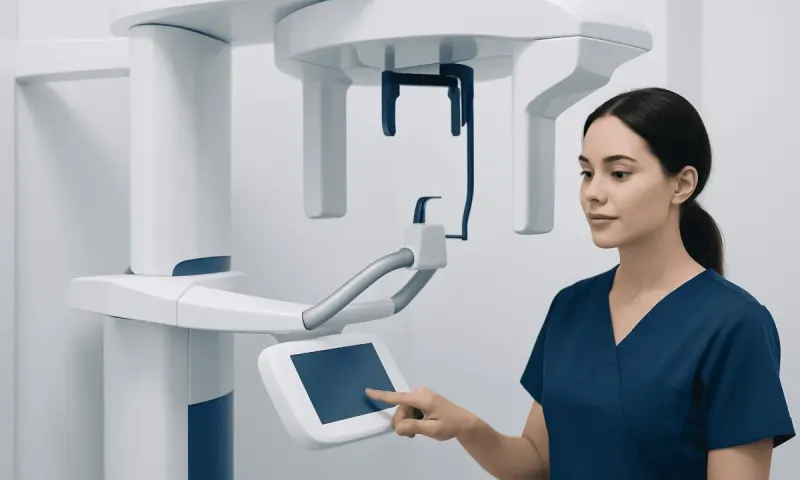
How Long Do Low-Cost Dentures Last?
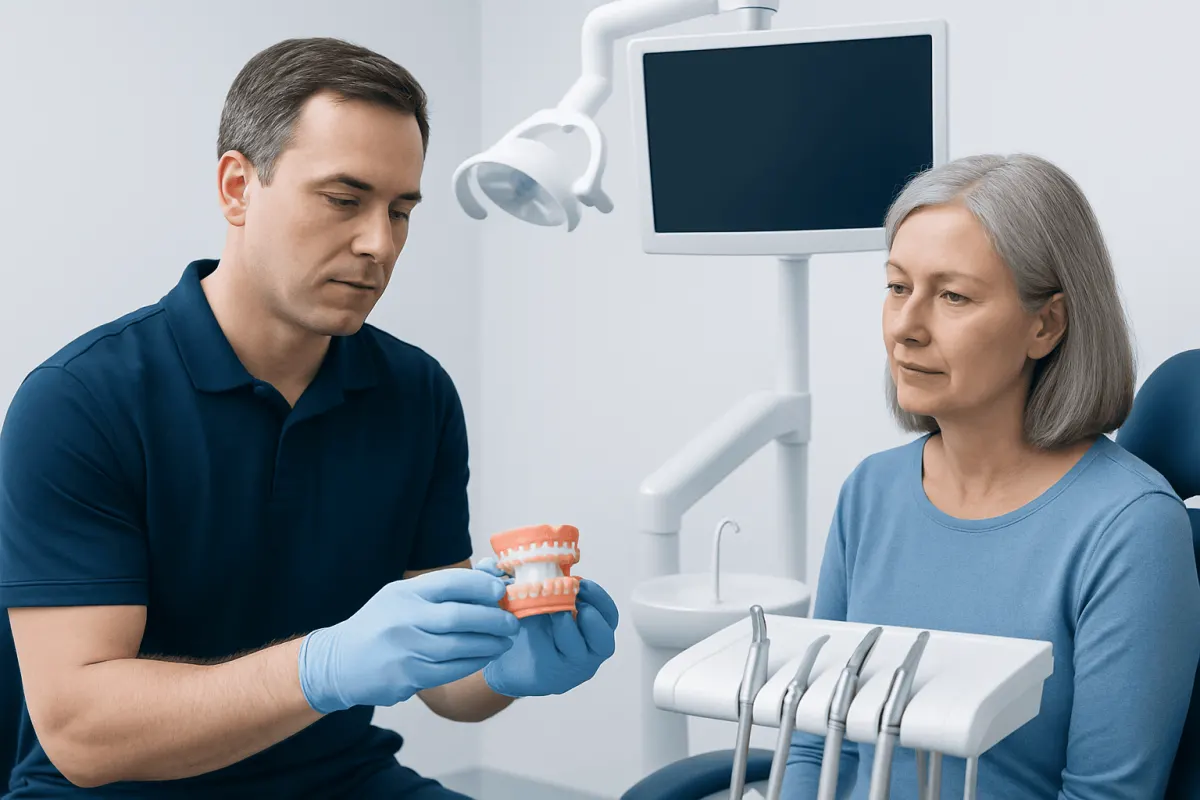
A low-cost dentures durability comparison is not only about the initial fee: a comfortable, well-fitting denture that can be adjusted and maintained may offer better long-term value than a cheaper appliance that needs frequent replacement. Denture quality depends on the materials, laboratory work, clinical planning, bite accuracy and ongoing oral care.
Low-Cost Dentures Durability Comparison: The Main Difference
In a low-cost dentures durability comparison, the most important issue is usually not the label “budget” or “premium.” It is whether the denture fits the gums accurately, supports a balanced bite, uses appropriate materials and receives professional follow-up. A basic denture can be a reasonable solution for many people, while a higher-priced option may be preferable when stronger materials, more detailed cosmetic design or more complex fitting work is needed.
Dentures are removable prosthetic teeth that replace missing teeth and some surrounding gum tissue. They may be complete dentures, replacing all teeth in an arch, or partial dentures, replacing several missing teeth while fitting around remaining natural teeth. Their durability is influenced by everyday wear, chewing forces, accidental drops, cleaning methods and gradual changes in the mouth.
Initial affordability should be weighed alongside likely future needs, such as adjustments, relining, repairs and eventual replacement. A dental examination helps a person understand which features are essential for safety and function and which are mainly aesthetic preferences. For a broader overview of assessment and options, patients may explore denture treatment.
- Fit and bite balance strongly influence comfort and stability.
- Material thickness and quality affect resistance to fracture and wear.
- Regular reviews help address changes in the gums and jawbone.
- Good cleaning and careful handling can extend the useful life of any denture.
How Dentures Work and Who May Be a Candidate
Full dentures rest on the gum tissue and are shaped to follow the contours of the mouth. Upper dentures typically gain some retention from the palate, while lower dentures can be less stable because the tongue and floor of the mouth move during speech and eating. Partial dentures use a framework, clasps or precision attachments to connect with remaining teeth.
People may be candidates for dentures when teeth are missing or cannot be predictably restored. Before making a denture, the dentist checks the gums, jawbone, remaining teeth, bite pattern and general oral health. Any active infection, significant gum inflammation, untreated decay or painful areas should usually be managed first.
A person’s expectations also matter. Removable dentures can improve appearance, speech and the ability to eat many foods, but they do not feel exactly like natural teeth. Patients with a very resorbed jawbone, repeated denture instability or difficulty chewing may wish to discuss whether implant-supported solutions are suitable, depending on their health and bone condition.
Clinical planning is particularly important for people who have diabetes, take medicines that cause dry mouth, have a history of head and neck radiation, smoke, or have conditions affecting healing. These factors do not automatically prevent denture treatment, but they may influence the treatment plan and follow-up schedule.
How Dentures Are Made: Step-by-Step Procedure
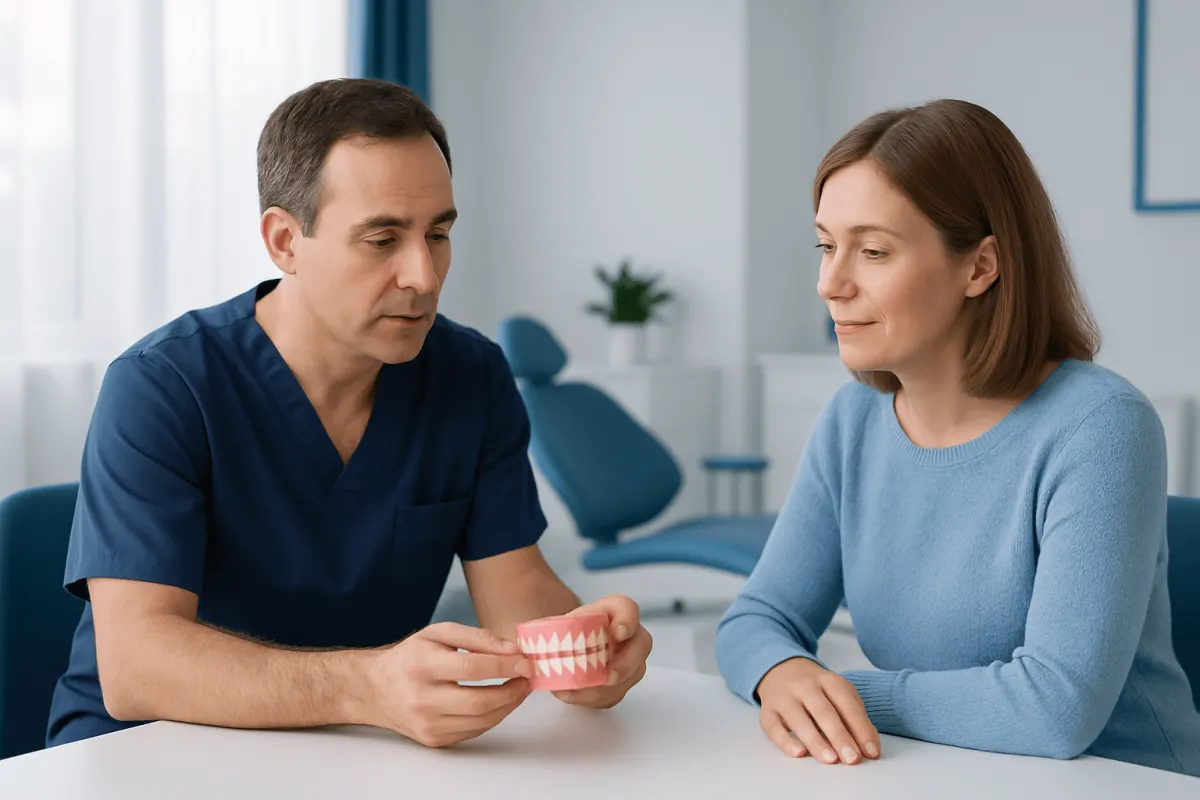
Denture treatment generally begins with a consultation and oral examination. The dentist reviews symptoms, medical history, existing teeth and tissues, and may take dental X-rays when needed. If teeth need to be removed, the denture may be made after healing or, in selected cases, prepared in advance as an immediate denture placed on the day of extraction.
Next, impressions or digital scans are taken to record the shape of the gums and teeth. The dental team records the relationship between the upper and lower jaws, including bite height. Trial dentures, often made in wax, may be used to check tooth position, speech, facial support, shade and overall appearance before the final appliance is processed.
The finished denture is fitted and adjusted. Small pressure points or changes in the bite are common during the first days or weeks, so review appointments are an expected part of care rather than a sign of treatment failure. A lower-cost pathway may involve fewer customization choices or simplified laboratory steps, whereas more individualized dentures may include additional trial stages and aesthetic planning.
Professional fabrication matters because the mouth is dynamic. A denture that is technically strong but poorly adapted to the tissues can rub, move during meals and contribute to sore spots. Conversely, a carefully planned denture may provide a more comfortable experience even when its design is relatively simple.
Recovery Timeline, Benefits and Possible Risks
Most people need an adjustment period after receiving new dentures. Mild fullness, increased saliva, minor speech changes and difficulty with certain foods are common early experiences. Starting with softer foods, taking small bites and practicing speech by reading aloud can help the mouth adapt gradually.
After tooth removal, the gums and bone reshape during healing. This can make an immediate denture feel looser over time and may lead to a need for adjustment, temporary lining or a later remake. Even dentures made after healing can require relining as the jawbone changes naturally with age and tooth loss.
Benefits of dentures include replacing visible teeth, supporting facial tissues, improving speech for many people and making a wider range of foods easier to manage. However, removable dentures may shift, reduce chewing efficiency compared with natural teeth, collect food particles and need periodic maintenance.
Possible concerns include rubbing, ulcers, fungal infection under a denture, fracture, loose clasps on partial dentures and difficulty adapting to the bite. Denture adhesive may help some people when used as directed, but it should not be used to compensate for a denture that has become markedly loose or painful. A dentist can identify whether an adjustment, reline, repair or replacement is appropriate.
Who Makes Better Dentures, Aspen or Affordable Dentures?
It is not possible to say that one national provider or brand category always makes better dentures for every patient. “Aspen” and “Affordable Dentures” are business names, while denture outcomes depend on the individual clinic, dentist, dental laboratory, available materials, clinical records, adjustment policies and the patient’s oral anatomy.
Rather than relying on a name alone, patients can ask practical questions: Who will examine and fit the denture? What material and design are recommended? Are trial fittings included? What follow-up is planned for pressure spots or bite changes? What repair, reline or replacement needs might arise as the mouth changes?
Reviews can provide personal experiences, but they do not replace an examination or explain whether a particular denture type suits an individual mouth. A well-made removable denture should feel reasonably stable, avoid persistent pressure injury and allow the person to speak and eat with growing confidence after the adjustment period.
What Is the Newest Type of Denture?
There is no single newest denture that is best for everyone. Current developments include digitally designed dentures made using intraoral scanning, computer-aided design and manufacturing, as well as implant-retained or implant-supported dentures. These approaches may improve planning precision or stability for selected patients, but suitability depends on the condition of the gums, bone, health history and treatment goals.
Digital dentures can reduce some traditional laboratory steps and allow digital records to be retained for future reference. They may be milled from premanufactured materials or produced using other digital workflows. The final result still relies on accurate records, careful bite assessment and skilled clinical adjustments.
Implant-retained dentures attach to dental implants and can reduce movement, particularly in the lower jaw. They require a surgical procedure and a period of healing, and they are not necessary for every denture wearer. A dentist can explain the possible benefits, limitations and maintenance responsibilities of dental implants in an individual case.
Are Premium Dentures Worth the Money?
Premium dentures may be worthwhile for a person who values individualized tooth arrangement, more detailed aesthetic work, selected high-strength materials, multiple fitting stages or specific comfort features. They are not automatically medically necessary, and a higher initial cost does not guarantee that a denture will remain comfortable without maintenance.
The practical value of a denture should be assessed in relation to its fit, function, durability, appearance and anticipated follow-up needs. For example, patients with demanding cosmetic expectations, unusual jaw relationships, extensive tissue changes or prior difficulty adapting to dentures may benefit from more extensive planning. Others may do well with a simpler design that meets their functional needs.
Before deciding, patients can request a clear explanation of what is included in the proposed treatment plan. This may cover consultations, diagnostic records, extractions if needed, temporary appliances, follow-up adjustments, laboratory choices, relines and repairs. Comparing these elements is usually more meaningful than comparing descriptive package names.
What to Do If You Need Dentures but Cannot Afford Them
A person who needs dentures but is worried about affordability should still arrange a dental assessment. Untreated pain, infection, broken teeth or poorly fitting old dentures can affect nutrition, sleep and daily comfort. The dentist may identify urgent needs first and discuss staged care or a basic, clinically appropriate removable option.
Possible sources of support vary by location and may include public dental services, university dental schools, community clinics, charitable programs, dental insurance benefits or payment arrangements offered by providers. Eligibility, availability and coverage differ, so it is helpful to ask for local guidance rather than delay care because a preferred option is not currently accessible.
Patients should avoid attempting to repair a cracked denture with household glue or buying an ill-fitting appliance without professional guidance. Household adhesives can damage the denture and may be unsafe in the mouth. A dentist can often advise whether an existing denture can be repaired, adjusted or relined rather than completely replaced.
When to Seek Medical Care
Dental care should be sought promptly for persistent mouth pain, swelling, bleeding, pus, fever, a rapidly enlarging lump, difficulty swallowing, a denture-related sore that does not heal, or a broken denture with sharp edges. These symptoms may have causes unrelated to the denture itself and need professional assessment.
People should also arrange a non-urgent dental review when dentures become loose, click while speaking, cause repeated ulcers, change the bite, make eating difficult or require increasing amounts of adhesive. These issues may indicate that the tissues have changed or that the appliance needs adjustment, relining, repair or replacement.
Acıbadem Health Point’s multidisciplinary dental specialists and JCI-accredited hospitals assess missing teeth and provide denture care for international patients. An in-person evaluation remains the best way to choose a safe, functional treatment plan that matches the person’s oral health needs.
Frequently asked questions
01How long do low-cost dentures usually last?
The lifespan of any denture varies with the material, fit, bite forces, cleaning habits and changes in the gums and jawbone. Dentures commonly need periodic adjustments or relining before they need complete replacement. A dentist can assess the appliance and the oral tissues to advise whether repair, reline or replacement is needed.
02Are cheaper dentures less comfortable?
Not always. Comfort depends mainly on how accurately the denture fits and whether it is adjusted after fitting. Lower-cost dentures may offer fewer customization options or use simpler materials, but a carefully fitted basic denture can still be comfortable and functional.
03Can dentures be repaired if they crack?
Many cracked or broken dentures can be professionally repaired, depending on the location and extent of the damage. They should not be repaired with household glue, as this may damage the material or make professional repair harder. A dentist or dental laboratory should assess the denture promptly.
04Do dentures need to be removed at night?
Many dentists advise removing dentures during sleep to give the gum tissues time to rest and to allow the appliance to be cleaned. This may also reduce the risk of irritation and denture-related fungal infection. Individual advice can differ, especially after recent extractions or when an immediate denture has been placed.
05Can I eat normally with new dentures?
Most people can return to a varied diet, but adaptation takes time. Softer foods and small bites are often easier at first, while sticky, very hard or tough foods may remain challenging. Persistent difficulty eating should be discussed with a dentist because the denture fit or bite may need adjustment.
06How often should dentures be checked?
Denture wearers benefit from regular dental reviews, even when they no longer have natural teeth. The dentist checks the fit of the denture, the gums, the mouth lining and, for partial dentures, the remaining teeth. The appropriate schedule depends on the person’s oral health and any symptoms.
This article is for general information only and is not a substitute for professional medical advice. Please consult a qualified doctor about your individual situation.
Joint and spine care in Turkey — expert assessment & treatment
JCI-accredited · board-certified surgeons · reply within 24h
Add us as a Preferred Source to see more of our trusted health content across Google Search, AI Overviews and Discover.