Breast Pain: Symptoms, Causes and Treatment

Key Takeaways
- Breast pain is often benign, but persistent or one-sided pain should be assessed.
- Hormonal changes, breast cysts, muscle strain, and some medicines are common causes.
- The timing, location, and pattern of pain help doctors narrow down the cause.
- Diagnosis may include a physical exam, imaging, and sometimes laboratory tests.
- Supportive measures, medication review, and targeted treatment can reduce symptoms.
Breast pain is common and often linked to hormonal changes, but it can also come from the chest wall, breast cysts, medications, or other health conditions. A careful evaluation helps identify the cause and guides the right treatment, especially when pain is new, persistent, or affects daily life.
Overview
Breast pain, also called mastalgia, describes discomfort, soreness, heaviness, burning, or tenderness in one or both breasts. For many people, it is unsettling simply because it is hard to ignore. In most cases, though, breast pain is not a sign of cancer and is related to normal hormonal shifts, benign breast changes, or irritation of the tissues around the breast.
Clinicians usually separate breast pain into two broad patterns. Cyclical pain follows the menstrual cycle and often feels fuller or more tender before a period. Noncyclical pain does not follow a monthly pattern and may come from a cyst, inflammation, a strained chest muscle, an ill-fitting bra, or sometimes no clear cause at all.
For someone living abroad or planning care in another country, the first practical step is not to panic but to observe the pattern carefully. When did the pain start, is it in one spot or spread out, and does it change with movement, exercise, or the menstrual cycle? Those details often matter as much as the pain itself.
Symptoms

Breast pain can feel very different from person to person. Some describe a dull ache or heaviness, while others notice sharp twinges, throbbing, burning, or marked sensitivity when touched. It may affect one breast, both breasts, the nipple area, or the tissue just under the breast.
Cyclical pain often appears in the days before menstruation and improves once the period begins. It is commonly paired with swelling, breast fullness, or tenderness that makes everyday clothing, exercise, or sleep uncomfortable. Noncyclical pain may be constant, intermittent, or linked to a specific movement, such as reaching, twisting, or deep breathing.
Sometimes the discomfort is not truly from the breast itself. Pain can originate in the chest wall, ribs, shoulder, or upper back and be felt in the breast area. A clinician will usually ask about these details because the pattern can help separate breast-related causes from musculoskeletal ones.
- Generalized tenderness or fullness
- Localized pain in one spot
- Pain linked to the menstrual cycle
- Pain with movement or pressure
- Associated swelling or nipple sensitivity
Causes & Risk Factors

The most common cause of breast pain is hormonal change. Estrogen and progesterone fluctuations can affect the breast tissue during the menstrual cycle, pregnancy, perimenopause, or while using certain hormone-based treatments. This pain is often bilateral and may come and go in a predictable pattern.
Breast cysts, fibrocystic breast changes, inflammation, infection, and trauma can also cause discomfort. Outside the breast itself, strained pectoral muscles, poor posture, high-impact exercise, and supportive garments that do not fit well may create pain that seems to come from the breast. In some people, pain is related to medications, including some hormonal therapies and other prescription drugs.
Risk factors vary with the cause. Breast pain is more common in people with hormonal cycling, a history of fibrocystic changes, recent pregnancy, menopause transition, or chest wall strain. Stress does not usually create the pain on its own, but it can make discomfort feel more noticeable and harder to ignore.
Less commonly, breast pain may accompany a breast lump, nipple discharge, skin changes, or infection. Those findings do not automatically mean something serious, but they do deserve prompt medical review so the cause can be clarified.
Diagnosis
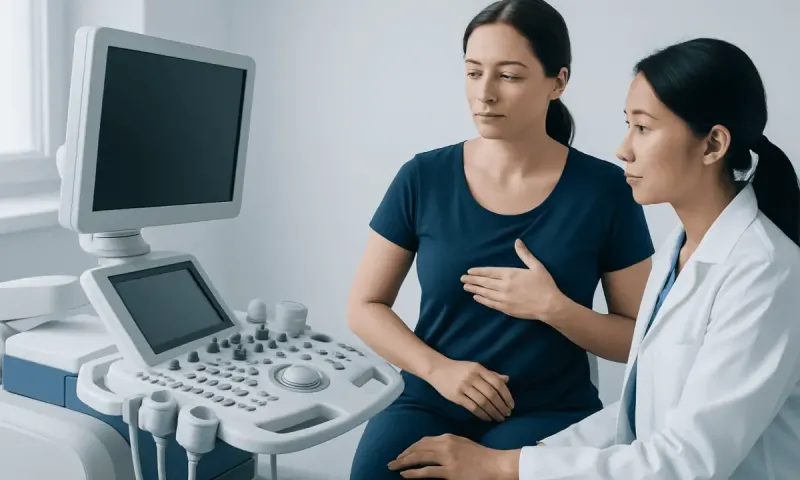
Evaluation begins with a careful history. A doctor will usually ask where the pain is located, whether it is cyclical, how long it has been present, and whether there are related symptoms such as a lump, redness, discharge, fever, or changes in the skin or nipple. This conversation often gives the first important clues.
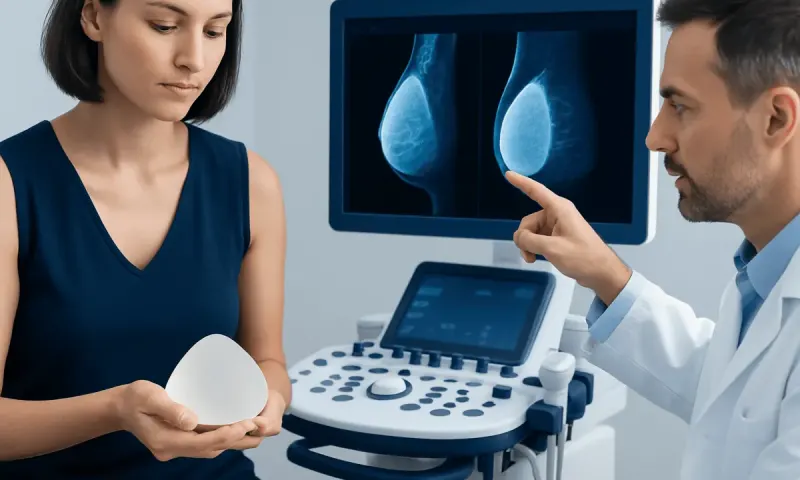
A physical examination follows. The clinician may examine both breasts and the chest wall to look for tenderness, masses, swelling, skin changes, or signs that the pain is coming from the muscles or ribs rather than the breast tissue. Depending on age, symptoms, and exam findings, imaging such as breast ultrasound or mammography may be recommended.
Not every person with breast pain needs extensive testing. In many cases, if the pain is clearly cyclical and the examination is reassuring, doctors may focus on symptom management and follow-up. If the pain is new, persistent, focal, or paired with a lump or nipple change, additional evaluation is more likely to be useful.
For Myomectomy Recovery for International Patients: The Usual Travel Timeline" class="ahp-ilk">international patients, it is helpful to bring prior imaging, biopsy reports, medication lists, and a short symptom timeline. That information can reduce repeat testing and help the care team make decisions more efficiently, especially when time in the destination country is limited.
Treatment Options
Treatment depends on the cause. When breast pain is linked to the menstrual cycle, reassurance and symptom control may be enough. If a cyst, infection, medication side effect, or chest wall strain is identified, the treatment plan is directed at that specific problem. The goal is not only pain relief but also clarity about what is and is not driving the symptom.
Supportive care is often the first step. A well-fitting, supportive bra can reduce pulling on breast tissue during daily activity or exercise. Warm or cool compresses may help some people, and over-the-counter pain relievers can be considered if a doctor says they are safe for that person’s health profile. If a medication is suspected, the prescribing doctor may review whether an alternative is appropriate.
When symptoms are persistent or bothersome, a clinician may recommend imaging follow-up, treatment for an underlying condition, or referral to a breast specialist. In people with fibrocystic changes or recurrent pain, management is usually individualized rather than based on a single universal approach. The most useful plan is the one matched to the cause, the person’s age, and their overall health history.
For some international patients, this can be coordinated within a short stay, with imaging, specialist review, and follow-up instructions organized before travel home. Acibadem Health Point’s multidisciplinary specialists and JCI-accredited hospitals diagnose and treat breast pain for international patients as part of coordinated care when a fuller workup is needed.
Prevention & Self-care
Breast pain cannot always be prevented, especially when hormones are the main driver, but several habits can make it less disruptive. Wearing supportive, properly fitted bras during daily activity and exercise can reduce strain. Some people also find that reducing repeated chest wall stress, such as heavy lifting or high-impact movement, improves comfort.
Keeping track of symptoms can be surprisingly useful. A brief note about timing, severity, cycle phase, exercise, and any new medicines helps reveal patterns that are easy to miss in the moment. This is especially valuable when care is being arranged across borders, because a concise record gives the next doctor a much clearer starting point.
Self-care also includes knowing what changes deserve attention. New focal pain, a lump, redness, skin dimpling, nipple discharge, or pain that does not improve over time should not be brushed off. Even when the cause turns out to be benign, a structured review is often the fastest path to peace of mind.
- Choose supportive, well-fitted bras
- Track timing and triggers in a symptom diary
- Use gentle movement and posture support
- Review new medications with a clinician if pain begins after starting them
- Seek reassessment if symptoms change or persist
When to See a Doctor
Medical review is sensible when breast pain is new, persistent, getting worse, or interfering with sleep, work, or travel. It is also wise to seek assessment if the pain is in one specific area, especially if it does not seem related to the menstrual cycle. A doctor can usually determine whether the pain appears breast-related, chest-wall-related, or linked to another condition.
Prompt evaluation is particularly important if breast pain occurs with a lump, nipple discharge, redness, warmth, fever, skin thickening, or a change in breast shape. These findings often still have benign explanations, but they should be checked rather than watched indefinitely. If pain is severe after an injury or accompanied by shortness of breath or chest pressure, urgent care is appropriate because the source may not be the breast at all.
For people traveling internationally for care, it helps to arrange evaluation before departure when possible, especially if imaging or a specialist opinion might be needed. A well-timed consultation can clarify whether the issue can be managed locally, monitored, or worked up more fully at a breast or women’s health center.
Living With Breast Pain: Practical Questions Patients Often Ask
Many patients want to know whether breast pain alone means cancer. In general, pain by itself is not a common warning sign of breast cancer, but it should still be evaluated when it is persistent, focal, or accompanied by other changes. The purpose of assessment is to rule out important causes and identify treatable ones, not to assume the worst.
Another common concern is whether pain will disappear on its own. That depends on the cause. Cyclical discomfort often improves with cycle changes, while pain from infection, a cyst, or a muscle strain may improve once the underlying issue is treated. If symptoms linger, the plan may need to be adjusted rather than repeated blindly.
People who are preparing for a trip often ask what to bring to a consultation. A list of current medicines, past breast imaging, prior biopsy results if any, and a short note about the pain pattern can make the visit more efficient. Clear records help doctors focus on the most likely causes and avoid unnecessary delays.
Conclusion
Breast pain is common, usually manageable, and often linked to hormone-related or benign causes. Even so, it deserves thoughtful assessment when it is new, persistent, one-sided, or associated with another breast change.
With the right history, examination, and targeted testing when needed, most people get a clear explanation and a practical plan. The next step is often not a long list of possibilities, but a focused answer that fits the individual’s symptoms and health background.
Frequently asked questions
01Is breast pain usually a sign of breast cancer?
Breast pain alone is not a common sign of breast cancer. It is more often related to hormonal changes, benign breast conditions, or chest wall strain. Still, pain that is persistent, focal, or associated with a lump or skin change should be checked.
02What does cyclical breast pain feel like?
Cyclical breast pain often feels like tenderness, heaviness, or fullness that gets worse before a period and improves afterward. It usually affects both breasts rather than one small spot. The pattern can repeat month to month.
03Can exercise cause breast pain?
Yes, especially if the pain is actually coming from the chest wall muscles or if support is inadequate during activity. High-impact exercise, repeated arm movement, or strain can all contribute. A well-fitting supportive bra may help.
04When should a person with breast pain get imaging?
Imaging is more likely to be recommended when pain is localized, persistent, new, or paired with a lump or other breast change. Age and overall risk factors also matter. A doctor decides which test, if any, is the most appropriate.
05Do breast cysts always hurt?
No, breast cysts may be painless or mildly uncomfortable. Some become tender, especially before a menstrual period or if they enlarge. A clinician can help determine whether a cyst is likely and whether follow-up is needed.
06What can someone do before seeing a doctor?
It helps to note when the pain started, whether it follows the menstrual cycle, and whether anything makes it better or worse. Wearing a supportive bra and avoiding unnecessary strain may reduce discomfort. If a lump, redness, discharge, or fever is present, the person should not wait long to be seen.
This article is for general information only and is not a substitute for professional medical advice. Please consult a qualified doctor about your individual situation.
Joint and spine care in Turkey — expert assessment & treatment
JCI-accredited · board-certified surgeons · reply within 24h
Add us as a Preferred Source to see more of our trusted health content across Google Search, AI Overviews and Discover.