Pelvic Pain: Causes, Symptoms and Treatment

Key Takeaways
- Pelvic pain is a symptom, not a diagnosis, and it can come from several different body systems.
- The timing, location, and related symptoms help clinicians narrow down the cause.
- Some cases are temporary and mild, while others need prompt evaluation.
- Testing may include a pelvic exam, urine tests, imaging, or lab work depending on the suspected cause.
- Treatment is based on the underlying condition and may combine medication, procedures, physical therapy, or lifestyle measures.
Pelvic pain is a common symptom with many possible causes, and it may involve the reproductive, urinary, digestive, or musculoskeletal systems. A careful evaluation helps identify the source and guide treatment that fits the person’s needs and symptoms.
Overview
Pelvic pain refers to discomfort felt in the lower abdomen, pelvis, groin, or area between the hips. It may be sharp, dull, cramping, pressure-like, or a combination of sensations, and it can appear suddenly or build gradually over time.
Because the pelvis contains organs from several systems, the cause is not always obvious at first. Pain can originate in the uterus, ovaries, bladder, bowel, muscles, nerves, or joints, which is why a thoughtful medical history is often the first and most useful step.
For some people, pelvic pain is linked to the menstrual cycle or pregnancy. For others, it may be related to urinary symptoms, bowel changes, pelvic floor tension, a past infection, or a structural problem such as a cyst or fibroid.
Symptoms
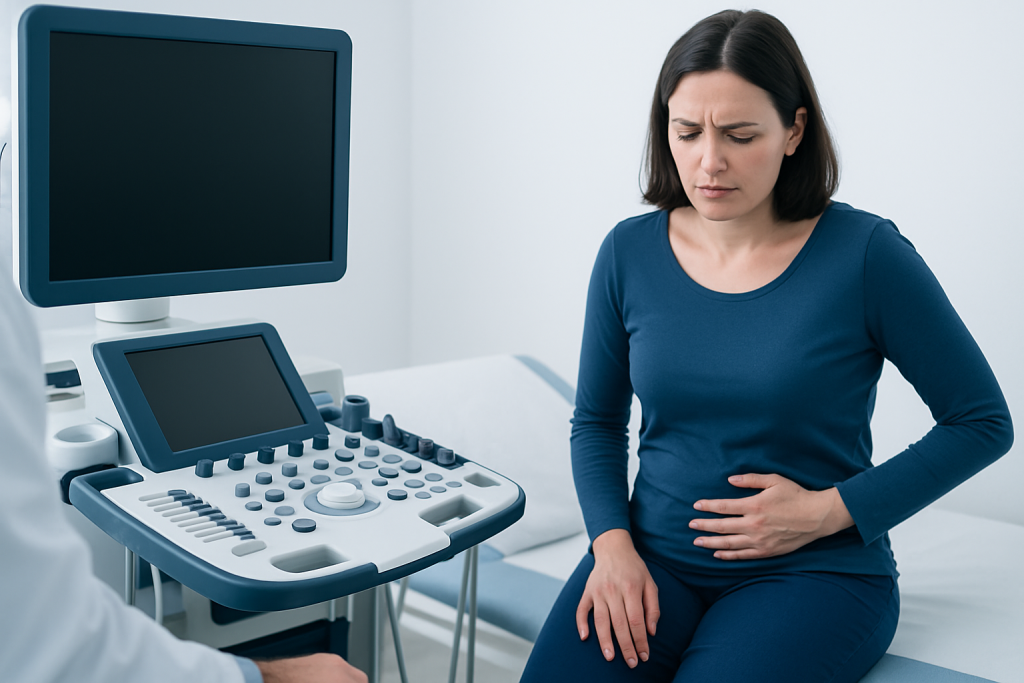
The pain itself can be steady or intermittent, and some people notice it only during certain activities such as urination, intercourse, exercise, or bowel movements. Others describe a feeling of heaviness, fullness, or aching that becomes more noticeable later in the day.
Pelvic pain may occur alone or alongside other symptoms that offer clues about the cause. Common accompanying signs include:
- Abnormal vaginal bleeding or discharge
- Painful periods or pain between periods
- Frequent urination, burning, or blood in the urine
- Bloating, constipation, diarrhea, or pain with bowel movements
- Pain during sexual activity
- Fever, nausea, or vomiting in some urgent conditions
The pattern matters. Pain that follows the menstrual cycle, worsens with bladder filling, or appears after eating may point clinicians toward different causes, even when the discomfort feels similar to the person experiencing it.
Causes & Risk Factors
Pelvic pain can arise from gynecologic conditions such as menstrual cramps, endometriosis, ovarian cysts, pelvic inflammatory disease, uterine fibroids, or adenomyosis. In pregnancy, pain may be related to benign stretching and pressure, but it can also signal a concern that needs prompt assessment.
Non-gynecologic causes are also common. Urinary tract infections, kidney stones, irritable bowel syndrome, constipation, appendicitis, hernias, musculoskeletal strain, and pelvic floor muscle dysfunction can all create pain in the same region.
Risk factors depend on the cause. Prior pelvic infections, a history of endometriosis, recent childbirth, sexually transmitted infections, previous abdominal surgery, chronic constipation, and repetitive strain can all increase the chance of pelvic pain. Emotional stress and prolonged muscle tension may also make pain feel more persistent or harder to localize.
Diagnosis
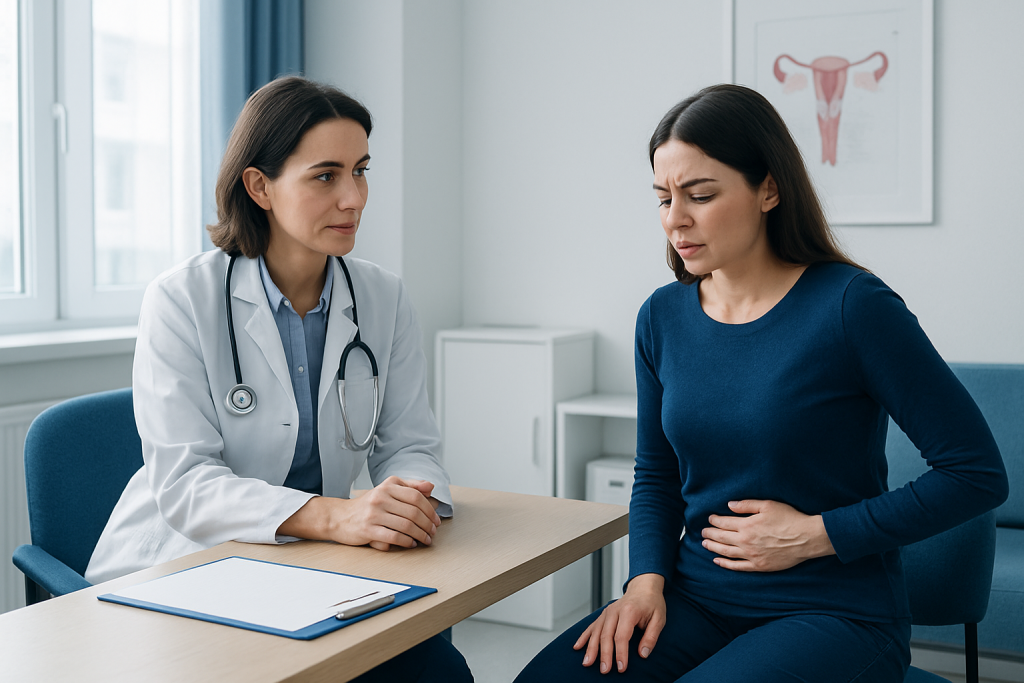
Evaluation usually starts with a conversation about when the pain began, where it is located, what makes it better or worse, and whether it relates to menstruation, urination, digestion, or movement. Clinicians often ask about sexual history, pregnancy possibility, prior surgeries, and any fever, bleeding, or discharge.
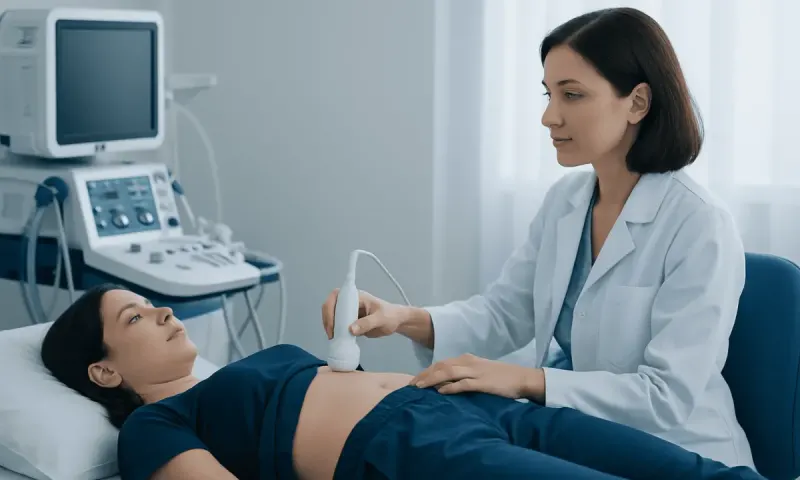
A physical exam may include an abdominal exam, pelvic exam, or both, depending on age, symptoms, and comfort. From there, testing may include urine studies, pregnancy testing, blood tests, swabs for infection, or imaging such as ultrasound. In some situations, additional scans or referral to a specialist are needed to look more closely at the uterus, ovaries, bowel, bladder, or pelvic muscles.
When pain has lasted for months, clinicians may focus on chronic pelvic pain patterns and consider more than one cause at the same time. This is especially important because long-lasting pain can involve both a medical condition and a pain-sensitivity or muscle component.
Treatment Options
Treatment depends on the cause rather than the symptom alone. A urinary tract infection, for example, is managed differently from endometriosis, constipation, a cyst, or pelvic floor dysfunction, so the diagnosis guides the plan.
Common treatment approaches may include:
- Antibiotics for certain infections
- Pain-relief medicines recommended by a clinician
- Hormonal treatment for selected gynecologic conditions
- Procedures or surgery when a structural problem needs correction
- Pelvic floor physical therapy when muscle tightness or coordination is part of the problem
For chronic pelvic pain, care often works best when it is coordinated. A combination of gynecology, urology, gastroenterology, pain medicine, and rehabilitation may be used to address overlapping causes and reduce the chance that one untreated issue keeps the whole pattern going.
Prevention & Self-care
Not every cause of pelvic pain can be prevented, but a few habits can reduce flare-ups or help a person notice problems earlier. Staying hydrated, treating constipation promptly, and following safer-sex practices can lower the risk of some common triggers.
Gentle self-care may help between medical visits, especially when the cause is already known. Warm compresses, moderate movement, relaxation techniques, and tracking symptoms in a simple diary can make patterns easier to identify and may help clinicians tailor care more precisely.
When traveling for treatment, it helps to bring a short symptom timeline, previous test results, medication lists, and any imaging reports. For Myomectomy Recovery for International Patients: The Usual Travel Timeline" class="ahp-ilk">international patients, having these records organized before arrival can make consultations more efficient and reduce unnecessary repeat testing.
When to See a Doctor
Medical evaluation is important when pelvic pain is severe, keeps returning, lasts more than a few days, or interferes with daily life. It is also wise to seek assessment if the pain is linked to abnormal bleeding, pregnancy, fever, vomiting, fainting, painful urination, or a new vaginal discharge.
Some symptoms deserve prompt attention because they can signal urgent conditions such as ectopic pregnancy, ovarian torsion, appendicitis, or a significant infection. Even when the pain is not an emergency, ongoing symptoms should not be dismissed as “normal,” especially if they are worsening or affecting sleep, work, or relationships.
Acibadem Health Point can support international patients with multidisciplinary specialists and JCI-accredited hospitals that diagnose and treat pelvic pain in a coordinated setting. A clear diagnosis is often the most reassuring step, because it opens the door to treatment that is targeted, practical, and easier to follow after returning home.
Living With Ongoing Pelvic Pain
When pelvic pain becomes chronic, the goal is often not only to reduce discomfort but also to restore function. That may mean improving sleep, reducing flare frequency, easing movement, and helping the person feel more in control of symptoms day to day.
Helpful follow-up often includes reviewing what triggers pain, adjusting treatment if symptoms change, and checking for overlapping issues such as bladder irritation, bowel problems, or pelvic muscle tension. People benefit most when they feel heard and when care is revisited rather than treated as a one-time event.
Because chronic pelvic pain can have more than one contributor, patience is important. A steady, coordinated plan is usually more effective than chasing a single explanation when the symptoms suggest a broader picture.
Frequently asked questions
01Is pelvic pain always related to the reproductive organs?
No. Pelvic pain can come from the reproductive, urinary, digestive, musculoskeletal, or nervous systems. That is why clinicians look at the whole symptom pattern rather than assuming one cause.
02Can pelvic pain happen without a period problem?
Yes. Urinary infections, bowel conditions, muscle tension, or pelvic floor dysfunction can cause pelvic pain even when periods are not involved. The timing and associated symptoms help guide the evaluation.
03What tests are commonly used to find the cause?
Depending on the situation, a clinician may order urine tests, pregnancy testing, blood work, swabs, or an ultrasound. The exam and history often determine which tests are most useful first.
04Does chronic pelvic pain mean the problem is serious?
Not always, but it does mean the discomfort deserves proper assessment. Chronic pain can result from several overlapping conditions, and treatment is often more effective once the pattern is identified.
05Can pelvic pain improve with self-care?
Some people get relief from warmth, gentle movement, hydration, and managing constipation or stress. Self-care can be helpful, but it should not replace medical evaluation when symptoms are persistent, severe, or new.
06When should someone seek urgent help?
Urgent care is appropriate if pelvic pain is sudden and severe, occurs with fainting, fever, heavy bleeding, vomiting, or possible pregnancy, or is paired with signs of a serious infection. These symptoms may need immediate assessment.
This article is for general information only and is not a substitute for professional medical advice. Please consult a qualified doctor about your individual situation.
Persistent digestive symptoms? Get evaluated in Turkey
JCI-accredited · board-certified surgeons · reply within 24h
Add us as a Preferred Source to see more of our trusted health content across Google Search, AI Overviews and Discover.