Shoulder Acne Often Comes From Friction, Sweat, and Blocked Pores
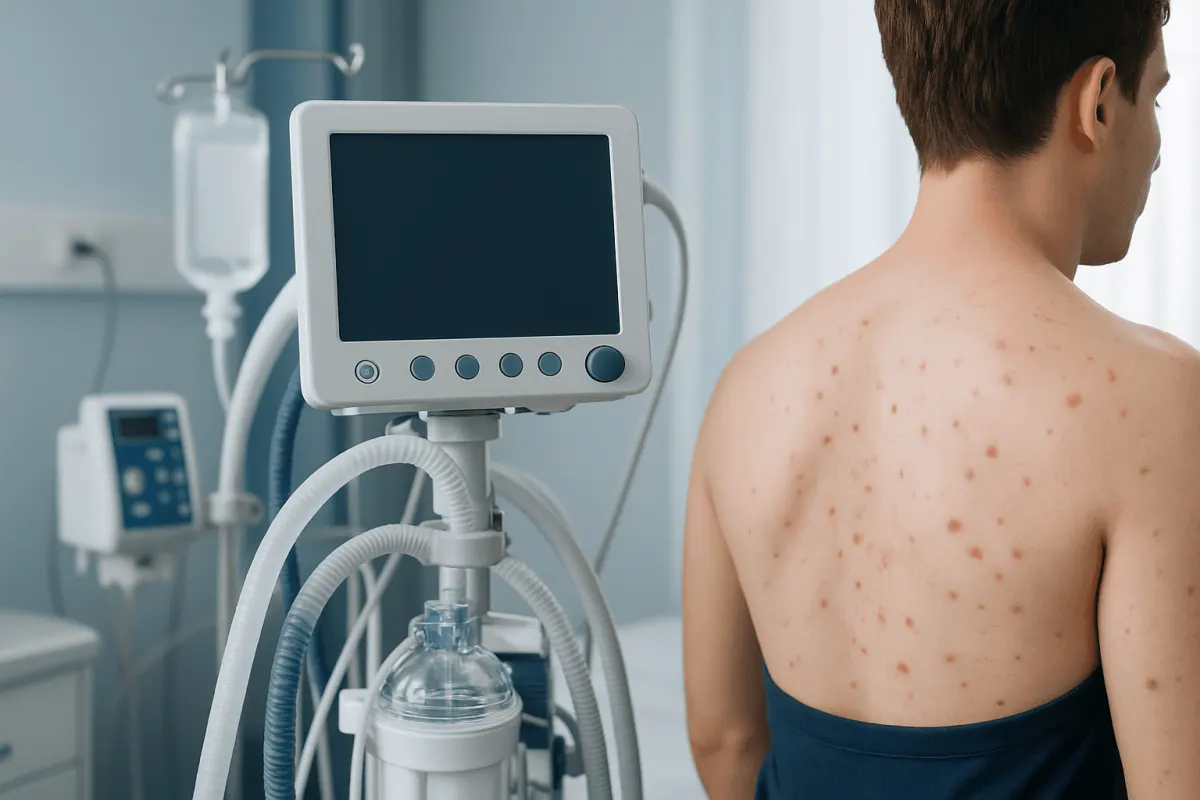
You peel off a sweaty gym shirt, glance in the mirror, and there they are — small red bumps scattered across your shoulders. Maybe they hurt when a backpack strap presses on them. Shoulder acne is a common type of body acne, and it starts when hair follicles on the shoulders get blocked by oil, dead skin cells and other material.
The good news: it is usually manageable. Gentle skin care, less friction and sweat sitting on the skin, and medical treatment when breakouts are persistent, painful or scarring will get most people where they want to be.
Shoulder acne: an overview
Shoulder acne shows up over the upper back and shoulders, and sometimes the upper arms or chest. What happens underneath is simple: tiny openings in the skin called hair follicles get clogged with sebum, an oil made by the skin, along with dead skin cells and sometimes bacteria. The result can be blackheads, whiteheads, inflamed pimples, or deeper nodules.
Although acne is often associated with the face and teenage years, it can affect people of all ages. The shoulders contain many oil-producing glands, making this area susceptible to breakouts. Clothing, exercise habits, hair and body products, and hormonal changes can all influence how often shoulder acne appears.
Let us clear one thing up: this is not caused by poor hygiene, and you cannot catch it or pass it on. Washing gently and regularly helps, but scrubbing hard or washing over and over irritates the skin and makes the inflammation worse. Good care keeps follicles from blocking up while protecting your skin barrier.
What shoulder acne can look and feel like
Shoulder acne can vary considerably in appearance. Non-inflammatory acne includes closed comedones, often called whiteheads, and open comedones, or blackheads. Inflammatory acne can cause red, tender bumps called papules, as well as pustules that contain visible pus.
Some people develop larger, deeper, painful spots called nodules or cyst-like lesions. These are more likely to leave scars or persistent dark or reddish marks after they heal. Acne may be limited to a few spots, but it can also cover broad areas of the shoulders and upper back.
Breakouts may become more noticeable after sweating, wearing close-fitting garments, carrying a backpack, or using sports pads. Itching can occur, but intense itchiness or many small, very similar-looking bumps may suggest folliculitis rather than typical acne. A clinician can distinguish these conditions when the diagnosis is unclear.
- Blackheads or whiteheads
- Red, swollen or sore pimples
- Pus-filled spots
- Deep, painful lumps beneath the skin
- Post-inflammatory dark marks, redness, or scars
Why acne develops on the shoulders
Acne develops through a combination of factors: increased oil production, buildup of dead skin cells within follicles, growth of the skin bacterium Cutibacterium acnes, and inflammation. Hormonal changes can increase oil production, which is why acne commonly starts during puberty and may flare around menstrual periods or during periods of hormonal change.
On the shoulders, local triggers may play an especially important part. Friction and pressure from straps, uniforms, tight synthetic fabrics, or athletic equipment can contribute to acne mechanica, a form of acne linked to repeated rubbing and occlusion. Sweat trapped beneath clothing may also create an environment that encourages breakouts.
Oil-based lotions, sunscreen, hair conditioner, styling products, and body products can contribute if they block pores or are not rinsed away from the shoulder area. Acne can also be associated with certain medicines, including corticosteroids, testosterone or anabolic steroids, lithium, and some anti-seizure medicines. A person should not stop a prescribed medicine without discussing it with the clinician who prescribed it.
Diet is not the sole cause of acne. Still, some people do notice flares with high-glycemic foods or certain eating patterns. If you spot a clear pattern in yourself, it is worth talking through balanced changes with a healthcare professional — there is no need to put yourself on a restrictive diet.
How shoulder acne is diagnosed
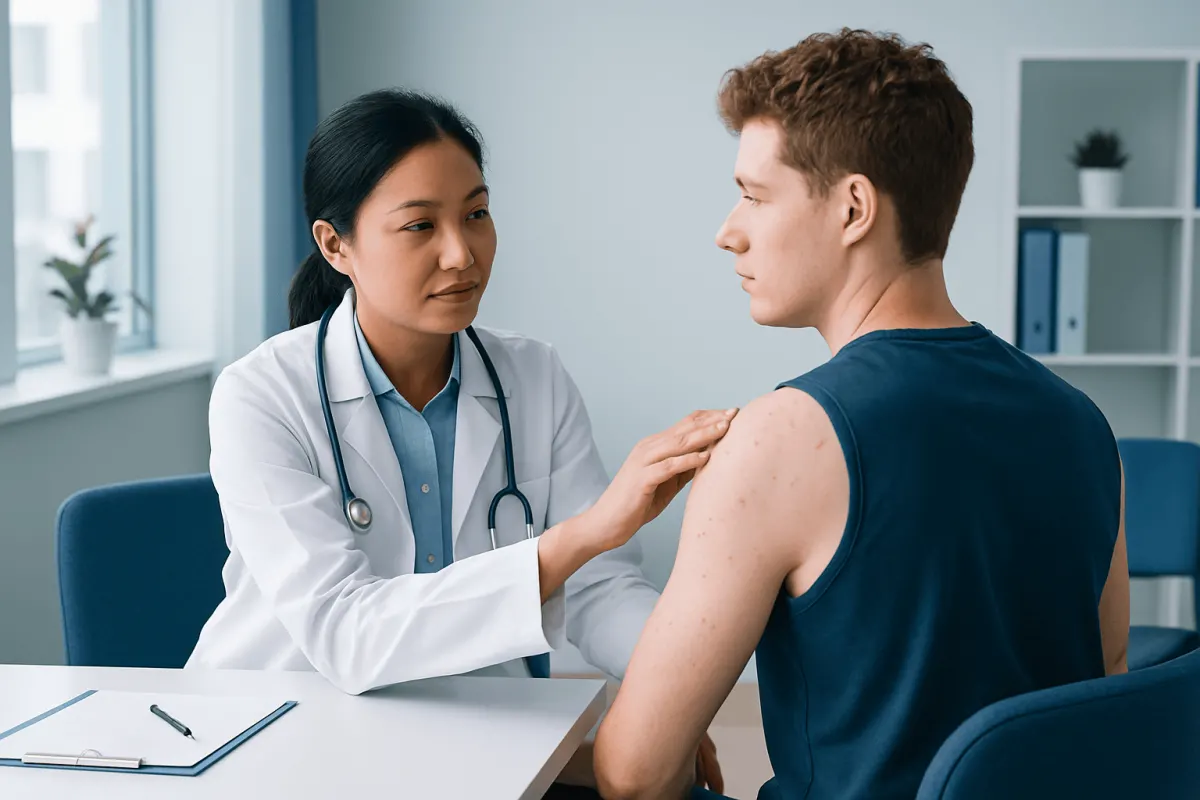
A doctor or dermatologist can usually diagnose shoulder acne by examining the skin and asking about symptoms, skin products, medicines, exercise, clothing, and relevant medical history. Laboratory tests are not usually needed for straightforward acne.
During an assessment, the clinician will consider the type and severity of lesions, whether there is scarring, and whether a similar condition could be responsible. Folliculitis, heat rash, contact dermatitis, and fungal folliculitis can sometimes resemble acne. Unlike typical acne, folliculitis often causes uniform bumps centered around hair follicles and may be particularly itchy.
In women and people assigned female at birth, acne accompanied by irregular periods, increased facial or body hair, scalp hair thinning, or unexplained weight changes may warrant evaluation for an underlying hormonal condition. Such symptoms do not always indicate a medical disorder, but they are useful to report.
Taking photographs over time can help a person and their clinician assess patterns and response to treatment. It is also helpful to bring a list or photos of skin, hair, and sports products that regularly touch the shoulders.
Treatment options for shoulder acne
Treatment depends on the severity of acne, the type of spots present, skin sensitivity, and whether scars are developing. Mild shoulder acne often improves with an over-the-counter wash or leave-on product containing benzoyl peroxide, salicylic acid, or a topical retinoid such as adapalene where available. These treatments work in different ways: benzoyl peroxide reduces acne-related bacteria, salicylic acid helps clear blocked pores, and retinoids help prevent comedones.
Using one new product at a time and starting gradually can reduce dryness and irritation. Benzoyl peroxide may bleach towels, clothing, and bedding. Retinoids can cause early irritation and may increase sensitivity to sunlight, so daily sun protection is important. People who are pregnant, planning pregnancy, or breastfeeding should ask a clinician before using acne medicines, particularly retinoids.
For moderate or persistent inflammatory acne, a clinician may prescribe topical treatments such as a retinoid or antibiotic, often alongside benzoyl peroxide. Oral medicines may be considered for more extensive or severe acne. These can include antibiotics for limited periods, hormonal treatment for appropriate patients, or isotretinoin for severe nodular acne or acne that risks scarring. Isotretinoin requires careful specialist monitoring because it can cause serious side effects and must not be used during pregnancy.
This takes patience. Most people wait six to eight weeks before they see a meaningful difference, and several months for fuller control. Once your skin clears, staying on a routine that works keeps future flares down.
Daily habits that may help prevent shoulder breakouts
A simple, consistent routine can support treatment and help reduce new shoulder acne lesions. Showering or changing out of sweaty clothing promptly after exercise can remove sweat, oil, and residue from the skin. A gentle cleanser is usually sufficient; rough exfoliating gloves, abrasive scrubs, and vigorous rubbing can inflame existing acne.
Choosing loose, breathable clothing for exercise and everyday wear may reduce heat, pressure, and friction. Washing sports bras, shirts, uniforms, backpack straps where possible, towels, and bedding regularly can also limit the buildup of sweat, oil, and product residue. If shoulder pads or other equipment are required, clean them according to the manufacturer’s instructions.
It may help to choose products labeled non-comedogenic or oil-free, including sunscreen and moisturizers. When rinsing out hair conditioner, leaning forward or to the side can prevent residue from sitting on the shoulders and back. Long hair that is oily or covered in styling products should be kept off the shoulders when possible.
Do not pick, squeeze, or scrub the spots. It pushes inflammation deeper and raises the risk of infection, dark marks, and scarring. And if the acne is wearing on your confidence or comfort day to day, that alone is a good enough reason to see a healthcare professional.
When to seek medical care
Medical assessment is advisable when shoulder acne is painful, widespread, leaving scars, or not improving after a consistent trial of non-prescription care. Early treatment of deep or nodular acne can help reduce the chance of permanent scarring. A clinician can also confirm whether the eruption is acne or another skin condition that needs different care.
A person should seek prompt medical advice if they develop rapidly worsening redness, warmth, swelling, fever, or severe pain, as these symptoms may indicate a skin infection rather than uncomplicated acne. Acne itself is usually not an emergency, but sudden significant skin changes deserve evaluation.
Bring it up, too, if acne starts suddenly in adulthood, comes with possible hormonal symptoms, or appears after you start a new medicine or supplement. A qualified clinician can safely review what might be contributing — rather than you stopping a prescribed treatment on your own.
Acıbadem Health Point’s multidisciplinary specialists and JCI-accredited hospitals can assess acne and related skin concerns for international patients, including cases requiring dermatology input or treatment for scarring.
Frequently asked questions
01What causes shoulder acne?
Shoulder acne develops when oil, dead skin cells, and other material block hair follicles and trigger inflammation. Hormonal changes, sweat, friction from clothing or straps, and pore-clogging skin or hair products can all contribute. Some medicines may also worsen acne in certain people.
02Is shoulder acne different from back acne?
Shoulder acne and back acne develop through the same basic process and are both forms of body acne. They may occur together because the upper back and shoulders have many oil glands. However, shoulder breakouts may be more affected by friction from backpacks, clothing, or sports equipment.
03Can sweating cause acne on the shoulders?
Sweat does not directly cause acne, but it can contribute when it mixes with oil and remains trapped beneath tight clothing or equipment. Showering after exercise and changing into clean, dry clothing may help reduce this trigger. Scrubbing harshly after sweating is not necessary and may irritate the skin.
04How can shoulder acne be treated at home?
Gentle cleansing and a consistent acne product containing benzoyl peroxide, salicylic acid, or adapalene may help mild acne. Use products as directed, introduce them gradually, and choose a non-comedogenic moisturizer if dryness occurs. If acne is painful, scar-forming, or does not improve after several weeks, a dermatologist should be consulted.
05Should people pop shoulder pimples?
No. Squeezing or picking pimples can increase inflammation and may introduce bacteria into damaged skin. It also increases the likelihood of dark marks and scars, especially with deep lesions. Treatment and time are safer ways to allow acne spots to heal.
06Could itchy shoulder bumps be something other than acne?
Yes. Folliculitis, contact dermatitis, heat rash, and other skin conditions can resemble acne. Uniform, itchy bumps without blackheads or whiteheads may be more suggestive of folliculitis. A clinician can examine the skin and recommend the appropriate treatment.
This article is for general information only and is not a substitute for professional medical advice. Please consult a qualified doctor about your individual situation.
Hair transplant in Turkey — costs, graft counts & a free assessment
JCI-accredited · board-certified surgeons · reply within 24h
Add us as a Preferred Source to see more of our trusted health content across Google Search, AI Overviews and Discover.