Brazilian Tummy Tuck Scars: Placement, Healing, and Scar Care

Brazilian tummy tuck scars are an expected part of surgery, but they are usually planned to sit low on the abdomen and become less noticeable as healing progresses. Understanding scar placement, normal healing stages, and practical scar care can help patients recover with more confidence and realistic expectations.
Overview of Brazilian Tummy Tuck Scars
A Brazilian tummy tuck is a form of abdominoplasty designed to improve the contour of the abdomen, often with attention to body shape, waist definition, and scar placement. As with any procedure that removes excess skin and tightens tissues, a scar is unavoidable. For many patients, the main question is not whether there will be a scar, but where it will sit, how it will heal, and what can be done to help it fade.
In most cases, the main scar runs horizontally across the lower abdomen, usually below the bikini line. The exact length and curve depend on how much skin is removed, the patient’s anatomy, and the surgical technique. Some patients may also have a small scar around the belly button if the navel is repositioned during surgery.
A well-planned scar is usually placed where clothing can hide it. Even so, healing takes time. Early scars can look pink, red, dark, raised, or firm before they gradually mature. Most scars become less noticeable over several months, and improvement may continue for a year or longer.
Where the Scar Is Usually Placed
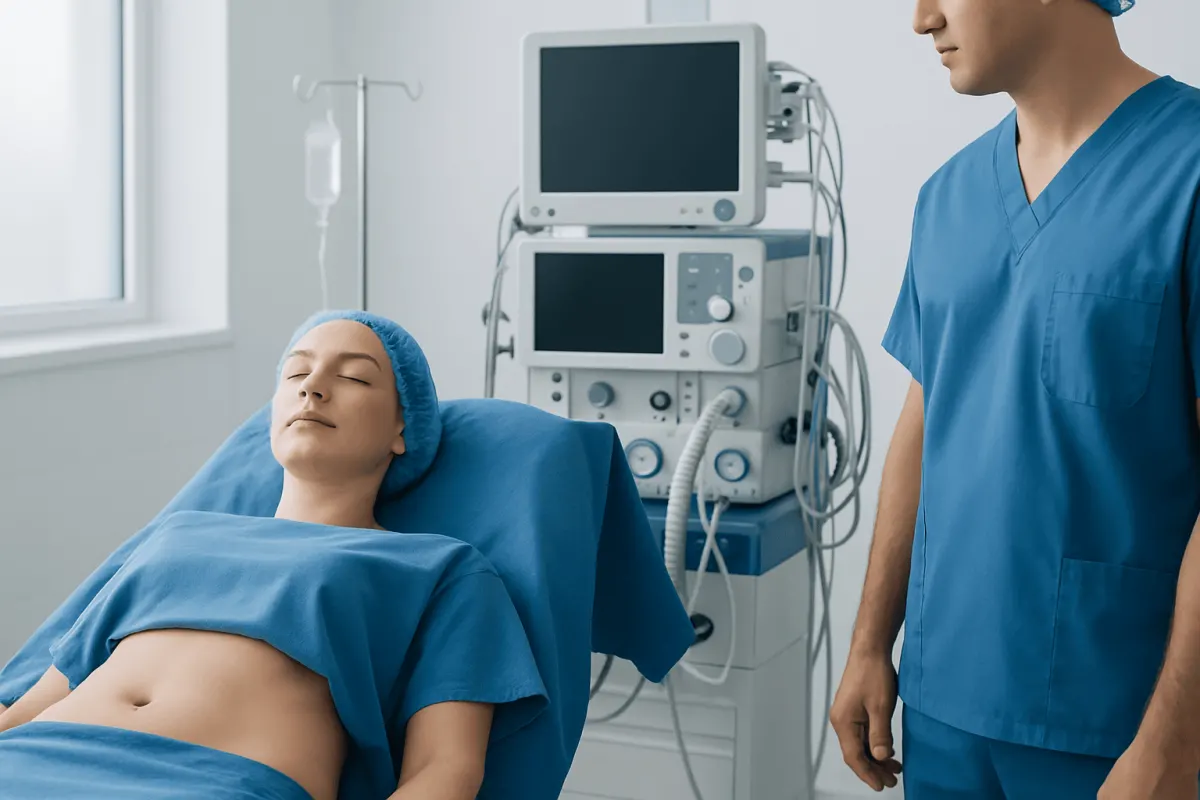
The hallmark of tummy tuck scar planning is low placement. Surgeons generally try to position the incision so it sits as low as safely possible across the pelvis. This allows the scar to be concealed by many underwear, bikini bottoms, or fitted clothing. The final position, however, depends on the amount of loose skin, prior scars, body shape, and how the tissues can be closed without too much tension.
Scar length varies. A smaller lower-abdominal correction may leave a shorter scar, while a full tummy tuck often requires a longer incision that extends toward the hips. If the procedure includes muscle tightening or reshaping after major weight change, the scar may be longer because more skin needs to be removed. In some body contouring cases, related procedures such as body contouring after major weight loss or buttock lift surgery may also involve carefully planned scars in other areas.
Many patients also notice a scar around the belly button. This is common when the abdominal skin is tightened and the navel is brought through a new opening in the skin. Although this scar is usually much smaller than the lower abdominal scar, it also goes through normal stages of healing and may take time to blend with the surrounding skin.
What Scar Healing Usually Looks Like

Scar healing happens in phases. In the first days and weeks, the incision is focused on closing and sealing. Swelling, bruising, tightness, and mild discomfort are common during this period. As the skin repairs, the scar may look more visible than expected, which is a normal part of early healing.
Over the next several weeks, the scar often becomes pink, red, or darker than the surrounding skin. It may also feel thick, firm, itchy, numb, or slightly lumpy. These changes do not always mean something is wrong. They usually reflect collagen remodeling, which is the body’s natural way of strengthening the healing tissue.
Scar maturation is slow. Over months, many scars flatten, soften, and fade. The color may shift from red or dark pink to lighter tones, although the final shade depends on individual skin tone and healing patterns. Some people heal with a thin, pale line, while others may develop a wider or more raised scar.
If a patient has a personal or family history of thick scars, the surgeon may discuss closer scar follow-up. This can be especially relevant for people prone to keloid scars, where healing tissue becomes raised beyond the usual scar line.
Factors That Affect How a Tummy Tuck Scar Heals
Several factors influence scar quality. One of the most important is tension on the incision. When a large amount of skin is removed, the wound may be under more pull during closure, which can increase the chance of widening. Surgical technique, tissue handling, and how well the wound is supported during recovery also matter.
Personal healing traits are equally important. Age, skin type, genetics, nutrition, blood supply, and overall health can all affect the final appearance of a scar. People with a history of darkening after skin injury, raised scars, or slower wound healing may notice a more visible scar than others, even with excellent surgery and aftercare.
Lifestyle choices can make a meaningful difference. Smoking and nicotine products reduce blood flow and can impair healing. Sudden strain on the abdomen, early intense exercise, or not wearing recommended support garments may place extra stress on the incision. Weight changes after surgery can also affect abdominal skin and scar appearance.
Pre-existing skin conditions or previous abdominal surgery can influence planning as well. For example, older scars, areas of reduced skin quality, or prior injury such as burns may affect how the new incision is designed and how the tissue heals afterward.
Scar Care After Surgery
Scar care starts with basic wound care. In the early recovery period, the most important step is to follow the surgeon’s instructions closely. Patients are often advised to keep the incision clean and dry, avoid unnecessary friction, and attend all follow-up appointments. Dressings, drains, compression garments, and bathing instructions can vary, so individual guidance matters.
Once the incision is fully closed and the surgeon confirms it is safe, longer-term scar care may begin. Common measures include silicone sheets or silicone gel, gentle scar massage if recommended, and regular moisturization of healed skin. These approaches do not erase a scar, but they may help improve softness, flattening, and overall appearance over time.
Sun protection is especially important. Fresh scars can darken if exposed to ultraviolet light, and this discoloration may last. Keeping the scar covered and using sun protection on healed skin can help reduce long-term pigmentation changes. Patients should ask when sunscreen is safe to apply directly to the healed area.
Some patients with thicker, darker, or more persistent scars may benefit from specialist treatments after the initial healing phase. Depending on the scar type, options may include doctor-directed scar therapies or referral for scar treatment options when appropriate. The right timing depends on how mature the scar is and whether there are any concerns about wound healing.
When Healing May Need Medical Review
Most tummy tuck scars heal without major problems, but some warning signs deserve prompt medical attention. Increasing redness, warmth, swelling, drainage with odor, fever, opening of the incision, or pain that worsens rather than improves can suggest a complication. These symptoms do not always mean a serious problem, but they should be assessed by a qualified clinician.
Scar-related concerns can also appear later. A scar that becomes very raised, hard, itchy, tender, or wider over time may need review. Changes in color can also be significant, especially if there is rapidly increasing redness or areas that look unusually dark or pale. Some patients may also notice uneven contour near the scar, which can relate to swelling, healing tissue, or body shape changes during recovery.
Follow-up is important because early treatment may help prevent a small issue from becoming a larger one. If needed, a surgeon may recommend changes in dressings, scar support, silicone therapy, activity level, or other measures. In selected cases, additional contouring procedures such as liposuction may be discussed later, but only after the tissues have healed and settled.
Long-Term Results and Ways to Support a Better Scar
The long-term appearance of a Brazilian tummy tuck scar depends on both surgical planning and patient aftercare. Patience is important. A scar that looks obvious in the first few months can continue to improve well beyond that point. Many patients find that once swelling settles and the scar matures, the trade-off feels acceptable because of the improved abdominal contour and clothing fit.
Helpful habits include maintaining a stable weight, eating a balanced diet with enough protein, staying well hydrated, avoiding nicotine, and returning to exercise only when cleared by the surgeon. Wearing recommended compression garments and avoiding heavy abdominal strain early on may also support healing. These steps do not guarantee an invisible scar, but they can help create the best conditions for recovery.
If a scar remains bothersome after full maturation, options may still be available. Depending on the issue, a doctor may discuss non-surgical scar management, steroid treatment for raised scars, laser-based approaches, or scar revision surgery. Decisions should be individualized, based on the scar pattern, skin type, and the patient’s goals.
For patients seeking expert evaluation, Acıbadem Health Point’s multidisciplinary specialists in JCI-accredited hospitals diagnose and treat aesthetic and reconstructive concerns for international patients, including abdominal contouring and scar assessment. In some treatment plans, related body-shaping procedures such as arm lift surgery may be considered when clinically appropriate.
Frequently asked questions
01Do Brazilian tummy tuck scars go away completely?
A tummy tuck scar does not disappear completely, because a scar is a normal result of any incision through the skin. In many patients, however, it becomes flatter, softer, and less visible over time. Final scar appearance depends on skin type, healing tendencies, and aftercare.
02How long does it take for a tummy tuck scar to heal?
The skin usually closes in the early weeks, but scar maturation takes much longer. It is common for the scar to keep changing for several months, and improvement may continue for a year or more. Early redness or firmness is often part of normal healing.
03Where is the Brazilian tummy tuck scar usually located?
The main scar is usually placed low on the abdomen, near the bikini line, so it can often be hidden by underwear or swimwear. The exact position and length depend on the amount of skin removed and the patient’s anatomy. Some patients also have a small scar around the belly button.
04What helps a tummy tuck scar heal better?
Following the surgeon’s instructions is the most important step. Once the incision is fully closed, scar care may include silicone products, gentle massage if advised, moisturization, and sun protection. Avoiding smoking and limiting strain on the abdomen can also support healing.
05Why does my tummy tuck scar look darker or raised at first?
This can happen during normal scar remodeling, especially in the first months after surgery. Healing scars often appear pink, red, darker, firm, or slightly raised before they gradually mature. If the scar becomes increasingly painful, very thick, or rapidly changes, a doctor should review it.
06Can a bad tummy tuck scar be treated?
Yes, in many cases there are ways to improve a scar if it remains thick, itchy, wide, or cosmetically bothersome. Treatment options may include silicone therapy, injections for raised scars, laser-based treatments, or surgical scar revision. The right approach depends on the scar type and should be discussed with a qualified surgeon or dermatologist.
This article is for general information only and is not a substitute for professional medical advice. Please consult a qualified doctor about your individual situation.
Explore treatments in Turkey — costs, top hospitals & a free quote
JCI-accredited · board-certified surgeons · reply within 24h
Add us as a Preferred Source to see more of our trusted health content across Google Search, AI Overviews and Discover.