Aesthetic Foot Surgery Recovery: Walking, Footwear, and Healing Time

Aesthetic foot Scalp Surgery Recovery: Swelling, Sutures, and Scar Maturation" class="ahp-ilk">surgery recovery involves a gradual return to walking, careful footwear choices, and patience while swelling and tissues heal. The exact timeline depends on the procedure performed, overall health, and how closely aftercare instructions are followed.
Overview of Aesthetic Foot Surgery Recovery
Aesthetic foot surgery recovery refers to the period after a cosmetic or reconstructive procedure designed to improve the shape, contour, or comfort-related appearance of the feet and toes. This may include procedures that address prominent bones, toe alignment, excess soft tissue, scars, or congenital differences. Some patients choose aesthetic foot surgery mainly for appearance, while others also hope for better shoe fit and less pressure in certain areas.
Recovery is usually gradual. The foot carries body weight with every step, so even small procedures can require protection and rest. In the first days and weeks, the main priorities are controlling swelling, protecting the surgical site, and following the surgeon’s advice on weight-bearing. Later, attention shifts toward mobility, comfortable footwear, scar care, and a safe return to daily routines.
It is common for patients to focus on when they will be able to walk normally or wear preferred shoes again. These are important goals, but they often happen in stages rather than all at once. The skin may heal relatively quickly, while deeper tissues, swelling, and sensitivity can take longer to settle.
Walking After Surgery: What to Expect
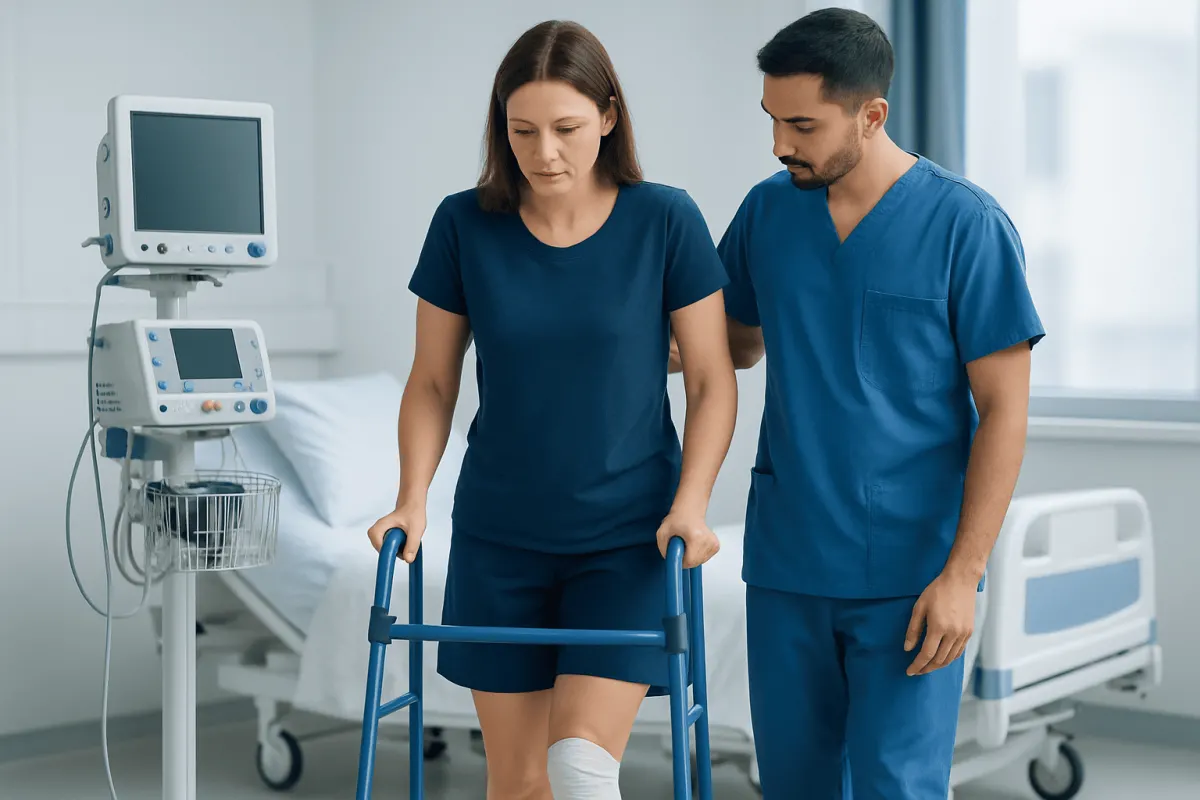
Walking after aesthetic foot surgery depends on the exact procedure and on whether bones, joints, tendons, or mostly soft tissues were treated. Some patients are allowed to place limited weight on the foot soon after surgery while wearing a surgical shoe or boot. Others may need a period of non-weight-bearing or partial weight-bearing with crutches, a walker, or other support.
In the early recovery phase, walking is usually kept short and purposeful. Patients are often advised to elevate the foot when resting to reduce swelling and throbbing. Standing for long periods too soon can increase discomfort and may delay healing. A careful balance of gentle movement and adequate rest is usually recommended.
As healing progresses, walking becomes more natural and distances gradually increase. It is normal to notice stiffness, mild limping, or a feeling of tightness at first. These symptoms often improve over time, especially if the patient follows instructions for rehabilitation exercises or physical therapy when prescribed.
- Early walking may require a surgical sandal, post-operative shoe, or boot.
- Walking should generally increase step by step, not suddenly.
- Swelling often becomes more noticeable later in the day or after activity.
- Driving may be delayed, especially if the procedure involved the right foot or if pain medicines affect alertness.
Footwear After Aesthetic Foot Surgery
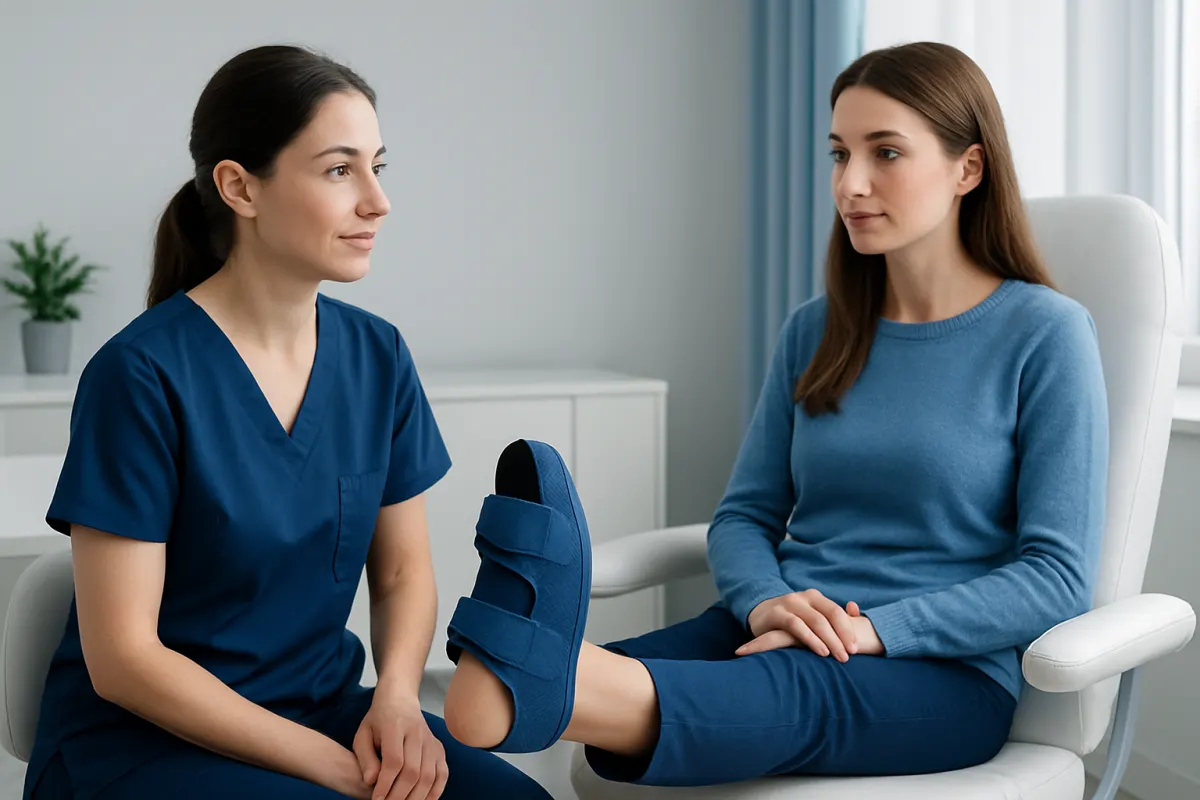
Footwear plays a major role in recovery. Right after surgery, patients typically wear a special post-operative shoe, sandal, boot, or dressing that protects the foot and limits pressure on the healing area. The purpose is not style but stability, protection, and room for bandages and swelling.
Later, many surgeons recommend a transition to soft, supportive, wide-toe-box shoes. Shoes that squeeze the forefoot, place pressure on scars, or alter balance may slow recovery or increase pain. High heels, narrow fashion shoes, and stiff materials are usually delayed until healing is well established and the surgeon confirms it is safe.
Patients are often surprised that shoe comfort can change from morning to evening during recovery. This is because swelling commonly fluctuates through the day. Choosing adjustable footwear, such as styles with laces or straps, can help accommodate these changes. Compression garments are sometimes advised in selected cases, but only if recommended by the treating team.
For patients who had surgery related to toe shape or congenital differences such as polydactyly or syndactyly, footwear progression may be especially individualized. The surgeon may give specific guidance on toe spacers, padding, custom inserts, or timing for returning to standard shoes.
Healing Time and Common Recovery Milestones
Healing time after aesthetic foot surgery varies widely. Minor soft-tissue procedures may have a shorter initial recovery, while operations involving bone reshaping or correction of toe position usually take longer. In many cases, the first one to two weeks focus on incision care and swelling control, while the following weeks involve a gradual return to walking, work, and regular footwear.
It helps to think of recovery in layers. Skin closure may happen first, followed by deeper tissue healing, reduction in swelling, improved flexibility, and finally a more settled cosmetic result. This means the foot can continue changing in appearance for several months. Mild swelling, numbness, or sensitivity may persist longer than expected, even when overall healing is going well.
Return to work depends on the type of job. Desk-based work may be possible earlier if the foot can be elevated and travel is manageable. Jobs that require standing, lifting, or long walking often need more time away or modified duties. Exercise and sports also return in phases and should be reintroduced only with medical approval.
- Days 1-14: wound protection, elevation, swelling and pain control
- Weeks 2-6: gradual increase in walking, follow-up visits, possible change in dressings or footwear
- Weeks 6-12 and beyond: further improvement in swelling, comfort, and shoe options
- Several months: scar maturation and a more final foot shape
How to Support Healing and Reduce Swelling
Good aftercare can make recovery smoother. Elevation is one of the most helpful measures, especially in the first days after surgery. Keeping the foot raised above heart level when resting may reduce throbbing and swelling. Cold therapy may also be advised in some cases, but it should be used only as instructed to protect the skin and dressings.
Patients should keep dressings clean and dry unless the surgeon has provided different guidance. Picking at scabs, soaking the foot too soon, or wearing tight shoes over healing areas can interfere with recovery. If stitches, pins, or special supports are present, follow-up appointments are especially important.
Nutrition, hydration, and avoiding smoking support healing as well. Smoking and nicotine can reduce blood flow and may increase the risk of wound problems. Blood sugar control is also important for people with diabetes. When the surgeon allows, gentle toe or ankle movements may help circulation and reduce stiffness.
Some patients benefit from scar care once the incision is fully closed. This may include silicone-based products, sun protection, and massage if recommended by the surgeon. If there is concern about raised scarring, especially in those prone to keloid scars, early discussion with the care team is useful.
Pain, Possible Risks, and When Recovery Needs Review
Some pain, bruising, swelling, and tenderness are expected after surgery. These symptoms are usually most noticeable in the early days and then improve gradually. It is also common to feel temporary numbness, tightness, or sensitivity around the incision or toes. Pain control plans may include prescription or over-the-counter medicines chosen by the surgeon.
Although most recoveries are uncomplicated, patients should know the warning signs that need medical review. Increasing redness, warmth, foul-smelling drainage, fever, worsening pain after initial improvement, or swelling that suddenly becomes much worse can suggest a problem. New calf pain, chest pain, or shortness of breath needs urgent assessment.
Other issues that sometimes require follow-up include delayed wound healing, shoe-related pressure areas, stiffness, persistent swelling, or dissatisfaction with appearance while tissues are still settling. It is usually best not to judge the final result too early. If concerns continue, the surgeon can explain whether findings are part of normal healing or whether treatment changes are needed.
In some situations, additional support such as wound care, orthotics, or rehabilitation may be recommended. If a scar, pressure point, or tissue contour problem develops, management is tailored to the individual rather than based on a fixed timeline.
Follow-Up Care, Rehabilitation, and Long-Term Results
Follow-up appointments allow the surgeon to check wound healing, swelling, toe position, and how well the patient is walking. These visits are important even when recovery feels straightforward. Adjustments to dressings, footwear, activity level, or scar care are often made during this period.
Not every patient needs formal rehabilitation, but some do benefit from guided exercises or physical therapy. This is more likely if there is stiffness, altered gait, prolonged swelling, or a more complex procedure. Therapy may focus on range of motion, balance, calf flexibility, and gradually restoring normal walking mechanics.
Long-term results depend on the original foot structure, the procedure performed, and how the foot is treated afterward. Wearing better-fitting shoes, avoiding excessive pressure, and using supportive footwear can help protect the surgical result. Patients who return too quickly to tight or high-heeled shoes may be more likely to experience discomfort.
For people seeking specialist assessment or ongoing care, Acıbadem Health Point’s multidisciplinary specialists in JCI-accredited hospitals diagnose and treat foot appearance and function concerns for international patients. Depending on the case, care may also overlap with broader reconstructive or cosmetic planning, such as specialized foot contouring procedures or, in other body areas, reconstructive surgery when clinically appropriate.
When to See a Doctor
A patient should contact the surgical team if pain is not controlled, walking suddenly becomes harder, or the wound looks more inflamed rather than less. Concerns are especially important in the first few weeks, when infection, dressing problems, or excessive pressure from footwear may need prompt attention.
Medical advice is also important if numbness persists, a toe changes color, the foot remains very swollen on one side, or there is concern about an opening in the incision. People with diabetes, circulation problems, or a history of poor wound healing should be especially cautious and should report changes early.
Even when there is no urgent problem, patients should ask their surgeon before resuming gym exercise, long-distance walking, swimming, driving, or dress shoes. Personalized guidance is safer than comparing recovery with another person’s experience. Each procedure, and each foot, heals in its own way.
Frequently asked questions
01How long does aesthetic foot surgery recovery usually take?
Initial recovery often takes several weeks, but full healing may take a few months depending on the procedure. Swelling and shoe sensitivity can last longer than the skin incision itself appears to take to heal.
02When can a patient walk after aesthetic foot surgery?
Some patients can walk early with a protective surgical shoe or boot, while others need limited or no weight-bearing for a period. The timing depends on what was corrected and should follow the surgeon's instructions closely.
03What shoes are best during recovery?
Early on, the safest choice is the post-operative shoe, sandal, or boot provided or recommended by the surgical team. Later, wide, soft, supportive shoes with a roomy toe box are usually preferred until swelling and tenderness improve.
04Is swelling normal after aesthetic foot surgery?
Yes, swelling is expected and may come and go for weeks or even months. It often becomes more noticeable after standing, walking, or by the end of the day, and usually improves with elevation and time.
05When can high heels or narrow shoes be worn again?
These shoes are usually delayed until healing is well advanced because they can place pressure on the forefoot and incision areas. The safest timing varies by procedure, so the surgeon should confirm when it is appropriate.
06What signs suggest a problem during recovery?
Increasing redness, warmth, drainage, fever, worsening pain, or a wound that looks like it is opening should be checked promptly. Sudden calf pain, chest pain, or shortness of breath needs urgent medical attention.
This article is for general information only and is not a substitute for professional medical advice. Please consult a qualified doctor about your individual situation.
Joint and spine care in Turkey — expert assessment & treatment
JCI-accredited · board-certified surgeons · reply within 24h
Add us as a Preferred Source to see more of our trusted health content across Google Search, AI Overviews and Discover.