Brazilian Butt Lift in Turkey: Safety, Planning, and Follow-Up
Brazilian Butt Lift in Turkey involves reshaping the buttocks using a person’s own fat, usually removed by liposuction from areas such as the abdomen, flanks, or thighs. Safe planning, surgeon expertise, appropriate hospital standards, and careful follow-up are essential to support good results and reduce risks.
Overview: What a Brazilian Butt Lift Involves
A Brazilian Butt Lift, often called a BBL, is a cosmetic procedure that enhances the shape and projection of the buttocks using the patient’s own fat. The fat is usually removed from areas with excess fullness, such as the abdomen, waist, back, or thighs, then processed and carefully injected into selected areas of the buttocks to improve contour. Because it uses natural tissue rather than an implant, many people are interested in it as a combined body-shaping procedure.
When people search for Brazilian Butt Lift in Turkey, they are often comparing surgeon expertise, hospital standards, travel logistics, and overall treatment planning. Turkey is a well-known destination for aesthetic procedures, but the quality of care can vary from one provider to another. For that reason, decisions should focus first on safety, transparent communication, and proper follow-up rather than price alone.
A BBL is not simply about making the buttocks larger. In experienced hands, the procedure is designed to create balance between the waist, hips, and buttocks. Many treatment plans combine liposuction and contouring, which is why a surgeon may discuss BBL and lipofilling together with classic liposuction or broader body contouring goals.
Who May Be a Good Candidate
A good candidate for a Brazilian Butt Lift is generally an adult in stable overall health who wants fuller or better-shaped buttocks and has enough extra fat in donor areas for transfer. The best results often come when body weight is relatively stable, skin quality is reasonably good, and expectations are realistic. People who are very lean may not have enough fat available, while others may be better suited to a different contouring approach.
Surgeons also look at factors such as smoking status, circulation, healing history, and any previous surgeries. Someone with poorly controlled medical conditions may need treatment or further evaluation before being considered for elective surgery. If a person tends to develop raised scars, a history of keloid scars should also be discussed during the consultation.
Equally important is understanding what the procedure can and cannot do. A BBL can improve shape, projection, and proportion, but it may not correct severe skin laxity on its own. In some cases, a surgeon may explain the difference between fat transfer and a buttock lift if lifting loose tissue is a major concern.
Safety Considerations and Why Provider Choice Matters
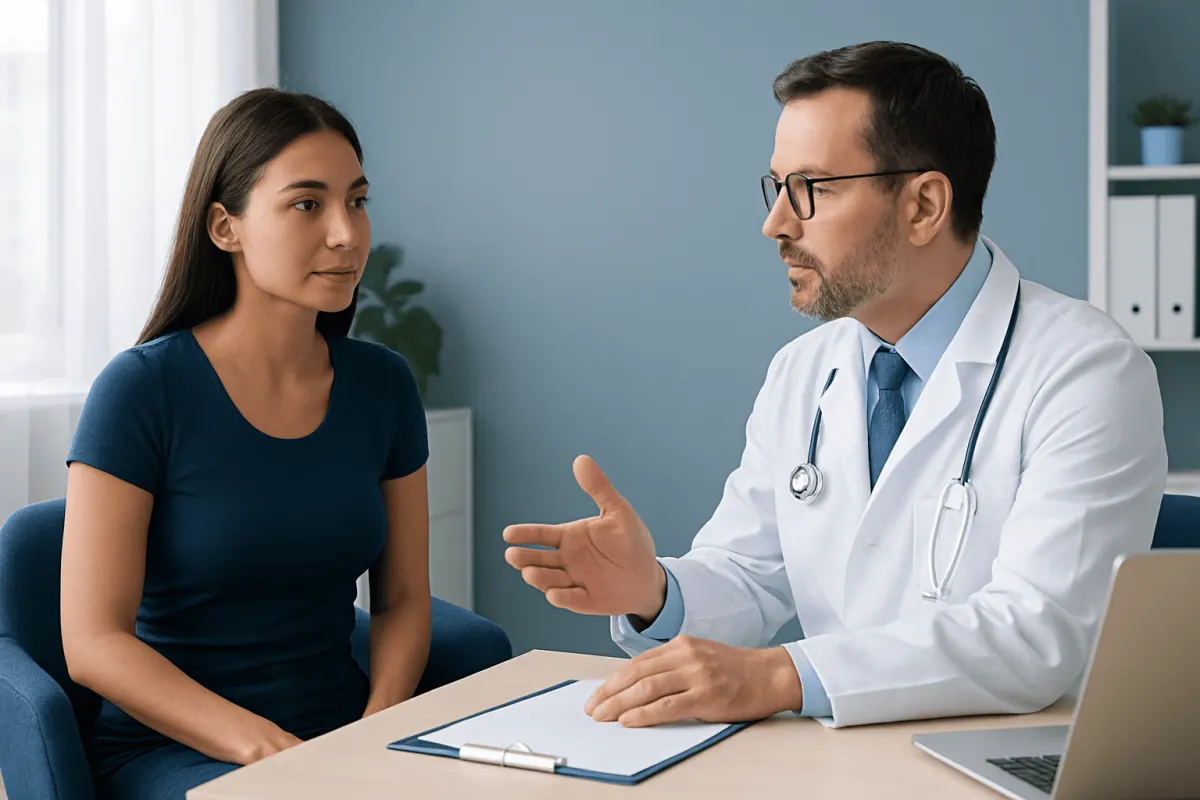
Safety is the most important part of planning a Brazilian Butt Lift in Turkey. BBL is a real surgical procedure, not a beauty treatment, and it carries risks such as bleeding, infection, fluid collection, asymmetry, fat absorption, contour irregularity, and anesthesia-related complications. The procedure also has specific technical safety concerns, so the surgeon’s training and technique are especially important.
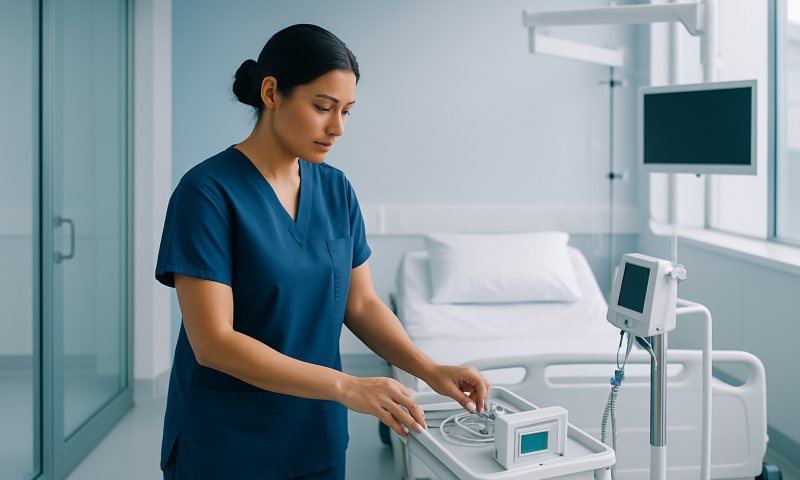
Patients should look for a qualified plastic surgeon with substantial experience in fat transfer procedures, clear preoperative assessment, and access to a properly equipped hospital. The procedure should be performed in an accredited facility with anesthesia support, infection-control standards, and emergency resources. A trustworthy team will discuss risks openly, explain how the operation is carried out, and avoid making unrealistic promises.
It is also wise to ask practical questions before booking surgery abroad. These may include who gives anesthesia, how long the hospital stay is, what monitoring is provided after surgery, and what happens if complications occur after discharge or after returning home. Choosing a hospital-based environment instead of a setting with limited support can make an important difference if unexpected issues arise.
- Confirm the surgeon’s plastic surgery credentials and experience with BBL.
- Ask where the procedure will be performed and whether the hospital is accredited.
- Request a detailed explanation of risks, benefits, alternatives, and recovery.
- Make sure postoperative reviews and contact options are clearly organized.
How to Plan Before Traveling for Surgery
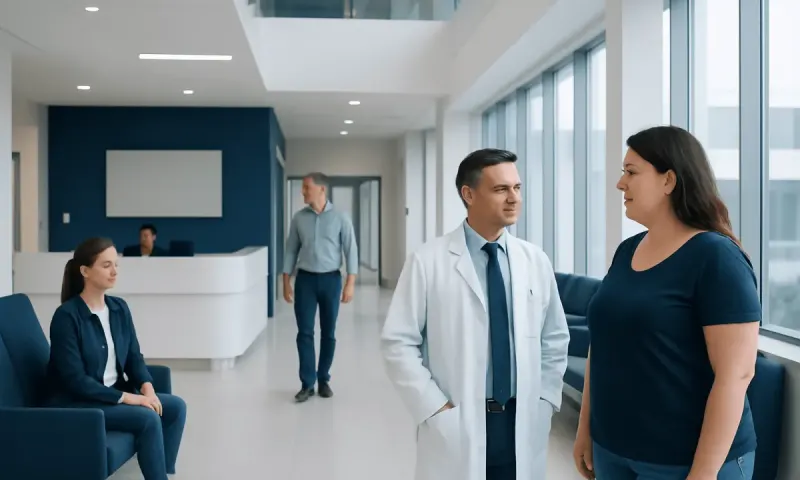
Thoughtful planning starts with a detailed consultation, whether online before travel or in person after arrival. The surgeon usually asks about medical history, previous operations, allergies, medications, smoking, weight changes, and desired body shape. Photographs and examination help determine whether there is enough donor fat, which areas may benefit from liposuction, and what result is realistic for the individual body type.
Before surgery, patients may need blood tests, a medical review, and sometimes additional assessments depending on age or health status. They are usually advised to stop smoking well in advance, avoid certain medicines or supplements that can increase bleeding risk if the surgeon approves, and arrange enough time in Turkey for surgery, early recovery, and follow-up checks. Traveling too soon after an operation can be uncomfortable and may increase stress on the body.
Practical preparation matters as much as medical preparation. Patients should understand where they will stay, who will help them after discharge, what garments or supplies they may need, and how they will communicate with the care team. It is sensible to ask for written aftercare instructions and a clear plan for contact once back home, especially if any signs of infection, wound problems, or pressure-related skin concerns such as pressure ulcers could develop during recovery.
What Happens During the Procedure and Hospital Stay
A Brazilian Butt Lift usually begins with liposuction. After the donor areas are marked, anesthesia is given and the surgeon removes fat through small incisions using specialized instruments. The collected fat is then purified so that healthy fat cells can be prepared for transfer. The surgeon injects this fat into carefully selected areas to create a smoother, more proportionate shape.
The operation plan varies from person to person. Some need more contouring of the waist and flanks to create contrast, while others need moderate volume enhancement with subtle reshaping. The surgeon aims for symmetry and balanced contours, but no human body is perfectly symmetrical, so slight natural differences can remain after surgery.
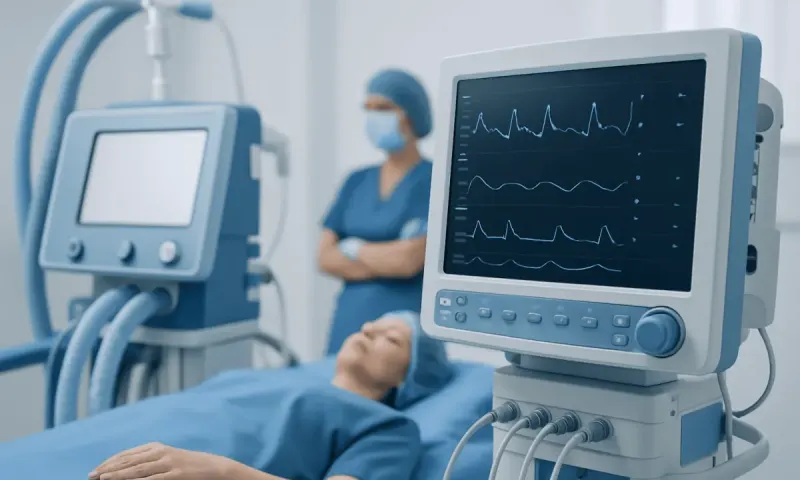
After the procedure, patients are monitored in the recovery area and may stay in hospital depending on the extent of surgery, the anesthesia used, and the surgeon’s routine. Pain, swelling, bruising, and temporary drainage from small incisions are common early on. Compression garments are often recommended for the liposuction areas, and the team explains how to move, rest, and protect the transferred fat during the first weeks.
Recovery, Follow-Up, and Long-Term Results
Recovery after a BBL requires patience and careful follow-up. During the first days and weeks, swelling and bruising are expected, and the body needs time to heal. One of the most important instructions is usually to avoid direct pressure on the buttocks for a period recommended by the surgeon. Special positioning, limited sitting, and gradual return to normal routines help protect the transferred fat while it settles.
Follow-up appointments allow the surgical team to check healing, assess swelling, and answer questions about activity, bathing, scar care, and compression garments. Some of the transferred fat will not survive long term, which is a normal part of the healing process. Because of this, the final result is not immediate; shape continues to evolve as swelling decreases and the surviving fat stabilizes over the following months.
Patients traveling for surgery should pay special attention to follow-up arrangements. They should know exactly when they will be reviewed in Turkey, what warning signs require urgent assessment, and how to contact the team after returning home. Near the end of recovery planning, some international patients choose centers such as Acıbadem Health Point, where multidisciplinary specialists in JCI-accredited hospitals provide diagnosis, surgery, and aftercare coordination for aesthetic procedures including cosmetic aesthetic surgery.
- Expected early symptoms: swelling, bruising, soreness, fatigue, and temporary tightness.
- Important aftercare: follow positioning advice, wear garments as instructed, stay hydrated, and walk gently as advised.
- Attend all follow-up visits, even if healing seems to be going well.
- Contact a doctor promptly for fever, worsening redness, severe pain, shortness of breath, or sudden asymmetry.
Possible Risks, Prevention, and When to Seek Medical Help
All surgery carries some risk, and patients should be aware of both common and less common complications. These can include infection, bleeding, delayed healing, fluid buildup, numbness, contour irregularity, noticeable asymmetry, and loss of some transferred fat. In some cases, revision surgery may be considered after full healing if the shape is not as expected.
Risk reduction begins before the operation. Choosing an experienced surgeon, following preoperative instructions, stopping smoking, maintaining a stable weight, and attending follow-up reviews can all support safer healing. It is also important not to compare one person’s body or recovery too closely with another’s. Each patient’s anatomy, healing pattern, and fat survival rate are different.
Urgent medical attention is needed for certain warning signs, especially severe swelling, increasing redness, wound discharge with a bad smell, high fever, chest pain, or breathing difficulty. These symptoms do not always mean a serious complication, but they should never be ignored. Prompt assessment by a qualified doctor is the safest approach, whether the patient is still in Turkey or has already returned home.
Frequently asked questions
01Is a Brazilian Butt Lift in Turkey safe?
It can be safe when it is performed by a qualified plastic surgeon in an accredited hospital with proper anesthesia support and structured follow-up. Safety depends more on provider standards, patient selection, and surgical planning than on destination alone.
02How long should someone stay in Turkey after a BBL?
The exact timeline varies, but patients usually need enough time for surgery, early recovery, and at least initial follow-up visits before flying home. The surgeon should give a personalized travel plan based on the extent of surgery and overall health.
03How painful is BBL recovery?
Most people describe recovery as soreness, pressure, swelling, and bruising rather than sharp constant pain. Discomfort is often strongest in the liposuction areas, and the surgical team provides guidance on pain control and movement during healing.
04Will the transferred fat stay permanently?
Some of the transferred fat is usually absorbed by the body during healing, which is expected. The fat that survives after the first few months can become a long-lasting part of the result, especially if body weight remains stable.
05Can a person sit normally after a Brazilian Butt Lift?
For a period of time, many surgeons recommend limiting direct pressure on the buttocks to protect the transferred fat. Patients are usually taught modified sitting and sleeping positions and told when it is safe to return gradually to normal sitting.
06Who may not be a good candidate for BBL?
People with significant uncontrolled medical conditions, active smoking, unrealistic expectations, or too little donor fat may not be ideal candidates. A consultation is needed to decide whether the procedure is appropriate or whether another body-contouring option may be better.
This article is for general information only and is not a substitute for professional medical advice. Please consult a qualified doctor about your individual situation.
Explore treatments in Turkey — costs, top hospitals & a free quote
JCI-accredited · board-certified surgeons · reply within 24h
Add us as a Preferred Source to see more of our trusted health content across Google Search, AI Overviews and Discover.