Lipo in Turkey: Planning Liposuction Safely

Lipo Turkey refers to travelling to Turkey for liposuction, a surgical body-contouring procedure that removes localized fat deposits rather than treating obesity. Safe, satisfying results depend on appropriate candidacy, a qualified surgical team, careful aftercare and realistic expectations about swelling and recovery.
Overview: What Does Lipo Turkey Mean?
Lipo Turkey commonly describes having liposuction in Turkey. Liposuction is a surgical procedure that reshapes specific body areas by removing deposits of fat that have not responded as expected to diet, activity or weight stability. It may be used on areas such as the abdomen, waist, hips, thighs, upper arms, back, chin or neck.
It is important to view liposuction as body contouring, not a substitute for weight management or treatment for obesity. The best candidates are usually close to a stable weight, have localized fullness, and understand that surgery can improve proportions but cannot create perfection or prevent future weight changes.
For people considering treatment abroad, planning should include more than the operation itself. A responsible plan considers medical assessment, the credentials of the surgeon and facility, the extent of surgery, recovery accommodation, reliable follow-up, and enough time before return travel. Learn more about liposuction treatment and body contouring options when discussing an individualized surgical plan.
How Liposuction Works and Who May Be Suitable
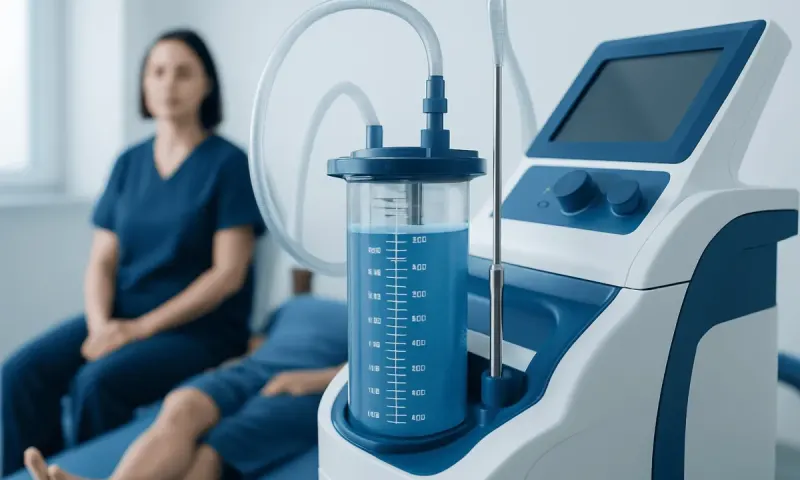
During liposuction, the surgeon makes small incisions and inserts a narrow tube called a cannula into the fatty layer beneath the skin. The cannula loosens fat cells, which are removed with controlled suction. Techniques differ, but the surgical principle is the same: selectively reduce fat volume while preserving the safety and blood supply of surrounding tissues.
A consultation should assess the person’s medical history, current medicines and supplements, previous operations, allergies, smoking or nicotine use, weight pattern and goals. Skin quality also matters. Skin with good elasticity may retract more effectively after fat reduction, while loose skin, stretch marks or marked weight change can limit the degree of visible tightening achieved by liposuction alone.
Suitable candidates are generally adults in good overall health who have realistic goals and are able to follow aftercare instructions. Uncontrolled medical conditions, active infection, certain bleeding risks, pregnancy, and inability to stop nicotine use may mean surgery should be delayed or avoided. A surgeon may recommend another approach if a person’s main concern is excess skin, substantial weight loss or a hernia.
- Common treatment areas include the abdomen, flanks, thighs, knees, arms, back, chin and neck.
- Assessment should include whether one or several areas can be treated safely in a single operation.
- A stable weight before surgery helps make outcomes more predictable.
Step by Step: What Happens During the Procedure?
Before surgery, the surgeon identifies and marks the treatment areas while the person is standing. The anaesthetic plan is then confirmed. Smaller procedures may sometimes be performed with local anaesthesia and sedation, while larger or multiple-area procedures often require general anaesthesia. The most appropriate option depends on the planned extent of treatment and the individual’s health.
Once anaesthesia is in effect, the surgeon makes very small incisions in discreet locations. A fluid solution may be introduced into the tissue to reduce bleeding, ease fat removal and provide local anaesthesia. The surgeon then uses the cannula to remove fat in a controlled, layered manner, aiming for a smooth contour rather than simply removing as much fat as possible.
At the end of surgery, incisions may be closed or occasionally left to drain briefly, depending on the technique. Dressings and a compression garment are applied to support the treated area and help manage swelling. The procedure duration varies considerably with the number and size of areas treated, the technique used and whether another operation is being performed at the same time.
Before discharge, the care team should explain pain control, wound care, garment use, activity restrictions, follow-up appointments and warning signs. Anyone travelling internationally should receive clear written instructions and contact details for urgent concerns after leaving the hospital.
Recovery Timeline and Expected Results
Recovery differs according to the volume of treatment, body areas involved, anaesthetic type and individual healing. In the first days, soreness, bruising, swelling and temporary fluid leakage from small incisions can occur. Many people describe the feeling as similar to significant muscle soreness. Gentle walking is usually encouraged soon after surgery to support circulation, but strenuous activity should wait until the surgeon approves it.
During the first one to two weeks, people may need help with daily tasks and may choose to take time away from work, particularly after larger procedures. Compression garments are commonly worn for a surgeon-defined period. They can help control swelling and support comfort, but they should fit correctly and should not cause numbness, severe pain or skin discoloration.
Visible changes may begin to emerge within several weeks, but early results are not final. Swelling can fluctuate throughout the day and may persist for months, especially in larger treatment areas. Bruising generally improves sooner than swelling. The final contour is usually assessed only after the tissues have had sufficient time to settle and heal.
The removed fat cells do not return in the same number, but remaining fat cells can enlarge with weight gain. Maintaining a stable weight, eating a balanced diet, moving regularly and attending follow-up appointments can help preserve the contouring result over time.
Why Do I Look Bigger 3 Weeks After Liposuction?
Looking bigger three weeks after liposuction is commonly related to normal postoperative swelling rather than fat returning. Healing tissues retain fluid, and swelling may feel firm or uneven. It can also fluctuate with activity, heat, salt intake, the time of day and how consistently a compression garment is worn when it has been prescribed.
At this stage, the body is still in an active healing phase. The skin and deeper tissues need time to adapt to the new contour, and small areas of firmness can occur. Massage or lymphatic drainage should only be used if the operating surgeon recommends it, because techniques and timing need to match the procedure and the individual’s condition.
However, worsening swelling on one side, increasing redness or warmth, severe pain, fever, foul-smelling drainage, shortness of breath or chest pain should not be assumed to be normal healing. These symptoms need urgent medical assessment. A scheduled review with the surgeon is the safest way to discuss concerns about shape, swelling or garment fit.
Benefits, Risks and Planning Liposuction in Turkey
The potential benefit of liposuction is improved contour in selected areas, which may help clothing fit differently and improve satisfaction with body proportions. Results are usually most natural when the procedure is planned around the individual’s anatomy and when expectations focus on improvement rather than an exact image or clothing size.
As with any operation, liposuction has risks. These include bruising, bleeding, infection, delayed wound healing, changes in sensation, fluid collections, scarring, skin discoloration, contour irregularities, asymmetry and the possible need for further treatment. Less common but serious complications can include reactions to anaesthesia, fat embolism, damage to deeper structures and blood clots in the legs or lungs.
Travellers should not make a decision on destination alone. They should confirm that their surgeon is appropriately trained in plastic surgery, ask where the operation will take place, understand who provides out-of-hours support, disclose all health information honestly and obtain a clear recovery and travel plan. Flying too soon after surgery can increase discomfort and may add to blood-clot risk; the treating surgeon should determine when travel is appropriate.
Acıbadem Health Point’s multidisciplinary specialists and JCI-accredited hospitals diagnose and treat patients seeking liposuction and related body-contouring care, including international patients. An in-person assessment remains essential for determining whether surgery is appropriate and how treatment should be planned safely.
What Is the Best Time of Year to Get Liposuction in Turkey?
There is no medically universal “best” season for liposuction in Turkey. The best time is when a person can prepare appropriately, take enough time for initial recovery, attend follow-up appointments and postpone long-distance travel until cleared by the surgeon. Good planning is more important than weather.
Some people prefer cooler months because compression garments may feel more comfortable under clothing and there may be less sun exposure. Others choose a time that fits work, family responsibilities or a planned period of reduced activity. Summer surgery can still be appropriate, but heat, sweating and direct sun exposure may make recovery less comfortable for some people.
Sun protection matters in every season because healing incisions and bruised skin can become more pigmented with ultraviolet exposure. The operating team can advise on bathing, swimming, exercise, garment use and travel according to the procedure performed and the person’s progress.
What Are the Worst Days After Liposuction? When to Seek Medical Care
Many people find the first two to five days the most uncomfortable because swelling, tenderness and bruising are often most noticeable then. Getting in and out of bed, sitting upright or moving treated areas may be difficult initially. Discomfort should generally become more manageable over time with the prescribed recovery plan, rest and gentle movement.
There is no single recovery pattern, and some swelling can remain for weeks or months. A person should contact the surgical team promptly if pain is increasing rather than improving, if a dressing becomes saturated with blood, or if there is spreading redness, significant warmth, fever, persistent vomiting or new drainage from an incision.
Urgent medical care is needed for shortness of breath, chest pain, coughing blood, fainting, confusion, sudden severe swelling, or one-sided leg pain and swelling. These symptoms may indicate a serious complication and should be assessed without delay. Patients should keep emergency contact information readily available, particularly when recovering away from home.
Frequently asked questions
01How long is your body moldable after liposuction?
The tissues remain changeable during the early healing period, but they should not be manually reshaped without guidance from the operating surgeon. Swelling and firmness can evolve for several months as skin and deeper tissues settle. Compression garments and any recommended massage should be used only as instructed.
02Is liposuction a weight-loss procedure?
No. Liposuction is designed to improve contour by removing localized fat deposits, not to produce major weight loss or treat obesity. It generally works best for people who are near a stable weight and have realistic expectations.
03How long should someone stay in Turkey after liposuction?
The appropriate length of stay depends on the areas treated, the extent of surgery, the person’s health and the surgeon’s assessment. Patients should remain long enough for early postoperative reviews and should not fly until their surgeon says travel is safe. This should be agreed before surgery rather than arranged at the last minute.
04Will the fat come back after liposuction?
Fat cells removed during liposuction are permanently removed from the treated area. However, remaining fat cells can enlarge if weight is gained, and body shape can change with aging, hormones or lifestyle. Maintaining a stable weight supports longer-lasting results.
05When can someone exercise after liposuction?
Gentle walking is often encouraged early in recovery, but strenuous exercise, heavy lifting and high-impact activity should wait until the surgeon gives approval. The timing varies with the procedure and healing progress. Returning too quickly can increase swelling, discomfort and the risk of complications.
06Are lumps and unevenness normal after liposuction?
Temporary firmness, uneven swelling and small lumps can occur while tissues heal, especially in the first weeks. These changes often improve gradually, but persistent or worsening irregularities should be reviewed by the surgeon. A clinician can determine whether observation, garment adjustment or another measure is appropriate.
This article is for general information only and is not a substitute for professional medical advice. Please consult a qualified doctor about your individual situation.
Medical weight-loss options in Turkey — costs & eligibility
JCI-accredited · board-certified surgeons · reply within 24h
Add us as a Preferred Source to see more of our trusted health content across Google Search, AI Overviews and Discover.