Brain Tumour Headache: Signs, Diagnosis and Treatment
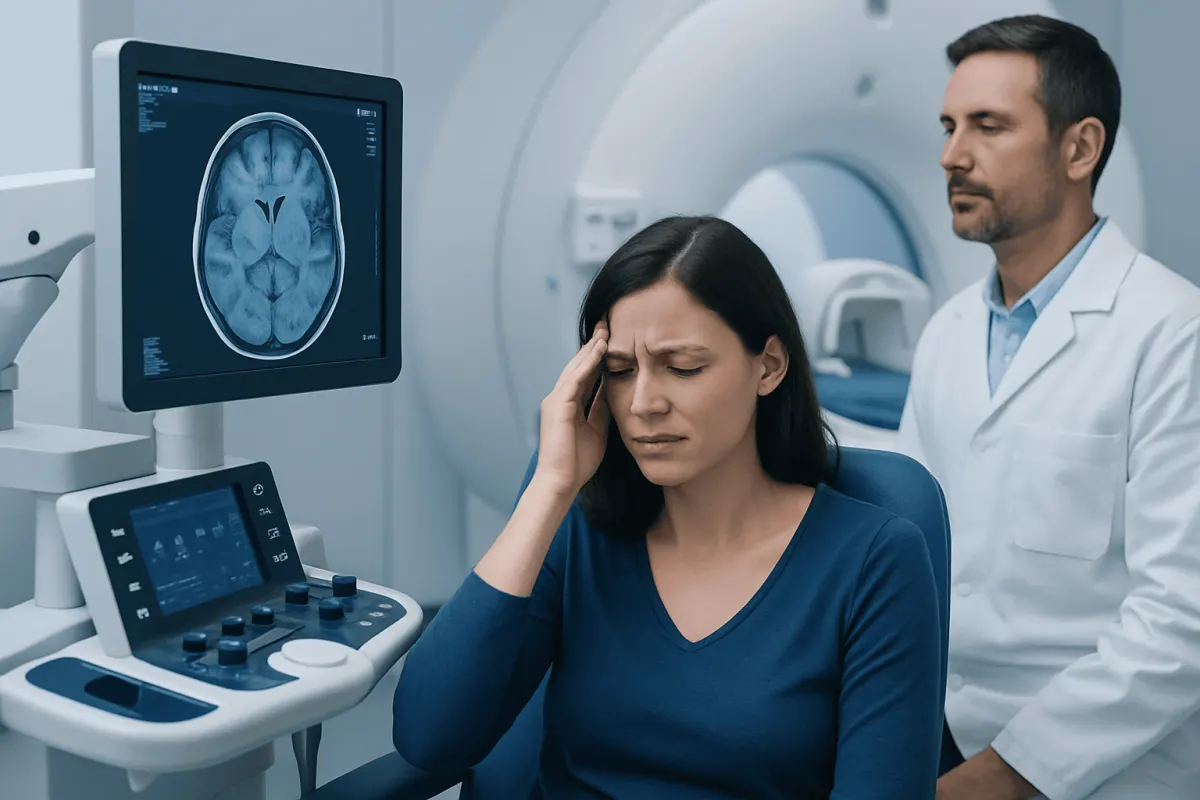
A brain tumour headache is uncommon, and most headaches are not caused by a brain tumour. When a tumour does contribute to headache, the pattern is often new or changing and may occur alongside neurological symptoms such as seizures, weakness, vision changes or persistent vomiting.
Can a Brain Tumour Cause Headaches?
A brain tumour headache can occur when a tumour or related swelling changes pressure inside the skull, blocks the normal flow of cerebrospinal fluid, or affects tissues around the brain that can sense pain. However, headaches are extremely common and are much more often linked to migraine, tension-type headache, infection, dehydration, sleep problems, medication overuse, eyesight concerns or other non-tumour causes.
A headache alone usually does not indicate a brain tumour. Doctors are more concerned when a headache is new, becomes steadily more frequent or severe, differs clearly from previous headaches, or appears with neurological symptoms. These may include a seizure, weakness, numbness, balance difficulty, confusion, speech problems, personality changes, double vision or repeated vomiting.
The nature of a headache cannot reliably confirm or exclude a tumour. A careful medical assessment, including a neurological examination and imaging when appropriate, is the safest way to identify the cause. Some brain tumours do not cause headache at all, particularly when they are small or located in areas that do not disrupt pressure or nearby structures.
How Does a Brain Tumour Headache Feel?
Headaches associated with a brain tumour can vary widely. They may feel dull, pressure-like, persistent or progressively worse over days to weeks. Some people notice headaches on waking, when coughing, bending, straining or changing position, because these actions can temporarily alter pressure within the head. These features are not specific to tumours and can also occur with other headache disorders.
A changing pattern is often more important than one individual feature. For example, a person who has never experienced significant headaches and develops persistent, worsening pain may need evaluation, especially if usual measures no longer help. In people with migraine, a headache that is distinctly different from their familiar attacks also deserves medical attention.
Associated symptoms provide important clues. Nausea or vomiting, especially when persistent and not explained by a stomach illness, may occur with raised pressure. Depending on the tumour location, there may also be new seizures, one-sided weakness, altered sensation, difficulty finding words, hearing or vision changes, or problems with coordination.
- Headache that is new and progressively worsening
- Headache with a seizure or loss of consciousness
- Headache with weakness, numbness, speech or vision changes
- Persistent headache with repeated vomiting or marked drowsiness
- A significant change in a pre-existing headache pattern
How Is a Brain Tumour Headache Diagnosed?

Diagnosis begins with a clinician taking a detailed history. They will ask when the headaches started, how they have changed, what triggers or relieves them, and whether there are associated symptoms. A neurological examination may assess eye movements, vision, facial movement, strength, sensation, reflexes, balance, coordination, memory and language.
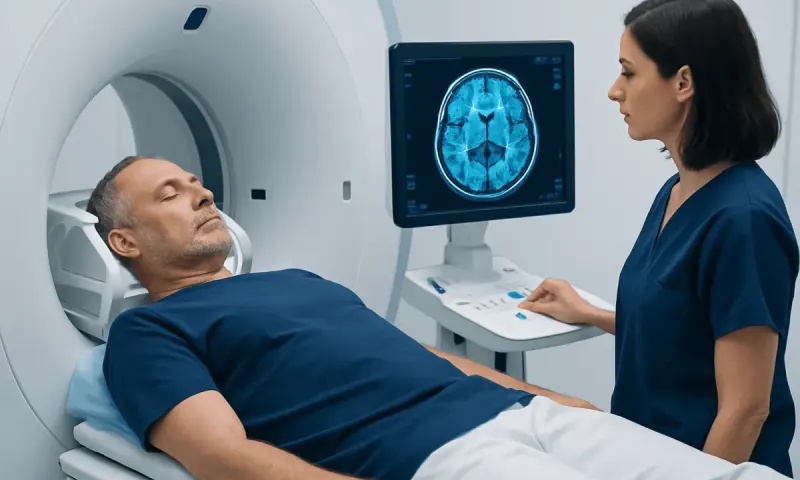
If symptoms or examination findings suggest a possible structural cause, imaging may be recommended. Magnetic resonance imaging (MRI) with contrast is often the preferred scan for evaluating a suspected brain tumour because it provides detailed images of brain tissue. Computed tomography (CT) may be used more urgently in some situations, such as sudden severe symptoms or when MRI is not immediately available.
Imaging can identify a mass, swelling, bleeding or fluid buildup, but it does not always establish the exact tumour type. When a tumour is suspected, a neurosurgical team may recommend surgery or a biopsy to obtain tissue. Laboratory analysis of the sample, including molecular testing where relevant, helps classify the tumour and guide treatment planning. More information about brain tumours can help patients understand the range of tumour types and care pathways.
What Are the Treatment Options for Headaches Caused by Brain Tumors?
Treatment for headaches caused by brain tumours aims to address the underlying reason for the pain rather than simply masking it. The right approach depends on the tumour’s type, size, location, growth behaviour and effects on nearby brain tissue. It also depends on the person’s symptoms, overall health and treatment goals.
Doctors may use symptom-relieving medicines while diagnostic tests or definitive treatment are being arranged. Corticosteroids may be prescribed to reduce swelling around some tumours and can improve headache, nausea or neurological symptoms. Anti-seizure medicines may be needed after a seizure or for selected tumours, while anti-nausea medication and appropriate pain relief can support day-to-day comfort. These medicines should be taken only as directed, since some require careful monitoring and gradual dose adjustment.
If pressure is raised because fluid cannot circulate normally, a procedure may be needed to restore drainage. Surgery to remove all or part of a tumour can reduce pressure and provide a tissue diagnosis. Depending on the tumour, radiotherapy, drug treatment, or carefully monitored observation may follow. Brain tumour surgery is planned by a specialist team with the aim of treating the tumour while preserving important neurological function whenever possible.
What Are the New Treatments for Brain Tumours?
Brain tumour treatment continues to become more personalized. Modern care increasingly uses information from tumour tissue, including molecular and genetic features, alongside standard microscopy. This can help doctors estimate tumour behaviour, refine the diagnosis and identify whether a person may be eligible for a particular targeted therapy or clinical trial.
Advanced surgical methods can help teams plan safer operations. These may include high-quality neuronavigation, intraoperative imaging, awake mapping for selected tumours close to language or movement areas, and techniques that monitor neurological pathways during surgery. Not every method is suitable for every tumour, but they can support precision in appropriately selected cases.
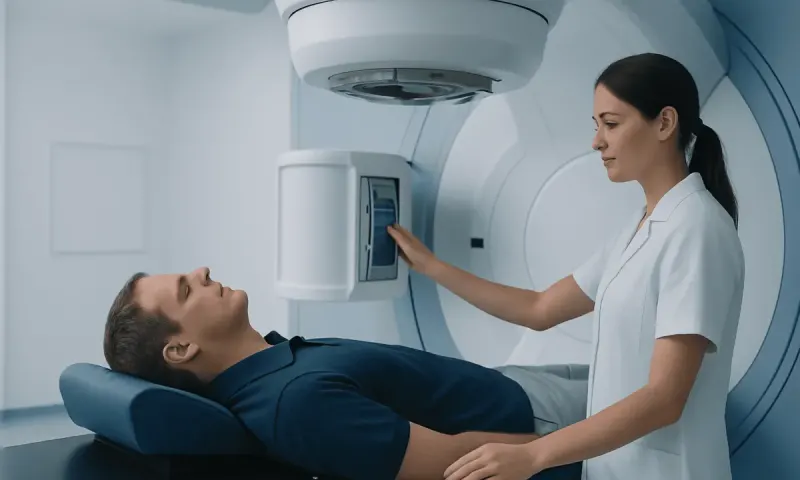
Radiotherapy has also developed through highly conformal planning, which shapes radiation around a target while aiming to limit exposure to surrounding healthy tissue. Stereotactic radiosurgery may be considered for certain small or well-defined tumours and is not the same as open surgery. Targeted medicines, immunotherapy approaches and tumour-treatment devices are being studied or used for particular tumour types in specialist settings; their benefit depends greatly on the specific diagnosis.
Clinical trials may offer access to carefully monitored newer approaches, but they are not appropriate or available for everyone. A neuro-oncology team can explain established options, potential trial eligibility and the uncertainties that can accompany newer treatments.
What Happens After a Brain Tumor Diagnosis?
After a brain tumour diagnosis, care is usually coordinated by a multidisciplinary team. This may include a neurosurgeon, neurologist, neuro-oncologist, radiation oncologist, neuroradiologist, pathologist, specialist nurses and rehabilitation professionals. The team reviews scan findings, tissue results when available, symptoms and personal priorities to create an individualized plan.
Some tumours require prompt treatment because they are causing pressure, seizures or neurological impairment. Others grow slowly and may be monitored with scheduled MRI scans, particularly if they are small, have low-risk features, or are unlikely to be safely removed without causing harm. Monitoring is an active care strategy, not an absence of care.
Patients may be offered surgery, radiotherapy, systemic drug treatment, supportive care or a combination of these. The team should discuss the expected purpose of each option, possible side effects, effects on work and daily life, and the follow-up schedule. Bringing a family member, writing down questions and asking for clarification can make complex decisions easier.
How to Care for a Brain Tumor
Living with a brain tumour can affect physical abilities, emotions, work, family roles and independence. Supportive care is an important part of treatment from the beginning. It may include headache and symptom management, seizure planning, psychological support, nutrition advice, occupational therapy, physiotherapy, speech and language therapy, and help with return to daily activities.
People should take medicines as prescribed and report side effects or new symptoms promptly. It can be helpful to keep a diary of headaches, seizures, fatigue, sleep, mood and medication use. This record can show patterns and help the healthcare team adjust treatment. Patients should ask their clinician about driving, work, exercise, travel and alcohol, as recommendations can differ after seizures, surgery or treatment.
Chemotherapy Precautions for Family Members at Home: How It Works, Results and What to Expect" class="ahp-ilk">Family members and caregivers may also need practical and emotional support. Reliable information, social work services and patient support organizations can help with appointments, home needs and coping strategies. Acıbadem Health Point’s multidisciplinary specialists and JCI-accredited hospitals provide diagnosis and treatment planning for international patients with brain tumours.
When to Seek Medical Care
Urgent medical assessment is needed for a sudden, severe headache that reaches maximum intensity quickly, especially if it is accompanied by fainting, confusion, a seizure, fever with neck stiffness, weakness, trouble speaking, loss of vision or difficulty walking. Emergency assessment is also important after a head injury when headache is worsening or neurological symptoms develop.
A non-emergency medical appointment should be arranged for a new persistent headache, a steadily changing headache pattern, repeated vomiting, unexplained neurological symptoms, or a headache that is increasingly disrupting sleep or usual activities. These symptoms do not necessarily mean a brain tumour, but they should be assessed rather than self-treated for long periods.
Anyone already diagnosed with a brain tumour should follow the team’s instructions about when to call. New seizures, sudden changes in alertness, rapidly worsening headache, new weakness, severe vomiting or a major change in vision should be reported urgently. Early communication allows the team to assess whether treatment or supportive medicines need adjustment.
Frequently asked questions
01Are headaches usually a sign of a brain tumour?
No. Most headaches are not caused by a brain tumour and are more often related to primary headache disorders, illness, stress, sleep disruption or other common causes. A medical review is important when a headache is new, progressively changing or accompanied by neurological symptoms.
02Are brain tumour headaches worse in the morning?
Some people with increased pressure inside the skull may notice headache on waking or after lying down, but this is not a reliable sign of a brain tumour. Morning headaches also occur with migraine, sleep disorders and many other conditions. The overall pattern and associated symptoms are more informative than timing alone.
03Can a brain tumour cause headache without other symptoms?
It is possible, but headache alone is not a common or specific way to identify a brain tumour. Many tumours cause no symptoms initially, while others may cause seizures, changes in movement, sensation, vision, speech or thinking. A clinician can decide whether imaging is appropriate based on the whole clinical picture.
04What scan is used to check for a brain tumour?
MRI is commonly the preferred imaging test because it provides detailed views of the brain and can characterize many abnormalities. CT can be useful in urgent situations or when MRI is unsuitable. If a tumour is found, tissue testing through surgery or biopsy may be needed for a definitive diagnosis.
05Can treatment make a brain tumour headache improve?
Yes. Headaches may improve when swelling is reduced, fluid pressure is managed or the tumour is treated with surgery, radiotherapy or other appropriate therapy. The result varies according to the tumour and the cause of the headache, so symptom changes should be monitored by the treating team.
06Can people with a brain tumour exercise?
Many people can remain physically active, but the safe type and level of activity depend on symptoms, seizure history, treatment stage and balance or strength concerns. Gentle activity may support wellbeing, fatigue and rehabilitation when approved by the clinical team. Activities with a risk of injury should be discussed with a doctor, particularly after seizures or surgery.
This article is for general information only and is not a substitute for professional medical advice. Please consult a qualified doctor about your individual situation.
Oncology care in Turkey — second opinion and treatment plan
JCI-accredited · board-certified surgeons · reply within 24h
Add us as a Preferred Source to see more of our trusted health content across Google Search, AI Overviews and Discover.