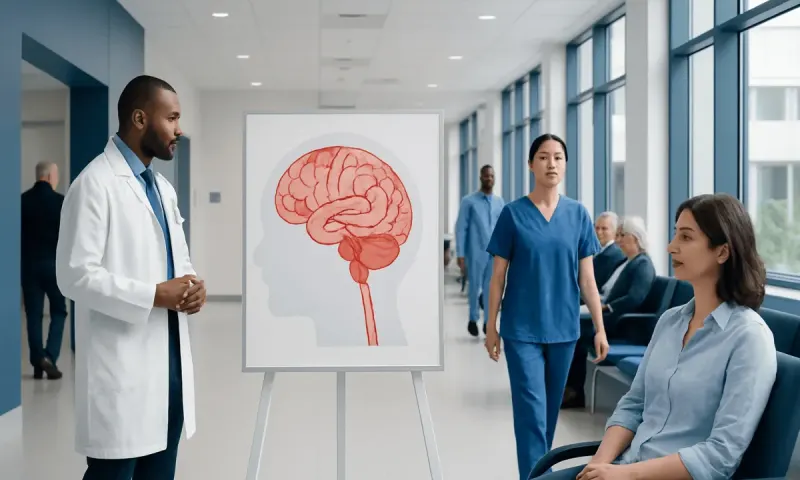
Anoxic Brain Injury: Symptoms, Causes and Treatment

Key Takeaways
- Anoxic brain injury is caused by a near-total or total loss of oxygen to the brain.
- Symptoms can range from confusion and memory problems to seizures, coma, or changes in movement and speech.
- Common causes include cardiac arrest, choking, drowning, severe breathing problems, and complications during surgery or anesthesia.
- Diagnosis usually combines the medical history, neurological examination, brain imaging, and tests such as EEG or laboratory studies.
- Treatment focuses on restoring oxygen, stabilizing the body, protecting the brain, and starting rehabilitation as soon as the person is medically stable.
Anoxic brain injury happens when the brain is deprived of oxygen long enough for cells to begin to fail. Because the brain is highly sensitive to oxygen loss, prompt recognition and emergency care are essential for the best possible outcome.
Overview
Anoxic brain injury is a medical condition in which the brain receives little to no oxygen for a period of time. Without oxygen, brain cells cannot make the energy they need, and injury can begin quickly. The exact effects depend on how long the oxygen supply was interrupted and how rapidly it was restored.
This condition is different from many everyday brain problems because it is usually linked to an emergency event, such as cardiac arrest, choking, or a severe breathing problem. Families often first notice a sudden collapse, loss of consciousness, or an inability to wake the person normally. In international-patient situations, care may begin in one country and continue elsewhere, so clear medical records and imaging results can be especially important for follow-up planning.
Doctors often use the term carefully because oxygen deprivation can affect more than one body system. The brain, heart, lungs, and kidneys may all need attention during the first hours and days after the event. Early treatment is aimed at preventing further injury and supporting the body while the person’s condition is closely monitored.
Symptoms
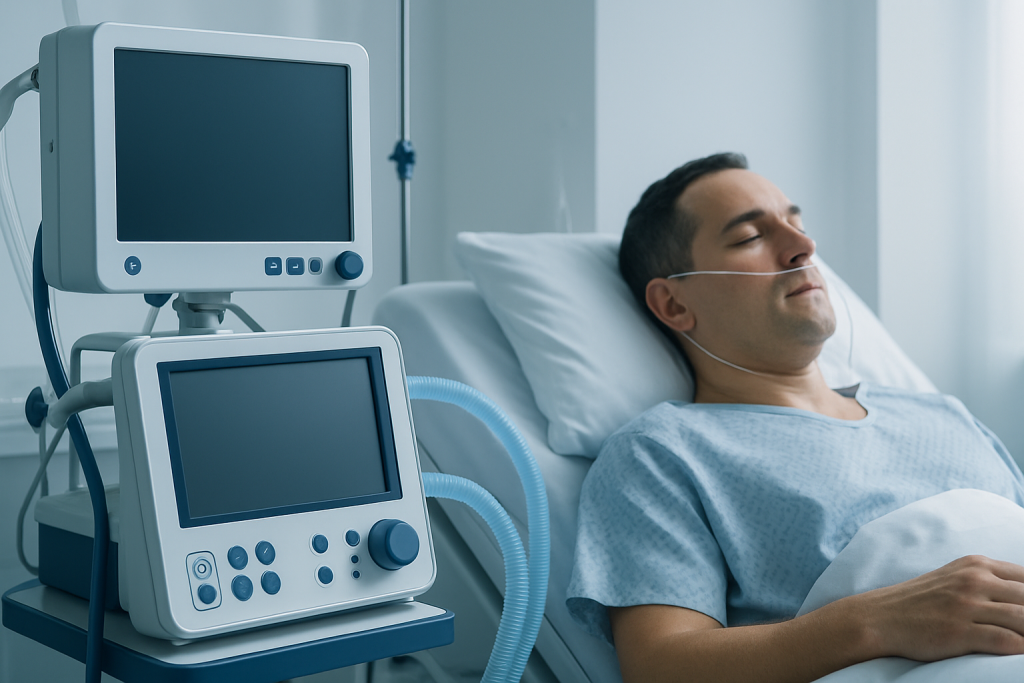
The symptoms of anoxic brain injury vary widely. Some people have only mild confusion or trouble finding words, while others are deeply unconscious. The severity depends on which brain areas were affected and for how long oxygen was interrupted.
Possible signs include:
- Confusion, disorientation, or slowed thinking
- Neuropsychology for Memory Problems: Who Needs Testing and Why" class="ahp-ilk">Memory problems or difficulty concentrating
- Speech changes, such as slurring or trouble forming words
- Weakness, poor coordination, or unsteady walking
- Changes in vision or hearing
- Seizures
- Loss of consciousness or coma
In some cases, symptoms become clearer only after the person wakes up from an emergency procedure or intensive care treatment. Family members may notice that the person seems different from their usual self, even when basic physical recovery appears to be going well. Any sudden change in consciousness or neurological function deserves urgent medical attention.
Causes & Risk Factors

Anoxic brain injury is most often caused by a major interruption in oxygen delivery. The brain relies on a continuous supply, so even a brief problem can have serious consequences if it is not corrected quickly.
Common causes include cardiac arrest, choking, near-drowning, severe asthma or respiratory failure, smoke inhalation, strangulation, and complications during surgery or anesthesia. In some situations, very low blood pressure or severe blood loss can reduce oxygen delivery enough to injure the brain. Poisoning that interferes with oxygen use, such as carbon monoxide exposure, can also cause damage.
Risk is higher when medical care is delayed, when the person has underlying heart or lung disease, or when the oxygen interruption lasts longer. Children, older adults, and people recovering from trauma or major illness may be more vulnerable. Still, the most important factor is often the length and depth of the oxygen loss rather than age alone.
Diagnosis
Diagnosis begins with the events leading up to the injury. Doctors ask whether the person had a cardiac arrest, choking episode, breathing failure, trauma, toxin exposure, or another oxygen-related emergency. This history helps distinguish anoxic injury from other neurological conditions that may look similar at first.
A neurological examination is central to the evaluation. Clinicians assess awareness, pupil response, movement, reflexes, speech, and breathing pattern. Depending on the situation, they may order brain imaging such as CT or MRI to look for swelling or areas of injury, along with blood tests to evaluate oxygen levels, acid-base balance, and organ function.
Additional tests may include an electroencephalogram (EEG) to check brain electrical activity and detect seizures that may not be visible from the outside. In international care pathways, it is useful to keep copies of hospital summaries, scan reports, and medication lists so that another specialist can interpret the recovery course accurately after travel or transfer.
Treatment Options
Treatment starts with restoring oxygen and stabilizing the person’s vital functions. Emergency teams may provide assisted breathing, circulation support, temperature management, or treatment for the original cause, such as reopening an airway or treating a cardiac event. The priority is to stop ongoing injury and protect organs that depend on oxygen-rich blood.
After the immediate crisis, care often moves into intensive monitoring. Doctors may treat seizures, control swelling, maintain blood pressure, and manage infection or metabolic problems. Some patients need a ventilator or other supportive devices for a time. The medical plan is individualized because recovery patterns can differ greatly from one person to another.
Rehabilitation is usually an important part of treatment once the person is stable. This may include physical therapy, occupational therapy, speech and language therapy, cognitive rehabilitation, and psychological support for both the patient and family. In cross-border treatment journeys, rehabilitation planning should also consider how follow-up will continue after discharge, whether at home or in another country.
Prevention & Self-care
Not every cause of anoxic brain injury can be prevented, but risk can often be reduced by treating medical conditions early and responding quickly to emergencies. Good control of heart and lung disease, prompt asthma management, safe swallowing practices in people with choking risk, and attention to workplace or household safety all matter.
Practical prevention steps may include:
- Learning cardiopulmonary resuscitation (CPR) and using emergency services without delay
- Following treatment plans for asthma, epilepsy, heart disease, and sleep-related breathing problems
- Using caution around water, especially for children and non-swimmers
- Avoiding smoking and exposure to inhaled toxins
- Making the home safer for people at risk of falls, choking, or seizures
For families already coping with recovery, self-care also means pacing expectations. Brain recovery can be slow, and progress may be uneven. A structured routine, quiet environment, good sleep, and consistent therapy attendance can support adjustment, while caregivers should also seek support for their own physical and emotional strain.
When to See a Doctor
Emergency care is needed right away if someone collapses, stops breathing normally, turns blue, has a seizure for the first time, or cannot be awakened. Sudden confusion, severe weakness, trouble speaking, or a sudden change in behavior after an oxygen-related event should also be treated as urgent. Quick medical evaluation can make a meaningful difference in outcome.
After the emergency phase, follow-up with a neurologist or rehabilitation specialist is important if there are lingering problems with memory, movement, speech, balance, mood, or daily activities. These concerns may appear gradually as the person becomes more alert and resumes normal routines. Families should report new symptoms promptly rather than waiting for the next scheduled visit.
For international patients, coordination matters: obtaining a second opinion, arranging imaging review, and planning rehabilitation near home can help bridge the gap between hospital discharge and long-term recovery. Acibadem Health Point’s multidisciplinary specialists and JCI-accredited hospitals diagnose and treat anoxic brain injury for international patients, with care plans designed to support both acute treatment and follow-up needs.
Recovery and Outlook
Recovery after anoxic brain injury is highly individual. Some people improve significantly, especially when oxygen is restored quickly and early rehabilitation is started. Others may have long-term challenges with thinking, movement, communication, or independence. The first days and weeks often provide important clues, but later progress can still occur.
Doctors may discuss prognosis cautiously because early symptoms do not always predict the full course. Swelling, seizures, infections, sleep disruption, and overall medical stability can all affect how the brain recovers. Family members are often encouraged to focus on small, measurable gains, such as improved alertness, better swallowing, or the ability to follow simple commands.
Support from rehabilitation services, counseling, and practical planning can help families adapt to changing needs. When care crosses borders, written summaries and therapy recommendations are especially useful so that treatment can continue without interruption. Ongoing follow-up with the medical team remains important even after the person leaves the hospital.
Frequently asked questions
01What is the difference between anoxic and hypoxic brain injury?
Anoxic brain injury means the brain received no oxygen, or almost none, for a period of time. Hypoxic brain injury means oxygen supply was reduced but not completely absent. Both can injure brain tissue, and both require urgent medical evaluation.
02Can a person recover from anoxic brain injury?
Recovery is possible, but it varies widely. It depends on how long the brain lacked oxygen, how quickly treatment began, and which brain areas were affected. Rehabilitation and ongoing medical care can improve function in many cases.
03How soon do symptoms appear after oxygen loss?
Anoxia describes a near-total or total lack of oxygen reaching the brain. Ischemia refers to reduced blood flow, which can also limit oxygen delivery. Both can damage the brain, and they sometimes occur together.
04Why is MRI or CT needed after this injury?
Brain imaging helps doctors look for swelling, bleeding, or visible areas of injury. CT is often used first in emergencies, while MRI can provide more detailed information later. The choice depends on the person’s condition and the clinical question being asked.
05What kind of therapy is used during recovery?
Rehabilitation may include physical, occupational, speech, and cognitive therapy. The exact plan depends on the person’s symptoms and how they are improving. Therapy is usually adjusted over time to match the recovery stage.
06Should families seek care in another country after the emergency is over?
That depends on the person’s condition, the available rehabilitation services, and the need for specialist review. If travel is being considered, the treating team should confirm that the patient is medically stable first. Clear discharge notes, imaging, and therapy plans help make cross-border follow-up safer and more organized.
This article is for general information only and is not a substitute for professional medical advice. Please consult a qualified doctor about your individual situation.
Heart care in Turkey — expert evaluation and treatment
JCI-accredited · board-certified surgeons · reply within 24h
Add us as a Preferred Source to see more of our trusted health content across Google Search, AI Overviews and Discover.