Braces Cost: Factors That Shape Your Treatment Quote
Braces cost depends on the type of appliance, the complexity and length of treatment, local fees, and what is included in the care plan. A consultation with an orthodontist is the best way to receive a personalised estimate and discuss suitable payment or insurance options.
Overview: What Does Braces Cost Include?
Braces are orthodontic appliances used to gradually move teeth and improve the way the upper and lower teeth meet. People may consider braces for crowded, spaced, rotated or protruding teeth, as well as bite concerns such as crossbite, overbite, underbite and open bite. Treatment can support oral function and may make daily cleaning easier when teeth are better aligned.
Braces cost is not one fixed amount. It reflects the individual treatment plan, the type of appliance selected, the expected treatment duration and the professional services needed throughout care. Costs may also differ considerably between countries, cities and clinics because of local operating costs, laboratory fees and insurance systems.
A written estimate is helpful because orthodontic care involves more than fitting brackets or providing aligners. It may include the initial assessment, dental images and scans, treatment planning, regular adjustment appointments, emergency reviews, removal of the appliance and retainers used to help preserve the result.
Factors That Affect the Cost of Braces
The most important cost factor is the complexity of tooth and jaw alignment. Mild spacing or crowding may require a shorter and simpler course of care than a significant bite discrepancy, impacted tooth, severe crowding or teeth that need careful movement. Orthodontic treatment commonly takes months to several years, and longer treatment often needs more appointments and monitoring.
The appliance type also matters. Traditional metal braces are widely used and are often a cost-conscious fixed option. Ceramic braces may be less noticeable but can involve different material costs. Lingual braces are fitted to the inner surfaces of teeth and require specialised planning and adjustment. Clear removable aligners may be appropriate for some cases, but they also need detailed digital planning and consistent wear.
Other dental needs can influence the overall plan. Before orthodontic treatment, a person may need a dental examination, professional cleaning, fillings, gum treatment or management of decay or inflammation. In selected cases, treatment may involve tooth extraction, temporary anchorage devices, restorative dentistry or coordination with an oral and maxillofacial surgeon.
- Severity of crowding, spacing and bite problems
- Type of braces or aligner system recommended
- Expected treatment length and number of review visits
- Diagnostic images, scans and laboratory work
- Additional dental, periodontal or surgical care
- Whether retainers and follow-up care are included
Types of Braces and Their Cost Considerations

Traditional metal braces use brackets and wires to apply controlled pressure to the teeth. They are reliable for a broad range of orthodontic needs, including more complex movements. Their visible appearance is a concern for some people, but modern designs can be smaller and more comfortable than older systems.
Ceramic braces work in a similar way but use tooth-coloured or clear brackets that may blend more easily with teeth. They can be suitable for many patients, although the materials require careful handling and may be more noticeable with certain foods or staining habits. The clinician can explain whether they are appropriate for the planned tooth movements.
Lingual braces are custom-made braces attached behind the teeth. They may be chosen by people who prefer a less visible fixed appliance. Because they are highly customised and can take additional time to plan and adjust, their costs may differ from conventional braces.
Clear aligners are removable transparent trays changed in sequence to move teeth gradually. They can be convenient for eating and brushing, but successful treatment depends on wearing them as instructed. They are not automatically the best option for every bite problem, and an orthodontist should assess whether they can achieve the desired result safely and predictably.
What to Ask for in a Braces Estimate
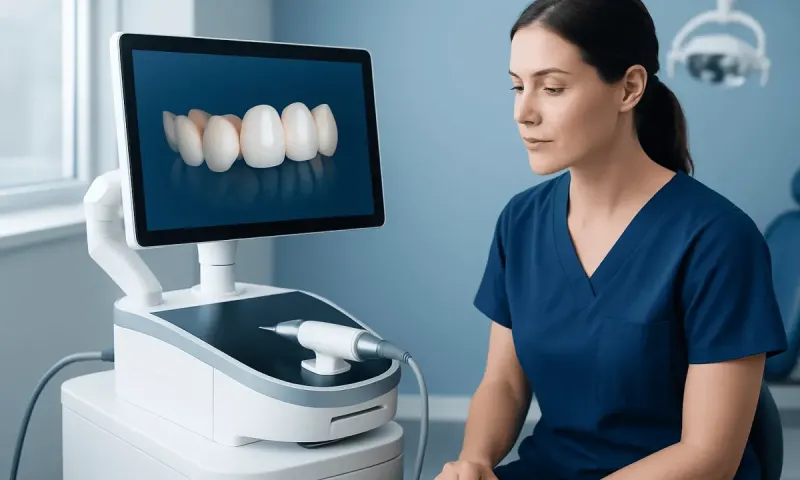
A clear cost discussion should take place after a proper clinical assessment. The orthodontist may examine the teeth, gums, bite and jaw relationship, then use photographs, X-rays, digital scans or impressions to develop a treatment plan. This assessment helps avoid comparing prices for plans that may not provide the same level of care.
Patients can ask whether the quoted fee is comprehensive or whether certain services are billed separately. It is useful to understand what happens if treatment takes longer than expected, an attachment or bracket breaks, an aligner is lost, or additional records are required. The cost of retainers is particularly important, as retainers are usually needed after active treatment finishes.
A transparent estimate should also explain how often appointments are expected and whether emergency visits are included. Some practices offer staged payments or financing arrangements, while insurance coverage may contribute in certain circumstances. Coverage rules, age limits, annual limits and required approvals vary, so patients should confirm details directly with their insurer.
- Which diagnostic tests and records are included?
- Are all adjustment appointments included in the quoted fee?
- Does the estimate include appliance removal and retainers?
- What costs may arise if treatment changes or takes longer?
- Are payment plans or insurance documentation available?
Why a Professional Orthodontic Assessment Matters
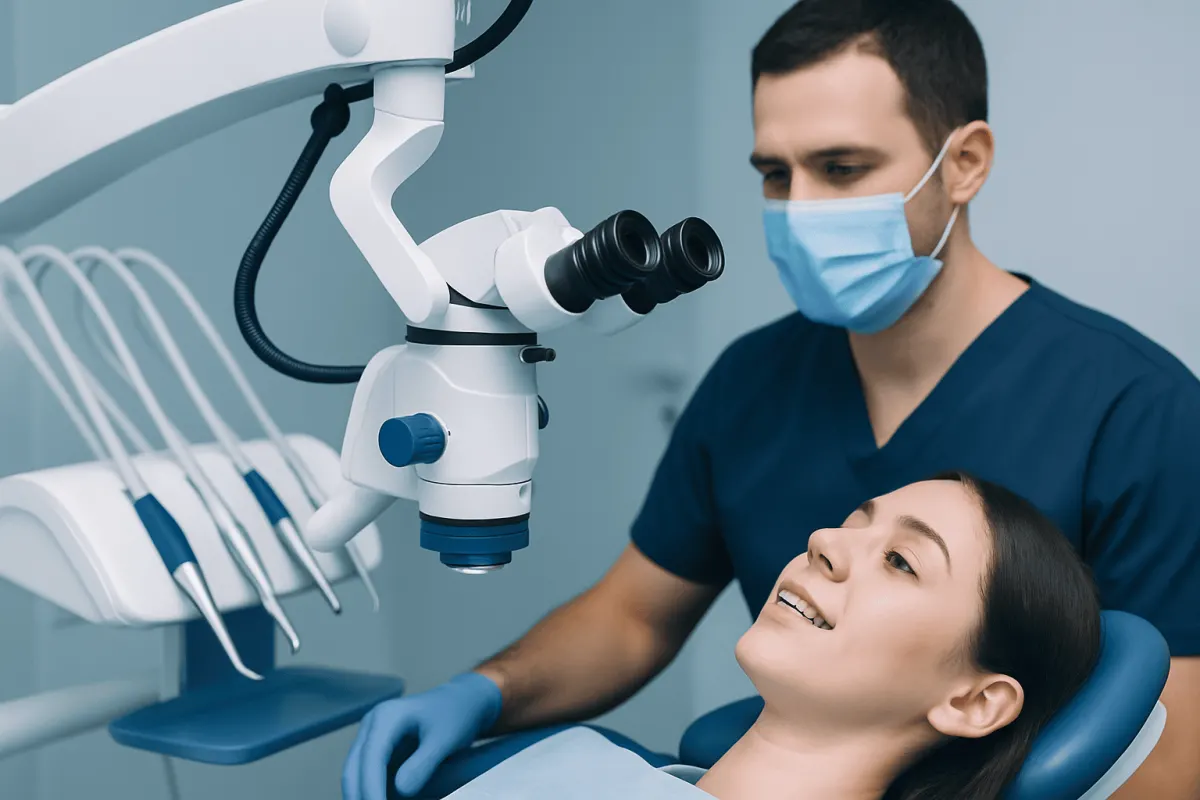
Orthodontic treatment should begin with an assessment by a qualified dentist or orthodontist. Straightening teeth is not only a cosmetic decision; it involves tooth roots, bone, gums, jaw relationships and bite function. A clinician can identify whether gum disease, untreated tooth decay, missing teeth or jaw concerns need attention before braces are started.
During planning, the orthodontist considers how much space is available, the health of the supporting bone and gums, the way the bite functions and the patient’s growth stage. Children and teenagers may benefit from assessment while the jaws are still developing, but orthodontic treatment can also be effective for many adults with healthy teeth and gums.
Choosing care based only on a low advertised price may create uncertainty about what is included or whether treatment is being appropriately supervised. Regular professional monitoring allows the orthodontist to check tooth movement, make adjustments and address problems such as loose brackets, gum irritation or difficulties maintaining oral hygiene.
Managing Costs and Looking After Braces
When planning orthodontic treatment, patients may find it helpful to request an itemised written plan and compare like-for-like services. The lowest initial quote may not include records, retainers, follow-up care or treatment of problems identified before braces. A clinician can help explain which parts of care are essential and which options are elective.
Good oral hygiene can help prevent avoidable interruptions and additional dental treatment during braces. People with fixed braces should brush carefully around brackets and wires, clean between teeth using suitable interdental aids and attend recommended dental check-ups. Limiting frequent sugary foods and drinks can reduce the risk of decay around brackets.
Patients using clear aligners should remove them for meals unless advised otherwise, clean them as directed and wear them for the recommended number of hours each day. Fixed-brace patients may be advised to avoid hard, sticky or chewy foods that can damage brackets or wires. Contacting the orthodontic team promptly when an appliance breaks can help keep treatment on track.
At Acıbadem Health Point, multidisciplinary dental specialists in JCI-accredited hospitals can assess orthodontic concerns and discuss treatment planning for international patients. A personalised consultation can clarify appropriate options, expected care needs and the likely cost structure.
When to See a Dentist or Orthodontist
A dental professional can assess orthodontic concerns at any age. Parents may wish to ask a dentist about an orthodontic evaluation if a child has early or late loss of baby teeth, difficulty biting or chewing, mouth breathing, crowded teeth, teeth that meet abnormally or a jaw that appears to shift. Early assessment does not always mean immediate treatment, but it can help with timely planning.
Adults may seek advice if they are concerned about crowding, shifting teeth, bite discomfort, difficulty cleaning between teeth or the appearance of their smile. Before treatment, gums should be healthy and active dental disease should be managed. People with ongoing gum bleeding, loose teeth, tooth pain or swelling should arrange dental evaluation promptly.
During braces treatment, patients should contact their orthodontic provider for significant pain, swelling, trauma to the mouth, a loose appliance causing injury, or concerns about a change in their bite. Routine mild pressure after adjustments is common, but severe or persistent symptoms should be discussed with a dental professional.
Frequently asked questions
01How much do braces usually cost?
Braces cost varies widely by country, clinic, appliance type and the complexity of the individual case. The most reliable estimate comes after an orthodontist has examined the teeth and bite and prepared a treatment plan. Patients should ask which services are included in the stated fee.
02Are clear aligners more expensive than metal braces?
Clear aligners may cost more, less or a similar amount depending on the system used and the complexity of treatment. They require customised digital planning and a series of trays, while fixed braces require regular adjustment of brackets and wires. Clinical suitability is more important than cost alone when choosing an appliance.
03Does braces cost include retainers?
Some treatment plans include retainers, while others charge for them separately. Retainers are an important part of orthodontic care because teeth can gradually move after braces or aligners are finished. It is wise to confirm the retainer type, replacement costs and follow-up schedule before treatment begins.
04Can dental insurance help pay for braces?
Some dental insurance policies offer orthodontic benefits, but coverage varies greatly. Plans may have waiting periods, age restrictions, lifetime maximums or requirements for pre-authorisation. Patients should contact their insurer and ask the orthodontic clinic for the documentation needed to check coverage.
05Are cheaper braces always a good choice?
A lower fee is not necessarily poor care, but it should be understood in context. Patients should check the provider’s qualifications, the supervision offered, the treatment goals, the included services and any possible additional charges. Orthodontic treatment should be properly planned and monitored to protect teeth and gum health.
06Can adults get braces?
Yes. Many adults can have orthodontic treatment if their teeth and gums are healthy enough for planned movement. Adults may need treatment for gum disease, decay, missing teeth or existing restorations before braces begin, and an orthodontist can discuss the most appropriate options.
This article is for general information only and is not a substitute for professional medical advice. Please consult a qualified doctor about your individual situation.
Explore treatments in Turkey — costs, top hospitals & a free quote
JCI-accredited · board-certified surgeons · reply within 24h
Add us as a Preferred Source to see more of our trusted health content across Google Search, AI Overviews and Discover.