Botox Parties: Why Individual Assessment Matters
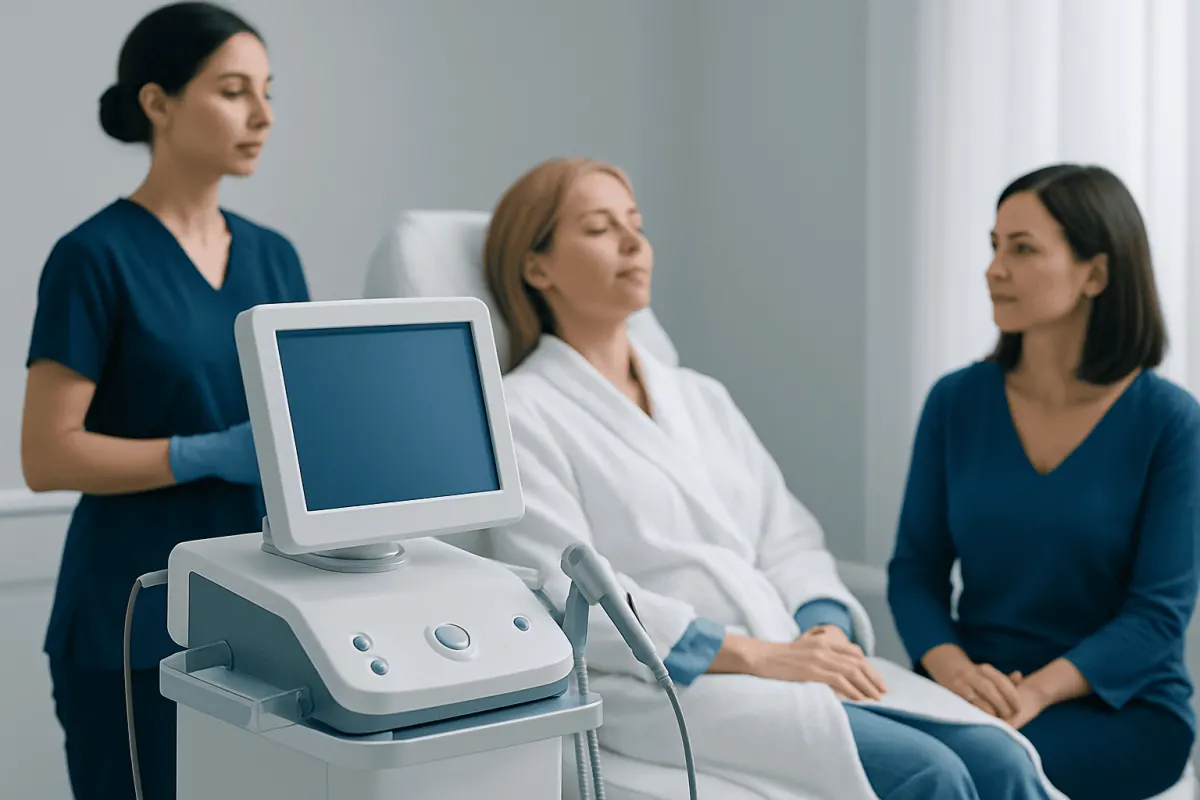
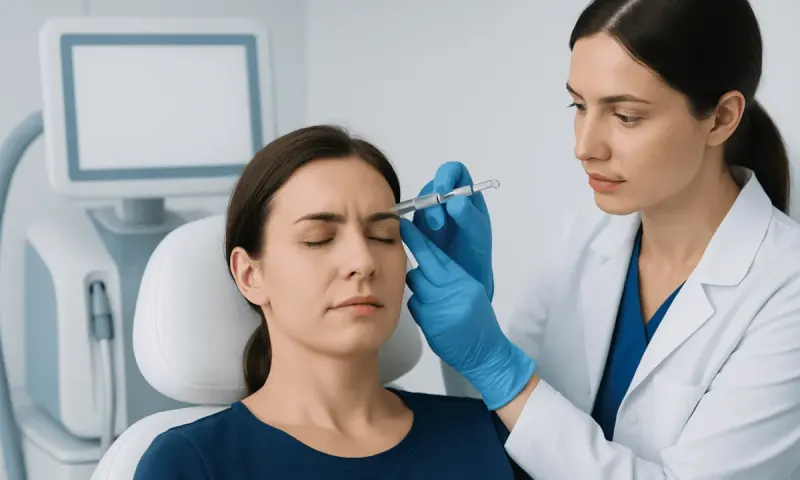
A Botox party is a social gathering where botulinum toxin injections may be performed alongside a celebratory event. Although the setting may feel informal, Botox is a prescription medical treatment and should only be provided after an individual consultation, informed consent and appropriate safety checks.
Botox Party Overview
A Botox party is a social event in which people receive botulinum toxin injections, often for facial lines, while attending a gathering with friends or colleagues. The appeal may be convenience, a relaxed atmosphere or the chance to share an aesthetic experience. However, Botox is a prescription medicine that temporarily reduces activity in selected muscles, and every injection should be based on a person’s medical history, facial anatomy and treatment goals.
A social setting does not remove the need for medical standards. Before treatment, a qualified clinician should assess the person privately, explain expected benefits and limitations, discuss risks, obtain informed consent and confirm that Botox is appropriate. The treatment environment should also meet local safety, hygiene, documentation and emergency-preparedness requirements.
Botulinum toxin can be used for cosmetic concerns such as frown lines, forehead lines and crow’s feet, as well as for selected medical conditions. Its effects are temporary, and results develop gradually rather than immediately. People considering treatment may benefit from discussing Botox treatment in a proper clinical consultation rather than making a same-day decision in a group setting.
What happens at a Botox party?
At a well-run event, each participant should receive the same individual care that would be expected in a medical clinic. This includes a private health questionnaire, assessment of facial movement and skin, discussion of the intended injection sites, review of allergies and medicines, and an opportunity to ask questions without being rushed. The clinician should use a sterile technique, document the product and treatment details, and provide written aftercare instructions.
In practice, the quality and format of Botox parties can vary considerably. Some may involve a licensed clinician offering consultations in a suitable professional environment. Others may be held in homes, salons or venues that are not designed for medical procedures. A casual setting can create distractions, reduce privacy and increase the possibility that someone agrees to treatment due to social pressure rather than personal preference.
Botox party rules differ by country, region and professional licensing regulations. Common safety expectations include treatment by an appropriately trained and authorized prescriber or injector, use of regulated products sourced through legitimate channels, informed consent, accurate records and access to follow-up care. A provider should never treat someone simply because they are present at an event or because friends are receiving injections.
Anyone attending should feel free to decline treatment, request a separate appointment or leave without explanation. They should also be cautious of offers that discourage assessment, promise identical results for everyone, or make the procedure seem risk-free.
Is a Botox party safe?

A Botox party is not automatically unsafe, but safety depends far more on the clinician, product, setting and clinical process than on the event’s name. Botox injections can cause side effects even when performed correctly. Common temporary effects include redness, swelling, tenderness or bruising at injection sites. Less common effects include headache, uneven results, drooping of an eyelid or eyebrow, and unintended weakness in nearby muscles.
Rarely, botulinum toxin effects may spread beyond the injection area and cause more serious symptoms, such as difficulty swallowing, speaking or breathing. This is one reason the treatment should be carried out by a qualified professional who can identify contraindications, use appropriate technique and give clear advice about urgent symptoms. People with certain neuromuscular conditions, active infection at the injection site, known allergy to ingredients, or specific pregnancy or breastfeeding considerations should seek individualized medical advice before treatment.
For people asking whether Botox is 100% safe, the answer is no. No medical treatment is completely free of risk. Botox has an established safety record when it is appropriately prescribed and administered, but risks cannot be eliminated. The safest choice is an unhurried assessment with a qualified healthcare professional who prioritizes suitability and safety over a social schedule.
A person should not receive injections from unverified products, in an unclean environment, or from someone who cannot explain their credentials, product source, emergency procedures and follow-up arrangements. If there is uncertainty about any of these points, postponing treatment is a sensible decision.
Botox Party Requirements and Alcohol Considerations
Botox party requirements should include more than arranging a venue and appointment times. Participants need a private opportunity to disclose medical history, current medicines, prior cosmetic procedures and previous reactions to injectables. The clinician should evaluate whether the desired treatment is suitable and whether a different approach, a later appointment or no procedure is the best option.
People should arrive able to understand information, ask questions and provide voluntary informed consent. They should not feel pressured by hosts, friends, discounts or time-limited offers. Consent is personal: one person’s successful experience does not mean the same injection pattern, amount or outcome is right for another person.
A Botox party with alcohol is not advisable. Alcohol can affect judgement and make meaningful consent more difficult. It may also increase the likelihood of bruising in some people. Those considering Botox should avoid drinking before their appointment and follow their clinician’s advice about alcohol and other substances before and after treatment.
It is also important to disclose medicines and supplements that may affect bruising or bleeding, as well as recent facial treatments, skin infections or planned dental work. People should not stop prescribed medication independently; instead, they should ask their treating clinician for individualized guidance.
How long is recovery after Botox?
Recovery after Botox is usually brief. Most people can return to desk work and regular daily activities immediately or soon after treatment. Small raised areas, redness or pinpoint bleeding can occur at injection sites but commonly settle within minutes to hours. Bruising, if it occurs, may last longer and can sometimes be covered with makeup once the skin is no longer irritated and the clinician says it is appropriate.
Aftercare advice varies slightly by clinician and treatment area. In general, people are often advised to avoid rubbing or massaging the treated areas for several hours, and to avoid strenuous exercise, excessive heat exposure and lying flat for a period recommended by the injector. These precautions are intended to reduce irritation and avoid unwanted movement of the product.
Results do not appear immediately. Early changes may be noticed within several days, while the full effect commonly becomes clearer over about one to two weeks. A follow-up review may be recommended, particularly for a first treatment, to assess symmetry and whether the original treatment plan met the person’s goals.
Recovery is different from result duration. The cosmetic effect gradually wears off over time as muscle activity returns. How long it lasts varies by treatment area, product, dose, metabolism and individual response. Repeat treatment should be planned with a qualified clinician rather than automatically scheduled at a social event.
What does Botox look 20 years after?
Botox does not remain in the body for 20 years. Its effects are temporary, and the injected botulinum toxin is gradually broken down. If a person stops treatment, muscle movement returns over time and facial expressions generally return toward their natural baseline. The face does not suddenly “age faster” because Botox is discontinued.
Over many years, regularly relaxing specific muscles may reduce the repeated folding that contributes to certain expression lines. Some people may therefore notice fewer deeply etched dynamic lines than they might have otherwise developed. At the same time, Botox does not stop broader age-related changes, such as shifts in skin quality, sun damage, volume loss and changes in bone and soft tissue structure.
Long-term appearance depends on many factors, including genetics, smoking, ultraviolet exposure, skincare, weight changes, overall health and the way treatment has been planned. Excessive or poorly tailored injections may create a stiff, heavy or less expressive look while the effect is active. This is why conservative, individualized treatment and periodic reassessment are important.
People who want to preserve natural movement should tell the clinician during consultation. A qualified injector can discuss realistic goals, facial balance and whether Botox alone is likely to address the concern.
When to Seek Medical Care
Medical advice should be sought promptly if there is significant pain, worsening redness, warmth, swelling, pus, fever or other signs that could suggest infection after an injection. Although infection is uncommon with proper sterile technique, it should not be ignored. Contact the treating clinician for unexpected or troubling side effects, including marked asymmetry, a drooping eyelid, vision changes or persistent weakness.
Urgent medical care is needed for difficulty breathing, swallowing or speaking; widespread muscle weakness; severe allergic symptoms such as facial swelling, hives or wheezing; or any rapidly worsening symptoms. These reactions are rare, but they require timely assessment. People should tell emergency clinicians that they have recently received botulinum toxin injections.
Anyone with a history of facial weakness, neuromuscular disease, swallowing difficulties or previous complications from injectable treatments should discuss this in detail before treatment. At Acıbadem Health Point, multidisciplinary specialists and JCI-accredited hospitals can assess and treat aesthetic concerns for international patients when clinically appropriate.
A planned consultation is also appropriate when someone feels uncertain about a Botox party, has been offered treatment in an informal setting, or wants a second opinion. Taking time to make an informed decision is an important part of safe care.
Frequently asked questions
01What is a Botox party?
A Botox party is a social gathering where botulinum toxin injections may be offered to attendees. Even in a group setting, each person needs an individual medical assessment, informed consent and treatment by a qualified professional.
02Is Botox 100% safe?
No. Botox is not 100% safe, because every medical procedure carries some possibility of side effects or complications. It is generally considered safe when an appropriate product is prescribed and injected by a qualified clinician following an individualized assessment.
03Can someone drink alcohol at a Botox party?
Drinking alcohol before Botox treatment is not advisable. Alcohol may affect judgement and informed consent, and it can increase the chance of bruising for some people. A clinician can provide personal aftercare guidance based on the treatment and medical history.
04How long is recovery after Botox?
Most people resume normal daily activities shortly after Botox injections. Minor redness or swelling often settles quickly, while bruising can last longer if it occurs. Following the injector’s instructions about touching the area, exercise and heat exposure supports safe recovery.
05What does Botox look like 20 years after treatment?
Botox itself does not remain active for 20 years. With long-term, appropriately planned treatment, some expression lines may be less deeply established, but normal aging continues. If treatment stops, muscle movement gradually returns and the face generally returns toward its natural baseline.
06What should people check before attending a Botox party?
They should confirm the injector’s qualifications, verify that regulated products are being used, and ensure a private consultation and informed consent process are provided. They should also ask about hygiene standards, emergency plans, aftercare instructions and access to follow-up care. If any part feels rushed or unclear, it is reasonable to postpone treatment.
This article is for general information only and is not a substitute for professional medical advice. Please consult a qualified doctor about your individual situation.
Explore treatments in Turkey — costs, top hospitals & a free quote
JCI-accredited · board-certified surgeons · reply within 24h
Add us as a Preferred Source to see more of our trusted health content across Google Search, AI Overviews and Discover.