Bone Break Doctor: Who Treats Fractures?

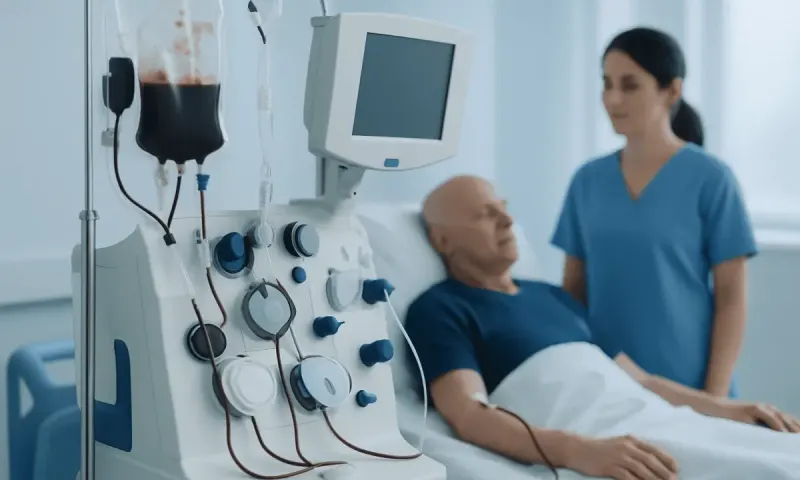
A bone break doctor is usually an orthopedic specialist or emergency physician who assesses a fracture, ensures the bone is aligned and stable, and plans treatment and recovery. Care may involve a splint or cast, bone break reduction, surgery, rehabilitation and follow-up imaging depending on the injury.
What does a bone break doctor do?
A bone break doctor evaluates and treats fractures, commonly known as broken bones. In an emergency setting, this may be an emergency physician working with orthopedic specialists. For ongoing care, an orthopedic doctor or trauma surgeon often leads treatment, with support from radiologists, nurses, physiotherapists and occupational therapists when needed.
The first priorities are to confirm whether a bone is broken, identify the precise location and pattern of the injury, and check for damage to nearby skin, blood vessels, nerves, joints and muscles. The doctor also considers how the injury occurred, since high-energy events such as road traffic collisions may cause additional injuries.
Treatment aims to restore the bone’s position, maintain stability while it heals, relieve pain safely and help the person return to daily activities. The right approach is individualized: not every fracture needs an operation, but some require prompt intervention to prevent complications or improve long-term function.
The bone break process: assessment, imaging and reduction
After an injury, a clinician will ask about symptoms and examine the affected area. Swelling, bruising, tenderness, deformity, reduced movement and difficulty bearing weight can suggest a fracture, although symptoms alone cannot reliably show its severity. The doctor will also assess pulses, skin color, warmth, sensation and movement beyond the injury.
X-rays are the usual first imaging test for a suspected fracture. CT scans may provide more detail for complex fractures, particularly around joints, the pelvis or spine. MRI may be useful when an X-ray appears normal but a stress fracture or injury to soft tissue, cartilage or bone marrow is still suspected.
Bone break reduction means moving bone fragments back into their best possible alignment. A closed reduction is performed without surgically opening the skin, often using pain control or sedation. An open reduction is performed surgically, usually when the fracture cannot be aligned or held in place adequately by non-surgical methods.
Once alignment is achieved, the bone may be protected with a splint, cast, brace, sling or traction. A splint is often used initially because it can allow for early swelling; a cast may be applied later when appropriate.
Bone break repair and treatment options
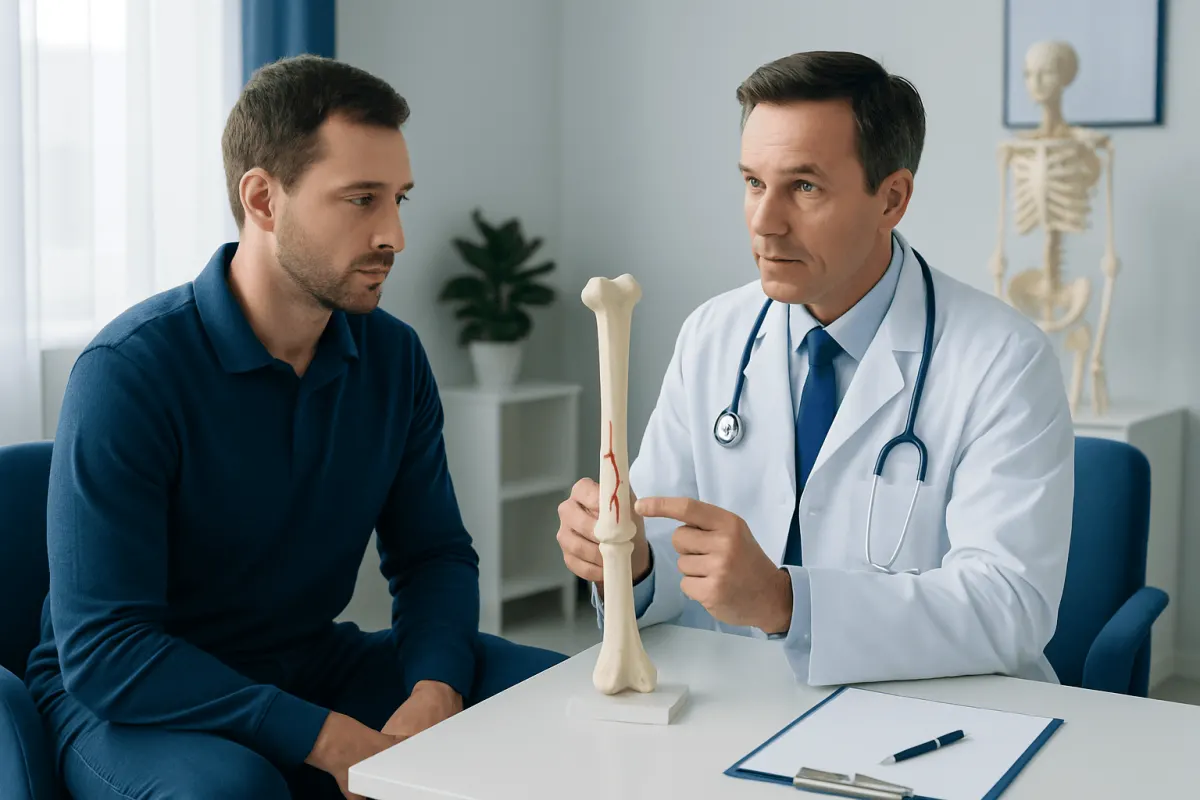
Stable fractures that remain well aligned can often heal with immobilization and a plan for gradual activity. The doctor may recommend a cast, boot, brace or sling and explain when weight-bearing, driving, work tasks or sports can be resumed. Pain relief, elevation and short-term cold packs may also help in the early phase when used as advised.
Fracture surgery may be recommended when a bone is displaced, unstable, extends into a joint, breaks through the skin, affects circulation or nerves, or is unlikely to heal well in a cast alone. During surgical bone break repair, surgeons may use plates and screws, rods, pins, wires or an external frame to hold the fragments in position while healing takes place.
Open fractures require urgent treatment because the risk of infection is higher. Care generally includes prompt wound cleaning, antibiotics and stabilization of the fracture. Certain injuries also require emergency realignment when blood flow or nerve function may be threatened.
A bone break doctor will discuss the expected benefits and limitations of each option, as well as possible risks such as infection, stiffness, blood clots, delayed healing or problems with implanted hardware. The plan is adjusted through regular review rather than determined by one appointment alone.
How long does it take to recover from bone fracture surgery?
Recovery from bone fracture surgery varies considerably. Early wound healing usually occurs over the first weeks, while the bone often needs several weeks to months to unite. Recovery can take longer when the fracture is severe, involves a joint, affects a weight-bearing bone, has caused soft-tissue injury, or occurs in a person who smokes or has health conditions that affect healing.
Healing seen on imaging is only one part of recovery. Strength, joint flexibility, balance, confidence and the ability to perform work or sport may take additional time to return. A person may be able to use the limb before it is ready for high-impact activity, so medical guidance on restrictions remains important.
Follow-up X-rays help the surgical team monitor alignment and bone healing. Physiotherapy may begin early for joints that can safely move, then progress as the fracture becomes more stable. The care team will advise when it is appropriate to increase weight-bearing and activity.
It is important not to compare recovery too closely with another person’s experience. A bone break doctor can give the most useful estimate after reviewing the fracture type, surgical repair, imaging progress and rehabilitation goals.
What is the hardest bone break to recover from?
There is no single fracture that is hardest for every person to recover from. Complex fractures involving major joints, such as the hip, knee, ankle, shoulder or wrist, can be challenging because they may affect both bone healing and long-term movement. Fractures of the pelvis, spine and multiple fractures after severe trauma can also require prolonged care.
Some bones have a more limited blood supply in certain areas, which can make healing less predictable. Examples include particular fractures of the scaphoid bone in the wrist, the neck of the femur near the hip, and the talus in the ankle. A break that is open, badly displaced, infected or slow to unite can also make recovery more complex.
Recovery is influenced by more than the bone itself. Age, nutrition, smoking, diabetes, circulation, medication use, activity demands and access to rehabilitation all affect the outcome. With timely specialist assessment and a structured rehabilitation plan, many people make meaningful functional recovery after serious fractures.
Do broken bones get stronger after they heal?
A healing fracture forms new bone called callus around the break. During the early healing stage, this area can look thicker than the surrounding bone on an X-ray. This does not mean the entire bone remains permanently stronger than before.
Over time, the body remodels the healing area in response to normal loading and movement. Once healing is complete, the aim is for the bone to regain normal strength and shape as much as possible. However, strength and function may remain reduced for a period after the fracture has united, especially if muscles have weakened or a nearby joint has become stiff.
Returning to impact sports, heavy lifting or physically demanding work too soon can raise the risk of reinjury. A gradual return guided by the treating team helps the bone, muscles and connective tissues adapt safely.
What is the most painful stage of bone healing?
For many people, pain is greatest immediately after the injury and during the first few days, when bleeding, inflammation and swelling are most active. Pain should generally begin to improve as the fracture is stabilized and the early healing response settles, although the pattern varies by injury and treatment.
Discomfort can temporarily increase after a procedure, after swelling changes, or when rehabilitation introduces new movement. This does not automatically mean that something is wrong, but it should be discussed if pain is severe, progressively worsening, unrelieved by the prescribed plan or accompanied by other concerning symptoms.
Good pain management supports sleep, mobility and participation in rehabilitation. The care team may recommend medication, positioning, elevation, cold therapy when appropriate and a gradual activity plan. People should avoid changing prescribed medicines or adding supplements without discussing this with a clinician.
When to seek medical care
Urgent medical assessment is needed after a significant injury when there is severe pain, visible deformity, inability to use or bear weight through a limb, a bone protruding through the skin, uncontrolled bleeding, or a suspected fracture of the head, neck, spine, pelvis or hip. It is safest not to attempt to straighten a visibly deformed limb.
Emergency care is also needed if fingers or toes become pale, blue, cold, numb, weak or increasingly painful after an injury or while in a cast or splint. These symptoms can indicate pressure on nerves or impaired blood flow. New chest pain, shortness of breath or sudden calf swelling during recovery also requires urgent assessment.
During Radius Fracture Recovery: A Week-by-Week Timeline" class="ahp-ilk">fracture recovery, contact the treating team promptly for fever, spreading redness, drainage from a surgical wound, a bad smell from a cast, worsening swelling, new numbness or pain that is not improving as expected. Keeping follow-up appointments helps identify delayed healing, loss of alignment or stiffness early.
Acıbadem Health Point’s multidisciplinary specialists and JCI-accredited hospitals evaluate and treat fractures for international patients, including emergency assessment, orthopedic care and rehabilitation planning.
Frequently asked questions
01Which doctor should someone see for a broken bone?
A suspected broken bone should be assessed promptly by an emergency physician, urgent care clinician or orthopedic doctor, depending on the severity and local services. Orthopedic specialists commonly provide ongoing fracture care and perform surgery when it is needed. Open fractures, major deformity or circulation concerns require emergency care.
02Can a fracture heal without a cast?
Some stable fractures can heal with a brace, boot, sling or limited activity rather than a traditional cast. The choice depends on the bone, fracture pattern, alignment and the person's ability to protect the injury. A clinician should confirm the plan with imaging and follow-up.
03What happens if a broken bone is not treated?
An untreated fracture may heal in a poor position, remain painful, damage a nearby joint or lead to reduced movement and function. Some fractures may also affect nerves, blood vessels or skin. Prompt assessment is important even if pain seems manageable.
04How can someone support bone break recovery?
Following immobilization and weight-bearing instructions, attending follow-up appointments and participating in prescribed rehabilitation are important. A balanced diet with adequate protein and overall nutrition supports healing. Smoking can slow bone healing, so stopping or reducing tobacco use should be discussed with a healthcare professional.
05Is swelling normal after a fracture?
Swelling and bruising are common after a fracture, particularly in the first days after injury. Elevation and other measures recommended by the clinician may help. Rapidly increasing swelling, severe tightness, numbness, color change or a cold limb needs urgent medical assessment.
06When can someone return to exercise after a broken bone?
The timing depends on the bone, stability of the fracture, treatment received and progress shown on follow-up examination and imaging. Gentle movement may be encouraged for unaffected areas or safe joints early in recovery. High-impact exercise and contact sports should wait until the treating clinician confirms that they are appropriate.
This article is for general information only and is not a substitute for professional medical advice. Please consult a qualified doctor about your individual situation.
Joint and spine care in Turkey — expert assessment & treatment
JCI-accredited · board-certified surgeons · reply within 24h
Add us as a Preferred Source to see more of our trusted health content across Google Search, AI Overviews and Discover.