Am I a Candidate for Bone Marrow Transplant?
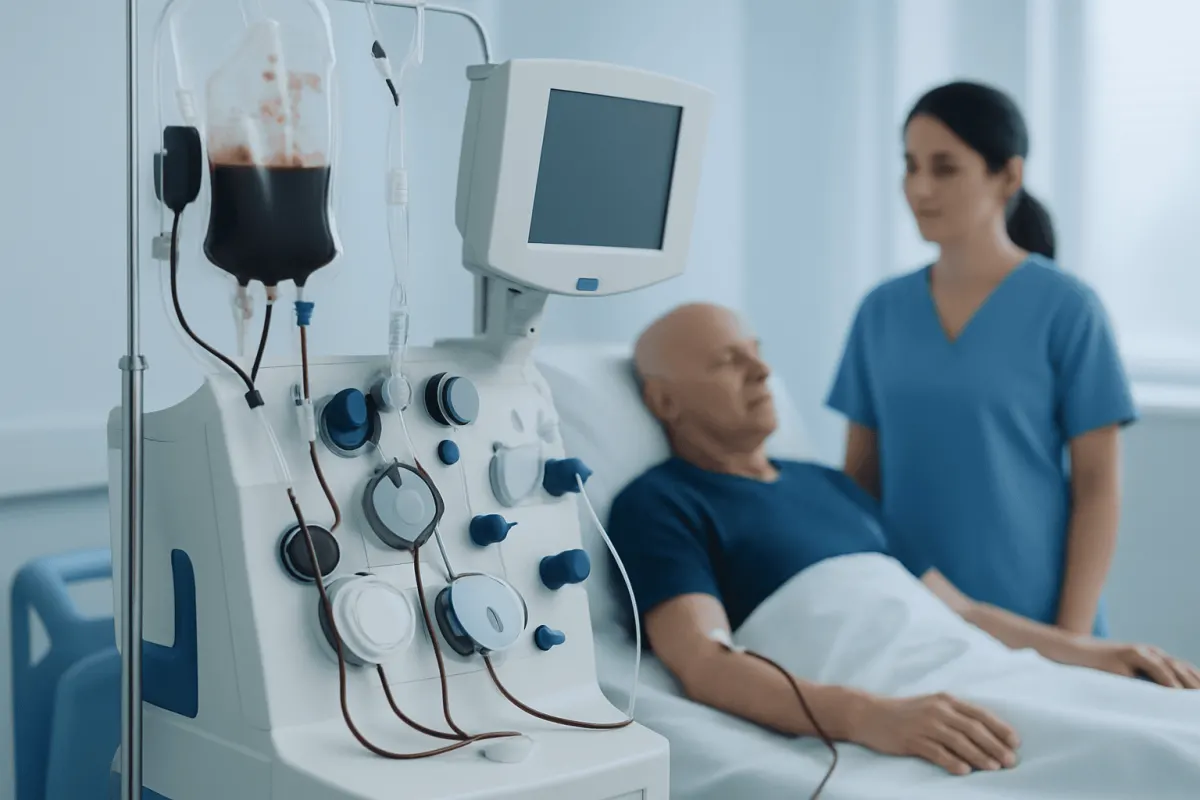
A person may be a candidate for a Bone Marrow Transplant: Who Needs It and What to Expect" class="ahp-ilk">bone marrow transplant when a blood, bone marrow, immune or certain cancer condition is unlikely to be controlled adequately with standard treatment alone. Eligibility is individualized and is based on the condition, its response to treatment, general health, organ function, infection status, support at home and, when needed, the availability of a suitable donor.
Overview: who may be a candidate?
Am I a candidate for bone marrow transplant? A person may be eligible if they have a serious blood, bone marrow, immune-system or cancer condition for which replacing damaged or diseased blood-forming cells could offer a meaningful benefit. The decision is not based on one test alone: a specialist transplant team weighs the diagnosis, disease stage or activity, previous treatments, overall health and the balance of likely benefit and risk.
Despite its name, a bone marrow transplant usually involves infusion of blood-forming stem cells through a vein, much like a blood transfusion. These cells travel to the bone marrow and, if engraftment is successful, begin making new blood cells. The treatment is also known as a hematopoietic stem cell transplant (HSCT).
It is important to remember that eligibility is individualized. Some people benefit from transplant early in their treatment plan, while others may be better served by medicines, targeted therapies, cellular therapies, observation or other approaches first. A consultation for bone marrow transplant evaluation and treatment helps clarify the most suitable timing and options.
How a bone marrow transplant works
Blood-forming stem cells make red blood cells, white blood cells and platelets. In some illnesses, the marrow may not produce these cells properly, may contain cancer cells, or may need to be treated with intensive therapy that also damages normal marrow. A transplant aims to restore healthy blood formation after this treatment.
In an autologous transplant, clinicians collect and freeze the patient’s own stem cells before high-dose treatment. The stored cells are then returned afterward. This approach is commonly considered for some lymphomas, multiple myeloma and selected other conditions.
In an allogeneic transplant, stem cells come from another person, such as a matched sibling, unrelated volunteer donor, cord-blood unit or partially matched family donor. Besides rebuilding marrow, donor immune cells may help attack remaining cancer cells, known as a graft-versus-tumor effect. However, donor cells can also react against the recipient’s tissues, causing graft-versus-host disease (GVHD).
Transplant is different from a routine operation. It is a planned course of care involving conditioning treatment, stem-cell infusion and careful monitoring while the new cells establish themselves. The exact plan depends on the diagnosis and transplant type.
Conditions and factors that influence eligibility

Transplant may be considered for conditions such as acute leukemia, myelodysplastic syndromes, aplastic anemia, certain lymphomas, multiple myeloma, inherited blood disorders and selected immune deficiencies. For cancer, the team considers the disease’s genetic features, risk category, response to current therapy and whether there is remission or persistent disease. For example, transplant may be discussed in some cases of leukemia when relapse risk is high or standard treatment is not providing durable control.
There is no universal upper age limit. Rather than age alone, clinicians assess day-to-day functioning, frailty, nutrition, lung and heart health, kidney and liver function, and other medical conditions. A person with well-controlled chronic illness may still be eligible, while someone younger with significant organ impairment may need a modified approach or an alternative treatment.
Active uncontrolled infection, severe organ dysfunction or inability to safely tolerate conditioning treatment can make transplant riskier. These factors do not always rule it out permanently; in some cases, doctors first treat an infection, improve nutrition, adjust medications or stabilize another health problem before reassessing.
- Disease-related factors: diagnosis, stage, genetic risk, response to treatment and chance of relapse.
- Health-related factors: performance status, heart, lung, liver and kidney function, infections and other conditions.
- Transplant-related factors: whether own or donor cells are needed, donor matching and the intensity of conditioning.
- Practical factors: informed consent, caregiver support, ability to attend frequent follow-up and safe accommodation during early recovery.
Pre-transplant assessment and donor evaluation
A transplant assessment is designed to answer two questions: whether transplant is likely to help and whether it can be delivered as safely as possible. The process usually includes a medical history, physical examination, review of previous treatments, blood tests and tests of marrow disease when relevant. Imaging or specialized disease testing may also be used to assess response before transplant.
Heart and lung tests, kidney and liver assessments, dental review when indicated, infection screening and medication review help identify risks that can be managed in advance. The team also discusses fertility preservation, vaccination history, nutrition, emotional wellbeing and practical arrangements for recovery. This planning is an important part of treatment, not a test a person has to “pass.”
For an allogeneic transplant, donor searches and tissue typing are performed. A close genetic match can reduce some complications, but a matched sibling is not the only possible option. The transplant team considers available donor sources and the urgency of treatment, while explaining what each option may mean for risks and outcomes.
Patients may also be asked to complete a pre-assessment form and provide prior medical records, pathology reports and imaging. This information allows the team to determine whether further tests are needed and whether transplant referral should be prioritized.
What happens during the procedure and early recovery
The transplant journey often begins with preparation, sometimes called conditioning. This may include chemotherapy, radiation therapy or lower-intensity medicines that suppress the immune system. Conditioning helps make space for new stem cells and, in some conditions, treats remaining cancer cells. Its intensity is tailored to the patient’s condition, age, organ function and transplant type.
On transplant day, stem cells are infused through a central venous catheter. The infusion itself is generally not surgical and is usually completed over several hours. Afterward, the patient is monitored closely while blood counts are low and the new stem cells settle in the marrow, a process called engraftment.
Early recovery often requires weeks of frequent monitoring, either in hospital or through a closely supervised outpatient program, depending on the treatment plan and local clinical practice. Blood counts commonly begin to recover over the following weeks, but immune recovery takes longer. People may need transfusions, preventive medicines, nutrition support and careful infection precautions.
Many patients need several months before their stamina gradually improves, and full immune recovery can take a year or longer, particularly after an allogeneic transplant. Return to work, school, travel and usual activities should be discussed individually with the transplant team.
Potential benefits, risks and self-care
For appropriately selected patients, transplant can offer the possibility of long-term disease control, cure in some conditions, recovery of normal blood production or the ability to give treatment that would otherwise be too damaging to the marrow. Outcomes vary considerably by diagnosis, disease status, transplant type, donor relationship and individual health factors, so a personal discussion is essential.
Common short-term concerns include fatigue, nausea, mouth sores, appetite changes, hair loss from conditioning treatment, low blood counts and infections. Bleeding risk may increase when platelet counts are low. Allogeneic transplant can also lead to GVHD, in which donor immune cells affect the skin, digestive tract, liver or other organs. Clinicians use preventive medicines and close follow-up to reduce and address these risks.
After leaving hospital, people should follow the transplant team’s guidance on hand hygiene, food safety, visitors, medication use and attending urgent assessments. They should avoid stopping prescribed medicines without advice. Physical activity should be reintroduced gradually, with attention to fatigue, nutrition and emotional recovery.
Support from family, friends, a caregiver, social workers and mental health professionals can be valuable. Recovery can be demanding, and asking for help is a normal and useful part of a transplant plan.
When to seek medical care
Anyone with a condition for which transplant has been mentioned should seek a timely consultation with a hematologist, oncologist or transplant specialist. This is especially important when a blood cancer has returned, treatment is not working as expected, bone marrow function is failing, or a clinician has advised evaluation for a donor transplant.
During transplant treatment or recovery, urgent medical advice is needed for fever, chills, shortness of breath, chest pain, confusion, new rash, severe diarrhea, uncontrolled vomiting, unusual bleeding, severe weakness or inability to drink fluids. People should use the emergency contact pathway provided by their transplant team, rather than waiting for a routine appointment.
Acıbadem Health Point’s multidisciplinary specialists and JCI-accredited hospitals support international patients who need assessment and treatment planning for bone marrow transplant. A pre-evaluation form can help the clinical team review the diagnosis, recent test results and previous therapies before recommending next steps.
Frequently asked questions
01What tests decide whether I am eligible for a bone marrow transplant?
Evaluation commonly includes blood tests, bone marrow or disease-specific testing, heart and lung assessments, kidney and liver function tests, infection screening and a review of prior treatment. The team also assesses functional health, nutrition, emotional wellbeing and practical support for recovery. The exact tests depend on the condition and planned transplant type.
02Can older adults have a bone marrow transplant?
Yes, some older adults can be candidates. Doctors focus on overall fitness, organ function, other health conditions and the likely benefit of transplant rather than using age alone. Lower-intensity conditioning approaches may be suitable for selected people.
03Do I need a matched sibling donor?
No. A matched sibling can be a preferred donor in some situations, but other options may include matched unrelated donors, partially matched family donors and cord blood. The transplant team will explain which donor sources are appropriate for the individual diagnosis and urgency of treatment.
04Is bone marrow transplant the same as stem cell transplant?
These terms are often used interchangeably. Most modern transplants use blood-forming stem cells collected from blood, bone marrow or umbilical cord blood. The aim is to restore the bone marrow’s ability to make healthy blood cells.
05How long does recovery take after a bone marrow transplant?
Initial blood-count recovery often occurs over weeks, but recovery is gradual and differs from person to person. Many people need months to rebuild strength, while immune recovery may take a year or longer, especially after a donor transplant. Regular follow-up remains important throughout this period.
06What could make me ineligible for transplant?
Some factors, such as uncontrolled infection, severe organ impairment or poor tolerance of intensive treatment, can make transplant unsafe at a given time. In some cases these issues can be treated or stabilized before reassessment. If transplant is not appropriate, the care team can discuss other evidence-based treatment options.
This article is for general information only and is not a substitute for professional medical advice. Please consult a qualified doctor about your individual situation.
Oncology care in Turkey — second opinion and treatment plan
JCI-accredited · board-certified surgeons · reply within 24h
Add us as a Preferred Source to see more of our trusted health content across Google Search, AI Overviews and Discover.