Bloodshot Eyes: Causes and Treatment

Key Takeaways
- Bloodshot eyes are a symptom, not a diagnosis, and the cause can range from simple dryness to infection or injury.
- Both eyes, one eye, and the presence of pain or discharge can help narrow down the likely reason for redness.
- Home care may help mild irritation, but red eyes with vision changes, severe pain, or light sensitivity need prompt medical attention.
- Contact lens wearers should be especially careful, because redness can sometimes signal a corneal problem that needs quick treatment.
- Preventive steps such as lubricating drops, screen breaks, allergy control, and contact lens hygiene can reduce repeat episodes.
Bloodshot eyes are a common sign that the eye’s surface blood vessels have become enlarged, usually from irritation, dryness, allergy, infection, or strain. Most causes are minor, but persistent redness, pain, vision changes, or light sensitivity should be assessed by an eye specialist.
Overview
Bloodshot eyes appear red when the small blood vessels on the surface of the eye widen and become more visible. The redness can look dramatic, yet the underlying cause is often something familiar: lack of sleep, dryness, allergies, smoke exposure, or rubbing the eyes too hard.
For many people, the redness fades when the trigger settles. In other cases, bloodshot eyes are the visible sign of a more specific problem such as conjunctivitis, a foreign body, a scratched cornea, or inflammation inside the eye. A careful history of how the redness started, whether it affects one eye or both, and what other symptoms are present usually helps guide the next step.
For international patients planning care away from home, red eyes can be particularly inconvenient because the cause may change while traveling. Cabin air, long screen time, climate differences, and disrupted sleep can all contribute, which is why early assessment matters if symptoms do not improve quickly.
Symptoms
Redness is the most obvious sign, but bloodshot eyes often come with other clues. Some people notice a gritty, sandy feeling, burning, watering, itching, or mild swelling of the eyelids. These symptoms often point toward dryness or allergy rather than a deeper eye problem.
Discharge, crusting, blurred vision, eye pain, or sensitivity to light can suggest something more than simple irritation. One eye may be affected more than the other, and the pattern can be helpful: itching is common with allergies, discharge may occur with infection, and pain after trauma can indicate injury to the surface of the eye.
A person should also pay attention to how the redness behaves over time. Redness that comes and goes after screen use or a long day in dry air is different from redness that is sudden, severe, or accompanied by worsening vision.
Causes & Risk Factors

Many everyday factors can make the eyes look red. Dry eye is one of the most common reasons, especially in people who spend long hours on digital devices, use air conditioning, live in dry climates, or wear contact lenses. Allergies can also trigger redness by causing inflammation on the eye’s surface.
Infections such as viral or bacterial conjunctivitis may cause redness with tearing or discharge. Eye strain, lack of sleep, alcohol use, smoking, and exposure to dust, wind, chlorine, or makeup products can irritate the eyes as well. Less common but more serious causes include corneal scratches, uveitis, glaucoma, and inflammation related to autoimmune disease.
- Contact lens wear, especially if lenses are worn too long or cleaned poorly
- Frequent screen use with reduced blinking
- Seasonal or environmental allergies
- Dry indoor air or air travel
- Eye rubbing or minor trauma
- Exposure to chemicals, smoke, or dust
Some risk factors overlap. A traveler with allergies who sleeps poorly on a long flight and keeps contact lenses in too long may develop redness from several causes at once. That is one reason persistent symptoms deserve a proper eye examination rather than guesswork.
Diagnosis
Diagnosis begins with a conversation about the timing and pattern of the redness. A doctor or eye specialist may ask when the symptoms started, whether both eyes are involved, whether there is discharge or pain, and whether the person wears contact lenses or recently had an eye injury.
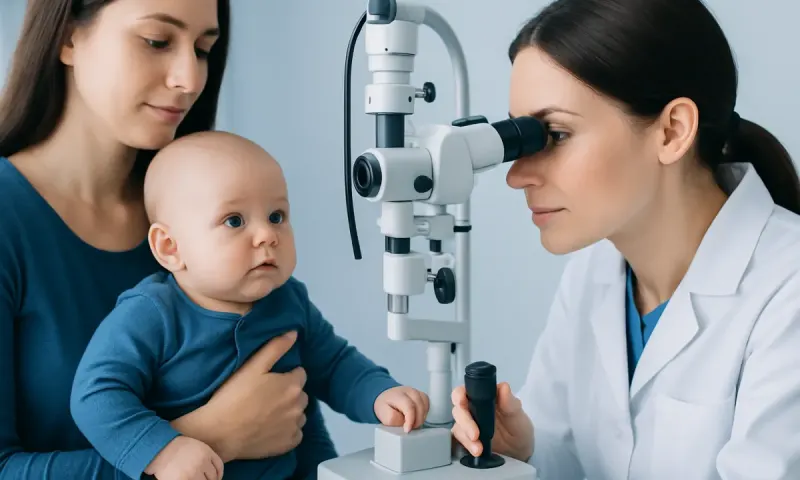
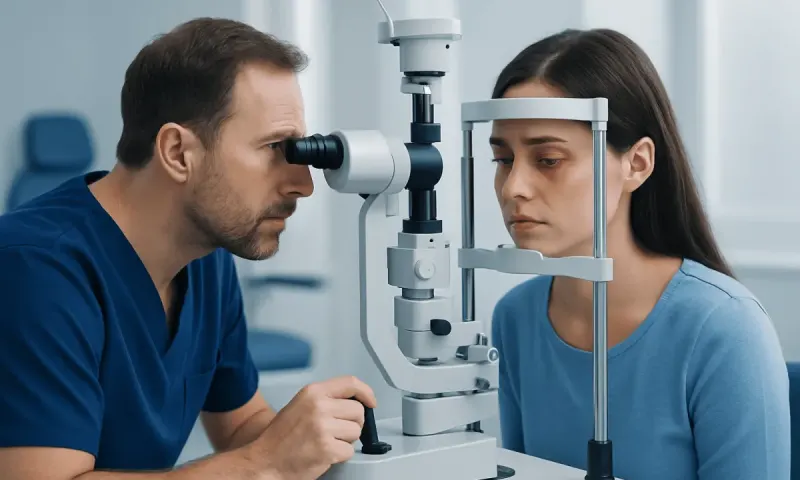
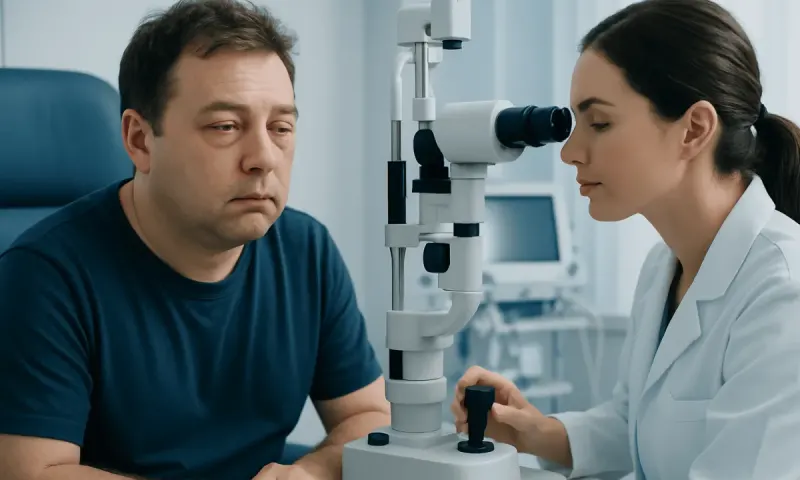
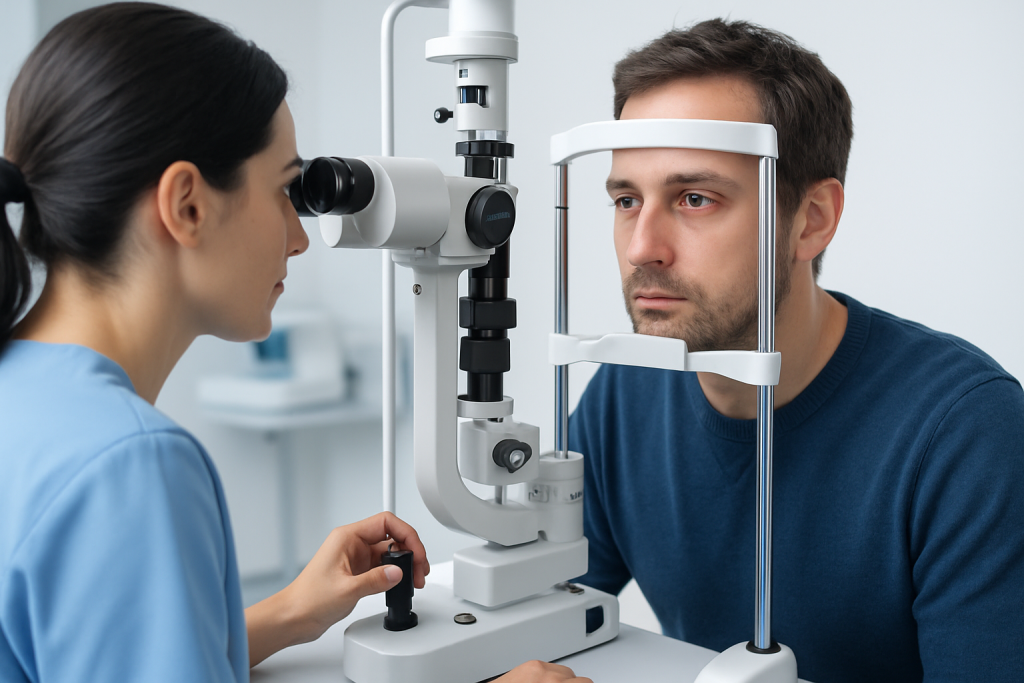
An eye exam may include checking vision, looking at the eye surface with a light, and examining the eyelids and cornea. In some cases, eye drops that stain tiny scratches on the cornea can help identify an abrasion or foreign body. If the specialist suspects pressure-related disease, inflammation inside the eye, or infection, additional tests may be recommended.
For people traveling internationally for care, bringing a list of current medications, contact lens details, and any recent exposures can save time. Photos of the eye taken at home can also be useful if the redness changes from day to day before the appointment.
Treatment Options
Treatment depends on the cause rather than the color alone. Mild dryness or irritation may improve with preservative-free lubricating drops, better hydration, reduced screen strain, and avoiding rubbing the eyes. Allergy-related redness may respond to allergy-focused eye drops or general allergy management recommended by a clinician.
If infection is suspected, the treatment plan will depend on whether the cause is viral, bacterial, or something else. Some eye infections clear with supportive care, while others need prescription medication. Contact lens wearers should stop using lenses until a doctor says it is safe to resume, because lenses can worsen some eye surface problems.
More serious causes require targeted care. Corneal injuries, uveitis, and glaucoma are managed differently and may need urgent treatment to protect vision. Because some red-eye conditions can look similar at first glance, self-treating with random drops is not a good substitute for an examination when symptoms are not clearly mild.
When patients travel for ophthalmic evaluation, multidisciplinary teams can coordinate testing, interpretation, and follow-up instructions so care remains clear after returning home. In that setting, Acibadem Health Point’s multidisciplinary specialists and JCI-accredited hospitals diagnose and treat eye conditions for international patients.
Prevention & Self-care
Simple habits can reduce the chance of repeated episodes. Regular screen breaks, conscious blinking, and maintaining a comfortable indoor environment can help the eye surface stay moist. People who know they have allergies may benefit from limiting exposure to triggers and using treatments advised by their doctor during allergy season.
Contact lens hygiene is especially important. Lenses should be cleaned, stored, and replaced exactly as directed, and they should not be worn longer than recommended. It is also wise to remove lenses before swimming or showering unless an eye care professional has specifically advised otherwise.
- Use lubricating eye drops when dryness is the likely trigger
- Avoid rubbing the eyes, which can worsen irritation
- Wash hands before touching the face or eyes
- Take breaks from screens and improve lighting and positioning
- Protect eyes from smoke, dust, and wind when possible
For people recovering after treatment abroad, follow-up care should be planned before the journey home whenever possible. Clear written instructions, especially about medications and warning signs, make it easier to continue care consistently with a local doctor.
When to See a Doctor
Medical evaluation is recommended if bloodshot eyes do not improve after a short period of rest and gentle care, or if the redness keeps returning. A doctor should also assess the eyes sooner if one eye is much redder than the other, or if there is thick discharge, swelling, or increasing discomfort.
Some symptoms need prompt attention because they may signal a more serious eye condition. These include eye pain, blurred vision, light sensitivity, trauma, a chemical exposure, a headache with nausea, or redness in a contact lens wearer that does not settle quickly. In children, people with weakened immunity, and those with prior eye surgery, it is especially sensible to seek timely advice.
Red eyes are common, but they should not be ignored when the pattern feels unusual. A qualified eye specialist can sort out whether the issue is minor irritation, infection, or something that needs treatment to protect sight.
Living With Recurrent Red Eyes
Some people notice that bloodshot eyes return under predictable conditions, such as after long flights, poor sleep, extended computer work, or pollen exposure. In those cases, keeping a simple symptom diary can help identify triggers and support a more targeted plan with an eye care clinician.
Recurrent redness is not something a person has to simply accept. Once the trigger is known, many episodes can be reduced with practical changes, such as adjusting contact lens habits, treating dry eye consistently, or managing allergies earlier in the season.
If episodes are frequent or disruptive, a structured eye evaluation is worthwhile. That is often the fastest way to move from recurring discomfort to a clearer, more manageable routine.
Frequently asked questions
01Are bloodshot eyes always a sign of infection?
No. Bloodshot eyes are often caused by dryness, allergies, fatigue, or irritation rather than infection. An eye infection is more likely if redness comes with discharge, crusting, or worsening discomfort.
02Can lack of sleep cause bloodshot eyes?
Yes. Poor sleep can make the eyes look red and feel irritated because the eye surface may not recover well overnight. The redness usually improves once rest, hydration, and eye comfort measures are addressed.
03Should contact lens wearers worry about red eyes?
They should take red eyes seriously, because contact lenses can increase the risk of corneal irritation or infection. Lenses should be removed, and an eye doctor should be contacted if redness is persistent or painful.
04Do eye drops always help bloodshot eyes?
Not necessarily. Lubricating drops can help dryness, but the right treatment depends on the cause. Some drops are not suitable for certain eye conditions, so persistent redness should be checked before using random products.
05How can someone tell if red eyes are an emergency?
Emergency evaluation is wise if redness is sudden and severe, or if it comes with pain, blurred vision, light sensitivity, injury, or nausea and headache. These features can point to a condition that needs prompt treatment.
06Can traveling or flying make eyes look red?
Yes. Dry cabin air, reduced blinking, dehydration, and contact lens wear during travel can all contribute to redness. Using lubricating drops, staying hydrated, and removing lenses when appropriate may help.
This article is for general information only and is not a substitute for professional medical advice. Please consult a qualified doctor about your individual situation.
Explore treatments in Turkey — costs, top hospitals & a free quote
JCI-accredited · board-certified surgeons · reply within 24h
Add us as a Preferred Source to see more of our trusted health content across Google Search, AI Overviews and Discover.