Bleeding Eyes: Causes, Symptoms, and Urgent Warning Signs
Bleeding eyes can describe a bright-red patch on the white of the eye, blood inside the eye, or bleeding from an eyelid injury. Most painless red patches are caused by a small broken surface blood vessel and clear without treatment, but bleeding with pain, trauma, reduced vision, or severe headache requires prompt medical care.
What Does “Bleeding Eyes” Mean?
Bleeding eyes is a non-medical term that can describe several different findings. The most common is a subconjunctival hemorrhage: a sharply defined bright-red area on the white part of the eye. It happens when a tiny blood vessel beneath the clear surface membrane, called the conjunctiva, breaks and leaks a small amount of blood.
This type of bleeding often looks more serious than it is. It is typically painless, does not affect eyesight, and is not contagious. The body gradually reabsorbs the blood, usually over days to a few weeks, and the patch may change from red to brownish or yellow as it heals.
Not all blood-related eye symptoms are the same. Blood may collect in the front chamber of the eye after trauma, appear in the jelly-like center of the eye, or come from a cut on the eyelid or eye surface. These situations need a different level of assessment because they can threaten vision or reflect a more significant injury.
Common Patterns and Associated Symptoms
A surface hemorrhage usually causes a visible red spot or larger red area without pain, discharge, light sensitivity, or blurred vision. Some people notice mild irritation or a feeling of dryness, but the eye should otherwise feel and function normally.
Symptoms such as eye pain, light sensitivity, reduced vision, floating spots, flashing lights, nausea, or a sensation that something is stuck in the eye are not typical of a simple surface bleed. They may point to inflammation, infection, a corneal injury, increased pressure inside the eye, or bleeding deeper within the eye.
Blood visible in front of the colored part of the eye, called a hyphema, can occur after a blunt injury and needs urgent evaluation. Bleeding into the vitreous, the gel inside the eye, may cause new floaters, haze, shadows, or vision loss. Conditions involving the retina, including complications of diabetic retinopathy, can sometimes lead to this type of internal bleeding.
- Usually reassuring: a painless red patch with normal vision and no injury.
- Potentially concerning: bleeding with pain, impaired sight, light sensitivity, trauma, or repeated episodes.
- Emergency symptoms: sudden major vision loss, severe eye pain, chemical splash, or an object penetrating the eye.
Why Eye Bleeding Happens

Subconjunctival hemorrhage may occur without an obvious trigger. A brief rise in pressure in small eye vessels can be enough to cause it, for example after coughing, sneezing, vomiting, straining during bowel movements, heavy lifting, or intense crying. Rubbing the eyes or wearing contact lenses may also contribute in some cases.
Other possible contributors include minor eye trauma, dry or irritated eyes, recent eye surgery, and infections or inflammation affecting the eye surface. Older age can make surface blood vessels more fragile. A person may also notice a red patch after waking up, even when no trigger is remembered.
Some health conditions raise the chance of recurrent bleeding. These include poorly controlled high blood pressure, diabetes, and disorders that affect platelets or blood clotting. Aspirin, anticoagulants, and other medicines that reduce clotting can make bruising or visible bleeding more likely, although they should never be stopped without advice from the prescribing clinician.
Internal eye bleeding has different causes. It can follow significant trauma, retinal tears or detachment, abnormal retinal blood vessels, diabetes-related retinal disease, or certain inflammatory and vascular conditions. An eye specialist can identify the location and likely cause through an examination.
How Doctors Assess Bleeding Eyes
A clinician will ask when the redness or bleeding started, whether there was an injury or chemical exposure, and whether there are changes in vision, pain, discharge, headaches, or other symptoms. They may also ask about contact lens use, recent surgery, chronic health conditions, and medicines or supplements that can affect bleeding.
For an uncomplicated surface hemorrhage, inspection of the eye may be all that is needed. Blood pressure may be checked, particularly if episodes recur or there are cardiovascular risk factors. People with repeated unexplained hemorrhages may need blood tests to assess blood count and clotting, based on their history and examination.
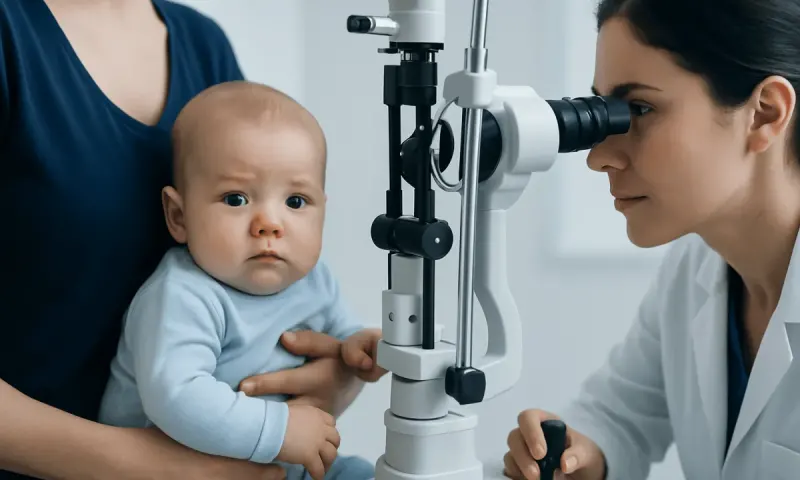
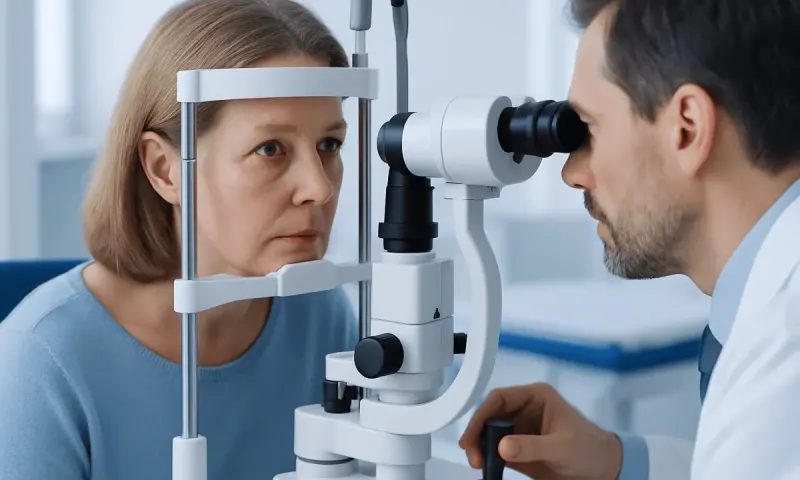
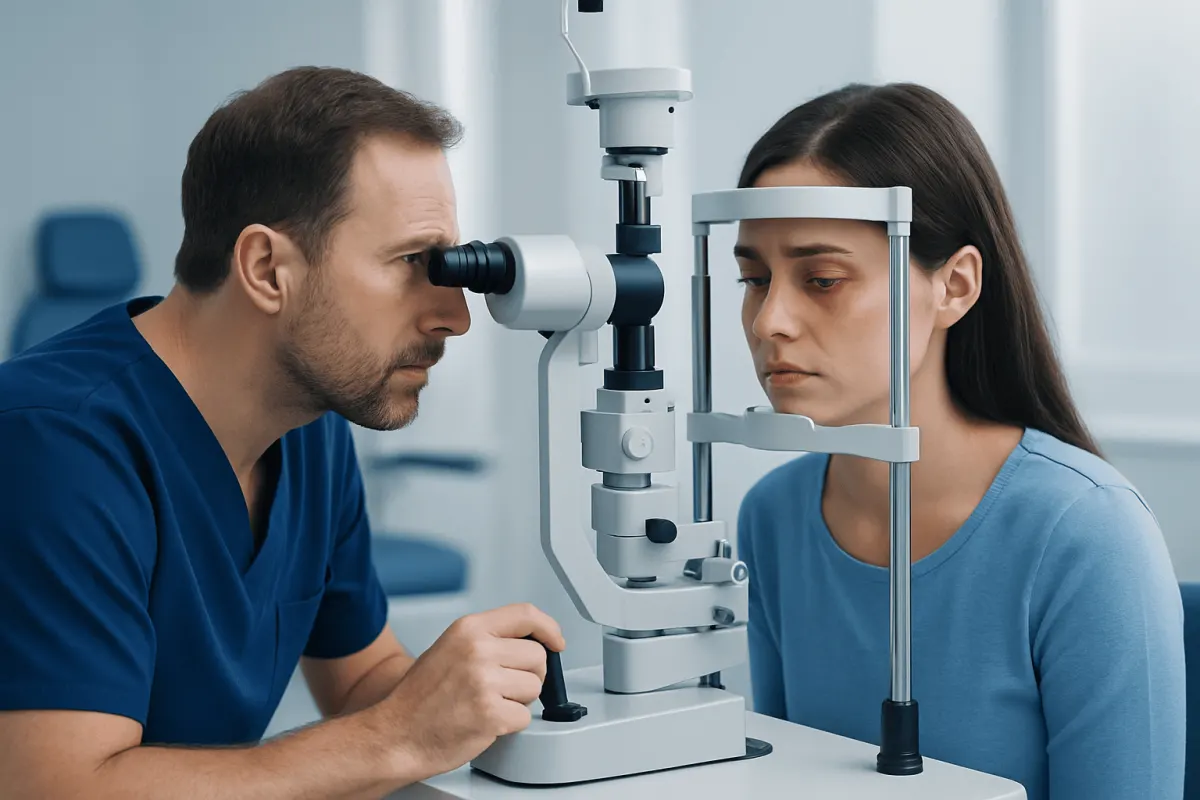
If the clinician suspects deeper bleeding or injury, the assessment may include visual acuity testing, slit-lamp examination, pressure measurement, pupil testing, and a dilated retinal examination. Imaging such as ocular ultrasound can be useful when blood obscures the view of the back of the eye. These tests help distinguish a surface problem from conditions that require specialist treatment.
Treatment and Recovery
Most uncomplicated subconjunctival hemorrhages need no specific treatment. The blood is reabsorbed naturally, and normal activities can generally continue if there is no injury or visual symptom. Preservative-free lubricating eye drops may ease dryness or mild irritation, but they do not make the blood clear faster.
Redness-relief drops are not usually needed and may irritate the eye or mask worsening symptoms. It is sensible to avoid rubbing the eye and to pause contact lens use if the eye is uncomfortable until a clinician advises that lenses are safe to wear again. A cool compress on closed eyelids may feel soothing after minor irritation, but it should not be used to delay assessment after trauma.
Treatment for internal bleeding depends on its cause and location. It may involve observation with close follow-up, treatment of retinal disease, laser procedures, injections, or surgery in selected cases. Management of underlying high blood pressure, diabetes, or clotting problems is also important. For appropriate patients, an ophthalmologist may discuss vitrectomy surgery when blood in the vitreous does not clear or when another retinal condition requires surgery.
Acıbadem Health Point’s multidisciplinary specialists and JCI-accredited hospitals diagnose and treat eye conditions for international patients, with care plans based on the cause of bleeding and the person’s visual needs.
Protecting Eye Health and Reducing Recurrence
It is not always possible to prevent a small surface blood vessel from breaking. However, managing factors that affect blood vessels can reduce avoidable risk. Regular monitoring and treatment of high blood pressure and diabetes are particularly important, both for general health and for protecting the eyes.
Use protective eyewear during sports, home repairs, gardening, and work involving flying particles or chemicals. Contact lens wearers should follow hygiene and replacement guidance, avoid sleeping in lenses unless specifically prescribed, and remove lenses if an eye becomes painful, very red, or sensitive to light.
People taking blood thinners should continue them exactly as prescribed unless their clinician says otherwise. Recurrent bruising, nosebleeds, gum bleeding, or repeated eye hemorrhages should be discussed with a doctor, as these symptoms may warrant a review of medicines, blood pressure, or clotting health.
When to Seek Medical Care
A painless red patch with normal vision can often be monitored, particularly when there has been no injury. However, medical advice is appropriate if the patch is recurrent, affects both eyes repeatedly, does not begin to improve over several weeks, or occurs alongside easy bruising or other unexplained bleeding.
Urgent same-day assessment is recommended for eye bleeding after a blow to the eye or head, any reduction in vision, severe pain, light sensitivity, new floaters or flashes, blood pooling in front of the iris, or a red eye in someone who has recently had eye surgery. A chemical splash should be rinsed immediately with clean running water for at least 15 minutes while arranging emergency care.
Emergency care is needed for suspected penetrating eye injury, sudden major loss of vision, severe headache with eye pain or nausea, or any situation in which an object is embedded in the eye. The person should not rub, press, or attempt to remove an object from the eye. A rigid shield can be placed loosely over the eye while urgent help is obtained.
Frequently asked questions
01Are bleeding eyes dangerous?
A painless red patch on the white of the eye is often a subconjunctival hemorrhage and is usually not dangerous. However, bleeding associated with pain, injury, visual changes, light sensitivity, or blood inside the eye should be assessed promptly because it may require treatment.
02How long does a red blood spot in the eye last?
A typical surface blood spot often clears gradually within one to three weeks, although larger areas may take longer. Its color may change as the blood is naturally reabsorbed. Medical advice is sensible if it is not improving, keeps returning, or is accompanied by other symptoms.
03Can high blood pressure cause bleeding eyes?
High blood pressure can contribute to fragile blood vessels and may be associated with recurrent surface eye bleeding. It can also damage retinal blood vessels over time. A person with repeated eye hemorrhages should have their blood pressure reviewed by a healthcare professional.
04Can stress cause a blood vessel to burst in the eye?
Stress itself is not usually a direct cause, but activities that may happen during stressful periods, such as forceful coughing, vomiting, straining, or rubbing the eyes, can trigger a surface blood vessel to break. If episodes are frequent, a clinician can check for other contributing factors.
05Should blood thinners be stopped if the eye is bleeding?
No. Blood-thinning medicines should not be stopped or changed without advice from the clinician who prescribed them, as stopping them suddenly can increase the risk of serious clotting problems. A doctor can assess whether the eye bleeding is minor and whether any medication review is needed.
06What should be done after an eye injury with bleeding?
The eye should be assessed urgently, especially if there is pain, blurred vision, swelling, a cut, or blood visible inside the eye. Do not rub or press on the eye, and do not try to remove an embedded object. If chemicals are involved, rinse the eye immediately with clean running water while seeking emergency care.
This article is for general information only and is not a substitute for professional medical advice. Please consult a qualified doctor about your individual situation.
Persistent digestive symptoms? Get evaluated in Turkey
JCI-accredited · board-certified surgeons · reply within 24h
Add us as a Preferred Source to see more of our trusted health content across Google Search, AI Overviews and Discover.