Blood in Pee Without Pain in Females: Possible Causes

Blood in pee with no pain in a female, also called painless hematuria, is not always caused by a serious condition, but it should not be ignored. Blood may come from the urinary tract, menstrual or vaginal bleeding, or conditions affecting the kidneys, bladder, or urethra; a medical assessment can identify the source.
What does blood in pee with no pain mean in females?
Blood in pee with no pain in a female should be assessed by a healthcare professional, even if it happens only once. The medical term for blood in urine is hematuria. It can make urine look pink, red, tea-colored, or brown, although very small amounts of blood may only be found on a urine test.
Not all red or pink urine is caused by bleeding from the urinary system. Menstrual blood, vaginal spotting, certain foods such as beetroot, and some medicines can change urine color or contaminate a urine sample. However, it is important not to assume this is the explanation without checking, particularly if the color change occurs outside a menstrual period.
Painless hematuria may be temporary and harmless in some situations, but it can also signal a condition involving the kidneys, ureters, bladder, or urethra. A clinician can help distinguish true urinary bleeding from bleeding that originates in the vagina or rectum and arrange the right tests.
How blood in urine may look and where it can come from
Visible hematuria is called gross hematuria. It may appear as a faint pink tinge, bright-red urine, or darker brown-red urine. Some people notice blood only at the beginning or end of urination, while others see a color change throughout the urine stream. Blood clots are less common but are important to report because they may interfere with urine flow.
Microscopic hematuria means red blood cells are present but cannot be seen without laboratory testing. It is often discovered during a routine urine test. Although microscopic hematuria may have a benign explanation, its importance depends on the person’s age, medical history, smoking history, pregnancy status, and other findings.
In females, it can sometimes be difficult to identify the source of bleeding. Menstrual periods, bleeding after sex, vaginal dryness after menopause, infections of the vagina or cervix, and pelvic conditions can be mistaken for blood in urine. A carefully collected midstream urine sample, ideally when not menstruating if possible, can help clarify the situation.
Common causes of painless blood in pee in females

A urinary tract infection (UTI) is a common cause of blood in urine in women. UTIs often cause burning, urgency, frequent urination, lower abdominal discomfort, or cloudy urine, but symptoms may be mild or absent in some people. A urine culture can identify whether bacteria are present and guide treatment when needed.
Kidney stones can scratch the urinary tract and lead to blood in urine. They often cause intense side or back pain, nausea, or urinary urgency, yet small stones may cause little or no pain. Other noncancerous causes include vigorous exercise, recent urinary catheterization or procedures, injury to the urinary tract, and some inherited conditions affecting the kidneys.
Kidney inflammation or kidney disease can allow blood cells to pass into urine. This may occur with protein in the urine, high blood pressure, swelling around the eyes or ankles, or reduced kidney function, though early disease can have no obvious symptoms. Conditions such as diabetes, autoimmune diseases, and some infections may affect kidney filters.
Some medicines can contribute to bleeding or alter urine color. Blood-thinning medicines may make bleeding more noticeable, but they do not remove the need to investigate the source. A clinician should review all prescription medicines, over-the-counter products, supplements, and recent treatments rather than advising a person to stop medication on their own.
Related conditions that need to be ruled out
Although many causes are treatable and noncancerous, painless visible hematuria can be an early feature of cancers of the bladder, kidney, ureter, or urethra. Bladder cancer is particularly important to exclude in adults with unexplained visible blood in urine. Blood may come and go, so a single episode should not be dismissed simply because urine later returns to its usual color.
The likelihood of a urinary tract cancer increases with age and is higher in people who smoke or have smoked, have had significant exposure to certain industrial chemicals, have received pelvic radiation, or have a history of chronic bladder irritation. Cancer is not the most likely explanation for every person, especially younger women, but timely evaluation supports earlier diagnosis when it is present.
After menopause, vaginal or urinary symptoms may also be related to thinning of tissues caused by lower estrogen levels. This can lead to irritation, dryness, urinary discomfort, or light bleeding. Even when this is suspected, a clinician should confirm the source of blood before attributing it to menopausal changes.
Pregnancy deserves special consideration. Blood seen during urination may be from the urinary tract or from vaginal bleeding, and either possibility should be discussed promptly with a maternity care professional. UTIs and kidney conditions in pregnancy require appropriate assessment because they can affect maternal health.
How doctors investigate painless hematuria
The assessment usually starts with questions about the timing and appearance of blood, menstrual history, pregnancy possibility, urinary symptoms, pain, fever, medicines, smoking, exercise, and personal or family history of kidney disease or cancer. The clinician may perform an abdominal examination and, when appropriate, a pelvic examination.
A urinalysis checks for red blood cells, protein, white blood cells, bacteria, and other clues. A urine culture may be performed if infection is possible. Blood tests can assess kidney function, anemia, inflammation, or clotting when indicated. If a sample may have been contaminated by menstruation or vaginal bleeding, the urine test may need to be repeated using careful collection instructions.
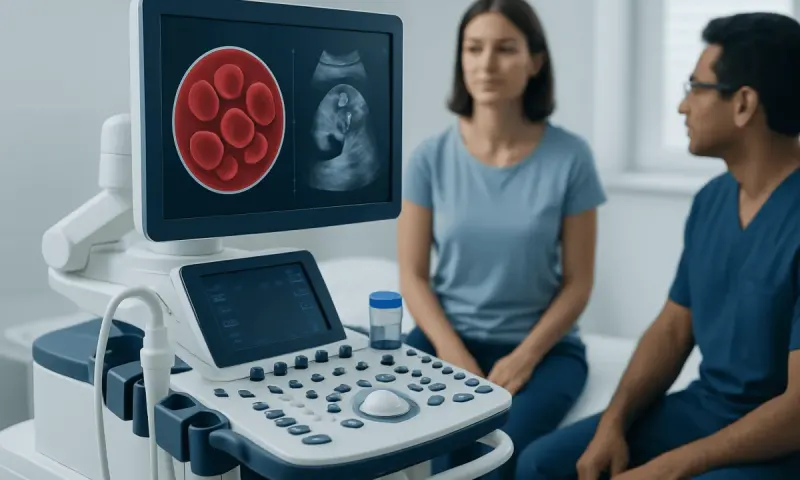
Depending on the results and an individual’s risk factors, imaging may be recommended. Ultrasound can assess the kidneys and bladder without radiation. A CT scan may be used to look more closely for stones, tumors, or other abnormalities, while MRI may be considered in selected circumstances.
Some people need cystoscopy, a procedure in which a urologist uses a narrow camera to inspect the inside of the bladder and urethra. This is often considered for unexplained visible hematuria or in people with higher risk factors. The choice and timing of tests should be individualized; not everyone needs every test.
What treatment and self-care involve
Treatment depends entirely on the cause. Bacterial UTIs may be treated with antibiotics selected by a clinician, while stones may be managed with fluids, pain relief, observation, medicines, or procedures depending on their size and location. Kidney disease may require follow-up with a kidney specialist and treatment directed at the underlying condition.
If a medicine is contributing to bleeding, the prescribing clinician can decide whether a change is appropriate. People should not stop anticoagulants, antiplatelet medicines, or other prescribed treatments without medical advice, as sudden changes can carry significant risks.
Until assessed, drinking enough water to remain comfortably hydrated is reasonable for most people, unless they have been advised to restrict fluids because of kidney, heart, or liver disease. It is useful to note when the blood was first seen, whether it recurs, the urine color, any clots, menstrual timing, and accompanying symptoms. A photograph of urine discoloration may sometimes help a clinician, if the person feels comfortable taking one.
Acıbadem Health Point’s multidisciplinary specialists and JCI-accredited hospitals can assess urinary symptoms and coordinate urology, nephrology, gynecology, imaging, and laboratory care for international patients when needed.
When to seek medical care
Anyone who sees blood in their urine should arrange a medical review promptly, including when there is no pain. This is especially important for visible blood that is unexplained, recurrent, occurs after menopause, happens with a history of smoking, or is accompanied by fatigue, unintentional weight loss, or changes in urination.
Urgent medical care is appropriate if there are blood clots, heavy bleeding, inability to urinate, severe pain in the side or lower abdomen, fever or chills, vomiting, weakness, fainting, or dizziness. These symptoms can indicate a blockage, significant infection, a stone, or more substantial blood loss and should not be managed at home.
Pregnant people should contact their maternity clinician promptly for blood in urine or possible vaginal bleeding. Children, people with known kidney disease, those taking blood thinners, and individuals with a weakened immune system should also seek timely advice. If urine is red after eating strongly colored foods but the change persists, recurs, or is uncertain, it is still sensible to have it checked.
Frequently asked questions
01Can a female have blood in pee with no pain from a UTI?
Yes. A urinary tract infection can cause blood in urine, and some women have few or no typical symptoms such as burning or urgency. A urine test and, when appropriate, a culture can help confirm whether infection is present.
02Is painless blood in urine in women always cancer?
No. There are many possible noncancerous causes, including infection, stones, exercise, kidney inflammation, and contamination from menstrual or vaginal bleeding. However, painless visible blood in urine can be a sign of urinary tract cancer, so it should be assessed rather than assumed to be harmless.
03Could a period make it seem like there is blood in urine?
Yes. Menstrual blood can enter the toilet or contaminate a urine sample, making it difficult to tell where bleeding began. If possible, a repeat clean-catch midstream urine sample after the period ends can help, but a clinician should advise on the right approach.
04What color is blood in urine?
Blood in urine may look pink, red, rusty, tea-colored, or dark brown. The amount of visible color does not reliably show how serious the cause is, and even a small amount can change urine appearance. Some foods and medicines can also cause red or brown urine without bleeding.
05Should blood thinners be stopped if blood appears in urine?
No. A person should not stop a prescribed blood thinner without speaking to the clinician who manages it. These medicines can make bleeding more noticeable, but the urinary source still needs evaluation and treatment decisions must balance bleeding and clotting risks.
06What tests are used for blood in pee with no pain in a female?
Testing commonly includes urinalysis, sometimes urine culture, and blood tests for kidney function. Depending on age, risk factors, and results, a clinician may recommend ultrasound or other imaging and a cystoscopy to inspect the bladder. The testing plan is individualized.
This article is for general information only and is not a substitute for professional medical advice. Please consult a qualified doctor about your individual situation.
Explore treatments in Turkey — costs, top hospitals & a free quote
JCI-accredited · board-certified surgeons · reply within 24h
Add us as a Preferred Source to see more of our trusted health content across Google Search, AI Overviews and Discover.