Lupus Test Kits: What Blood and Urine Results Show
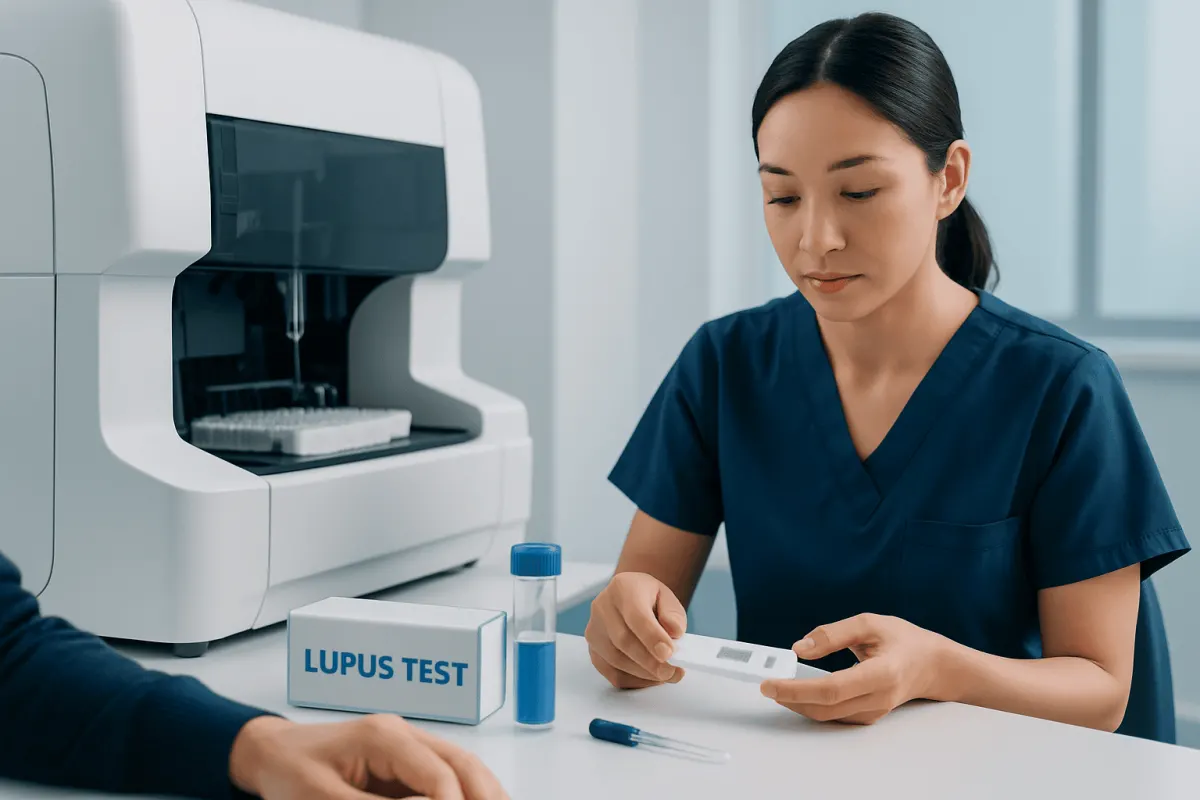
A lupus test kit may refer to a set of laboratory tests used to look for immune-system activity and organ involvement associated with lupus. Testing is usually straightforward, but results must be interpreted alongside symptoms, examination findings and medical history because no single blood test diagnoses lupus.
Overview: What Is a Lupus Test Kit?
A lupus test kit generally describes a group of tests used to investigate suspected systemic lupus erythematosus (SLE), often called lupus. It is not usually one single test or a self-diagnosis tool. A clinician combines laboratory findings with a person’s symptoms, physical examination, health history and, when needed, imaging or tissue testing.
Lupus is an autoimmune condition in which the immune system can mistakenly affect healthy tissues. It may involve the skin, joints, blood cells, kidneys, heart, lungs or nervous system. Because its symptoms can vary widely and can resemble those of other conditions, evaluation needs to be careful and individualized.
Testing may be ordered when someone has features such as persistent joint pain or swelling, unexplained fatigue, recurring fever, a rash that worsens with sunlight, mouth ulcers, chest pain with breathing, changes in urine, or low blood cell counts. The aim is not simply to find a positive result, but to understand whether the overall pattern fits lupus or another explanation.
What Happens During Lupus Testing?
Most lupus testing is performed with a blood sample collected from a vein in the arm. The procedure typically takes only a few minutes. A healthcare professional cleans the skin, places a small needle into a vein, collects the required tubes of blood, and then applies pressure and a small dressing after the needle is removed.
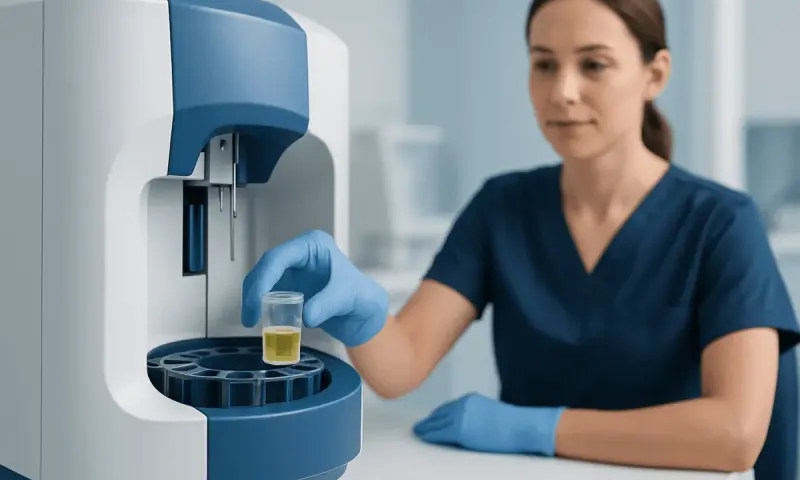
A urine sample is also commonly requested. Urine testing can detect protein, blood cells or other changes that may suggest kidney involvement. In some situations, a clinician may request a repeat urine sample, a timed urine collection, imaging, or referral to a kidney specialist if results suggest possible inflammation in the kidneys.
Most people do not need special preparation for routine lupus blood tests. However, the laboratory or clinician may provide individual instructions depending on which tests are being ordered and whether other blood work is being done at the same time. People should mention all medicines, supplements, recent infections and pregnancy status, as these factors can sometimes affect interpretation.
After blood collection, mild tenderness or a small bruise at the puncture site can occur and usually settles within a few days. Normal activities can generally be resumed immediately unless the healthcare team advises otherwise.
Common Tests Included in a Lupus Evaluation

One of the most common screening tests is the antinuclear antibody, or ANA, test. Many people with lupus have a positive ANA result, so a negative ANA may make lupus less likely in the appropriate clinical setting. However, ANA positivity alone does not mean a person has lupus, because it can occur in healthy individuals and in other autoimmune, infectious or medical conditions.
If symptoms and an ANA result suggest a possible autoimmune condition, clinicians may request more specific antibody tests. These can include anti-double-stranded DNA (anti-dsDNA), anti-Smith (anti-Sm), antiphospholipid antibodies, anti-Ro/SSA and anti-La/SSB antibodies. Complement proteins, particularly C3 and C4, may also be measured because lower levels can occur when lupus-related immune activity is present.
A typical evaluation may also include a complete blood count (CBC), kidney and liver function tests, a urinalysis, urine protein testing, erythrocyte sedimentation rate (ESR), and C-reactive protein (CRP). These tests help assess inflammation, blood cell changes and possible organ effects, but they do not independently establish the diagnosis.
- ANA: a screening antibody test interpreted in clinical context.
- Anti-dsDNA and anti-Sm: antibodies that may provide more specific supporting information.
- Complement levels: tests that may help monitor immune activity over time.
- CBC and chemistry panel: tests for blood cell levels and organ function.
- Urinalysis and urine protein: tests that help screen for kidney involvement.
How Long Does It Take for Lupus Blood Test Results to Come Back?
Routine tests such as a CBC, kidney function panel, liver tests and urinalysis may be available the same day or within one to two days, depending on the laboratory. ANA testing often takes several days, while more specialized antibody tests may take several days to a week or longer if they are sent to a reference laboratory.
The time needed for an answer is sometimes longer than the laboratory turnaround time. A doctor may need to review results together, repeat selected tests, compare current results with previous ones, or arrange assessment by a rheumatologist. This careful review helps prevent conclusions based on one isolated value.
When testing is being used to monitor known lupus, results are interpreted in relation to symptoms and previous values. A change in a laboratory result does not always mean symptoms will worsen, and normal results do not automatically rule out all disease activity. Follow-up plans should be tailored by the treating clinician.
Why Don't Doctors Like to Diagnose Lupus?
Doctors do diagnose lupus when the clinical evidence supports it. The reason they may take time before confirming the diagnosis is that lupus can be complex, its symptoms may come and go, and several other conditions can cause similar symptoms or laboratory findings.
For example, tiredness, joint pain, rashes, headaches and a positive ANA can occur for reasons other than lupus. Viral illnesses, thyroid disorders, other autoimmune diseases, some medicines and common skin or joint conditions may all need consideration. Labeling someone with lupus too early can lead to unnecessary worry, monitoring or treatment.
Clinicians therefore use established classification frameworks as guidance while making an individualized diagnosis. They consider the pattern of symptoms, physical findings, antibody tests, blood and urine results, and whether an alternative explanation is more likely. Referral to a rheumatologist is often helpful when lupus is suspected or results are difficult to interpret.
What Labs Will Be Abnormal With Lupus?
Lupus can be associated with several laboratory changes, but there is no single abnormal result that is present in everyone. Some people have symptoms with only subtle laboratory findings, while others may have more noticeable changes, particularly if an organ such as the kidneys or blood cells is affected.
Possible findings include a positive ANA, anti-dsDNA or anti-Sm antibodies, low complement levels, and antiphospholipid antibodies. Urine testing may show protein or blood, and kidney blood tests may be abnormal when the kidneys are involved. ESR may be elevated, although this is a nonspecific marker that can rise in many inflammatory and non-inflammatory situations.
A clinician may also find anemia, low white blood cells or low platelets on a CBC. CRP may be normal or raised depending on the circumstances; a raised CRP is not specific to lupus and may prompt clinicians to look for infection or another inflammatory cause. Results are assessed as a whole rather than treated as a checklist.
If kidney-related lupus is suspected, timely specialist assessment is important. Treatment decisions can range from observation and monitoring to medicines that reduce immune activity, depending on the organs involved and the severity of disease. Rheumatology care can help coordinate diagnosis, monitoring and treatment planning.
What Will a CBC Look Like With Lupus?
A complete blood count measures red blood cells, white blood cells and platelets. In lupus, a CBC may be normal, especially when the condition is mild or inactive. When abnormalities occur, they can include anemia, a low white blood cell count, a low lymphocyte count, or a low platelet count.
Anemia can contribute to tiredness, shortness of breath with exertion or reduced exercise tolerance, but it has many possible causes, including iron deficiency, inflammation, bleeding, kidney disease and certain medicines. Low white blood cells or platelets can also result from infections, medications, vitamin deficiencies and other immune conditions. For this reason, a CBC cannot diagnose lupus by itself.
If a CBC shows a significant or persistent change, clinicians may repeat the test and review a blood smear or additional studies. They may ask about medicines, infections, diet, bleeding, family history and other symptoms. The next steps depend on the degree of change and the person’s overall health.
When to Seek Medical Care
Medical assessment is appropriate for persistent or recurring symptoms that could suggest an autoimmune condition, especially if they occur together. Examples include unexplained rashes, painful or swollen joints, prolonged fatigue, fevers without a clear cause, repeated mouth sores, chest pain when breathing deeply, leg swelling, frothy urine or blood in the urine.
Urgent medical care is important for severe chest pain, sudden shortness of breath, confusion, seizures, fainting, new severe headache, major swelling, markedly reduced urine output, or signs of serious infection such as high fever with worsening illness. These symptoms can have many causes and should be assessed promptly.
People who already have lupus should contact their healthcare team about new symptoms, medication concerns, pregnancy planning, or possible side effects. Acıbadem Health Point’s multidisciplinary specialists in JCI-accredited hospitals can assess and treat lupus-related concerns for international patients, with care coordinated according to individual needs.
Frequently asked questions
01Can a home lupus test kit diagnose lupus?
No. A home test may measure selected antibodies or other markers, but it cannot diagnose lupus on its own. A qualified clinician needs to interpret results alongside symptoms, examination findings and additional laboratory testing.
02Is a positive ANA test the same as lupus?
No. A positive ANA is common in lupus, but it can also occur in healthy people and in several other conditions. Further evaluation is needed to determine whether the result is clinically meaningful.
03Do I need to fast before a lupus blood test?
Fasting is not usually required for common lupus-related blood tests. However, a clinician or laboratory may give different instructions if other tests are being performed at the same appointment.
04Can lupus blood tests be normal?
Some laboratory tests can be normal in a person with lupus, particularly when the disease is inactive or affecting limited areas. Doctors review repeated results and the full clinical picture rather than relying on one test.
05What does low complement mean in lupus testing?
Low C3 or C4 complement levels may suggest that the immune system is actively using these proteins, which can occur in lupus. Low levels are not specific to lupus and should be interpreted with symptoms, antibody tests and other findings.
06Who usually diagnoses lupus?
A primary care clinician may begin the assessment and order initial testing. A rheumatologist commonly confirms or helps clarify the diagnosis because rheumatologists specialize in autoimmune and inflammatory diseases.
This article is for general information only and is not a substitute for professional medical advice. Please consult a qualified doctor about your individual situation.
Persistent digestive symptoms? Get evaluated in Turkey
JCI-accredited · board-certified surgeons · reply within 24h
Add us as a Preferred Source to see more of our trusted health content across Google Search, AI Overviews and Discover.