Bladder Cancer Treatment: Diagnosis, Outlook and Care
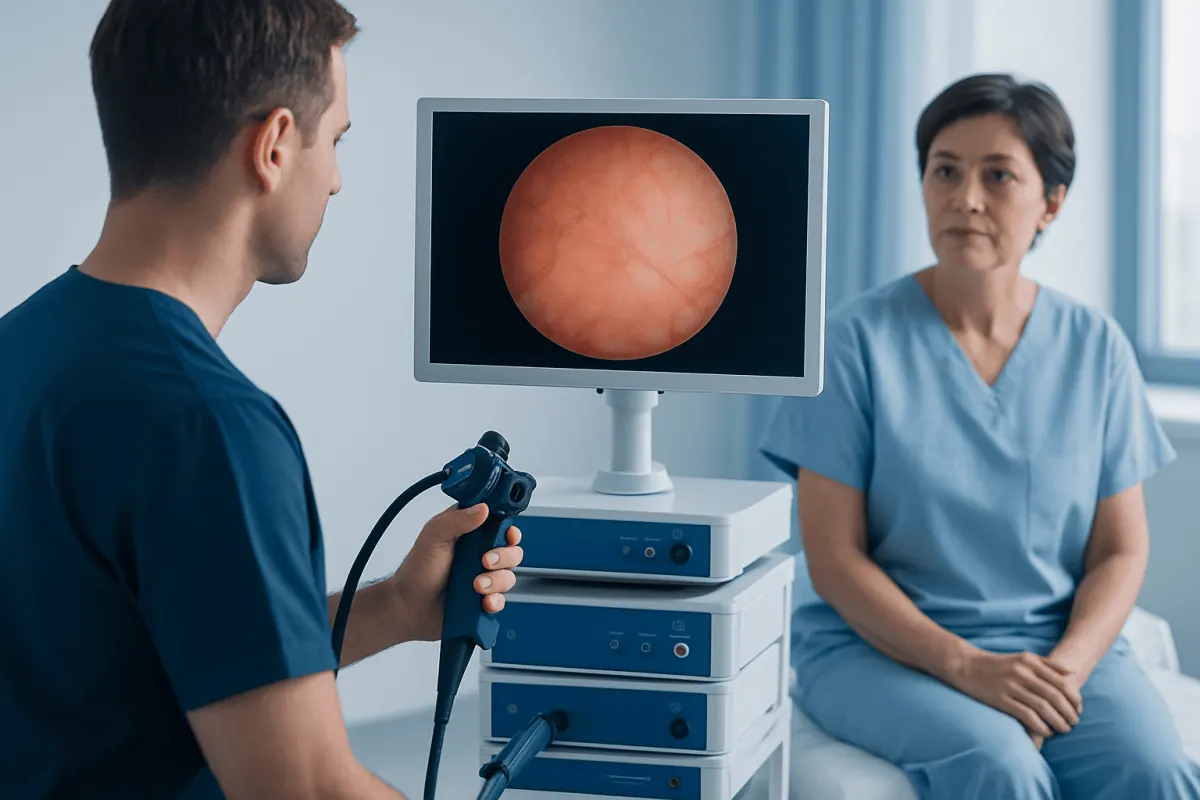
Bladder cancer treatment is tailored to whether the cancer is confined to the bladder lining, has grown into the bladder muscle, or has spread elsewhere. Care commonly combines accurate staging, procedures to remove tumors, medicines delivered into the bladder or bloodstream, and long-term follow-up to detect recurrence early.
Bladder Cancer Treatment: How Care Is Planned
Bladder cancer treatment begins with confirming the diagnosis and determining how deeply the cancer has grown. Some tumors are limited to the inner lining of the bladder, while others invade the bladder muscle or have spread to lymph nodes or distant organs. This distinction has a major effect on the recommended approach and outlook.
A urologist and cancer team consider the tumor’s stage, grade, number, size, location, and whether it has returned after earlier treatment. They also consider kidney function, other health conditions, previous therapies, and the person’s preferences. For many people, treatment is delivered in stages: removing visible tumors, reducing the chance of recurrence, and monitoring closely over time.
Most bladder cancers are urothelial carcinomas, which develop from cells lining the urinary tract. Other, less common bladder cancer types may need different treatment plans. A personalized discussion with an experienced multidisciplinary team helps patients understand the purpose, likely benefits, limitations, and possible side effects of each option.
Diagnosis and Staging of Bladder Cancer
Visible or microscopic blood in the urine is a common reason for bladder cancer evaluation, although it can also occur with infections, stones, enlarged prostate, or other conditions. Assessment may include a medical history, physical examination, urine analysis, urine cytology, and imaging such as a CT urogram. These tests help identify possible abnormalities in the bladder and urinary tract.
Cystoscopy is a key diagnostic examination. A clinician passes a narrow camera through the urethra to view the inside of the bladder. If an abnormal area is seen, a transurethral resection of bladder tumor (TURBT) is usually performed. This procedure removes tissue for laboratory examination and may also remove all visible tumor.
Pathology findings describe the cancer grade and how far it has invaded. Imaging of the chest, abdomen, and pelvis may be used to look for spread beyond the bladder. Staging is essential because non-muscle-invasive, muscle-invasive, and metastatic bladder cancers are treated differently.
- Non-muscle-invasive cancer: limited to the bladder lining or connective tissue beneath it.
- Muscle-invasive cancer: has grown into the bladder muscle.
- Metastatic cancer: has spread to distant lymph nodes, bones, lungs, liver, or other sites.
Treatment Options by Stage and Risk

For non-muscle-invasive bladder cancer, TURBT is commonly the first treatment. Depending on the risk of recurrence or progression, a clinician may recommend medication placed directly into the bladder, known as intravesical therapy. Intravesical chemotherapy may be used in selected situations, while intravesical immunotherapy can help reduce recurrence and progression in certain higher-risk cancers.
Muscle-invasive bladder cancer often requires treatment aimed at cure when feasible. A common approach is chemotherapy before surgery, followed by radical cystectomy, which removes the bladder and nearby tissues. Urinary diversion surgery creates a new route for urine to leave the body. For selected people, bladder-preserving trimodality therapy—maximal tumor removal followed by chemotherapy and radiation—may be an alternative to bladder removal.
For cancer that cannot be removed surgically or has spread, systemic treatment may include chemotherapy, immunotherapy, antibody-drug conjugates, targeted therapy, or combinations chosen according to prior treatment and tumor characteristics. Molecular testing may sometimes identify changes that help guide treatment choices. Bladder cancer treatment should be reviewed with a team that includes urology, medical oncology, radiation oncology, pathology, and supportive-care professionals.
Clinical trials may also be appropriate for some patients. They can provide access to carefully studied emerging treatments, but eligibility and potential benefits vary. Supportive measures, including symptom control, nutrition support, rehabilitation, and emotional care, remain important at every stage.
What Are the Treatment Options for Stage 1 Bladder Cancer?
Stage 1 bladder cancer has grown into the connective tissue beneath the bladder lining but has not reached the bladder muscle. It is generally considered non-muscle-invasive, but it can carry a meaningful risk of returning or progressing, particularly if it is high grade, large, multiple, or associated with carcinoma in situ.
Treatment usually starts with TURBT to remove the visible tumor and establish the diagnosis. A repeat TURBT may be advised when the first specimen does not include bladder muscle, when the tumor is high grade, or when there is concern that cancer may remain. This second procedure can improve staging accuracy and remove residual disease.
Many people with stage 1 disease receive intravesical treatment after surgery. The exact medicine and schedule depend on the person’s risk category and pathology results. In higher-risk disease, a clinician may discuss longer-term intravesical immunotherapy, more frequent surveillance, or, in selected circumstances, early bladder removal when the risk of progression is particularly high.
Follow-up usually includes cystoscopy at regular intervals because stage 1 bladder cancer may recur even after apparently complete removal. Patients should ask their clinician about their individual risk group, recommended monitoring schedule, and symptoms that warrant earlier review.
Why Does Bladder Cancer Keep Coming Back?
Bladder cancer has a recognized tendency to recur, especially non-muscle-invasive bladder cancer. This does not necessarily mean that treatment was ineffective or that a person did something wrong. The lining of the bladder and urinary tract can develop more than one cancer-prone area over time, and very small cancer cells may remain undetectable after an initial procedure.
Recurrence risk is influenced by tumor grade, stage, size, number of tumors, prior recurrences, and the presence of carcinoma in situ. Higher-risk tumors are more likely to come back or progress into the bladder muscle. Continued exposure to tobacco smoke can also increase the chance of bladder and urinary tract cancers developing again.
Regular surveillance is therefore a central part of care rather than a sign that treatment has failed. Cystoscopy, urine testing, and imaging when appropriate allow clinicians to identify recurrence early, when it may be easier to treat. Quitting smoking, attending all follow-up visits, and reporting new urinary symptoms promptly can support ongoing care.
How Fast Does Stage 4 Bladder Cancer Spread?
Stage 4 bladder cancer means the cancer has extended beyond the bladder into nearby structures, lymph nodes outside the pelvis, or distant organs. The speed at which it grows or spreads varies widely between individuals. It depends on the cancer’s biology, where it has spread, response to treatment, overall health, and whether it is receiving active therapy.
Some stage 4 cancers progress over weeks to months, while others may remain controlled for longer periods with effective systemic treatment. It is not possible to predict the pace accurately from stage alone. Scans, symptoms, laboratory results, and response assessments help the oncology team understand how the cancer is behaving over time.
People with stage 4 disease benefit from timely specialist review because treatment can often reduce cancer activity, relieve symptoms, and support quality of life. New or worsening pain, shortness of breath, marked fatigue, difficulty passing urine, leg swelling, or neurological symptoms should be reported promptly. The treating team can explain the likely course for the individual patient and adjust care as needed.
Can You Survive Bladder Cancer?
Yes. Many people survive bladder cancer, particularly when it is found before it has invaded the bladder muscle or spread to distant parts of the body. Outcomes vary substantially because bladder cancer includes tumors with very different behaviors. Stage, grade, response to treatment, age, general health, and tumor biology all influence prognosis.
For early-stage disease, treatment may remove the tumor completely, although follow-up is needed because recurrence can occur. Muscle-invasive disease may still be treated with curative intent using surgery, chemotherapy, radiation, or a combination of these approaches. For metastatic disease, treatments can often control the cancer and symptoms, and some people have durable responses, but care is individualized.
Survival statistics describe large groups and cannot predict one person’s outcome. A doctor can provide a more meaningful discussion after reviewing the pathology, scans, treatment response, and other health factors. Patients may find it helpful to bring a family member or write down questions for these conversations.
When to Seek Medical Care
Anyone who notices blood in the urine should arrange medical assessment, even if it happens only once or is painless. Other symptoms that deserve review include persistent burning or urgency when urinating without a clear infection, frequent urination, difficulty passing urine, pelvic discomfort, or repeated urinary tract symptoms. These symptoms are common and often have non-cancer causes, but they should not be ignored.
People already treated for bladder cancer should contact their clinical team if they develop new bleeding, fever with urinary symptoms, inability to urinate, increasing pelvic or back pain, unexplained weight loss, or a significant decline in wellbeing. Urgent care is appropriate for heavy bleeding with clots, inability to pass urine, severe pain, or symptoms of serious illness.
For international patients, Acıbadem Health Point’s multidisciplinary specialists and JCI-accredited hospitals provide evaluation and treatment planning for bladder cancer. A qualified clinician can review prior pathology, imaging, and treatment records to help clarify the next appropriate steps.
Frequently asked questions
01What is usually the first treatment for bladder cancer?
The first treatment is often a transurethral resection of bladder tumor, or TURBT. During this procedure, a urologist removes visible tumor tissue through the urethra and sends it to a laboratory for diagnosis and staging. Further treatment depends on the pathology results and the person’s risk of recurrence or progression.
02Is bladder removal always needed for bladder cancer?
No. Many non-muscle-invasive bladder cancers can be managed without removing the bladder, using TURBT and intravesical treatment with close follow-up. Bladder removal may be recommended for muscle-invasive cancer, very high-risk non-muscle-invasive disease, or cancer that continues or returns despite appropriate bladder-preserving therapy.
03Can bladder cancer be treated without surgery?
A procedure to remove or biopsy the tumor is usually important for diagnosis and local control. Some people with muscle-invasive cancer may be candidates for a bladder-preserving approach using tumor resection, chemotherapy, and radiation. Whether this is suitable depends on the tumor, bladder function, overall health, and ability to attend close follow-up.
04What follow-up is needed after bladder cancer treatment?
Follow-up often includes cystoscopy, urine tests, and sometimes imaging studies. The schedule depends on the tumor’s stage, grade, and risk category, with higher-risk cancers generally monitored more often. Regular follow-up is important because recurrence can occur even after successful initial treatment.
05Does smoking affect bladder cancer treatment and recurrence?
Smoking is a major risk factor for bladder cancer and can contribute to future tumors in the bladder and urinary tract. Stopping smoking is beneficial at any point and may support recovery and overall health during treatment. A clinician can recommend practical smoking-cessation support.
06What questions should a patient ask before choosing bladder cancer treatment?
Useful questions include the cancer’s stage and grade, the goal of treatment, available alternatives, likely benefits and side effects, and how treatment may affect urinary and sexual function. Patients can also ask about follow-up needs, clinical trials, and whether a second pathology or specialist opinion would be useful. Decisions are best made after an individualized discussion with the treating team.
This article is for general information only and is not a substitute for professional medical advice. Please consult a qualified doctor about your individual situation.
Oncology care in Turkey — second opinion and treatment plan
JCI-accredited · board-certified surgeons · reply within 24h
Add us as a Preferred Source to see more of our trusted health content across Google Search, AI Overviews and Discover.