Lump: Is It Cancer? Diagnosis, Outlook and Care
Most lumps are caused by non-cancerous conditions such as cysts, infections, fatty tissue growths, or normal tissue changes. However, a lump that is new, persistent, enlarging, or otherwise unusual should be assessed by a qualified clinician, who may recommend imaging or a biopsy.
Lump: is it cancer?
A lump is usually not cancer. Common non-cancerous causes include swollen lymph nodes during an infection, cysts, lipomas (benign fatty growths), skin conditions, benign breast changes, and muscle or soft-tissue injuries. Still, it is not possible to tell with certainty whether a lump is cancer simply by looking at it or feeling it.
A new lump, one that does not go away, or one that is getting larger should be checked by a doctor. The evaluation may be straightforward and reassuring, but timely assessment is important because early diagnosis can clarify the cause and, if cancer is found, help guide appropriate treatment.
The meaning of a lump also depends on its location. A breast, neck, testicular, skin, abdominal, or soft-tissue lump may require different examinations and tests. A clinician considers the lump together with symptoms, medical history, age, family history, and any relevant risk factors.
Features of a lump that deserve assessment
Many benign lumps are soft, mobile beneath the skin, slow-growing, or linked to a clear cause such as an infection or injury. These features can be reassuring, but they do not replace a medical examination. Some harmless lumps can feel firm, while some cancers may not cause pain or other obvious symptoms at first.
A clinician should assess a lump that persists for more than a few weeks, grows, feels hard or fixed to nearby tissue, or returns after seeming to improve. Other important features include unexplained weight loss, persistent fever, night sweats, unusual tiredness, changes in the skin over a lump, bleeding, nipple discharge, swallowing difficulty, or changes in bowel or bladder habits.
- Breast lumps may be accompanied by skin dimpling, nipple changes, or discharge.
- Neck lumps can occur with infection but need review if they persist, especially in adults.
- Testicular lumps, swelling, heaviness, or a change in size should be assessed promptly.
- Skin lesions that change in size, shape, color, or that bleed repeatedly should be examined.
- Deep soft-tissue lumps that are enlarging or painful require medical assessment.
Pain is not a reliable way to distinguish a benign lump from cancer. A painless lump can be harmless, and a painful lump can be due to infection, inflammation, or another non-cancerous cause.
How doctors diagnose the cause of a lump
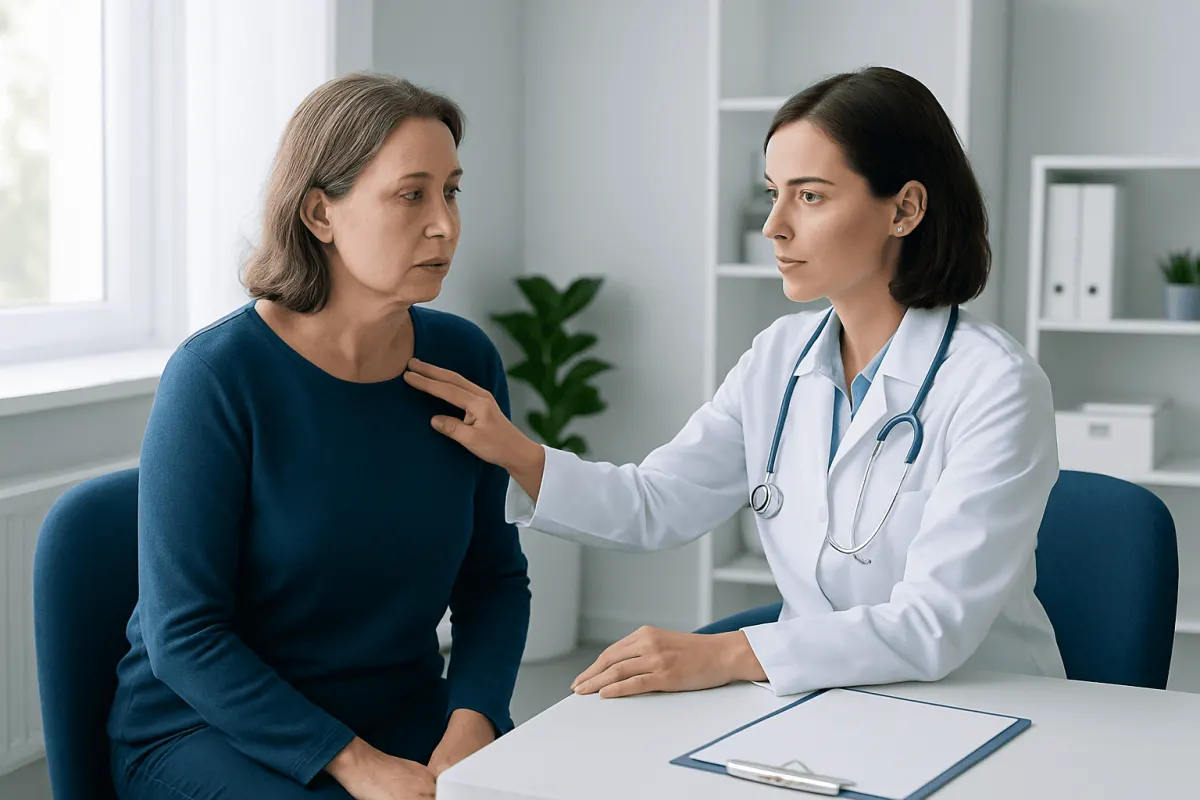
Diagnosis begins with a focused history and physical examination. The clinician may ask when the lump was first noticed, whether it has changed, whether there is pain or infection, and whether there is a personal or family history of cancer. They will assess the lump’s size, texture, mobility, location, and relationship to surrounding structures.
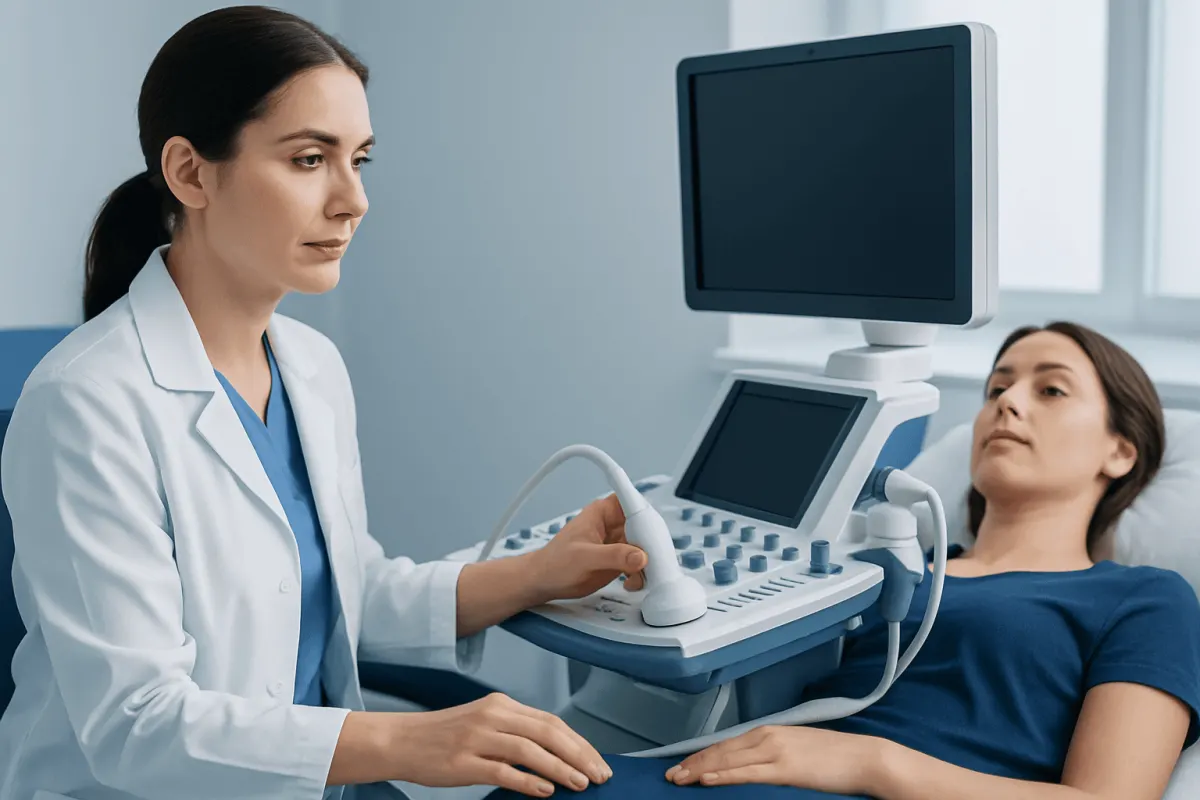
Imaging may be used to examine a lump in more detail. Ultrasound is often useful for distinguishing fluid-filled cysts from solid masses and is commonly used for breast, neck, thyroid, testicular, and superficial soft-tissue concerns. Mammography, X-ray, CT, MRI, or PET imaging may be appropriate in selected situations, depending on the body area and initial findings.
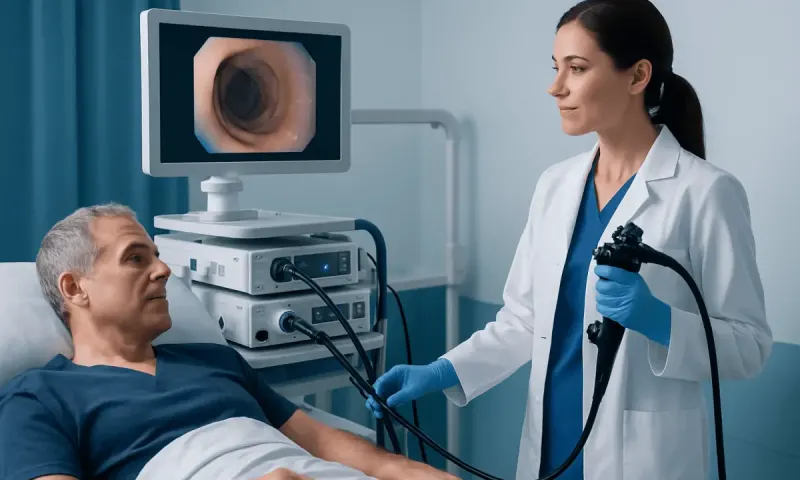
If a lump appears suspicious or its cause remains uncertain, a biopsy may be recommended. During a biopsy, a small sample of cells or tissue is examined by a pathologist. This is the most reliable way to confirm or rule out many cancers and can also identify the cancer type, grade, and biological features that help shape treatment decisions.
When cancer is diagnosed, further tests may determine its stage, meaning the size of the primary tumour and whether it has spread. Staging is important for discussing prognosis and selecting treatment, but it is only one part of an individual’s overall clinical picture.
What are the modern treatment options for cancer?
Modern cancer care is tailored to the specific cancer type and the individual. Treatment planning considers where the cancer began, its stage, pathology findings, molecular or biomarker test results, overall health, symptoms, and personal treatment goals. A multidisciplinary team may include medical oncologists, surgeons, radiation oncologists, radiologists, pathologists, specialist nurses, and supportive-care professionals.
Common treatment approaches include surgery to remove a tumour, radiotherapy to target cancer cells with carefully planned radiation, and systemic treatments that travel through the bloodstream. Systemic treatment may include chemotherapy, hormone therapy for hormone-sensitive cancers, targeted therapy aimed at specific cancer-related changes, immunotherapy that helps the immune system recognize cancer, or combinations of these options.
Some cancers are treated with one main approach, while others benefit from treatments given in sequence or together. For example, treatment may be given before surgery to shrink a tumour, after surgery to lower the chance of recurrence, or to control cancer that has spread. Clinical trials may also be an option for eligible people and can provide access to carefully studied new approaches.
Supportive and palliative care are important throughout treatment, not only at the end of life. They can help manage pain, nausea, fatigue, appetite changes, emotional distress, and practical concerns, while supporting quality of life alongside cancer-directed treatment.
What are the treatment options for lump cancer?
There is no single treatment called “lump cancer,” because a lump can arise from many different tissues and body sites. If testing confirms cancer, the treatment depends on the diagnosis: for example, breast cancer, lymphoma, thyroid cancer, testicular cancer, skin cancer, sarcoma, or cancer that has spread to a lymph node may all present as a lump but require different care plans.
For a localized cancerous lump, surgery may be used to remove the tumour and, when appropriate, nearby lymph nodes. Radiotherapy may be used after surgery, before surgery, instead of surgery in certain circumstances, or to relieve symptoms. Some tumours also require medicines before or after local treatment to reduce the risk of recurrence or treat disease elsewhere in the body.
For cancers that have spread or cannot be removed safely, systemic treatment is often central to care. Biomarker testing can sometimes identify whether a targeted therapy, hormone therapy, or immunotherapy is suitable. The pathology report and imaging results help the care team recommend the most appropriate option rather than basing decisions only on the presence of a lump.
Acıbadem Health Point’s multidisciplinary specialists and JCI-accredited hospitals support international patients needing diagnostic assessment and cancer treatment planning. A second opinion can be particularly helpful when pathology findings are complex, treatment choices are uncertain, or a person wishes to discuss whether additional testing may affect their options.
How to cope with a stage 4 cancer diagnosis?
A stage 4 Prostate Cancer Diagnosis: Tests and Next Steps" class="ahp-ilk">cancer diagnosis can be emotionally overwhelming. Stage 4 generally means that cancer has spread from its original site to distant parts of the body, but it does not describe every person’s outlook or determine exactly how they will respond to treatment. Some advanced cancers can be controlled for substantial periods, and treatment may reduce symptoms, slow growth, or help people maintain daily activities.
It can help to ask the cancer team to explain the diagnosis in clear terms: where the cancer has spread, what treatment is recommended, what the goals of treatment are, and how response will be monitored. Many people find it useful to bring a trusted relative or friend to appointments, write down questions, and request copies of pathology and imaging reports.
Emotional and practical support matters. Oncology social workers, psychologists, counselors, palliative-care specialists, faith leaders, support groups, and patient organizations may help people and families cope with uncertainty, communication challenges, treatment effects, and planning. Seeking support is not a sign of giving up; it is part of comprehensive cancer care.
People may also wish to discuss advance care planning, work and family responsibilities, nutrition, sleep, pain control, and financial or travel concerns with their healthcare team. Decisions can be revisited as circumstances change, and patients can ask for a second opinion at any point.
How long can you live with stage 4 cancer untreated?
There is no single answer. Survival with untreated stage 4 cancer varies greatly according to the cancer type, how quickly it grows, where it has spread, tumour biology, symptoms, other health conditions, and the person’s individual circumstances. For some rapidly progressing cancers, health can deteriorate over weeks or months; for others, the course may be longer and less predictable.
Population survival statistics cannot accurately predict what will happen for one person. They may be based on people diagnosed years earlier, before newer treatments were widely available, and they do not reflect individual treatment response, molecular testing results, or supportive care needs.
If a person is considering no cancer-directed treatment, it is important to have an open conversation with an oncology team and palliative-care professionals. They can explain likely changes, address symptoms early, and help align care with the person’s values and priorities. Comfort-focused care can include treatment for pain, breathlessness, nausea, anxiety, fatigue, and other symptoms.
When to seek medical care
Medical care should be sought promptly for any new, unexplained, or persistent lump. An urgent appointment is especially appropriate if the lump is enlarging, hard, fixed, associated with skin or nipple changes, located in a testicle, or accompanied by unexplained systemic symptoms such as ongoing weight loss, drenching night sweats, or persistent fever.
Immediate medical attention is needed if a lump is associated with trouble breathing or swallowing, sudden severe pain, significant bleeding, confusion, weakness on one side of the body, or other severe symptoms. These symptoms may have causes other than cancer but should not be ignored.
Until the appointment, it is sensible to note when the lump was first observed and whether it has changed. Avoid repeatedly squeezing, massaging, or trying to drain it, as this can irritate the area and does not establish a diagnosis. A clinician can advise whether observation, imaging, referral, or biopsy is appropriate.
Frequently asked questions
01Can a doctor tell if a lump is cancer by feeling it?
A physical examination can identify features that need further investigation, but touch alone cannot reliably confirm whether a lump is cancerous. Imaging and, when appropriate, a biopsy provide more definitive information.
02Are cancer lumps usually painful?
Cancerous lumps are often painless, particularly early on, but this is not always the case. Pain can occur with cancer and with many benign conditions, so it should not be used as the only sign of concern.
03How long should a lump be present before seeing a doctor?
A new lump that lasts more than a few weeks, becomes larger, or has no clear explanation should be assessed. Some locations, including the breast and testicle, warrant prompt medical review even if the lump was noticed recently.
04Does a biopsy make cancer spread?
Biopsies are standard diagnostic procedures and are carefully planned to obtain tissue safely. The risk of a biopsy causing cancer to spread is considered extremely low, while the information from biopsy is often essential for accurate treatment planning.
05Can stage 4 cancer be treated?
Yes. Although stage 4 cancer is often not considered curable, many people receive treatment to slow or control cancer, reduce symptoms, and preserve quality of life. Available options depend on the cancer type and its biological characteristics.
06Should a person get a second opinion after a cancer diagnosis?
A second opinion can be useful, especially for uncommon cancers, complex treatment plans, or when major surgery is being considered. It may confirm the recommended plan or identify additional tests, clinical trials, or treatment approaches to discuss with the treating team.
This article is for general information only and is not a substitute for professional medical advice. Please consult a qualified doctor about your individual situation.
Medical weight-loss options in Turkey — costs & eligibility
JCI-accredited · board-certified surgeons · reply within 24h
Add us as a Preferred Source to see more of our trusted health content across Google Search, AI Overviews and Discover.