Best LLLT Device for Hair Loss: What to Look For
The best LLLT device for hair loss is not necessarily the most powerful-looking option; it is an FDA-cleared device that fits the person’s type of hair loss, covers the needed scalp area, and can be used consistently as directed. Low-level laser therapy may help some people with pattern hair loss, but it does not replace a medical assessment or proven treatments when these are appropriate.
Overview: Choosing an LLLT Device Safely
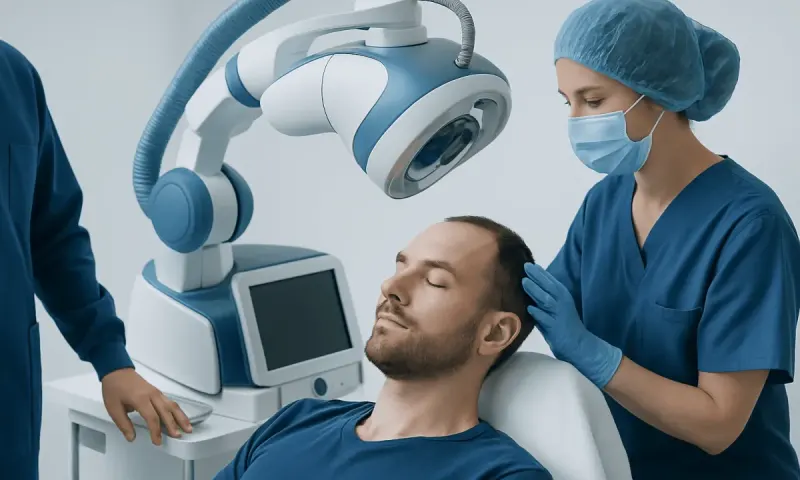
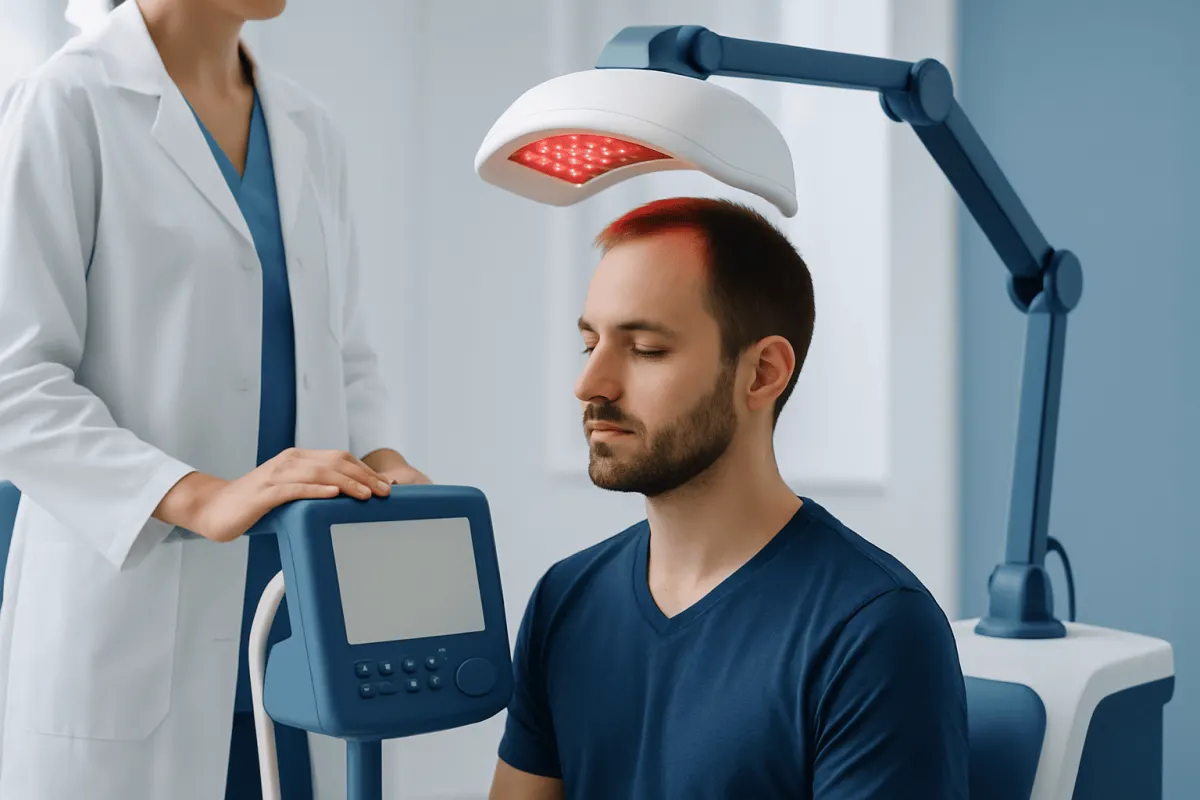
The best LLLT device for hair loss is usually an FDA-cleared low-level laser therapy device that a person can use consistently and that is appropriate for their diagnosed cause of shedding or thinning. Caps, helmets, bands and combs use red light or near-infrared light at low intensity. They are designed to deliver light to the scalp without heating or damaging tissue.
LLLT is most often considered for androgenetic alopecia, commonly called male- or female-pattern hair loss. In this condition, follicles gradually produce finer, shorter hairs. Light-based treatment may support follicle activity and improve the appearance of density for some users, particularly when used over months and alongside a clinician-guided hair-loss plan.
It is important to have realistic expectations. Home laser devices do not create an instant change, restore every inactive follicle, or address all causes of hair loss. They are usually a supportive option, and response varies according to the underlying diagnosis, degree and duration of thinning, genetics, overall health, and regular use.
How Low-Level Laser Therapy May Help Hair Growth
Low-level laser therapy is also called photobiomodulation. Although research is still developing, low-intensity red light is thought to influence cellular energy processes and signaling in the hair follicle. This may help support follicles in the growth phase of the hair cycle and reduce the progression of miniaturization in some people with pattern hair loss.
Clinical studies of cleared laser devices suggest that some users with androgenetic alopecia experience improved hair counts or perceived fullness compared with baseline. However, study designs, devices and treatment schedules vary. A result seen with one device cannot automatically be assumed for another product that uses similar language in advertising.
Visible improvement, if it occurs, commonly takes several months. Continued use may be needed to maintain benefit. If treatment is stopped, hair loss related to the underlying condition may continue. A dermatologist can explain whether LLLT is reasonable alone or as part of a broader plan for androgenetic alopecia.
What are the best low-level laser therapy devices for hair loss?
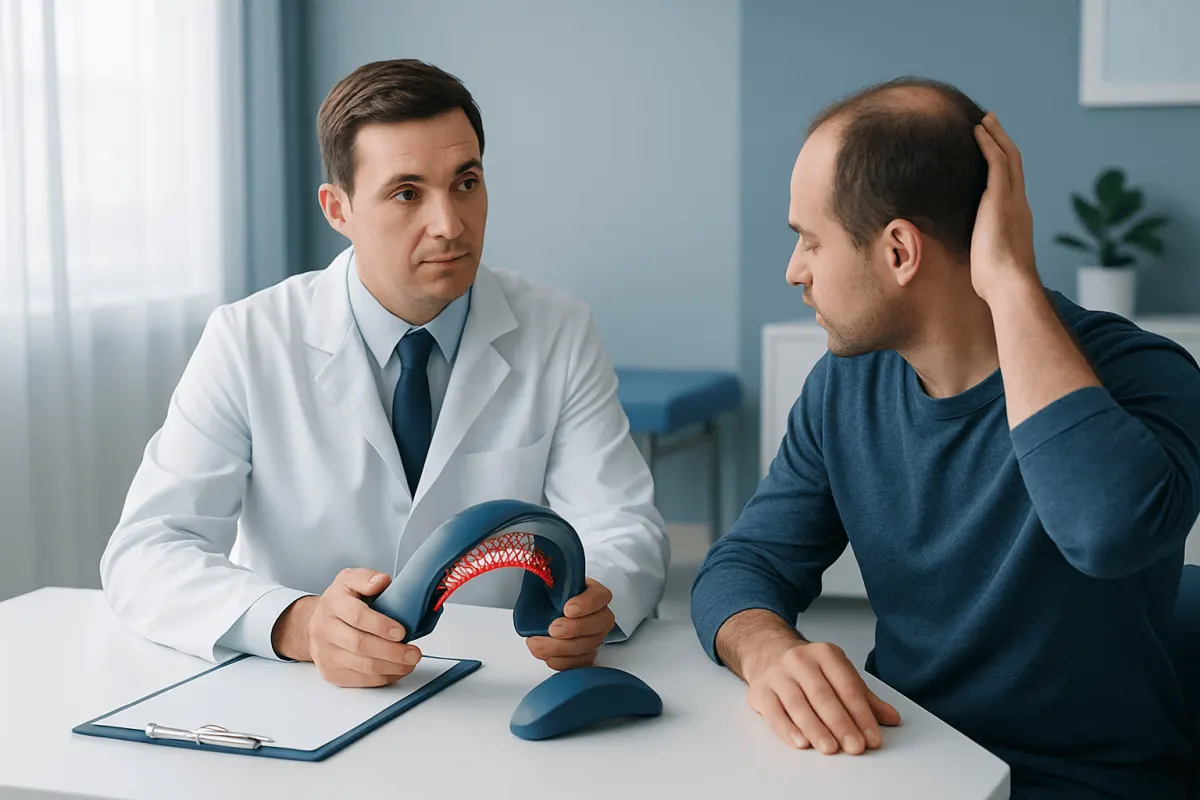
There is no single best low-level laser therapy device for hair loss for every person. The most suitable device depends on the diagnosis, the area of thinning, hair length and thickness, ability to follow the schedule, scalp sensitivity, budget considerations, and advice from a qualified clinician. Product selection should be based on evidence and safety rather than celebrity endorsements or marketing claims.
For broad thinning across the crown, mid-scalp or top of the head, a cap or helmet may be practical because it can cover a larger area without repeated manual movement. A band may be lighter and easier to store, but coverage can be more limited. A laser comb may be useful for targeted areas and may allow the user to part the hair, though it requires more active and consistent technique.
When comparing options, people can ask whether the exact model is FDA-cleared for hair growth, what treatment schedule is recommended, which wavelengths and light sources are used, whether the device includes eye-safety guidance, and what evidence supports that specific model. A manufacturer’s instructions should state who should not use the device and how to contact customer support if a problem occurs.
- Choose a device cleared for its intended use rather than relying on general “red light” claims.
- Check whether the design reaches the areas of concern through the hair.
- Prefer transparent instructions, contraindications and warranty information.
- Discuss use with a dermatologist if there is a scalp disorder, photosensitivity, medication use, pregnancy, or uncertainty about the cause of loss.
How to Evaluate Reviews, Claims and Device Comparisons
Best LLLT device for hair loss reviews can be useful for learning about fit, charging, noise, comfort and ease of use. They are much less reliable for judging medical effectiveness. Photos may use different lighting, styling, hair color, treatment combinations or time frames, and reviews usually do not confirm the person’s diagnosis.
Online conversations, including searches for the best LLLT device for hair loss Reddit recommendations, can also overrepresent unusually positive or negative experiences. Rather than treating a popular device as automatically superior, it is safer to compare verified regulatory status, coverage, treatment burden and published information about the exact model.
People should be cautious about promises of permanent regrowth, rapid transformation, or effectiveness for every type of hair loss. Diffuse shedding after illness, nutritional deficiencies, thyroid disease, autoimmune hair loss, scalp infection, traction and scarring disorders need different evaluation and treatment. Delaying diagnosis while testing devices may allow a treatable problem to progress.
Photographs taken before starting treatment can help track change more objectively. Images should be taken every few months under similar lighting, hairstyle and camera angle. A clinician may also examine the scalp and use dermoscopy to monitor follicle changes.
Which is better, iRestore or Capillus?
Neither iRestore nor Capillus is universally better. Both brands offer light-based hair devices, but their models differ in shape, coverage, session duration, features and instructions. The more appropriate option is the model that has suitable regulatory clearance, reaches the person’s affected scalp areas, is comfortable enough for regular use, and fits the clinician’s recommendations.
A direct comparison should be made model by model rather than brand by brand. Product lines can change over time, and different models may have different designs or evidence. Prospective users should review the exact product’s current FDA clearance information, instructions for use, safety guidance, return terms and the manufacturer’s support materials.
For some people, the main practical difference is adherence: a person may be more likely to use a lightweight cap than a device requiring hair parting and manual movement. Others may prefer a smaller device for a localized area. A dermatologist can help decide whether a light device is likely to add meaningful benefit alongside established options such as medical hair-loss treatment.
What did Matthew McConaughey use to stop hair loss?
Public statements and media reports about Matthew McConaughey’s hair routine have varied, and there is no independently verified medical record showing exactly what stopped or reversed hair loss. Celebrity accounts are personal anecdotes, not clinical evidence. They cannot establish that a product will work for another person or confirm the type of hair loss being treated.
Hair appearance can change for many reasons, including hairstyle, color, styling fibers, lighting, grooming, natural variation, medications and professional treatments. Some people also use more than one approach at the same time. For this reason, it is not medically sound to select an LLLT device based on a celebrity’s reported routine.
Anyone concerned about thinning should focus on diagnosis and evidence-based choices. A consultation can determine whether hair changes fit pattern hair loss or another condition and whether treatments such as topical medication, oral medication when appropriate, LLLT, or hair transplant surgery may be considered.
What did Elon Musk use to regrow his hair?
There is no confirmed public medical information about Elon Musk’s specific hair treatment. Observers have speculated about possible procedures based on changes in his appearance over time, but speculation is not a reliable source of health information. It should not be used to diagnose a person or to recommend a treatment.
When a person has significant pattern hair loss, a hair transplant may be one option after a specialist assessment, but it is not the only option and is not suitable for everyone. A transplant redistributes follicles from a donor area to areas of thinning; it does not stop ongoing hair loss in untreated native hairs.
Long-term planning matters because pattern hair loss can continue. A dermatologist or hair-restoration specialist may discuss medical treatment, LLLT, surgery, or a combination according to scalp examination, donor hair availability, goals and future hair-loss risk. Decisions should be individualized rather than based on public figures.
Safe Use, Self-Care and When to Seek Medical Care
Before starting an LLLT device, users should read the instructions carefully and follow the recommended schedule. More frequent or longer treatment is not necessarily more effective. The device should not be used on an irritated, infected, bleeding or severely sunburned scalp unless a clinician specifically advises otherwise.
People should ask a doctor before using light therapy if they have a condition associated with light sensitivity, take medicines that increase photosensitivity, have a history of scalp cancer, or are unsure about a scalp lesion. Any eye-safety instructions should be followed. Mild scalp warmth or temporary irritation may occur, but discomfort, rash, headache, eye symptoms or worsening scalp changes should prompt discontinuation and medical advice.
When to seek medical care: Medical evaluation is important for sudden or rapid shedding, distinct bald patches, itching, scaling, pain, pustules, scarring, broken hairs, or hair loss accompanied by fatigue, weight change or other new symptoms. It is also advisable when thinning starts in childhood, follows a new medication, or causes significant emotional distress.
Acıbadem Health Point’s multidisciplinary specialists and JCI-accredited hospitals can assess hair and scalp concerns and discuss appropriate treatment options for international patients. A timely dermatology assessment helps ensure that a device is used as part of a safe plan rather than in place of diagnosis.
Frequently asked questions
01Do LLLT devices work for hair loss?
LLLT devices may help some adults with androgenetic alopecia improve hair density or reduce the appearance of thinning over time. Results vary, and they are not equally effective for all causes of hair loss. A dermatology assessment can help determine whether LLLT is appropriate.
02How long does it take to see results from a laser cap or comb?
If a person responds, changes are usually gradual and may take several months of regular use. Early changes may be less shedding or improved hair quality, while visible density changes can take longer. Progress should be assessed with consistent photographs and clinical follow-up when possible.
03Is FDA clearance the same as proof that a device will regrow hair?
No. FDA clearance indicates that a device has met applicable regulatory requirements for its intended use, often through comparison with another legally marketed device. It does not guarantee an individual result or mean that every marketing claim has equal strength.
04Can LLLT be used with minoxidil or other hair-loss treatments?
LLLT is sometimes used alongside other treatments for pattern hair loss. Whether a combination is suitable depends on the person’s diagnosis, medical history, medicines and scalp condition. A doctor or dermatologist should guide combined treatment.
05Are laser devices for hair loss safe?
Cleared devices used according to their instructions are generally designed for home use, but they may not be appropriate for everyone. People with photosensitivity, certain scalp conditions, suspicious lesions, or medication-related light sensitivity should seek medical advice before starting. Users should stop treatment and seek advice if they develop concerning symptoms.
06Should a person buy a laser cap based on Reddit reviews?
Online reviews can offer practical information about comfort and usability, but they cannot replace evidence about effectiveness or professional diagnosis. Individual results may reflect different types of hair loss, other treatments and inconsistent photography. It is safer to use reviews as one small part of a decision and prioritize medical guidance and regulatory information.
This article is for general information only and is not a substitute for professional medical advice. Please consult a qualified doctor about your individual situation.
Hair transplant in Turkey — costs, graft counts & a free assessment
JCI-accredited · board-certified surgeons · reply within 24h
Add us as a Preferred Source to see more of our trusted health content across Google Search, AI Overviews and Discover.