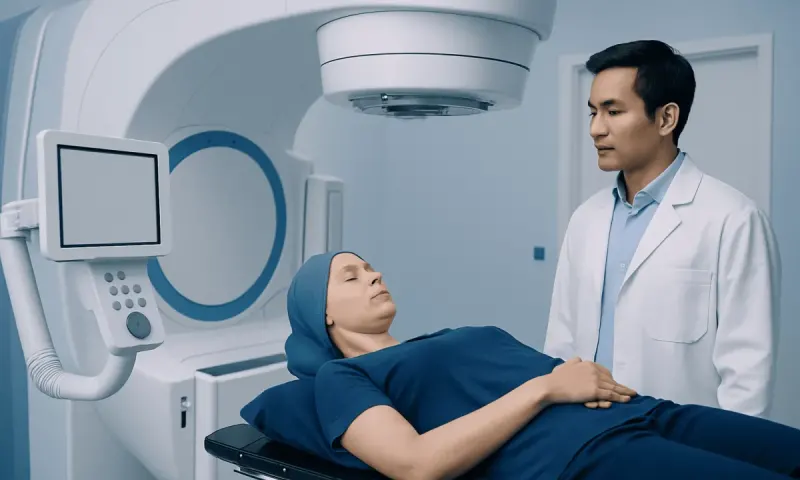
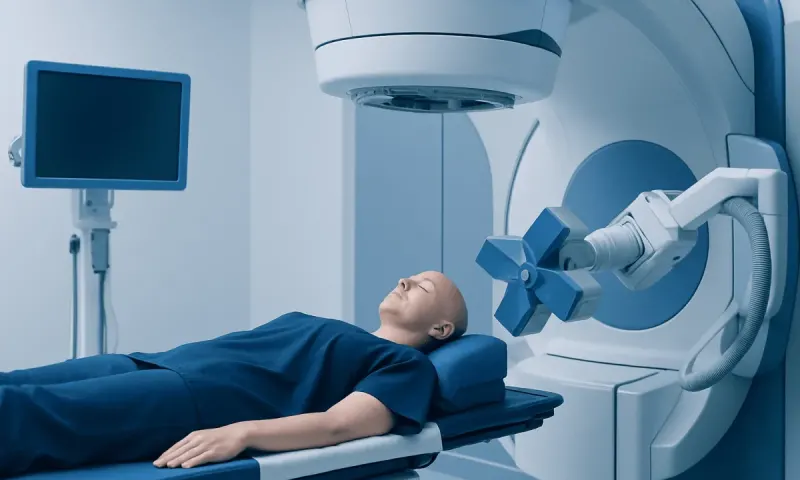
Best Hospitals for Lung Cancer: Choosing Specialized Care
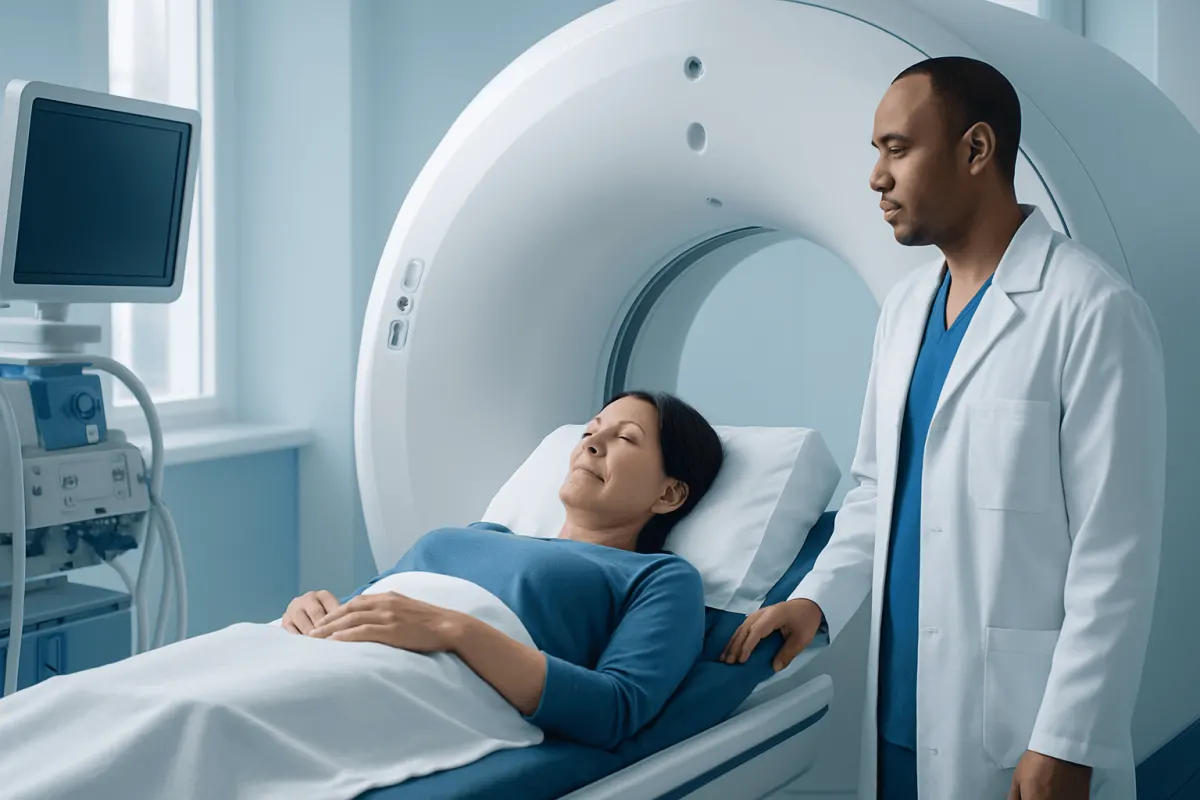
The best hospitals for lung cancer are those that can accurately diagnose and stage the disease, offer all appropriate cancer Treatment Options: Surgery, Chemo, Radiation & Beyond" class="ahp-ilk">treatment options, and coordinate care through an experienced multidisciplinary team. Rather than relying on a single ranking, patients can compare expertise, access to clinical trials, supportive services, communication and practical travel needs.
Overview: How to Choose the Best Hospitals for Lung Cancer
The best hospitals for lung cancer are not defined by a single name or ranking. A suitable center should be able to confirm the diagnosis, determine the exact cancer type and stage, review tumor biomarkers, and offer coordinated treatment from relevant specialists. This approach helps ensure that surgery, radiation therapy, medicines and supportive care are considered in the right sequence for the individual.
When comparing best hospitals for lung cancer treatment, patients and families can start by asking whether the hospital has a dedicated thoracic oncology program. Ideally, care is planned by a multidisciplinary team that includes pulmonologists, thoracic surgeons, medical oncologists, radiation oncologists, radiologists, pathologists, specialist nurses and palliative care professionals. Nutrition, rehabilitation, mental health and smoking-cessation support can also make an important difference during treatment.
Lung cancer is not one disease. The two main groups are non-small cell lung cancer and small cell lung cancer, and each includes subtypes with different behavior and treatment options. A center experienced in lung cancer should be prepared to individualize care based on imaging, tissue findings, genetic or molecular testing, general health and personal goals.
What to Look for in a Lung Cancer Hospital
A hospital should have experience across the full pathway of lung cancer care, from evaluation of a suspicious lung nodule to long-term follow-up. Accurate staging is essential because it shows whether cancer is limited to the lung, has reached nearby lymph nodes, or has spread elsewhere. Staging may involve high-quality imaging, biopsy procedures and, when appropriate, specialized assessments of the mediastinal lymph nodes.
Patients may wish to ask whether their case will be discussed at a multidisciplinary tumor board. At these meetings, specialists review scans, pathology and clinical circumstances together. This can be particularly valuable when several approaches are possible, such as surgery followed by additional therapy, radiation combined with systemic treatment, or drug treatment before surgery.
Useful questions when evaluating a hospital include:
- Is there a dedicated thoracic oncology or lung cancer team?
- Can the team provide minimally invasive diagnostic and surgical options when suitable?
- Does the pathology service perform or arrange comprehensive biomarker testing?
- Are radiation techniques, systemic therapies, symptom management and rehabilitation available in one coordinated setting?
- Can the hospital explain the expected benefits, limitations and likely side effects of each option clearly?
- Are second opinions and clinical trial discussions welcomed?
For people traveling for care, practical factors matter as well. These include how records are reviewed before travel, the expected duration of assessment and treatment, language support, access to urgent care, follow-up arrangements and coordination with a local doctor after returning home.
Which Hospital in the US Is the Best for Treating Lung Cancer?

There is no single hospital in the United States that is best for every person with lung cancer. National rankings and cancer-center designations can help identify established programs, but they do not determine which team is the best match for a particular diagnosis. The most appropriate hospital may be a major academic cancer center, a specialized regional program or a local hospital working closely with an expert referral center.
When people search for the best hospitals for lung cancer in the US, it is reasonable to compare programs using consistent criteria: depth of thoracic oncology expertise, access to experienced surgeons and radiation specialists, availability of molecular testing, participation in research, supportive care and ease of communication. A person with early-stage disease who may benefit from surgery may prioritize thoracic surgical expertise, while someone with advanced disease may prioritize molecular oncology, access to systemic therapies and clinical trials.
It can also be helpful to obtain a second opinion from a center with substantial experience in the specific cancer type and stage. This does not mean the first recommendation is wrong. It can confirm the plan, identify another reasonable option or clarify why one treatment approach is preferred. The patient should bring pathology slides or reports, imaging files, biopsy results, prior treatments and a current medication list when possible.
Where Is the Best Place to Be Treated for Lung Cancer?
The best place to be treated for lung cancer is a center that can provide timely, evidence-based and coordinated care while remaining realistic and manageable for the patient. For some people, this is a nearby hospital with a dedicated cancer service. For others, particularly when the diagnosis is rare, advanced or complex, consultation at a specialized referral center may be useful before treatment begins.
People comparing the best hospitals for lung cancer in the world should look beyond reputation alone. Important features include a multidisciplinary team, modern diagnostic pathology, access to thoracic surgery and radiation oncology, systemic treatments such as chemotherapy, immunotherapy and targeted therapy when indicated, and a clear plan for follow-up. The team should also explain whether care can be safely delivered close to home after an initial expert opinion.
Location should not be viewed as a measure of quality by itself. Frequent travel can be difficult during treatment, especially if daily radiation sessions, repeated infusions or recovery after surgery are needed. A high-quality plan often combines specialist input with practical local support, enabling patients to receive the right treatment without unnecessary disruption.
Acıbadem Health Point’s multidisciplinary specialists and JCI-accredited hospitals assess and treat lung cancer for international patients, with care planning that considers both clinical needs and continuity of follow-up.
What Do Oncologists Not Tell You?
Most oncologists aim to explain the diagnosis and treatment recommendations clearly, but appointments can be emotionally demanding and time is often limited. Patients may not realize that it is appropriate to ask for information to be repeated, to request written summaries, to bring a trusted relative or friend, and to ask what is uncertain as well as what is known. Clear communication is a central part of safe cancer care.
Some important topics may need to be raised directly. These include the goal of treatment, whether it is intended to cure the cancer or control it, the expected benefits and possible harms, alternatives to the recommended plan, and what may happen if treatment is delayed or declined. Patients can also ask how treatment may affect breathing, fatigue, appetite, work, fertility, sexuality, independence and quality of life.
Another essential point is that treatment decisions can change as new results become available. Molecular testing may identify a targetable change in some non-small cell lung cancers, and response to treatment may guide later choices. Supportive and palliative care can be offered at any stage to help relieve symptoms and support quality of life; it is not limited to end-of-life care. Immunotherapy and other systemic treatments are selected only when the cancer characteristics and a person’s health situation support their use.
What Is the Hardest Lung Cancer to Cure?
In general, lung cancers that have spread to distant parts of the body are the hardest to cure, regardless of subtype. At this stage, treatment often focuses on controlling cancer, extending life where possible and maintaining quality of life. Outcomes vary widely because they depend on the cancer type, extent of spread, tumor biology, response to treatment and the person’s overall health.
Small cell lung cancer is often considered especially challenging because it tends to grow and spread quickly. It can respond well initially to chemotherapy and radiation in many cases, but it has a higher tendency to return than some early-stage non-small cell lung cancers. Limited-stage small cell lung cancer may still be treated with an intensive approach that aims for long-term control or cure in selected patients.
Early-stage non-small cell lung cancer is more often potentially curable with surgery, radiation or a combination of treatments. However, no cancer type can be predicted by stage alone. Detailed pathology, biomarker testing and careful staging help the team choose an appropriate strategy, including lung cancer surgery when the disease can be removed safely and surgery is suitable for the patient.
When to Seek Medical Care
A person should arrange medical assessment for a cough that persists or changes, coughing up blood, unexplained shortness of breath, chest pain, recurrent chest infections, unexplained weight loss, ongoing fatigue or new hoarseness. These symptoms are common and can have causes other than lung cancer, but they deserve evaluation, especially in people who smoke or have smoked, have a family history of lung cancer, or have had occupational exposure to substances such as asbestos.
Urgent medical attention is needed for severe or rapidly worsening breathlessness, significant coughing up of blood, severe chest pain, fainting, confusion or new weakness. These symptoms can have several possible causes and should not be self-managed.
People at elevated risk may also discuss lung cancer screening with a qualified clinician. In some countries, annual low-dose CT screening is recommended for eligible adults based on age and smoking history. Screening recommendations differ by country and personal circumstances, so an individual clinician can advise whether it is appropriate.
Frequently asked questions
01How can a patient compare hospitals for lung cancer treatment?
Patients can compare whether hospitals have a dedicated thoracic oncology team, comprehensive diagnostic testing, experienced specialists and coordinated supportive care. It is also useful to ask how cases are reviewed, whether second opinions are available and how follow-up will be managed. Practical considerations, including travel, language support and access to urgent care, should be part of the decision.
02Should a person get a second opinion for lung cancer?
A second opinion can be valuable before major surgery, radiation or systemic treatment, particularly when the diagnosis or treatment plan is complex. It may confirm the original recommendation or identify another appropriate option. Seeking another opinion is common and should not be seen as a lack of trust in the first medical team.
03Why is molecular testing important in lung cancer?
Molecular testing examines cancer cells for genetic changes and other biomarkers that may affect treatment choices. In some non-small cell lung cancers, results may show that targeted therapy or immunotherapy is more suitable than another approach. The testing performed depends on the cancer type, stage and available tissue.
04Does a higher-ranked hospital always provide better lung cancer care?
Rankings may offer useful general information, but they cannot account for every person’s medical needs, location or preferences. A well-coordinated local program may be an excellent choice for many patients, while others may benefit from evaluation at a specialized referral center. The quality of communication and the appropriateness of the treatment plan are highly important.
05Can lung cancer be cured?
Some lung cancers, particularly those found at an earlier stage, can be treated with the aim of cure. Advanced lung cancer is often more difficult to cure, but treatment may still control the disease, reduce symptoms and support quality of life. Prognosis is individual and should be discussed with the treating oncology team.
06What records should be taken to a lung cancer consultation?
Useful records include imaging reports and image files, biopsy and pathology reports, molecular test results, a treatment summary if treatment has begun, medical history and a list of medicines. If possible, pathology slides or tissue blocks may be requested for review by another pathology team. The hospital can explain its specific process for receiving records before an appointment.
This article is for general information only and is not a substitute for professional medical advice. Please consult a qualified doctor about your individual situation.
Oncology care in Turkey — second opinion and treatment plan
JCI-accredited · board-certified surgeons · reply within 24h
Add us as a Preferred Source to see more of our trusted health content across Google Search, AI Overviews and Discover.