Is There a Best Cancer Treatment in the World?
There is no single hospital, country, medicine, or treatment plan that is best for every person with cancer. The safest choice is timely, evidence-based care designed by an experienced multidisciplinary oncology team after confirming the diagnosis, cancer type, stage, and personal treatment goals.
Overview: What Does “Best Cancer Treatment” Mean?
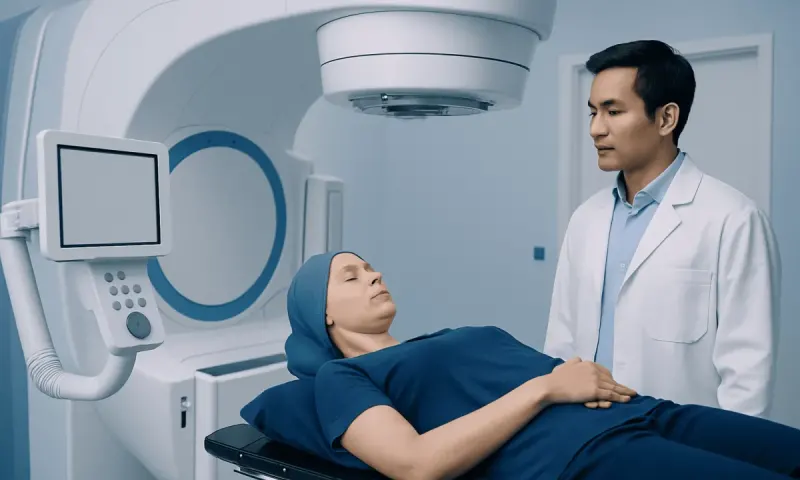
The best cancer treatment in the world is not one specific drug, hospital, or country. It is a treatment plan based on an accurate diagnosis and tailored to the individual cancer, including its site, stage, grade, molecular features, and the person’s overall health and preferences. Cancer care may include surgery, radiotherapy, systemic medicines such as chemotherapy, immunotherapy, targeted therapy or hormone therapy, and supportive care.
High-quality care combines clinical expertise with clear communication. A patient should understand what the recommended treatment is intended to achieve, such as cure, long-term control, reducing recurrence risk, or relieving symptoms. The team should also explain reasonable alternatives, likely benefits, possible side effects, and how treatment will affect daily life.
For people comparing the best cancer treatment worldwide, the most useful question is often: “Which center can provide the right expertise and coordinated care for this particular diagnosis?” This approach is more reliable than rankings, advertising claims, or promises based on a single treatment technology.
Where Is the Best Place in the World to Get Cancer Treatment?
The best place to receive cancer treatment is a center that has demonstrated experience with the person’s specific cancer and can offer the full range of appropriate, evidence-based options. This may be a specialist cancer center close to home or, for some people, a center abroad with expertise in a rare cancer, complex surgery, advanced radiotherapy, clinical trials, or multidisciplinary treatment planning.
Rather than relying on a broad list of the best cancer treatment countries in the world, patients can assess individual services. Important features include specialist pathologists and radiologists, surgeons and oncologists with relevant experience, access to multidisciplinary tumor board meetings, modern diagnostic testing, safe treatment protocols, symptom management, rehabilitation, and a clear follow-up plan.
International travel can add practical considerations. Patients should ask how records and pathology slides will be reviewed, whether treatment can be coordinated with doctors at home, how complications will be managed after travel, and whether follow-up can be provided locally or remotely. A second opinion can help clarify whether travel is likely to add meaningful benefit.
Acıbadem Health Point’s multidisciplinary specialists and JCI-accredited hospitals diagnose and treat cancer for international patients, with care planning that can be coordinated around individual clinical needs.
How to Compare Cancer Centers and Treatment Plans Safely

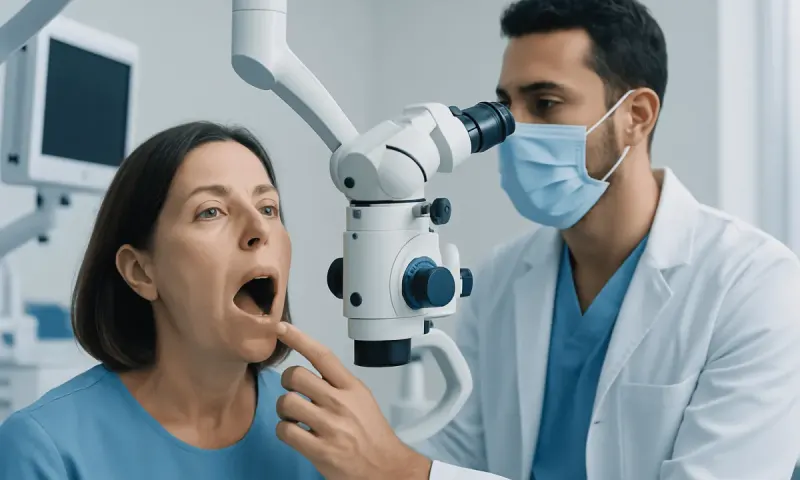
A trustworthy center begins by confirming the diagnosis. Pathology review is particularly important when treatment choices depend on the exact tumor type or when the diagnosis is uncommon. Staging may require imaging, blood tests, endoscopy, or other procedures. In many cancers, tumor biomarker or genetic testing can help identify whether targeted medicines, immunotherapy, hormone therapy, or inherited-cancer assessment may be relevant.
Patients can ask whether their case will be reviewed by a multidisciplinary team. This typically brings together medical oncologists, surgical oncologists, radiation oncologists, radiologists, pathologists, specialist nurses, and other professionals as needed. Coordinated review helps ensure that treatment decisions consider all suitable options rather than one specialty alone.
A useful consultation should make space for questions. Patients may ask:
- What is the exact diagnosis and stage, and how certain is it?
- What is the aim of treatment in this situation?
- What are the main benefits, limitations, and side effects of each option?
- Is a second pathology review, molecular test, or clinical trial relevant?
- What support is available for pain, nutrition, fertility, emotional wellbeing, and recovery?
It is reasonable to be cautious about clinics that promise a cure, discourage independent second opinions, pressure someone to begin treatment immediately without explanation, or promote unproven therapies as replacements for standard cancer care.
What Treatments May Be Part of Cancer Care?
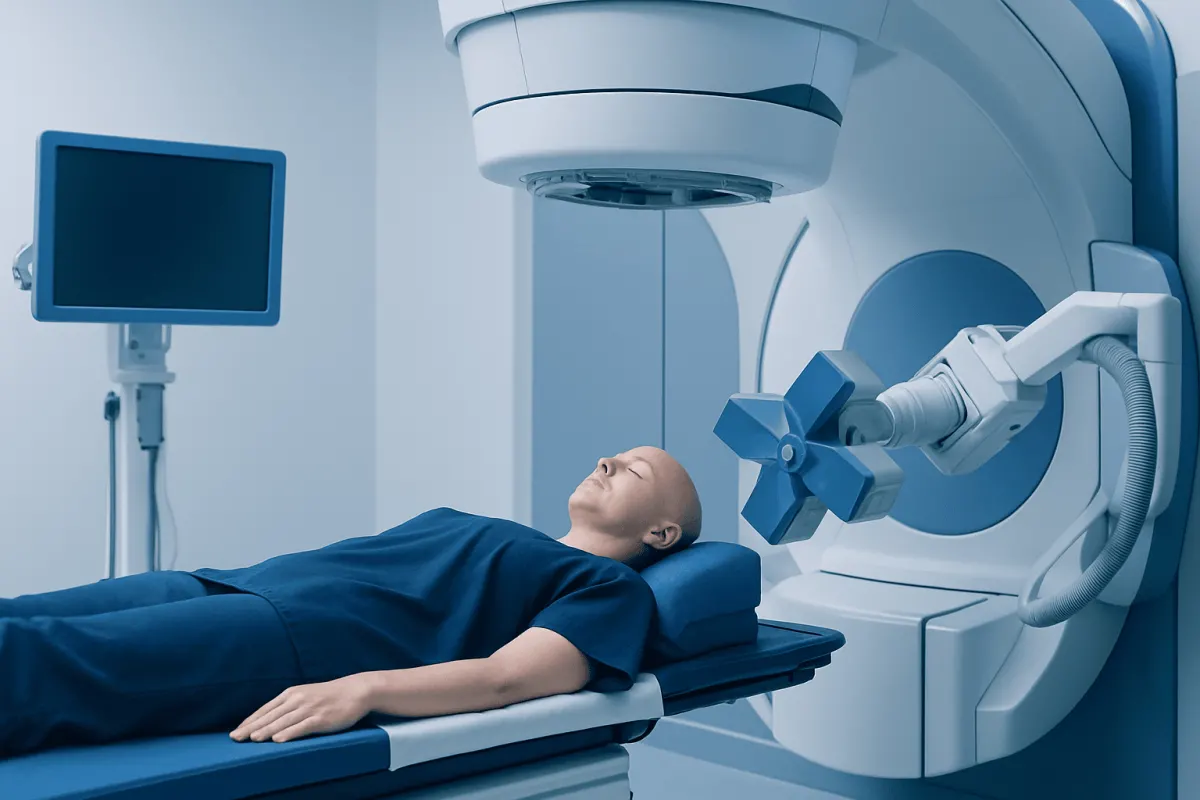
Cancer treatment is selected according to the disease and its extent. Local treatments, including surgery and radiotherapy, focus on a tumor or defined area of the body. Systemic treatments circulate through the body and may be used before or after local treatment, alongside it, or as the main treatment when cancer has spread. These include chemotherapy, hormone therapy, targeted therapy, immunotherapy, and, in selected circumstances, cellular therapies or stem cell transplantation.
Some cancers are best treated with one main approach, while others benefit from a planned combination. For example, treatment may begin with medicine to shrink a tumor before surgery, or radiotherapy may be given after surgery to lower the chance of local recurrence. The sequence and intensity of treatment should be individualized, balancing effectiveness with safety and quality of life.
Supportive and palliative care are important at every stage of cancer care. They help manage symptoms and side effects such as pain, nausea, fatigue, appetite changes, anxiety, and sleep difficulties. Palliative care does not mean that active cancer treatment has stopped; it can be provided alongside treatment intended to control or cure cancer.
Clinical trials may offer access to carefully studied new approaches. Eligibility depends on the cancer type, previous treatments, overall health, and trial availability. A trial should be discussed openly, including its purpose, possible benefits, uncertainties, extra visits, and potential risks.
What Is the 62 Day Rule for Cancer?
The “62-day rule” usually refers to a cancer waiting-time standard used in the United Kingdom’s National Health Service. It concerns the interval between an urgent suspected-cancer referral and the start of first definitive treatment. It is designed to support timely assessment and reduce avoidable delays in the cancer pathway.
This is a healthcare service performance standard, not a universal medical rule and not a guarantee that every person will begin treatment within exactly 62 days. Some investigations are needed to establish the diagnosis and stage safely, and different cancers require different preparation. In some situations, treatment begins more quickly; in others, additional specialist tests or treatment planning are medically appropriate.
For anyone with a suspected or confirmed cancer, the key issue is prompt communication. Patients should ask their care team what tests are still needed, what the expected timeline is, and whom to contact if appointments or results are delayed. Certain symptoms or treatment complications may need assessment sooner than a routine appointment.
What New Cancer Drug Has a 100% Success Rate?
No new cancer drug has a proven 100% success rate for all patients or even for all people with one type of cancer. Cancer is not a single disease: tumors differ in their genetics, behavior, stage, treatment sensitivity, and interaction with the immune system. Even highly effective treatments do not work equally well for every eligible patient.
News reports may describe exceptional early results from a small study or a treatment that produced complete responses in a selected group. A complete response means that no detectable cancer was found at a particular time; it does not always mean a permanent cure. Longer follow-up and larger studies are needed to understand durability, safety, and who is most likely to benefit.
Patients considering a new medicine should ask whether it is approved for their cancer and treatment setting, what evidence supports its use, how it compares with established options, and what side effects or monitoring it requires. A qualified oncology team can interpret study results in the context of an individual diagnosis.
What Do Oncologists Not Tell You?
Most oncologists aim to share the information people need to make informed decisions, but cancer appointments can feel overwhelming and time may be limited. Patients may not immediately hear every detail about practical issues, emotional impact, financial or travel concerns, fertility preservation, work, caregiving, nutrition, sexuality, or long-term side effects unless they raise these topics or meet with other members of the care team.
It is also important to know that uncertainty is part of cancer medicine. Doctors can use research and clinical experience to estimate likely outcomes, but they cannot predict exactly how one person will respond. A careful oncologist should explain what is known, what is uncertain, and how the treatment plan may change based on results or side effects.
Patients can bring a trusted person to appointments, write down questions, request plain-language explanations, and ask for a summary of the plan. It is appropriate to ask about second opinions, clinical trials, supportive care, and the option of taking time to consider decisions when the situation is not urgent. Honest communication is a central part of safe cancer care.
When to Seek Medical Care
Anyone with a new lump, unexplained bleeding, persistent change in bowel or bladder habits, unexplained weight loss, ongoing cough, trouble swallowing, persistent pain, or a symptom that does not improve should arrange a medical assessment. These symptoms are common and often have causes other than cancer, but they deserve appropriate evaluation when they are persistent, worsening, or unexplained.
People already diagnosed with cancer should contact their treatment team promptly for new or worsening symptoms, especially fever during chemotherapy, shortness of breath, chest pain, confusion, severe vomiting or diarrhea, uncontrolled pain, unusual bleeding, or signs of an allergic reaction after treatment. Emergency services should be used for severe or rapidly worsening symptoms.
Early assessment does not mean assuming the worst. It allows clinicians to identify the cause, arrange tests when needed, and begin appropriate care without unnecessary delay. People who are uncertain about a symptom should contact a qualified doctor or local health service for guidance.
Frequently asked questions
01How can someone find the best cancer treatment in the world for their diagnosis?
The safest approach is to look for a center with experience in the specific cancer type and access to multidisciplinary care. The center should be able to confirm the diagnosis, stage the cancer accurately, discuss evidence-based options, and provide supportive care. A second opinion is often helpful for rare, complex, recurrent, or advanced cancers.
02Are cancer treatment rankings a reliable way to choose a hospital?
Rankings can provide general information, but they cannot determine which hospital is best for one person’s diagnosis. They may not reflect expertise in a specific tumor type, access to a particular procedure, or coordination of follow-up care. It is more useful to compare the relevant specialists, services, treatment options, and communication practices.
03Should a person travel abroad for cancer treatment?
Travel may be reasonable when a center has expertise or services that are not available locally, particularly for uncommon or complex cancers. However, travel can be physically and emotionally demanding and should include a plan for records, follow-up, and management of side effects. Discussing the option with the local oncology team and obtaining a second opinion can help.
04Does immunotherapy cure cancer?
Immunotherapy can produce long-lasting responses in some people and some cancer types, but it is not a cure for everyone. Its usefulness depends on the type and stage of cancer, tumor biomarkers, previous treatment, and overall health. It can also cause immune-related side effects that require careful monitoring.
05Why is molecular testing important in cancer treatment?
Molecular testing looks for genetic or protein features within a tumor that may affect diagnosis, prognosis, or treatment choices. In some cancers, these results can identify targeted therapies or help determine whether immunotherapy may be appropriate. Not every cancer requires the same tests, so the oncology team can advise what is relevant.
06When is a second opinion most helpful for cancer?
A second opinion is commonly considered before a major operation, intensive treatment, or a decision involving a rare or advanced cancer. It can confirm the pathology and stage, review the proposed plan, and identify other standard options or clinical trials. Seeking another expert view does not mean distrusting the first team; it is a normal part of informed decision-making.
This article is for general information only and is not a substitute for professional medical advice. Please consult a qualified doctor about your individual situation.
Oncology care in Turkey — second opinion and treatment plan
JCI-accredited · board-certified surgeons · reply within 24h
Add us as a Preferred Source to see more of our trusted health content across Google Search, AI Overviews and Discover.