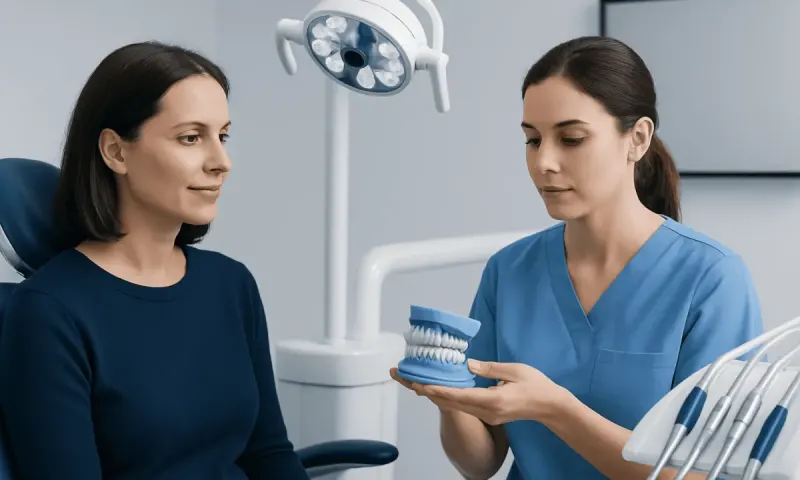
Cheapest Country for Dental Implants: Value and Safety
The cheapest country for dental implants cannot be identified responsibly by a single price comparison. A lower initial quote may not include imaging, bone grafting, temporary teeth, laboratory fees, travel, complications or the long-term follow-up needed to protect implant health.
Overview: Choosing Value, Safety and Long-Term Care
The cheapest country for dental implants is not a fixed answer because the total cost and quality of care vary widely between clinics, cities and treatment plans. For patients considering treatment abroad, the best value usually comes from a transparent plan delivered by qualified dental professionals, using traceable implant materials and including a realistic plan for follow-up care.
Dental implants are artificial tooth roots, usually made of titanium or a titanium alloy, placed in the jawbone to support a crown, bridge or full-arch prosthesis. They may replace one missing tooth, several teeth or an entire dental arch. The treatment can restore chewing function, support facial structure and improve comfort compared with removable dentures for suitable patients.
Comparing destinations only by an advertised package price can be misleading. A complete quote should clarify whether it includes consultation, three-dimensional imaging, extractions, bone or sinus grafting when needed, implant placement, temporary teeth, final restorations, laboratory costs, sedation, medicines, revisions and post-treatment reviews. Dental implant treatment should be planned as a long-term clinical process rather than a one-time purchase.
How Dental Implants Work and Who May Be a Candidate
An implant is inserted into the jawbone and allowed to integrate with the surrounding bone, a process called osseointegration. After adequate healing, a connector called an abutment and a custom-made crown, bridge or full-arch restoration can be attached. Some patients can receive a temporary fixed restoration shortly after surgery, but this is not appropriate in every case.
Good candidates generally have missing or failing teeth, sufficiently healthy jawbone or the option of bone rebuilding, and gums that are free from uncontrolled infection. A dentist will also consider bite forces, oral hygiene, smoking or nicotine use, medications and medical conditions such as diabetes, immune disorders or osteoporosis. These factors do not always rule out implants, but they may change the timing, technique or expected healing process.
Gum disease should be diagnosed and treated before or alongside implant planning, as untreated inflammation can threaten natural teeth and implant tissues. Patients with a history of gum disease may need periodontal care and a more frequent maintenance schedule after implant placement. A careful assessment protects both the implant investment and overall oral health.
- Single-tooth implants replace one missing tooth without preparing neighboring teeth.
- Implant-supported bridges can replace several adjacent teeth.
- Full-arch solutions use a planned number of implants to support a fixed or removable full set of teeth.
The Implant Procedure: Step by Step
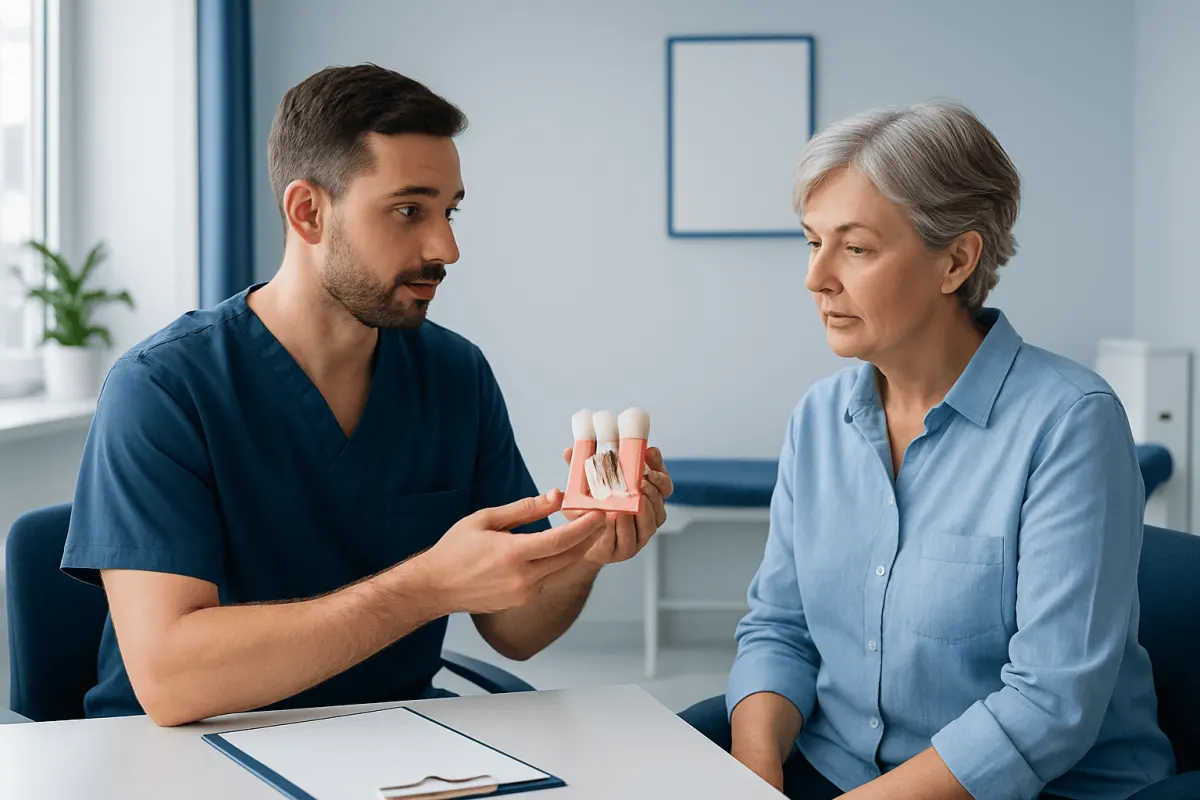
The process starts with a detailed dental examination. This typically includes a review of medical history, gum assessment, photographs, digital scans or impressions, and dental X-rays or cone-beam computed tomography when appropriate. The clinician evaluates bone volume, nerve and sinus locations, bite alignment and the condition of remaining teeth before recommending a personalized treatment approach.
If teeth need to be removed, this may happen before implant placement or during the same appointment, depending on infection, bone quality and the planned restoration. Some patients require bone grafting or a sinus lift to create enough stable support for an implant. These preparatory procedures can extend the overall timeline, which is why an online quote cannot replace an in-person or properly documented remote clinical assessment.
During surgery, local anesthesia is commonly used; some patients may also receive sedation when clinically suitable. The dental surgeon places the implant in a carefully prepared position in the jawbone. A healing cap, temporary tooth or temporary bridge may be fitted depending on stability and the treatment plan. The final crown or bridge is usually made after healing and bite evaluation, allowing the dental team to refine comfort, appearance and function.
A responsible provider should explain the implant brand, the planned number and location of implants, the type of final restoration, alternatives to implants, likely treatment stages and the arrangements for aftercare. Patients should retain copies of imaging, implant records, laboratory information and the final treatment summary for future dental care.
What Country Is the Cheapest to Get a Full Set of Dental Implants?
There is no single country that is reliably the cheapest choice for a full set of dental implants. Full-mouth treatment is especially variable because its scope may range from implant-retained dentures to fixed full-arch bridges, and may include tooth removal, management of infection, grafting, temporary restorations and final prosthetic work. A seemingly low price may cover only surgery or only temporary teeth rather than the completed treatment.
Instead of looking for the lowest country-level price, patients can request comparable written treatment plans from appropriately licensed clinics. Each plan should state the clinical diagnosis, implant system, number of implants, type of prosthesis, materials, anesthesia, diagnostic imaging, laboratory work, planned visits, expected timeline and exclusions. It is also important to ask what happens if an implant does not integrate or a temporary restoration breaks.
For full-arch care, clinical expertise and coordination between oral surgeons, prosthodontists, periodontists and dental laboratory teams are particularly important. Travel may be practical only if the patient can return for the necessary stages and understands who will provide urgent or routine care after returning home. The cheapest initial option can become more costly if corrective treatment is required elsewhere.
Where Is the Best and Cheapest Place to Get Dental Implants in the World?
The “best and cheapest” place is different for every patient because affordability must be weighed against safety, travel access, treatment complexity and continuity of care. The most suitable destination is one where the patient can verify clinician qualifications, infection-control standards, implant materials, communication arrangements, detailed pricing and an aftercare pathway. National location alone cannot confirm the quality of an individual clinic.
Patients may find it helpful to assess the full cost of care rather than the procedure fee alone. This includes flights, accommodation, time away from work, local transport, travel insurance, additional appointments, food needs during recovery and the financial impact of a possible return visit. It is wise to maintain a contingency fund because dental treatment sometimes changes after imaging or surgery reveals unexpected findings.
Questions worth asking include whether the treatment team has experience with the proposed full-arch or single-tooth procedure, whether the implants are from a recognized and traceable manufacturer, and whether records will be provided in English when needed. Independent reviews can be useful, but they should not replace verification of professional registration and a direct clinical consultation.
Acıbadem Health Point’s multidisciplinary specialists and JCI-accredited hospitals diagnose and treat dental conditions for international patients, with treatment planning designed around individual clinical needs and follow-up considerations.
How Can a Poor Person Afford Dental Implants?
For people with limited financial resources, dental implants may not be immediately affordable, and it is reasonable to discuss lower-cost, clinically appropriate alternatives. Depending on the number and location of missing teeth, options may include a removable partial denture, complete denture, conventional bridge or a staged plan that treats urgent disease first and considers implants later. The right option should protect comfort, function and oral health within the person’s circumstances.
Patients can ask a dentist whether treatment can be phased, such as controlling gum disease, removing non-restorable teeth, using a temporary denture and planning implants at a later date. In some health systems, dental schools, hospital dental departments, public programs, charitable clinics, employer benefits or financing arrangements may help eligible individuals access care. Availability and eligibility vary by location, and patients should read financing terms carefully before committing.
Maintaining oral hygiene and attending preventive visits may help preserve remaining teeth and reduce future treatment needs. Brushing twice daily with fluoride toothpaste, cleaning between teeth, limiting tobacco exposure and seeking early care for pain, swelling or bleeding gums are practical measures. Implants are valuable for many people, but they are not the only successful way to restore teeth.
Which Country Is the Best for Americans to Get Dental Implants?
For Americans, the best country for dental implants is usually one that combines a suitable clinical team with realistic travel and aftercare arrangements. Distance matters because implant treatment often requires more than one visit, especially when grafting, infection treatment or a final full-arch restoration is needed. Patients should avoid planning travel around a fixed return date until the treating clinician confirms that the recovery and restoration schedule is appropriate.
Before traveling, Americans should check how records, imaging and implant details will be shared with their home dentist. It is also important to understand whether a local dentist is willing to provide maintenance or urgent care after treatment performed elsewhere. Dental insurance may not cover treatment abroad or complications requiring care after returning home, so insurance terms should be reviewed in advance.
Patients should seek a written treatment plan before committing to travel, while recognizing that the plan may need adjustment after an in-person examination. A reputable clinic should welcome questions about professional credentials, sterilization procedures, implant traceability, consent, complication management and the need for future visits. Decisions should be based on informed consent and clinical suitability, not on time-limited promotions.
Recovery, Benefits, Risks and When to Seek Medical Care
Recovery after implant surgery is often manageable with clinician-directed pain relief, soft foods, careful oral hygiene and rest. Mild swelling, bruising, tenderness and small amounts of bleeding can occur in the first days. Healing of the bone around an implant generally takes weeks to months, and the overall timeline may be longer when bone grafting or staged treatment is needed.
Potential benefits include improved chewing, better stability than a removable denture for many patients, preservation of jawbone in the implant area and a natural-looking tooth replacement. However, implants are not risk-free. Possible complications include infection, delayed healing, implant failure to integrate, injury to nearby structures, sinus problems in the upper jaw, nerve-related numbness, fracture or loosening of restoration components, and inflammation around an implant known as peri-implant disease.
Patients should contact their dental team promptly for worsening pain after initial improvement, persistent or heavy bleeding, increasing swelling, fever, pus, a loose implant or restoration, new numbness, difficulty swallowing or breathing, or signs of an allergic reaction. Difficulty breathing or swallowing requires urgent emergency assessment. Regular professional maintenance and daily cleaning around implants are essential for long-term success.
Smoking and other nicotine products can impair healing and increase complication risk, so stopping or reducing use should be discussed before treatment. A dental clinician can also advise on safe care of temporary restorations, diet progression and when normal chewing can resume.
Frequently asked questions
01Are dental implants cheaper abroad?
They may have a lower quoted procedure fee in some locations, but the total cost can be higher once travel, accommodation, additional visits, imaging, grafting and follow-up care are included. Patients should compare complete written plans rather than advertised starting prices.
02How long do dental implants take from start to finish?
The timeline varies according to bone quality, gum health, whether teeth need extraction and whether grafting is required. Some cases can include an early temporary restoration, while final restorations are often fitted after a period of healing that may take several months.
03Are full-mouth dental implants suitable for everyone?
No. Suitability depends on general health, bone support, gum condition, bite, oral hygiene and the ability to attend follow-up visits. A dental examination with appropriate imaging is needed to determine whether fixed full-arch treatment, implant-retained dentures or another option is most appropriate.
04What should a dental implant quote include?
A clear quote should list diagnostics, extractions, grafting if anticipated, implant brand and number, anesthesia, temporary and final teeth, laboratory fees, appointments, medicines and any exclusions. It should also explain the expected timeline and the policy for complications or needed revisions.
05Can a dentist at home maintain implants placed abroad?
Many dentists can provide routine maintenance or address certain problems, but this is not guaranteed and may depend on the implant system and available records. Before traveling, patients should ask their local dentist about follow-up options and obtain complete documentation from the treating clinic.
06How long do dental implants last?
With good planning, daily cleaning and regular professional reviews, implants can function for many years. Their longevity is affected by gum health, smoking or nicotine use, biting forces, medical conditions and maintenance of the crown, bridge or denture attached to the implant.
This article is for general information only and is not a substitute for professional medical advice. Please consult a qualified doctor about your individual situation.
Explore treatments in Turkey — costs, top hospitals & a free quote
JCI-accredited · board-certified surgeons · reply within 24h
Add us as a Preferred Source to see more of our trusted health content across Google Search, AI Overviews and Discover.